How To Keep Dog Calm During Travel: Pro Tips 2026
Keep trips stress-free with expert ways on how to keep dog calm during travel. Learn prep, crate training, calming aids, and vet tips for smooth journeys.
Desensitize early, exercise well, use a comfy crate, and keep calm routines.
Travel can be smooth when you plan, train, and stay calm yourself. In this guide, I’ll show you how to keep dog calm during travel with steps I use for clients and my own dogs. You’ll get simple plans, gear tips, and vet-backed advice that work in cars, planes, and trains. Read on, and you’ll feel ready—and so will your dog.
Know Your Dog: The Calm Starts Before You Go
Every dog handles motion, noise, and change in a different way. To learn how to keep dog calm during travel, start by understanding your dog’s stress triggers and comfort zones. You can then tailor a simple plan that fits your dog, not a generic checklist.
Watch for signs of stress before and during short practice trips.
- Lip licking, yawning, or panting without heat
- Whale eye, pinned ears, or trembling
- Drooling, pacing, or restlessness
- Barking, whining, or hiding
- Refusing treats they usually love
Here is a quick sense check I use with anxious rescues. If the dog will not take a high-value snack in the parked car, we back up a step and make the scene easier. Calm is the goal, not “toughing it out.”

Vet Check and Smart Planning
A pre-trip vet visit is a must for dogs that get queasy or anxious. If you want to master how to keep dog calm during travel, rule out pain, ear issues, and tummy upsets first. Ask about motion-sickness meds and behavior plans if your dog struggles.
Use this planning list to set yourself up for success.
- Vaccines, flea and tick prevention, and deworming up to date
- Microchip and ID tag with current phone number
- Copies of records and a recent photo
- Airline or train rules checked well in advance
- Pet-friendly stops and lodgings booked
Most airlines discourage sedation because it can raise breathing risks at altitude. Vets also warn that sedatives can mask distress. Discuss safer choices with your vet.

Desensitization: Train Calm Before the Trip
If you ask how to keep dog calm during travel, desensitization is the core. You pair tiny bits of the travel scene with treats and rest. Keep sessions short and end while your dog is calm.
Try this 2–4 week plan.
- Crate love at home. Feed all meals in an open crate. Toss treats inside. Close the door for a minute, then open before any fuss.
- Car stillness. Sit in the parked car. Treat for calm. Step out before stress shows. Repeat daily.
- Engine on. Same as above, but with engine noise. Treat, then end on a win.
- Minute-by-minute drives. Start with 1–2 minutes around the block. Slowly add time.
- New places. Park in a new lot. Treat for calm. Keep sessions short and easy.
I learned this the hard way. I once pushed a young shepherd from zero to a 30-minute drive. She drooled and shook. We reset with one-minute wins, and by week three she slept in the car.

Comfort and Safety Gear That Helps Dogs Relax
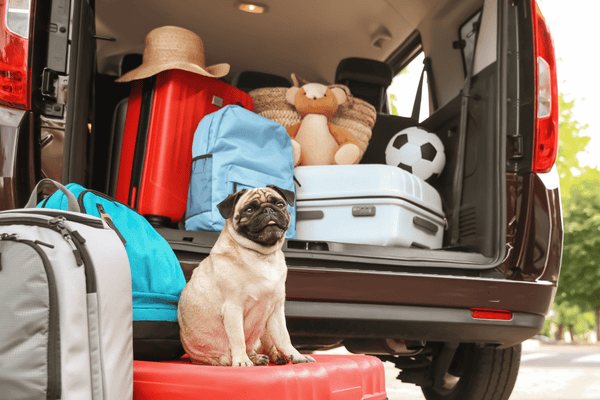
Great gear reduces stress and keeps your dog safe. It also teaches your dog what to expect. That is a key part of how to keep dog calm during travel.
Match gear to your mode of travel.
- Crash-tested crate or car harness for safety
- Familiar bed or blanket with your scent
- Chew that lasts 20–30 minutes
* Pheromone spray for crate or bandana - Window shade to block motion blur and heat
Fit matters. The crate should be large enough for your dog to stand, turn, and lie down, with good airflow. In my experience, a snug den with a cover on three sides cuts visual stress in half.
Exercise, Feeding, and Hydration Timing
Routine is calming. If you want to nail how to keep dog calm during travel, sync food, water, and potty breaks to your route. This prevents tummy upsets and restlessness.
Use these timing rules.
- Give a light meal 3–4 hours before departure
- Offer water up to departure, and at breaks
- Skip rich treats before the ride; save them for later
- Walk 20–30 minutes before you go to burn off steam
Dogs with motion sickness do better with an emptier stomach. Vets often suggest specific anti-nausea meds for longer trips. Ask your vet what fits your dog.
Car Travel: Step-by-Step Calm Routine
Many people ask how to keep dog calm during travel by car. The answer is a steady routine and smooth driving. Your job is to make the car feel boring and safe.
Try this on travel day.
- Load calm. Place your dog in the crate or harness. Give a long-lasting chew.
- Set the mood. Keep the cabin cool. Use white noise or soft music.
- Drive like you have a glass of water on the dash. Smooth starts and stops.
- Plan breaks every 2–3 hours. Potty, stretch, water, then back in.
- No face out the window. Protect eyes and avoid neck strain.
On an 8-hour drive with my older Lab, we used this plan. She slept most of the way. Our stops were short and calm, which made the next leg easy.
Flights and Public Transit: Extra Prep for Smooth Trips
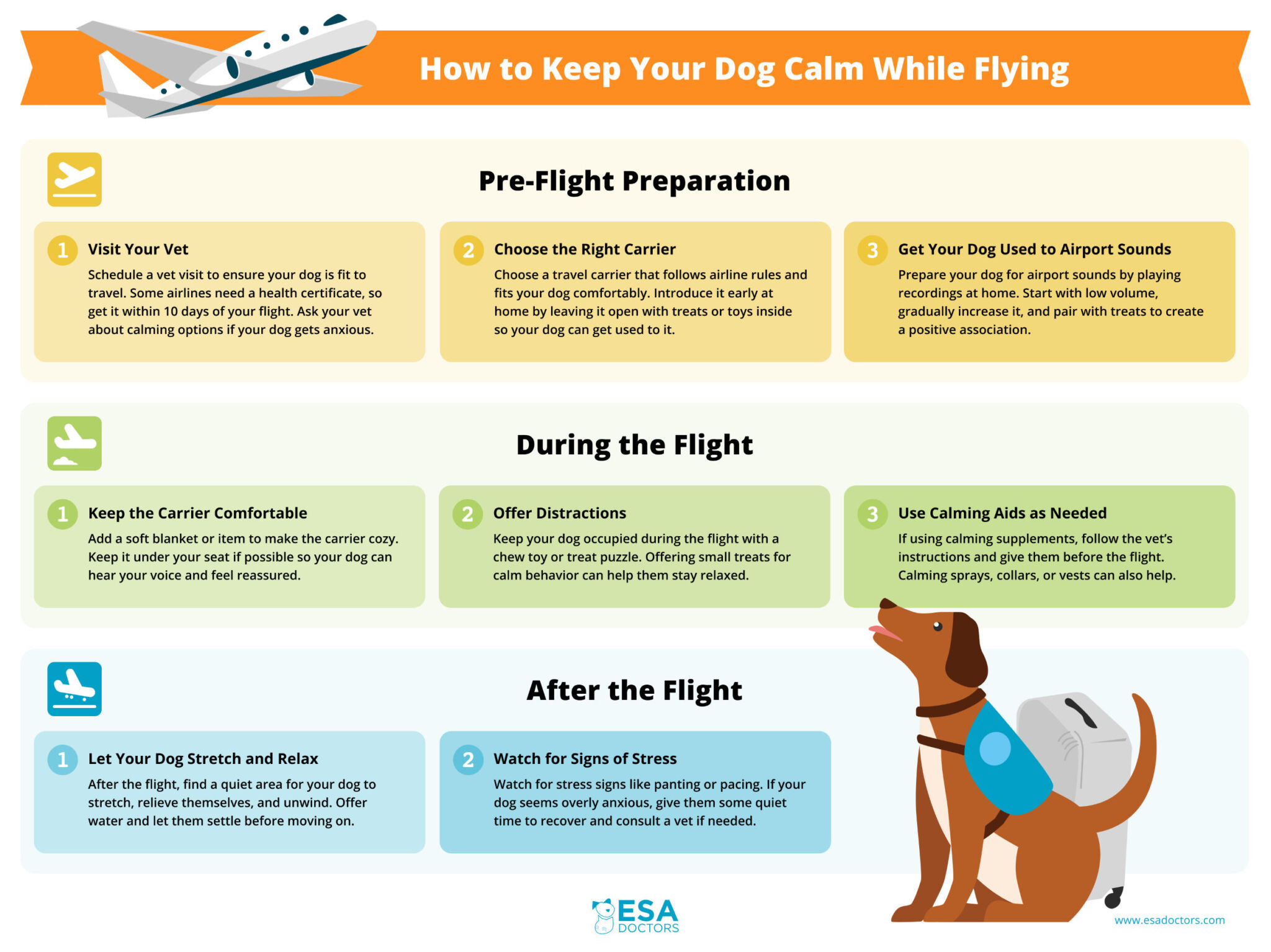
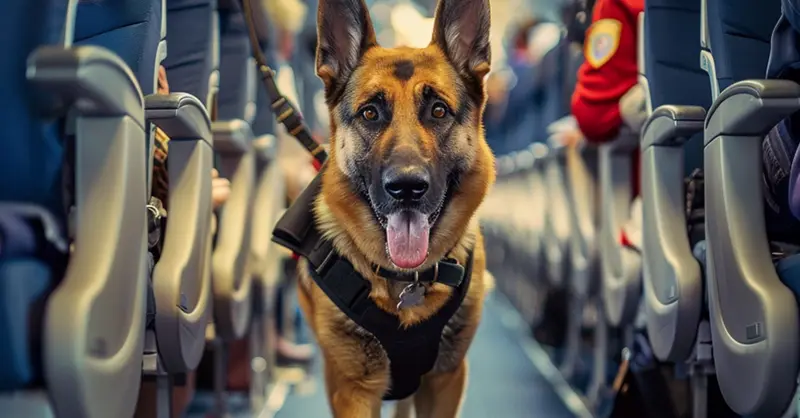
Learning how to keep dog calm during travel on planes and trains takes more prep. Rules vary, and noise levels are high. Make calm a habit before you leave home.
Do this before you fly or board.
- Confirm carrier size and weight rules
- Practice under-seat time at home with a carrier
- Train a “settle” cue on a mat
- Pack a small kit: wipes, extra liner, collapsible bowl, food, and meds
- Use a pheromone spray in the carrier 15 minutes before boarding
Most airlines prefer dogs to stay awake and stable. Ask your vet about motion-sickness meds if needed. Arrive early so you move at a relaxed pace.
Calming Aids: What Works and What to Avoid
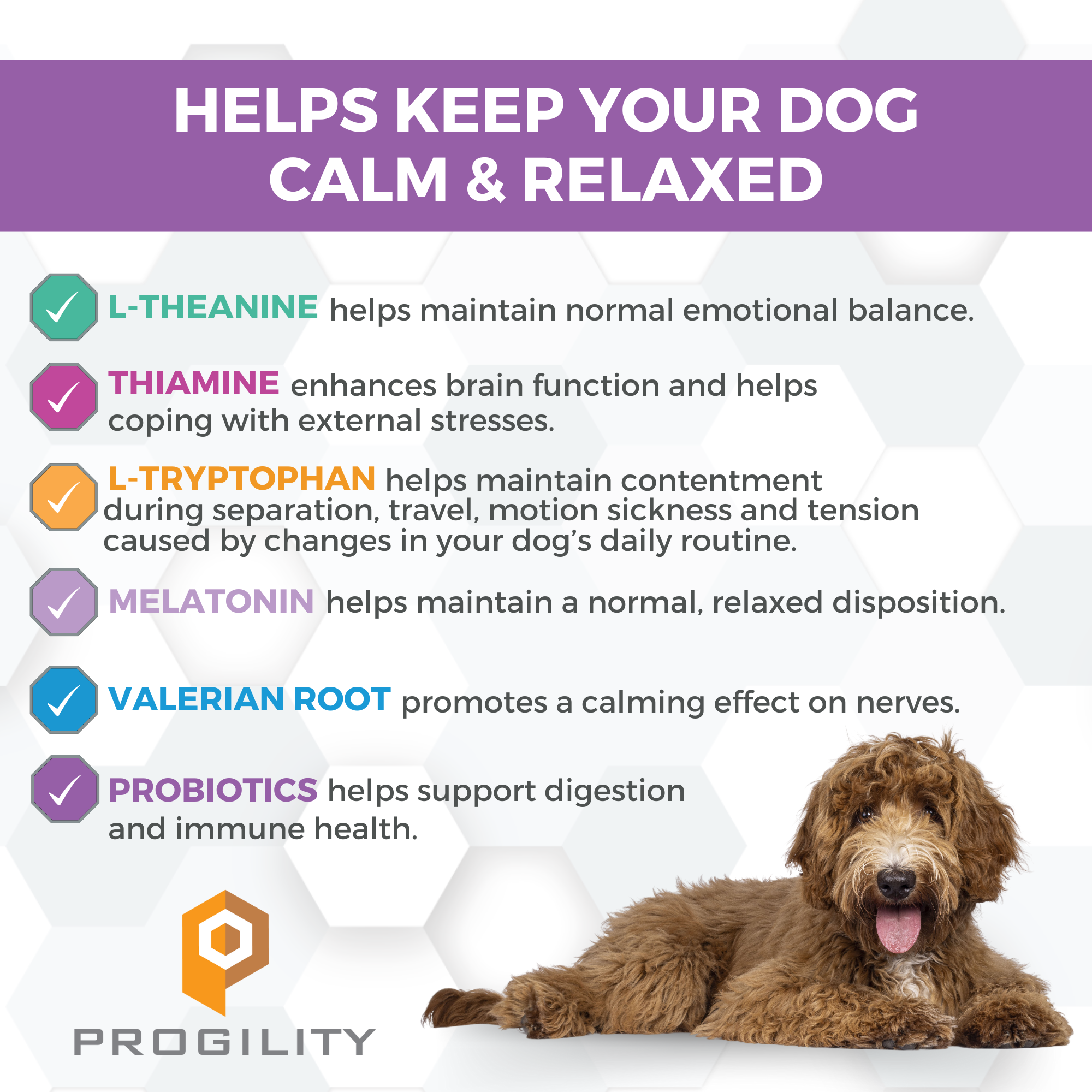
Here is how to keep dog calm during travel with safe aids. Evidence and fit matter. What helps one dog may not help another.
Options to discuss with your vet.
- Pheromone products can help some dogs relax
- Anti-nausea meds can cut drool and vomiting
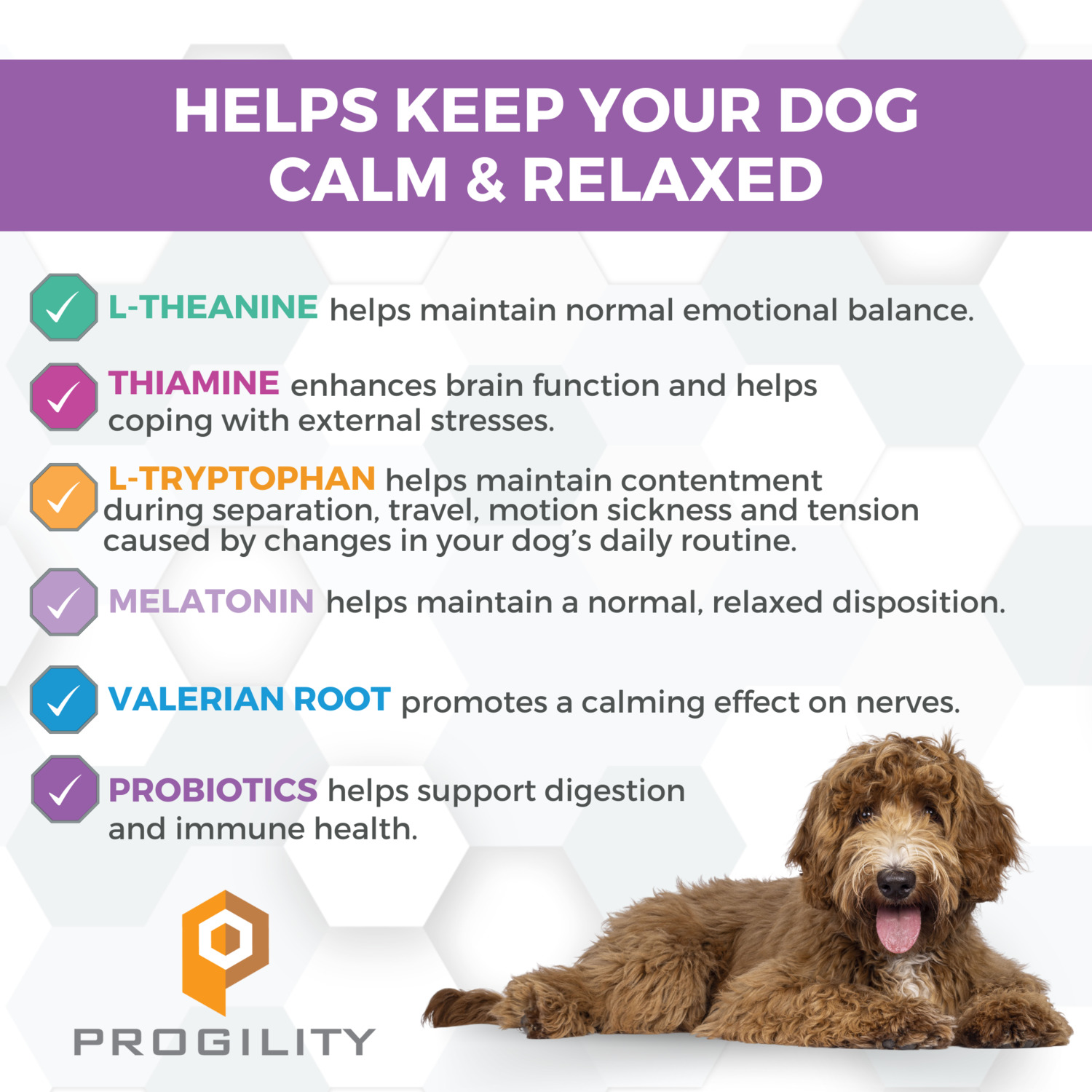
- Mild anti-anxiety meds or supplements may help; test at home first
- Pressure wraps can soothe body-sensitive dogs
Avoid first-time meds on travel day. Many vets advise against sedatives for flights. They can slow breathing and hinder balance. Always test any aid on a quiet day at home.
Your Energy Matters: Be the Calm Your Dog Feels
One overlooked part of how to keep dog calm during travel is you. Dogs read our tone and breath. Your calm is their cue that all is well.
Try this simple script.
- Pack early to avoid rushing
- Speak in a normal voice; skip “It’s okay!” on repeat
- Breathe slow at stops; stretch and reset yourself
- Reward calm, not fussing, with quiet praise and a treat
I once worked with a client who got tense at toll booths. Her spaniel braced each time. We added a “toll booth ritual”: three deep breaths, then a scatter of tiny treats on the crate mat. Both relaxed fast.
After You Arrive: Decompress and Reset
The last step in how to keep dog calm during travel is a soft landing. New places feel loud to dogs. Give them a home base and time to adjust.
Use a simple arrival plan.
- Set up the crate or bed right away
- Offer water and a short sniffy walk
- Keep the first hour quiet and low-key
- Feed a normal meal when settled
- Stick to the same bedtime routine
Log what worked and what did not. Each trip teaches you how to fine-tune the next one.
Frequently Asked Questions of how to keep dog calm during travel
How far in advance should I start training for a trip?
Begin 2–4 weeks before you go. Short daily sessions build calm faster than a last-minute push.
Should I feed my dog before travel?
Give a light meal 3–4 hours before you leave. This lowers the risk of nausea and carsickness.
Are sedatives safe for flying?
Most airlines and vets discourage sedation for flights. It can raise breathing risks and make it hard to spot distress.
What’s the best way to secure my dog in the car?
Use a crash-tested crate or a car harness. It protects your dog and keeps them from roaming.
Do calming supplements actually work?
Some dogs benefit, others do not. Test any new aid at home first and ask your vet for guidance.
How often should I stop on a long drive?
Plan a break every 2–3 hours. Offer water, a short walk, and a calm return to the car.
Conclusion
Calm travel is a skill you can teach. Plan with your vet, train in small steps, use safe gear, and keep routines steady. Your steady energy and a simple system are the secret to smooth trips.
Start this week: one-minute crate love, a parked-car session, and a short drive around the block. Then build up. If this guide helped, subscribe for more step-by-step training tips—or share a win from your next trip in the comments.

Pet Care Writer & Researcher
Daniel writes practical guides on daily care, feeding, and safety, turning complex topics into simple, actionable advice.