How To Choose Collar Or Harness For Dog: 2026 Expert Tips
Unsure which is best? Learn how to choose collar or harness for dog with vet-backed tips, safety checks, and sizing advice—make walks safer today.
Choose a harness for pullers and flat-faced breeds; choose a collar for calm walkers.
If you want a trusted guide on how to choose collar or harness for dog, you’re in the right place. I fit dogs for a living and train handlers every week. I’ll show you how to read your dog’s body, measure like a pro, and pick safe gear that makes walks easy and kind. Stick with me and you’ll walk away ready to choose with confidence.
Collar vs. harness: the quick decision framework
Start with your dog’s body, health, and leash habits. Collars are simple ID holders and work for dogs who walk without pulling. Harnesses spread pressure over the chest and back and are safer for pullers or dogs with neck risk.
Use this simple guide:
- Choose a collar if your dog rarely pulls, has no neck issues, and you need quick on-off for potty breaks.
- Choose a front-clip harness if your dog pulls, zigzags, or you need more control in busy areas.
- Choose a back-clip harness for small dogs, seniors, or calm walkers who just need comfort and security.
- Avoid aversive gear that tightens painfully or adds prongs or shocks. It can raise stress and harm trust.
If you need a one-line rule for how to choose collar or harness for dog, match the tool to your dog’s health and behavior first, then your training goals. That order protects your dog and your bond.

How to measure your dog correctly
A proper fit is non-negotiable. Bad fit causes rubbing, escape risk, and injury. Grab a soft tape and a note app.
Measure these:
- Neck: Wrap the tape mid-neck where a collar rests. You should fit two fingers under it when snug.
- Chest girth: Wrap the tape around the widest part of the ribcage, behind the front legs.
- Length points: If a harness brand lists back or sternum lengths, follow their diagram closely.
Try two sizes when possible. Brands vary. If you want a very clear path for how to choose collar or harness for dog, measure twice and test movement. Your dog should walk, sit, lie down, and do a play bow without pinching.
Breed, size, and health factors that matter
Some dogs have special needs. Respect them, and walks get easier.
Flat-faced breeds (pugs, bulldogs)
These dogs are prone to airway stress. Use a Y-shaped front-clip harness to keep pressure off the neck.
Small and toy breeds
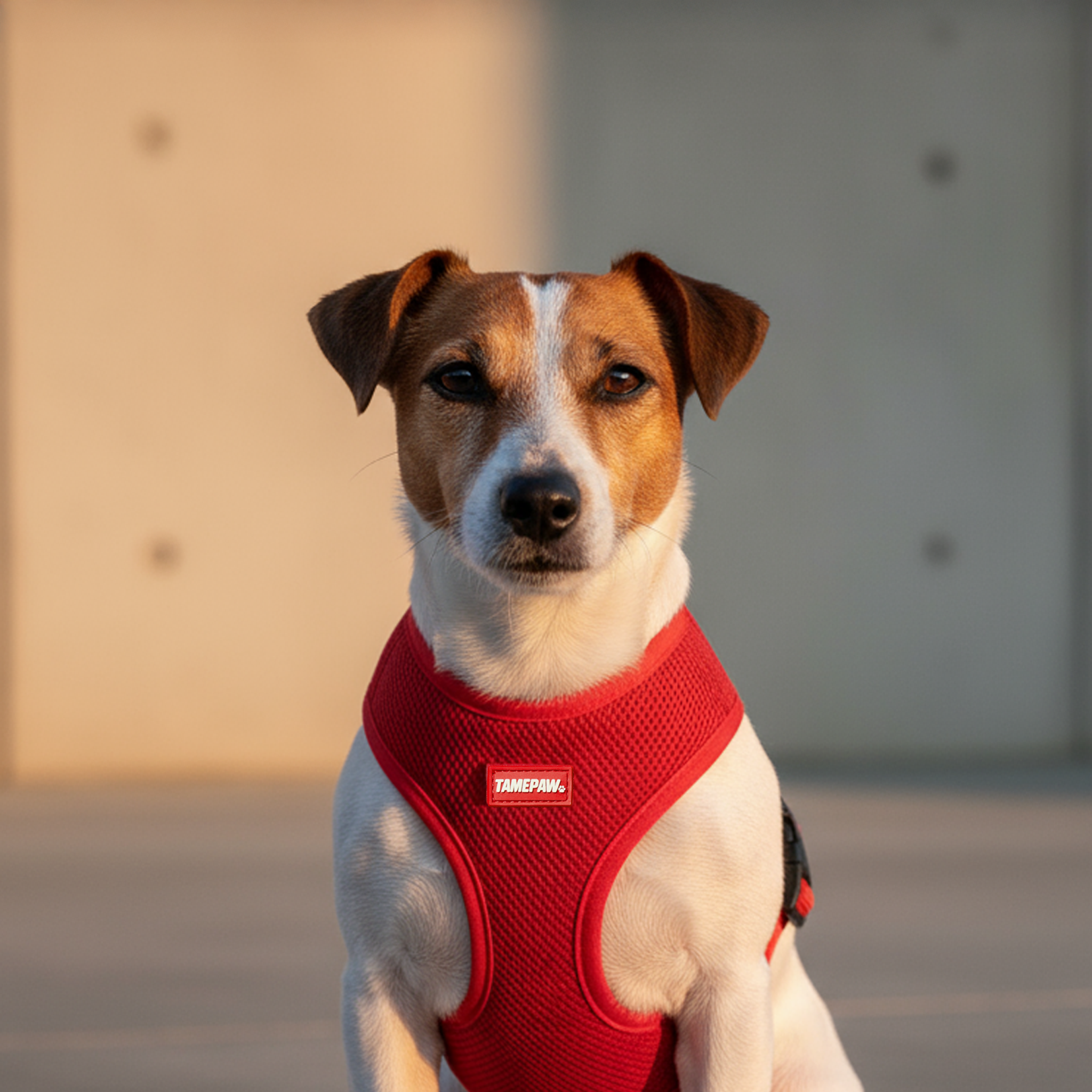
Tracheas are delicate. Go with a soft, lightweight back-clip harness or a well-fitted martingale only if escape risk is high.
Large, strong breeds
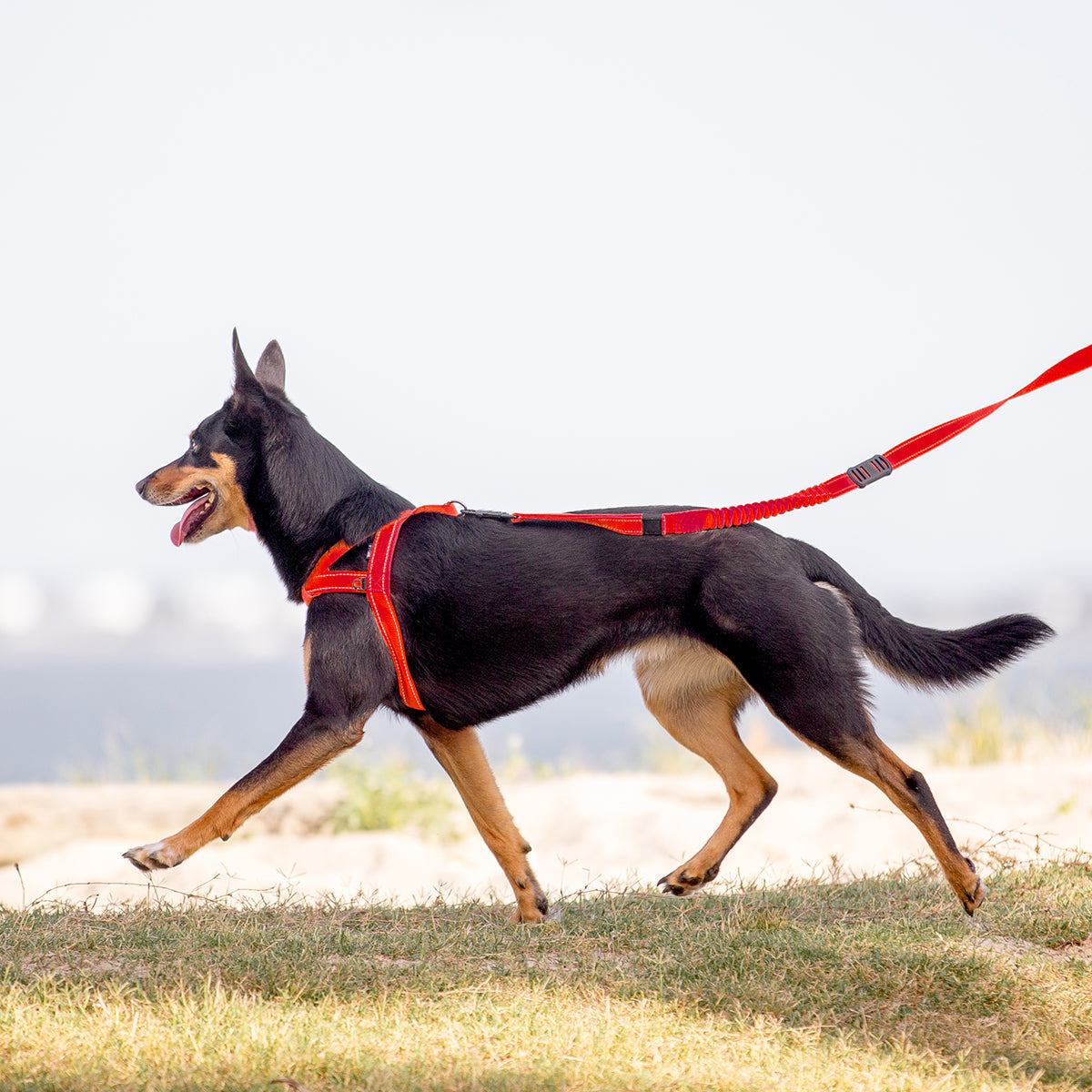
Use a robust Y-shaped dual-clip harness with padded straps and metal hardware. Pair with a sturdy leash.
Puppies
Choose adjustable gear that grows with them. Harnesses reduce neck strain while they learn leash skills.
Seniors and dogs with medical issues
For arthritis or spine issues, pick a padded harness with a handle to help on stairs. Avoid heavy gear.
When thinking about how to choose collar or harness for dog, start with the dog in front of you. Anatomy and health come first.

Training goals and behavior considerations
Your gear should make good behavior easy and safe. Training does the rest.
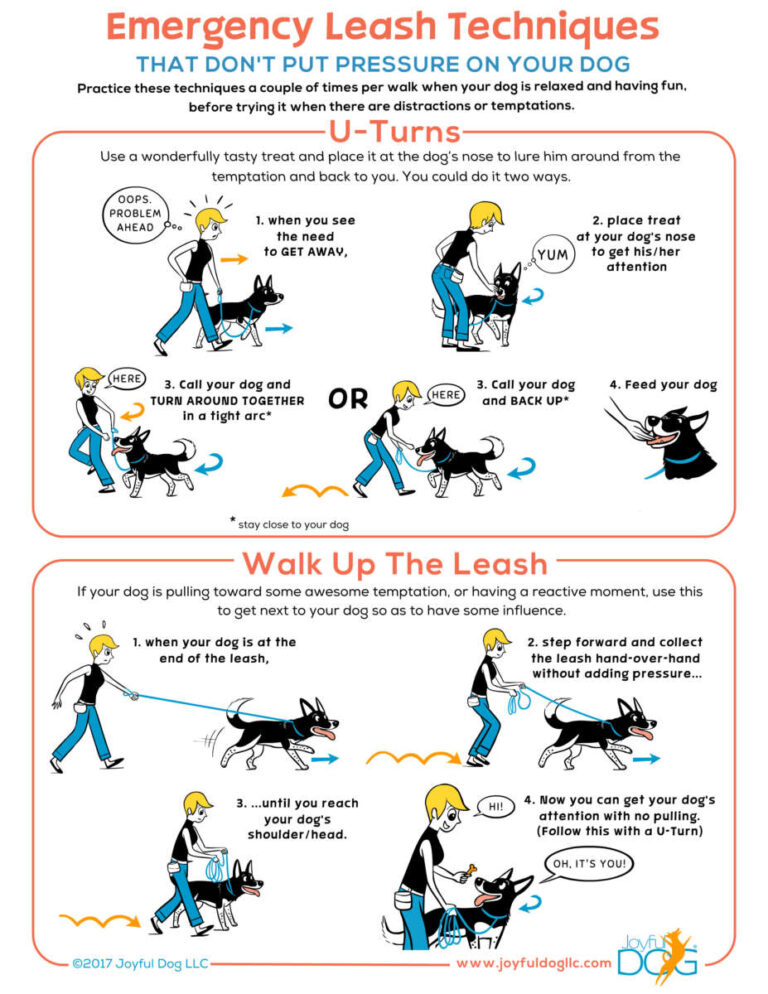
- Pulling: A front-clip harness turns the chest slightly, which helps reduce pulling without pain.
- Leash reactivity: Use a harness to avoid adding neck pressure when your dog sees triggers. Teach focus and space.
- Escape artists: A three-strap harness with a tummy strap helps stop backing out. Check fit often.
If you ask how to choose collar or harness for dog with a puller, pick a front clip, then train calm starts, reward loose leash, and practice in low-distraction spots first.
Materials, hardware, and safety
Strong, comfortable gear lasts and protects your dog.
- Webbing: Nylon or polyester is common and tough. BioThane is waterproof and low-maintenance.
- Padding: Neoprene or air mesh helps prevent rub spots. Watch for trapped heat.
- Hardware: Prefer welded D-rings and metal buckles for strong pullers. Plastic buckles are fine for most small dogs.
- Visibility: Reflective stitching or bright colors help cars see you at night.
Reliable gear is part of how to choose collar or harness for dog you can trust every day.
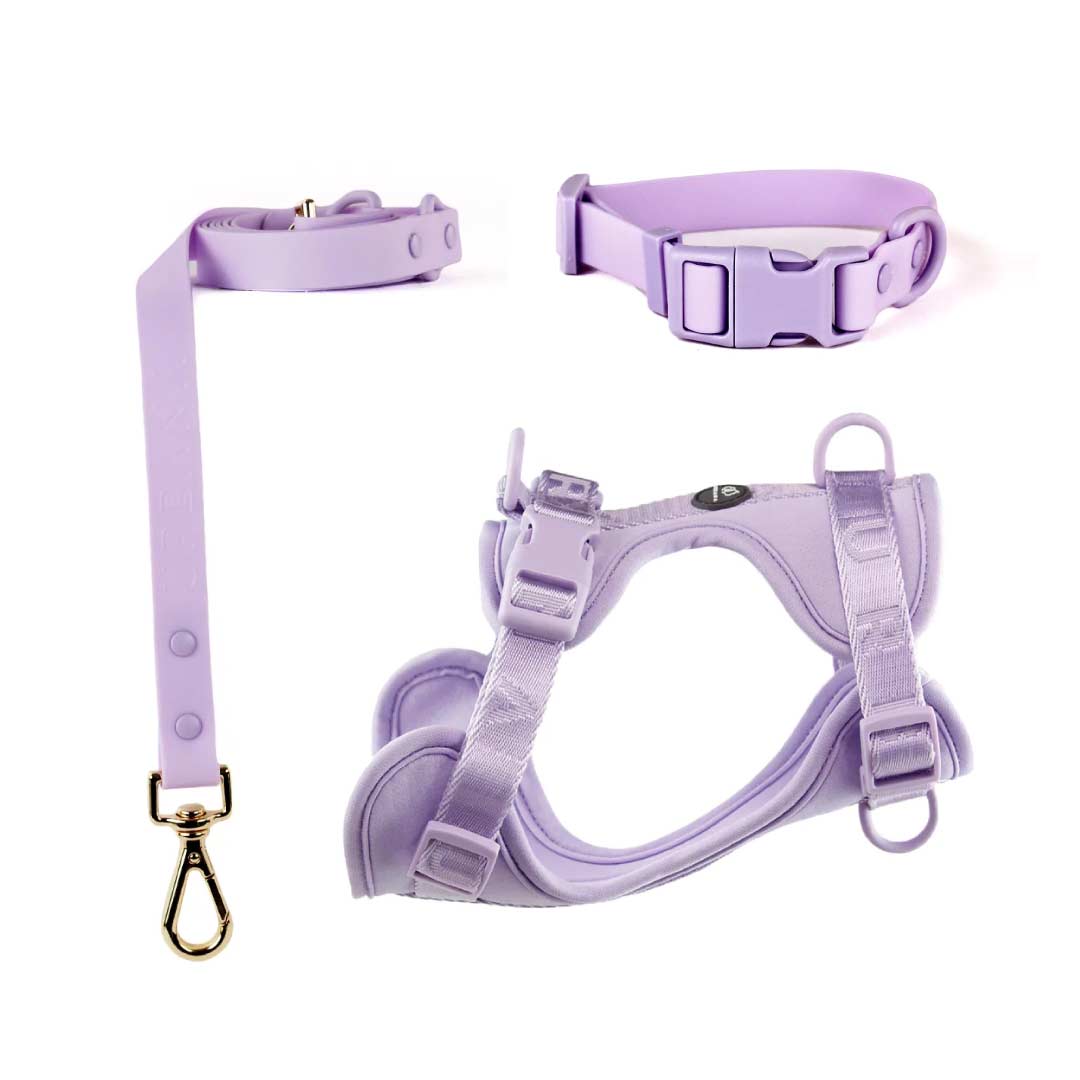
Types of collars and when to use them
Not all collars are equal. Use tools that are safe, simple, and kind.
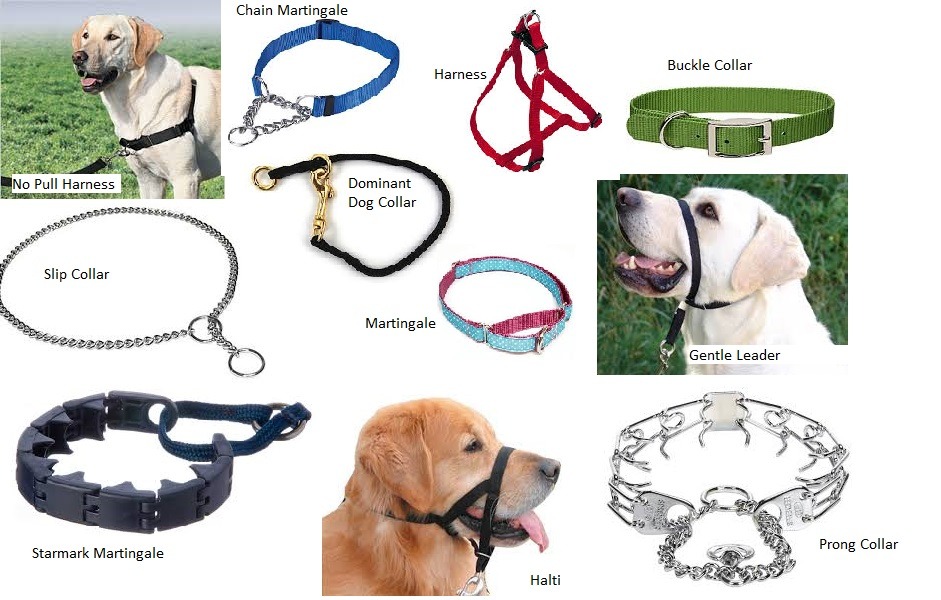
Flat buckle collar
Great for ID tags and calm walkers. Ensure the two-finger rule and check weekly.
Martingale collar
Helps prevent slip-outs on narrow heads like greyhounds. It should tighten just enough to stop escape, never choke.
Head collar
Gives strong control for powerful pullers with training. Fit matters. Start slow and pair with treats.
Avoid prong, choke, or shock collars. Studies show they can raise stress hormones and risk fallout behaviors. That is not how to choose collar or harness for dog if you value trust.
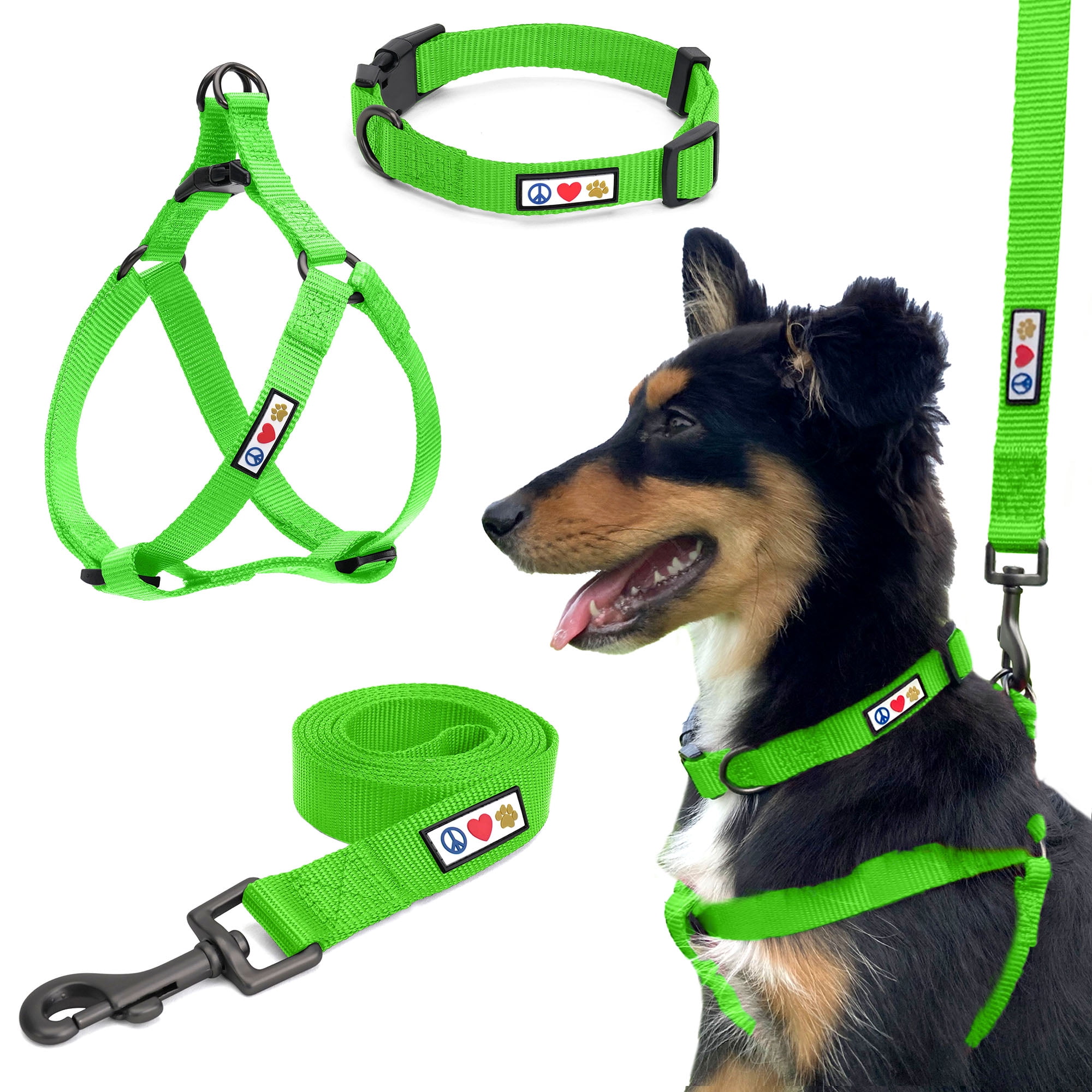
Types of harnesses and when to use them
Harness designs change how pressure spreads and how much control you get.
Front-clip harness
Best for pullers and busy streets. Clips at the chest for gentle steering.
Back-clip harness
Simple and comfy for small dogs and steady walkers. Less steering control but very easy to use.
Dual-clip harness
Front and back rings. Start front-clip for training, switch to back-clip as skills improve.
Y-shaped vs. H-shaped
Y-shapes avoid shoulder restriction and allow free stride. H-shapes can fit some bodies better. Try both.
Step-in harness
Easy for dogs who hate gear over the head. Watch for rubbing behind the legs.
If you wonder how to choose collar or harness for dog that pulls hard, test a Y-shaped dual-clip with a front leash, then fade to back-clip as the dog learns.

Fitting checklist and comfort test
A good fit is snug, not tight. Do this quick check:
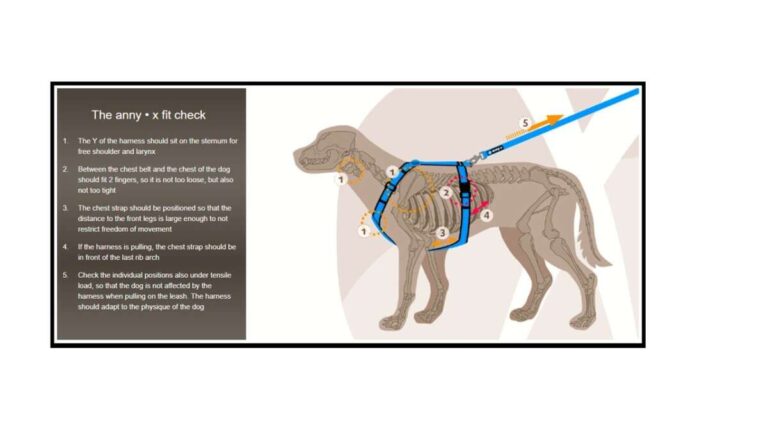
- Two-finger rule at the neck and chest.
- Straps sit off the soft tissue of the throat. No gaping near shoulders.
- No chafing behind elbows or at armpits after a 20-minute walk.
- Harness does not ride into the throat when the dog leans forward.
- Dog can trot, sit, lie down, and shake without catching.
For how to choose collar or harness for dog that hates gear, pair fitting with treats, short sessions, and praise. Reward calm while you buckle, and stop before your dog gets fidgety.
Real-world examples and lessons learned
From my sessions:
- Max, a young lab, dragged his owner. A front-clip Y-harness plus “stand still when the leash goes tight” cut pulling by 70% in a week.
- Luna, a shy rescue, slipped her flat collar when startled. A snug martingale kept her safe until her confidence grew. We later moved to a back-clip harness.
- Teddy, a senior with arthritis, did better with a padded harness with a handle. We helped him on stairs and used shorter walks.
Every case taught me how to choose collar or harness for dog by starting with safety, then comfort, then training.
Budget, durability, and eco choices
You do not need the most expensive gear. You need gear that fits and holds up.
- Set a budget, then look for reinforced stitching, quality buckles, and clear sizing charts.
- Replace gear if webbing frays, buckles crack, or reflectors fade.
- Eco options like recycled webbing or plant-tanned leather are fine if they fit and last.
A smart buy is part of how to choose collar or harness for dog that will serve you for years.
Maintenance, cleaning, and replacement
Clean gear lasts longer and smells better.
- Hand wash with mild soap and rinse well. Air dry.
- Check weekly for fray, rust, or loose stitching.
- Replace if fit changes with weight gain or loss, or after chewing damage.
Consistent care is a quiet but key step in how to choose collar or harness for dog that stays safe.
Seasonal and activity-based choices
Match the tool to the task and the weather.
Hiking and trails
Pick a padded Y-harness with a handle and reflective trim. Add an ID tag and a GPS tag if you go off-leash where legal.
Running
Use a breathable, low-bulk harness and a waist leash with shock absorption.
Swimming
Choose quick-dry webbing or BioThane. Rinse after salt or chlorine.
Travel
Use a crash-tested car harness and attach to approved anchors. Do not clip to a collar in the car.
Heat or cold
In heat, choose breathable mesh. In cold, fit over a coat without pinching. This is smart planning for how to choose collar or harness for dog in all seasons.
Frequently Asked Questions of how to choose collar or harness for dog
Can my dog wear a collar and a harness at the same time?
Yes. Many people keep ID on the collar and clip the leash to the harness. This gives safety and control.
What is the safest option for a dog that pulls hard?
A well-fitted front-clip or dual-clip harness is safest. Pair it with loose-leash training for best results.
How tight should a collar or harness be?
Use the two-finger rule. You should slide two fingers under any strap without forcing them.
Are no-pull harnesses bad for shoulders?
Poorly designed ones can limit movement. Choose a Y-shaped design that clears the shoulder joint and test your dog’s stride.
How often should I replace my dog’s gear?
Check weekly and replace at the first sign of damage. Most active dogs need new gear every 6–18 months depending on use.
Conclusion
The right tool depends on your dog’s body, health, and habits. Collars suit calm walkers and ID needs. Harnesses protect necks and help guide pullers with comfort and control. Measure well, fit with care, and train with kindness.
Put this guide to work on your next walk. Start with comfort, choose for safety, and build habits that last. Want more tips on how to choose collar or harness for dog and train loose-leash skills? Subscribe, share your questions, or drop a comment with your dog’s details.
Pet Care Writer & Researcher
Daniel writes practical guides on daily care, feeding, and safety, turning complex topics into simple, actionable advice.