How To Fit Dog Harness Correctly: Vet-Approved Guide 2026
Learn how to fit dog harness correctly with step-by-step tips, sizing charts, and safety checks for every breed. Get a comfy, secure fit in minutes.
Snug all straps, use two finger rule, center chest piece, and test movement.
If you want to learn how to fit dog harness correctly, you’re in the right place. I’ve fitted hundreds of dogs, from tiny rescues to powerful pullers. In this guide, I’ll show you how to fit dog harness correctly with simple steps, pro checks, and real-world tips you can use today. You’ll get clear steps, easy tests, and fixes for common mistakes—so your dog stays comfy, safe, and happy on every walk.
Why proper fit matters
A well-fitted harness protects the neck, spreads pressure, and gives you safe control. A poor fit can rub, restrict shoulders, and even let a dog slip out. Learning how to fit dog harness correctly prevents these problems and makes walks smoother for both of you.
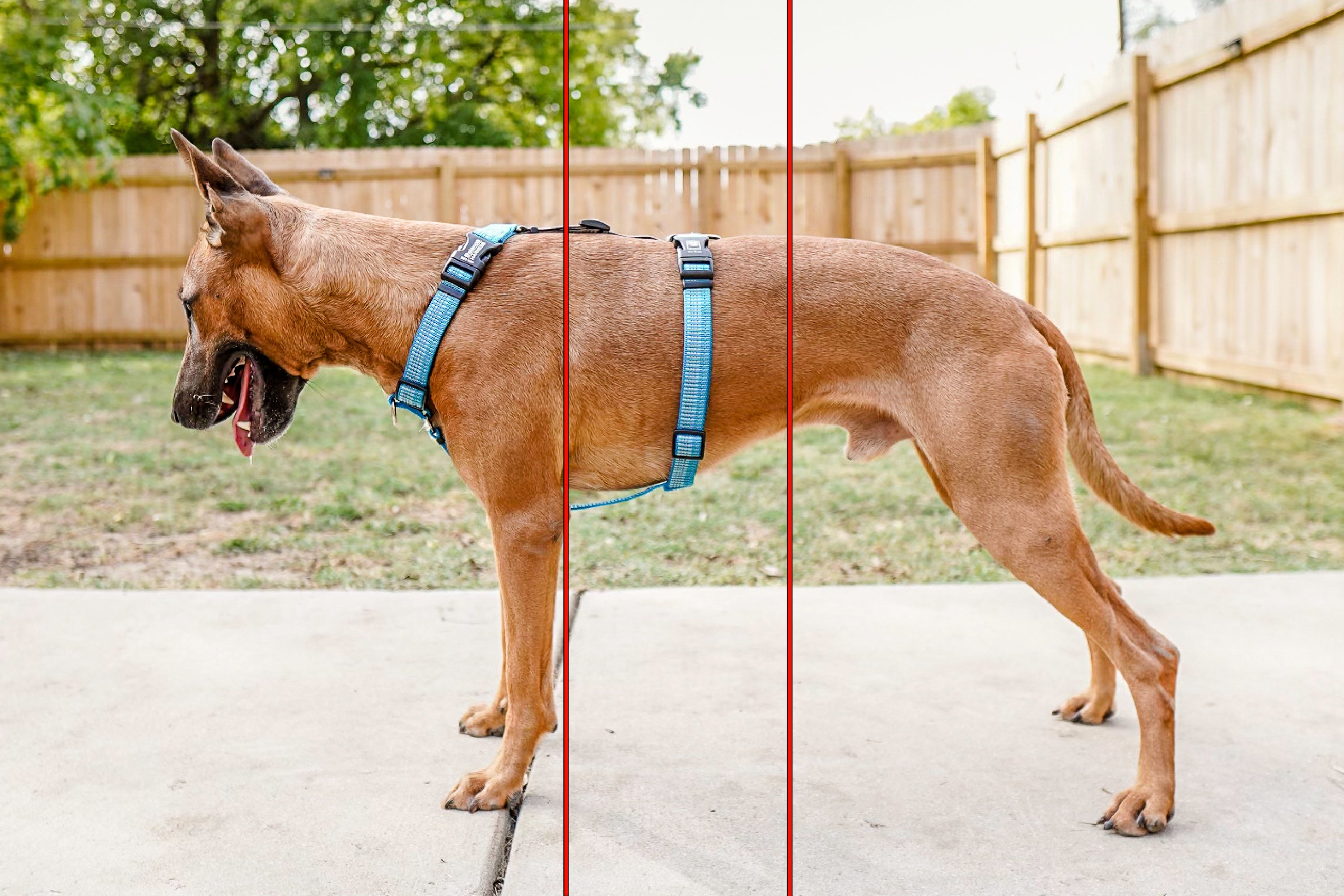
From a safety view, the chest plate should sit on the breastbone. Straps should clear the soft tissue at the throat and armpits. You want freedom to move and no twist under load. That is the core of how to fit dog harness correctly.
Know your harness types
Not all harnesses fit the same. Pick the right style first, then dial in the fit.
- Back-clip harness. Easiest to use. Best for calm walkers.
- Front-clip (no-pull) harness. Helps turn the dog back toward you when they pull.
- Dual-clip harness. Offers control at the chest and back. Great for training.
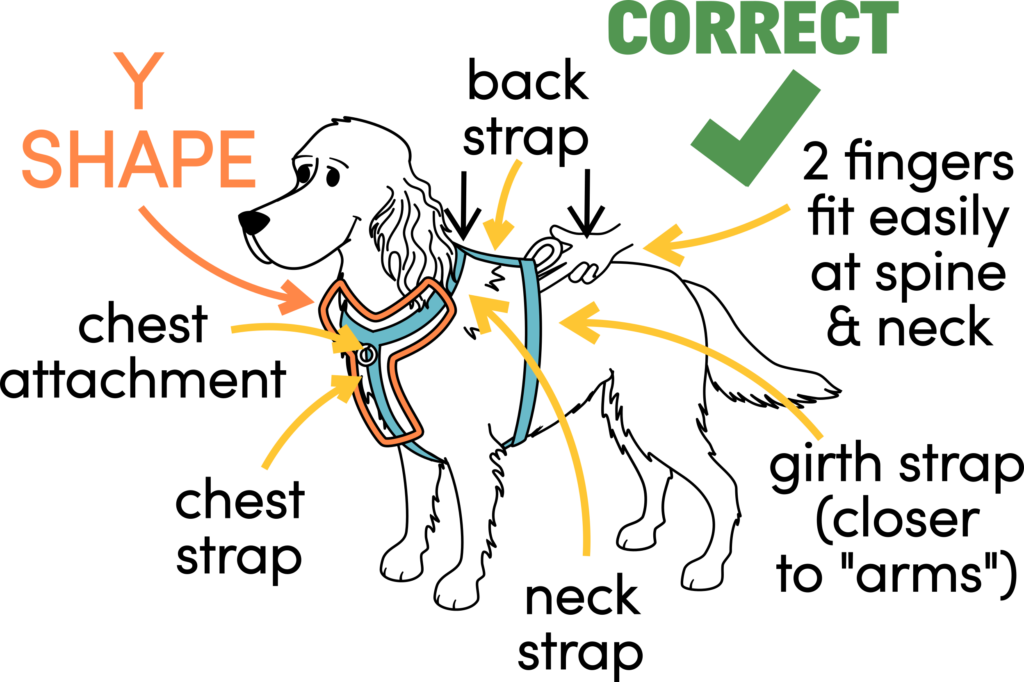
- Y-shaped/Roman harness. Straps form a Y at the chest for free shoulder motion.
- Step-in harness. Good for dogs who dislike gear going over the head.
- Vest or padded harness. Adds comfort for small dogs or sensitive skin.
Tip: If your dog pulls hard, start with a front-clip or dual-clip style, plus training. Gear helps, but training fixes the root cause.
Measure your dog like a pro
Good fit starts before you even try it on. Grab a soft tape and a few treats.
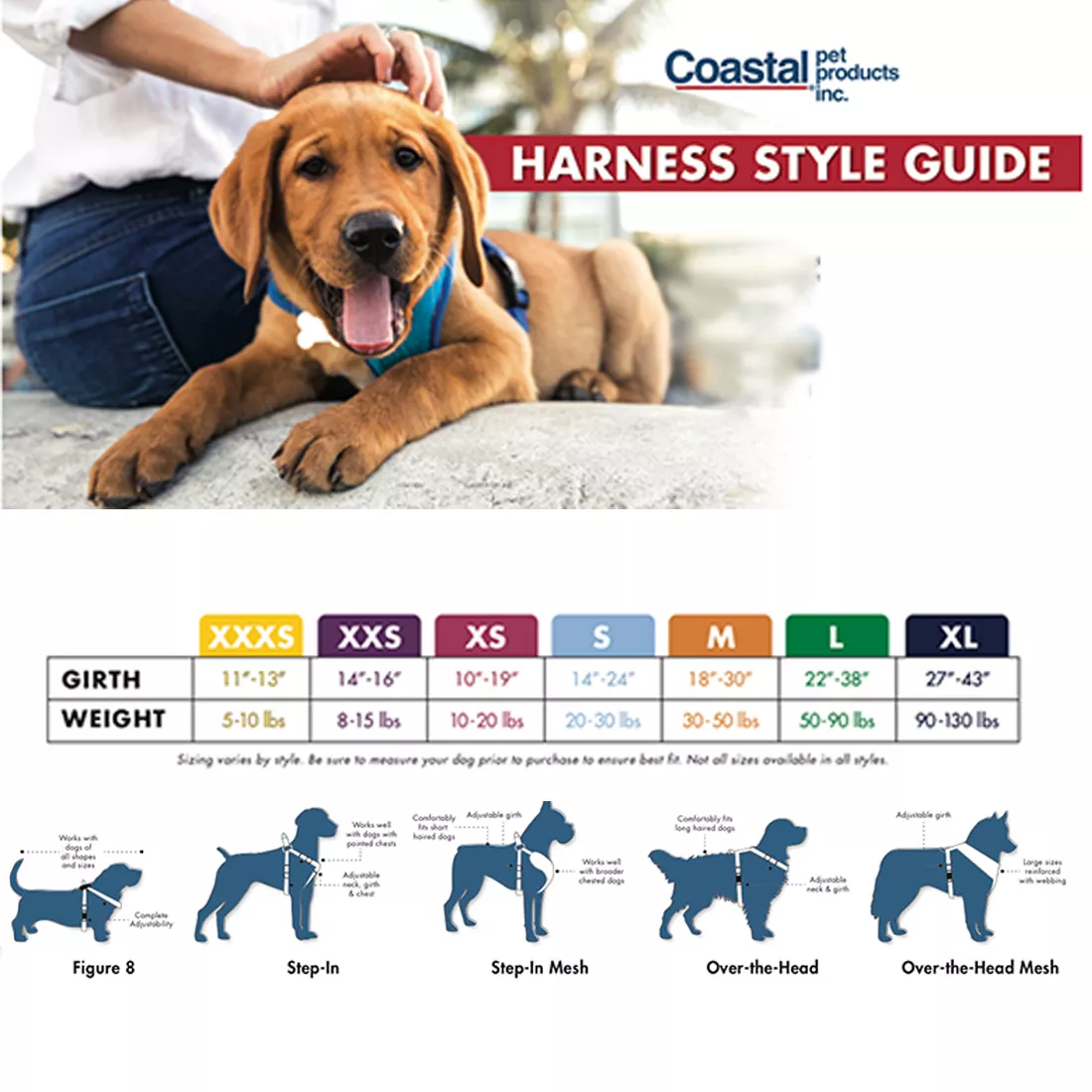
- Girth. Wrap the tape around the widest part of the chest, just behind the front legs.
- Neck base. Measure at the thickest part, where a collar would rest.
- Back length (if the brand lists it). From base of neck to start of tail.
- Weight check. Useful, but never size by weight alone. Always use girth.
Match your numbers to the brand’s size chart. If your dog is between sizes, choose the larger size so you have room to adjust. This step is key in how to fit dog harness correctly.
Step-by-step: how to fit dog harness correctly
Follow this process the first time, then refine. Keep sessions short and upbeat.
- Loosen all straps. Start large so nothing snags fur or startles your dog.
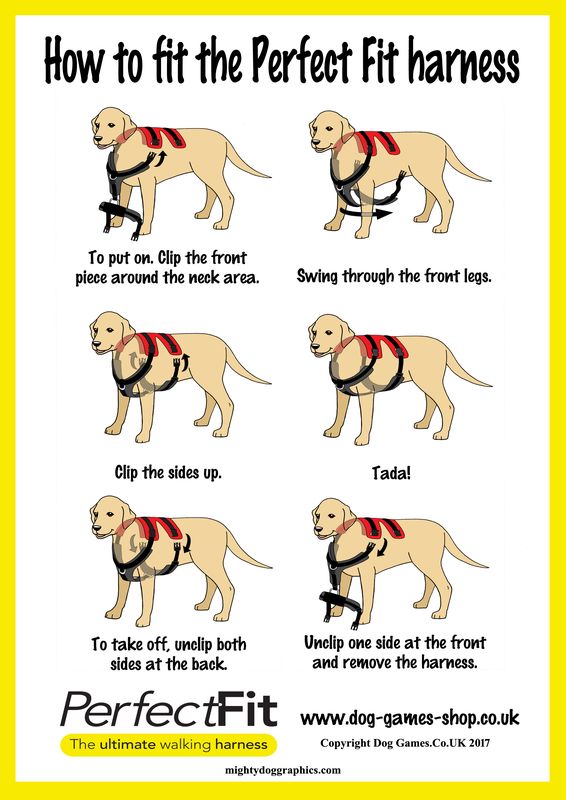
- Place the harness.
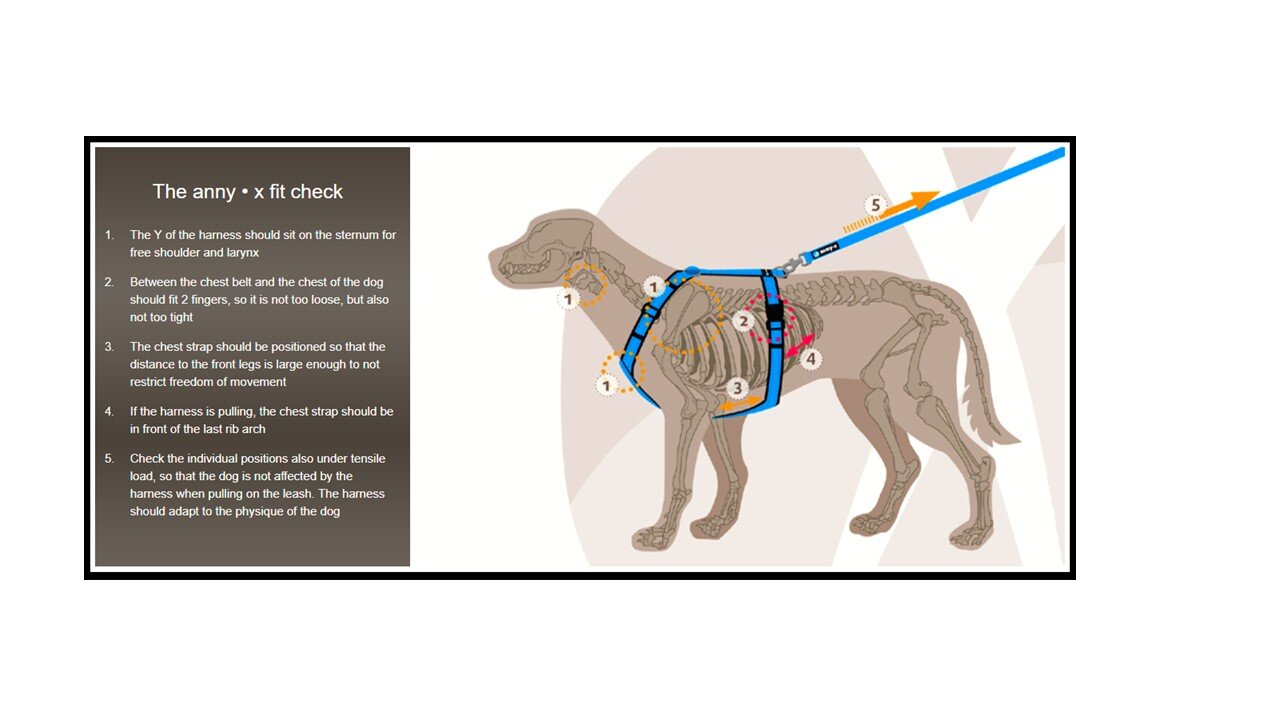
- Y-shaped: The Y sits on the chest, not the throat.
- Step-in: Guide paws through, then clip on the back.
- Over-the-head: Slide the neck loop on, then wrap the belly strap.
- Clip points. Make sure buckles and D-rings sit flat and centered.
- Set the neck strap. Snug it so you can slide two fingers under it. It should not press on the trachea.
- Set the girth strap. Place it one to two finger widths behind the front legs to avoid rubbing.
- Adjust the chest piece. It should rest on the breastbone, not ride up to the throat.
- Center everything. The back ring stays on top, the chest strap stays straight, not twisted.
- Two-finger rule. You should fit two flat fingers under every strap, everywhere.
- Movement test. Cue sit, down, and a few steps. Watch that shoulders move free and straps stay put.
- Walk test. Go 50–100 feet. Check for rubbing, slipping, or twisting. Re-adjust if needed.
Expert check: Lightly tug the leash and see if the harness shifts to one side or creeps toward the neck. If it does, tighten a bit or re-center. This is a core piece of how to fit dog harness correctly.

The pro fit checks that matter
Use these simple rules each time you gear up.
- Shoulder freedom. Straps should not cross over the point of the shoulder.
- Sternum anchor. The front sits on the breastbone, low enough to miss the throat.
- No armpit rub. Keep the girth strap a touch back from the elbow fold.
- Even tension. Straps on both sides should be set the same length.
- Rotation test. Harness should not slide more than a finger width to either side.
- Escape test. Try gentle backward pressure on the leash. It should not slip over the head.
If one check fails, fix it before you head out. This is how to fit dog harness correctly in the real world.

Fit tips by body shape and breed
Different builds need small tweaks.
- Deep-chested (Greyhounds, Whippets). Choose a Y-shaped or sighthound-friendly design. Ensure the front sits low on the sternum.
- Broad-chested (Bulldogs, Pit Bulls). Pick wider straps and a deeper chest plate. Watch for armpit rub.
- Long backs (Dachshunds, Corgis). A short, low-profile harness helps avoid bunching.
- Fluffy coats (Huskies, Poms). Part the fur when checking the two-finger rule. Re-check after grooming.
- Small dogs (Toy breeds). Go for soft edges and light hardware. Heavy gear can shift.
Personal note: I once watched a Husky back out of a loose neck loop in seconds. Since then, I always test backward pressure. It’s a must in how to fit dog harness correctly.
Common mistakes and quick fixes
These errors cause most problems. Here’s how to fix them fast.
- Neck too loose. The harness rides up and hits the throat. Tighten the neck strap and re-seat the chest piece on the sternum.
- Girth too tight. Red marks behind the legs. Loosen one notch and re-check with two fingers.
- Harness rotates. Side straps are uneven. Balance both sides and center the back ring.
- Step-in gap at chest. Add one size or pick a design with a deeper chest plate.
- Pulling worsens. Switch to a front-clip or dual-clip and pair with loose-leash training.
Remember, how to fit dog harness correctly often means tiny changes. Small tweaks make big comfort gains.

Training your dog to love the harness
Even a perfect fit fails if your dog hates the process. Use calm, short sessions.
- Pair the harness with treats before you put it on.
- Let your dog sniff it. Reward curiosity.
- Touch–treat, strap–treat, clip–treat. Keep steps small.
- Watch for stress signs. Yawning, lip licking, or turning away means slow down.
In my experience, two or three micro-sessions a day beats one long struggle. This mindset supports how to fit dog harness correctly without a fight.

Safety checks for different activities
Match the fit to how you plan to use it.
- City walks. Add an ID tag and a secure clip. Front-clip helps with stops and starts.
- Hiking. Check for rub spots after the first mile. Bring a spare buckle or tape.
- Running. Use a low-bounce harness and a waist leash. Re-check fit mid-run if your dog pants hard.
- Car rides. Use a crash-tested restraint, or thread the seatbelt through the harness loop if allowed by the maker.
Always re-check after heavy play or rain. Wet webbing can stretch a bit.
Care, maintenance, and when to replace
Clean gear lasts longer and fits better.
- Wash monthly, or sooner after mud or salt. Hand wash, then air dry.
- Inspect before walks. Look for frayed stitching, stretched webbing, or bent hardware.
- Seasonal refit. Dogs gain or lose coat and weight. Adjust as needed.
- Replace when the webbing thins, stitches pop, or buckles crack.
A quick 30-second check is part of how to fit dog harness correctly and keep it safe long term.
Life-stage adjustments: puppies and seniors
Puppies grow fast. Seniors change shape too.
- Puppies. Re-measure every 2–4 weeks. Consider a harness with long adjusters.
- Seniors. Choose soft padding and easy clips. For weak hind legs, use a support handle.
Keep notes on strap settings. It saves time and prevents guesswork.
Frequently Asked Questions of how to fit dog harness correctly
How do I know the harness is tight enough?
Use the two-finger rule under all straps. If the harness shifts or rides up, tighten one notch and re-check.
Where should the front of the harness sit?
On the breastbone, below the throat. It should not press the windpipe when the leash is tight.
How to fit dog harness correctly on a puppy that’s still growing?
Measure girth often and leave room to adjust. Choose a harness with long sliders, and expect to size up as they grow.
Can a front-clip harness stop pulling?
It helps reduce pulling by changing leverage. It works best with loose-leash training and rewards.
My dog gets rub marks behind the legs. What should I do?
Move the girth strap a bit back, loosen slightly, or switch to wider padding. Check after the next walk for skin changes.
What if my dog can back out of the harness?
Tighten the neck and chest straps evenly and test with gentle backward pressure. If it still slips, try a different design or add a safety collar attachment.
How often should I re-check the fit?
Re-check weekly, and after grooming, weight change, or heavy play. Webbing can shift with use.
Conclusion
A safe, comfy harness fit comes from a few simple rules: measure well, place the chest piece on the sternum, use the two-finger rule, and test movement. That is the heart of how to fit dog harness correctly, and it turns every walk into a win for both of you.
Try the steps on your next walk, make small tweaks, and watch your dog relax into the gear. Want more practical tips like this? Subscribe, share this guide with a friend, or leave a question and I’ll help you dial in the fit.

Pet Care Writer & Researcher
Daniel writes practical guides on daily care, feeding, and safety, turning complex topics into simple, actionable advice.