How To Train Dog To Accept Grooming: Stress-Free Guide
Learn how to train dog to accept grooming with gentle steps, pro tips, and tools. Calm anxious pups, build trust, and make spa days easy at home.
Pair grooming steps with rewards and slow exposure, never forcing progress.
If you want to know how to train dog to accept grooming, you are in the right place. I’ve helped hundreds of dogs go from scared and squirmy to calm and cooperative. In this friendly, research-backed guide, I’ll show you how to build trust, read stress signs, and use easy steps that work in real homes.

Why Grooming Matters More Than You Think
Grooming is not only about looks. It is basic care. Clean skin, trimmed nails, and healthy ears prevent pain and vet bills.
Dogs learn about grooming the same way they learn about the vet. If the early memory is stress, fear grows. If the early memory is calm, trust grows.
Studies in behavior show this pattern. Small, safe steps with rewards change how a dog feels. That is the core of how to train dog to accept grooming. It is not force. It is trust.

Read Your Dog: Body Language First
Before you touch a brush, learn your dog’s signals. Your dog is talking with the whole body.
Watch for early stress signs:
- Lip licking, yawning, or looking away
- Ears back, tail low, tense mouth
- Paw lift, freeze, or slow motion
- Whale eye or moving the head from your hand
If you see these, take a step back. Make it easier. This is a key rule in how to train dog to accept grooming. Calm comes before progress.
I once worked with a shy rescue named Milo. He froze when I lifted his paw. We lowered the ask. I touched his shoulder, fed a treat, and lifted nothing. A week later, he let me hold a paw for two seconds. Small wins stack fast.
The Plan: Desensitization and Counterconditioning
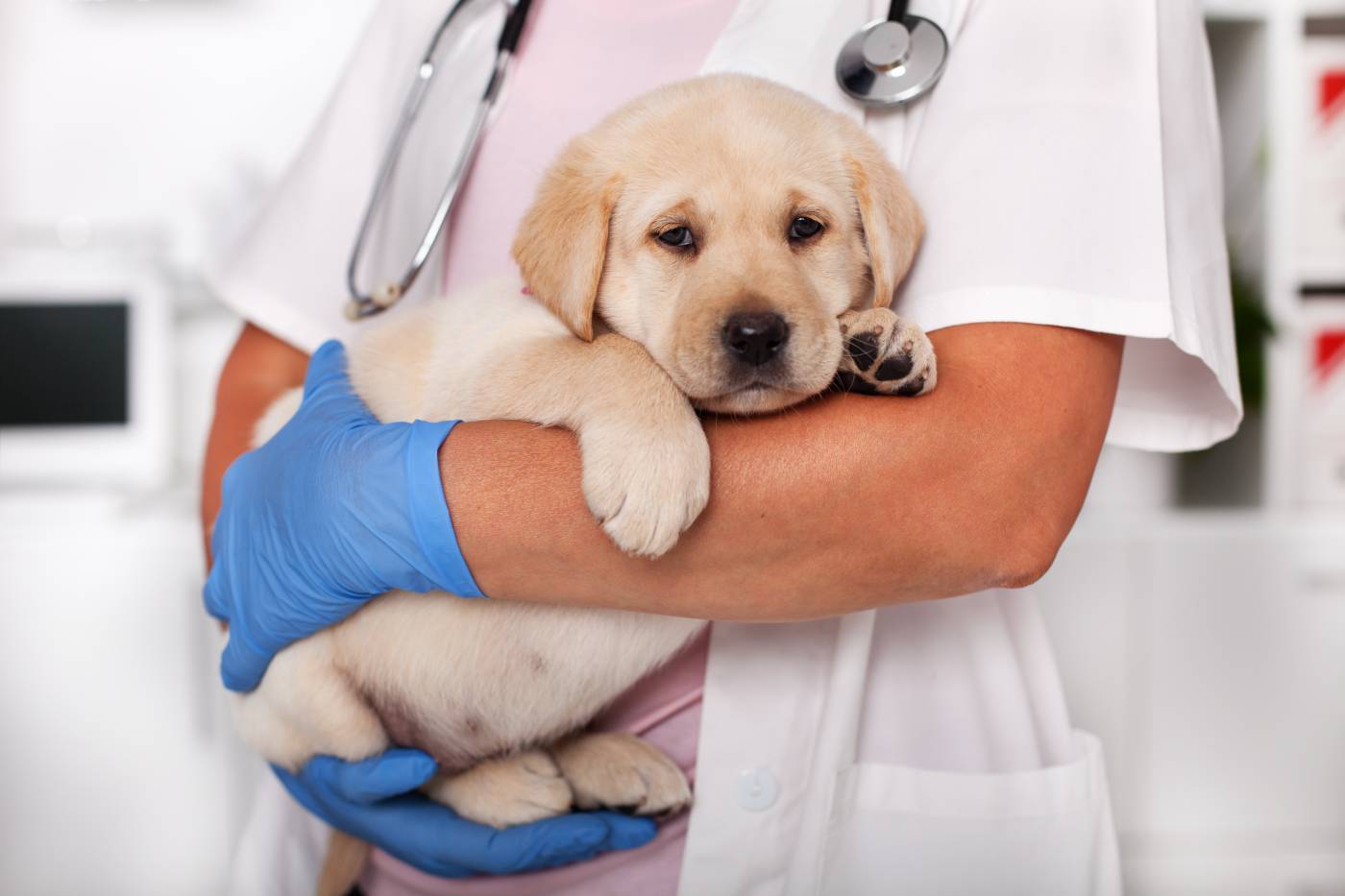
This is the science part, made simple. Desensitization means you go slow. Counterconditioning means you pair each step with something your dog loves.
Follow this plan:
- Choose a high-value reward. Soft treats, cheese, or a lick mat.
- Break the task into tiny steps. The smaller the step, the faster the success.
- Start below your dog’s stress point. Stop before stress shows.
- Pair every touch or sound with a reward. Touch-treat. Sound-treat. Pause.
- End each session while it is still easy. Keep sessions short, two to five minutes.
Use this plan as the backbone of how to train dog to accept grooming. You are changing feelings first. Skills follow.

Set the Stage: Tools, Space, and Safety
A good set-up makes training simple. Think comfort, control, and safety.
Pick the right tools:
- Soft slicker brush or pin brush for your coat type
- Comb with wide and fine teeth
- Emery board or nail grinder, dog nail clippers, and styptic powder
- Dog-safe shampoo and conditioner
- Cotton squares or pads for ears, and dog ear cleaner
- Dog toothbrush and paste
Shape the space:
- Use a non-slip mat on a table or floor
- Keep a lick mat within reach
- Have treats pre-cut and ready
- Use calm music or white noise if that helps your dog
Use easy handling:
- Support the body. Do not pin the dog down.
- Touch-then-treat. Count one, two, off. Repeat.
- If your dog pulls back, let go. Reset, and go easier.
This simple set-up is a core part of how to train dog to accept grooming at home.
Step-by-Step: Brushing, Nails, Bath, Ears, and Teeth
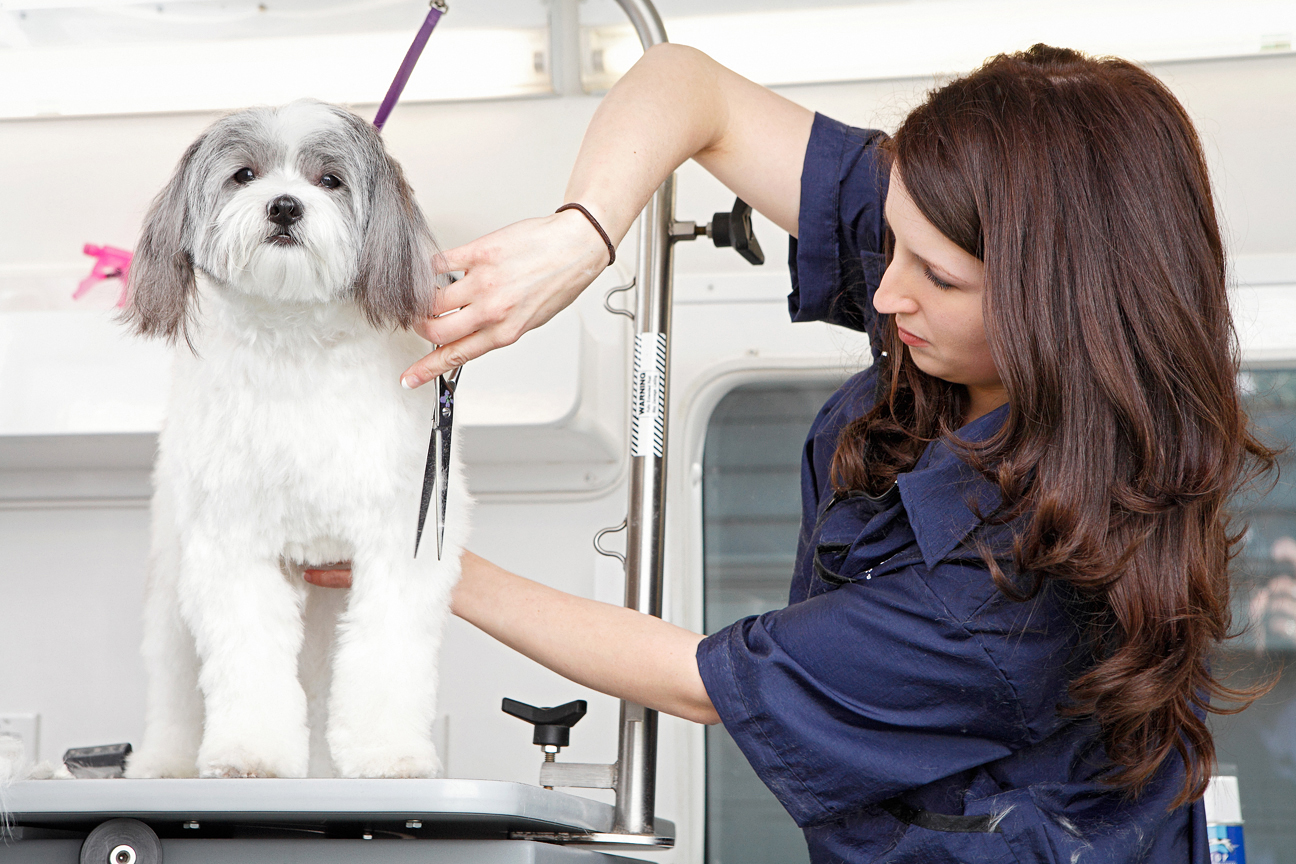
Use the same method for each task. Go slow. Pair with rewards. Track progress.
Brushing:
- Show the brush. Treat. Brush one stroke. Treat.
- Add one stroke per session. Do not chase mats.
- If you hit a tangle, hold hair above the skin and work the tip of the mat first.
Nails:
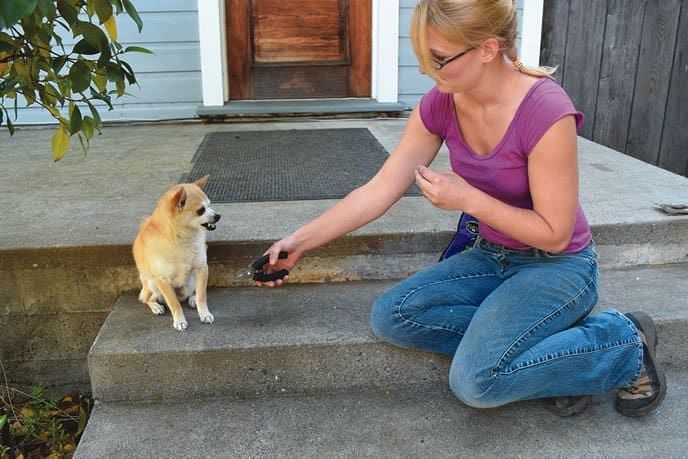
- Show clippers or grinder. Treat.
- Touch paw. Treat. Hold paw. Treat.
- Tap a nail with the tool. Treat. Then file or clip one nail only. Stop there.
- Train one nail per day at first. Build to two, then four.
Bath:
- Warm room. Non-slip mat in tub.
- Run water for sound practice. Treat for calm.
- Wet paws only. Treat. Stop.
- Add more water next time. Use slow pour, not a blast.
- Shampoo dilute. Rinse well. Towel dry with light pressure.
Ears:
- Touch ear flap. Treat.
- Lift flap for one second. Treat.
- Place cleaner on a pad, not deep in the ear. Wipe the outer ear only unless your vet says more.
Teeth:
- Rub a finger on the cheek. Treat.
- Finger with dog paste. Treat.
- Short brush on front teeth. Treat. Add more teeth over days.
Repeat this pattern, and you will master how to train dog to accept grooming across every task.
Timing, Rewards, and Routines That Stick
Good timing matters. The reward should follow the touch right away.
Make it a habit:
- Train after a walk when your dog is calm
- Keep sessions short and light
- Use a marker word like yes to link touch to treat
Pick rewards your dog values:
- Tiny soft treats for fast delivery
- Lick mats for longer holds
- Play breaks for fun dogs
A steady routine is one of the strongest parts of how to train dog to accept grooming. Dogs love patterns. Use that power.

Troubleshooting and Common Mistakes
If your dog shuts down or gets jumpy, the step is too hard. Go back two steps and rebuild.
Avoid these mistakes:
- Skipping warm-up and jumping to full clips
- Holding the dog tight so they feel trapped
- Rushing a scared puppy at a busy salon
- Clipping fast without seeing the quick
- Using harsh tools on a sensitive coat
If the quick bleeds, use styptic powder. End the session on a calm note. The goal in how to train dog to accept grooming is trust, not speed.
Special Cases: Puppies, Seniors, and Sensitive Dogs
Puppies need short, happy reps. Let them lick a mat while you touch ears and paws. Make it a game.
Seniors may need more breaks and soft tools. Arthritis hurts. Support joints and keep sessions even shorter.
Noise-sensitive dogs often do better with a nail grinder introduced over many days. Start with the grinder off, then on across the room, then near the paw, then a quick touch.
Tailor each plan. That is real-world how to train dog to accept grooming.
When to Call a Pro
If your dog snaps, growls, or shows strong fear, get help. A credentialed trainer or behaviorist can guide you. Vets can rule out pain, skin issues, or ear infections.
Some dogs need meds for grooming care. This is humane and smart. With a team, how to train dog to accept grooming becomes safer and faster.
Building Your Week-by-Week Plan
Create a simple log. Track steps, time, and mood. Small notes beat guesswork.
Try this sample plan:
- Week 1: Tools show-and-treat, touch paws, one brush stroke a day
- Week 2: Two to three brush strokes, one nail filed, ear flap touch
- Week 3: Four brush strokes, two nails, short bath warm-up
- Week 4: Full brushing by area, four nails a week, full rinse
Adjust as needed. Your log will guide how to train dog to accept grooming at the right pace.
Advanced Tips From the Grooming Table
These little tweaks help a lot:
- Place a silicone mat on the counter to boost grip and calm
- Use a soft towel wrap to dry without struggle
- Hold hair above the skin to protect it while de-matting
- Pair the bath drain sound with a treat each time
- Use a treat scatter on the floor to reset focus
I learned these while handling nervous dogs in busy shops. Each tip smooths the path for how to train dog to accept grooming without fights or fear.
Frequently Asked Questions
How long does it take to train a dog to like grooming?
Most dogs improve in two to four weeks with daily short sessions. Fearful dogs can take longer, but steady steps work.
What treats work best for grooming training?
Use soft, pea-sized treats your dog loves. Lick mats or squeeze cheese help during longer holds.
Should I use a nail grinder or clippers?
Grinders are safer for many people and reduce quick cuts. Clippers are faster but need good aim and bright light.
How do I help a dog who hates baths?
Break the bath into tiny steps and pair each with rewards. Start with water sounds, then wet paws, and build over days.
Can I train an older dog to accept grooming?
Yes. Seniors learn with slow, gentle steps and extra comfort. Rule out pain first with your vet.
Conclusion
Training a dog to accept grooming is simple in idea and rich in care. Go slow, pair each step with rewards, and read your dog’s body. With this plan, you will turn fear into trust and stress into a calm ritual.
Start today with one touch-and-treat rep. Log your progress, celebrate small wins, and keep sessions short. If you found this helpful, share it with a friend, subscribe for more guides, or leave a question so I can help you next.

Pet Care Writer & Researcher
Daniel writes practical guides on daily care, feeding, and safety, turning complex topics into simple, actionable advice.