How To Teach Dog Not To Bite: Gentle Training Guide
Stop nips fast with positive methods. Learn how to teach dog not to bite, curb mouthing, and build calm manners at home. Vet-approved tips for every age.
Use rewards, clear rules, and calm practice to stop biting fast.
If you want to know how to teach dog not to bite, you are in the right place. I’ve helped hundreds of families turn rough mouths into soft, polite pups. This guide shows how to teach dog not to bite with simple steps you can use today. We will blend research, trainer tips, and real-life wins, so you feel ready and safe.

Why Dogs Bite: Understanding the Root Cause
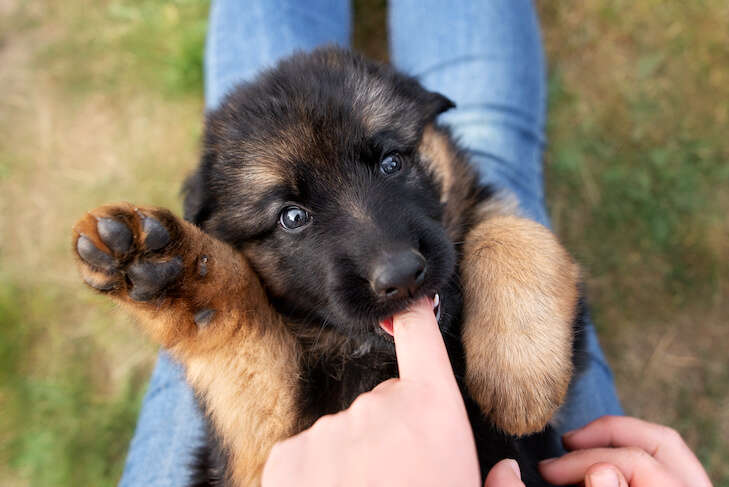
Dogs bite for a reason. It may be play, fear, pain, or stress. When you know the cause, you can fix the habit. That is the key to how to teach dog not to bite.
Common triggers include:
- Teething discomfort in puppies that need to chew to soothe gums.
- Play that gets too rough or too fast, often from high arousal.
- Fear or stress when a dog feels trapped, startled, or cornered.
- Pain from injury, ear infections, dental issues, or arthritis.
- Resource guarding of food, toys, space, or people.
Veterinary behavior groups note that punishment can make fear and biting worse. That is why reward-based plans work better and faster. They are also safer for you and your dog.
:strip_icc()/dog-bite-prevention-1117453-FINAL-d2d6e8c12f164292aabbeadc7765deb2.png)
Safety First: What To Do Right Now If Your Dog Bites or Mouths
Stay calm and still for a brief moment. Do not yank your hand away, as fast motion can trigger more bites. Gently move out of reach and reset the scene.
Use these steps:
- Trade up with a toy or chew to redirect the mouth.
- Pause play the moment teeth touch skin, then restart when calm.
- Manage the space with baby gates, leashes, or pens during training.
- Avoid yelling, hitting, or alpha rolls. These raise fear and risk.
- Book a vet check if biting starts suddenly. Pain can be the cause.
This is the safe start for how to teach dog not to bite. It protects you while your dog learns a better habit.
Foundation Training: Teaching Bite Inhibition
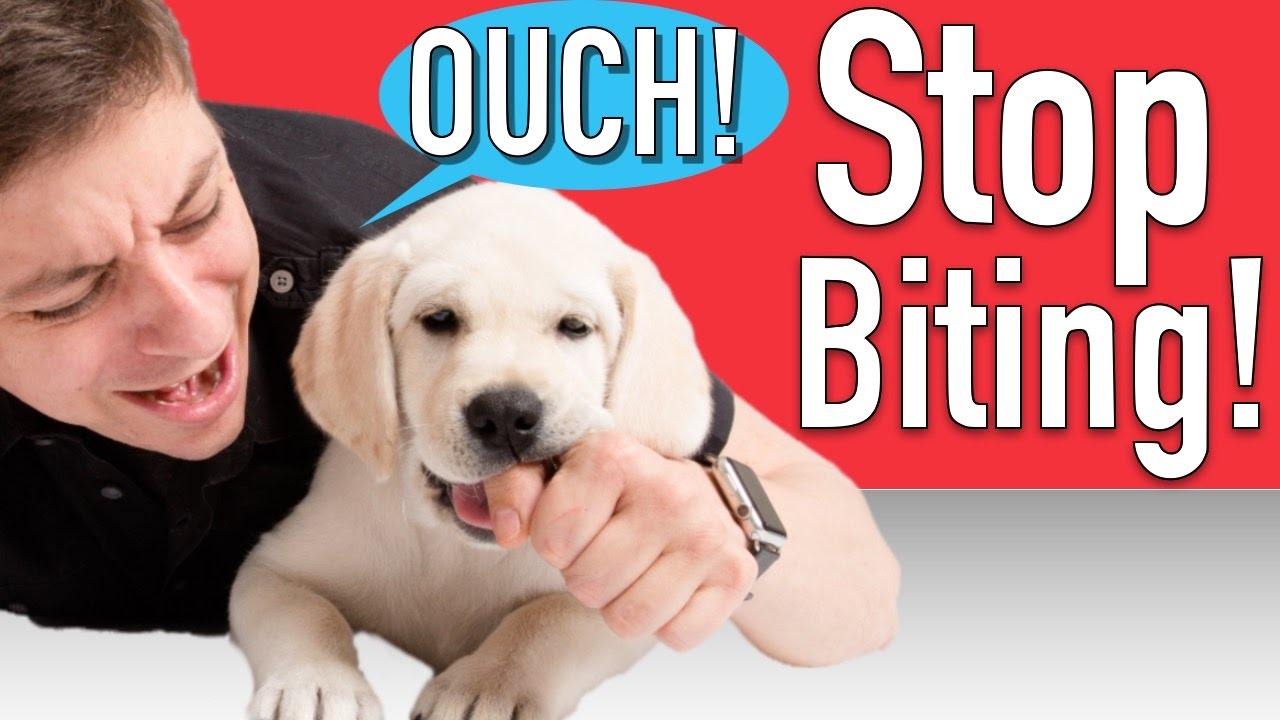
Puppies learn bite control in play. Littermates yelp and pause. You can teach this at home with clear, calm feedback. This is a core skill in how to teach dog not to bite.
Try this with puppies:
- When teeth touch skin, mark it with a neutral “Whoops,” then pause play for 3 to 5 seconds.
- Offer a toy and praise when your pup mouths the toy instead.
- Repeat short sessions. Many small reps beat one long drill.
For teens and adults:
- Teach take it, drop, and leave it with treats and toys.
- Reinforce soft mouth on toys. If pressure rises, pause, then try again.
- Give daily chew outlets. Use rubber chews, stuffed Kongs, or long-lasting options.
ASVAB and AVMA back reward-based work. Studies show force can raise stress and risk of more biting. Kind, clear steps build trust and control.

Step-by-Step Plan: How to Teach Dog Not to Bite
Follow this simple plan. It fits busy life. It also works for most ages and breeds.
-
Define the goal
You want zero teeth on skin and a soft mouth on toys. Write that down. A clear goal helps you track wins. -
Set up the space
Use a leash indoors at first. Add gates and a pen. This makes choices simple and safe. -
Give the right chews
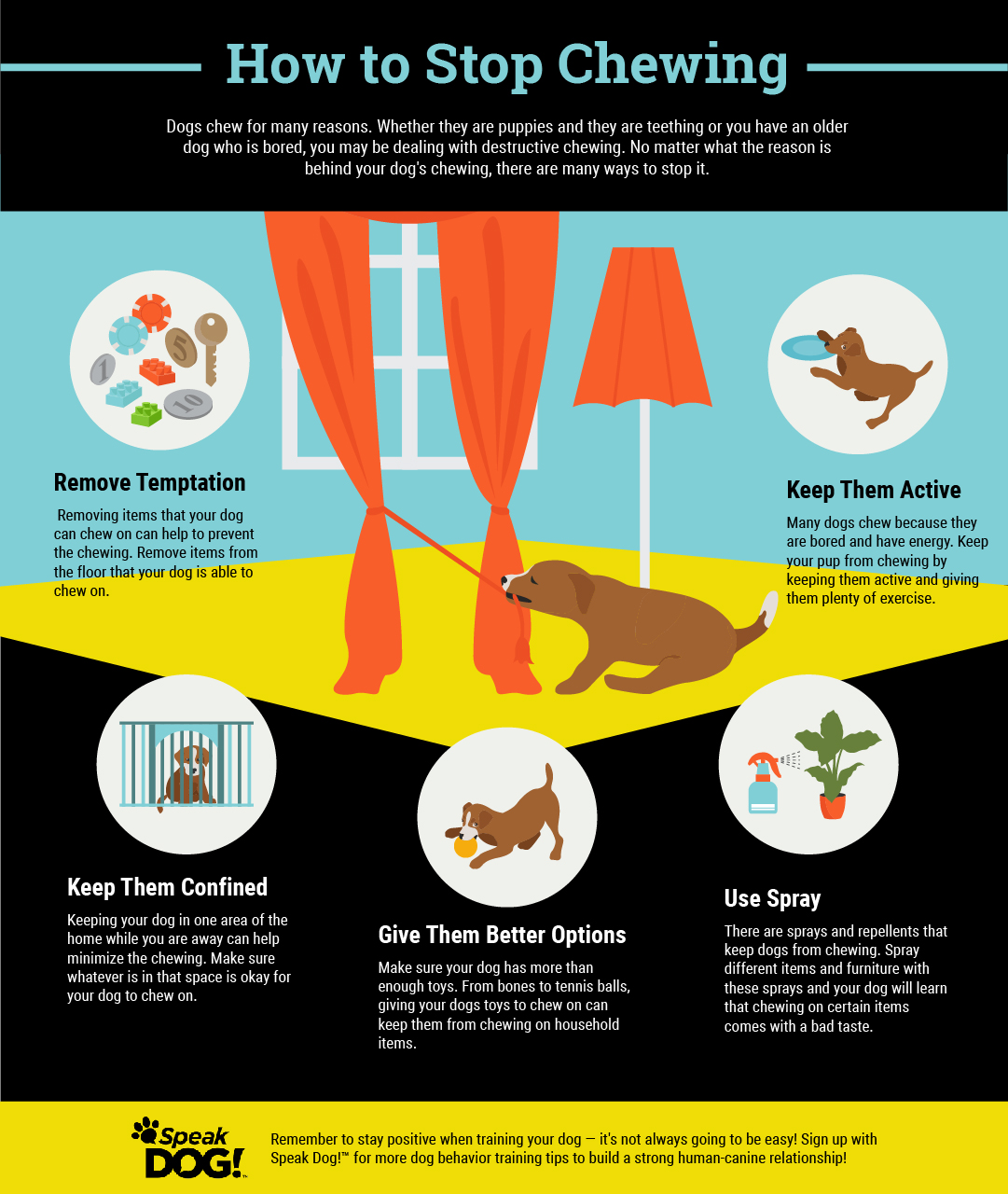
Give two to three safe chews daily. Chewing lowers stress and fills the need to bite. -
Reward calm hands-off play
Praise and treat when your dog keeps teeth off skin. Catch good moments often. -
Teach take it and drop
Start with low-value toys. Reward fast drops with better treats. Build calm control. -
Redirect fast
If teeth touch skin, pause play, then hand a toy. Mark and reward when the toy gets the bite. -
Use short timeouts
If biting repeats, end play for 20 to 30 seconds. Then try again. Keep it boring and brief. -
Socialize with structure
Meet safe people and dogs at a calm pace. Pair new sights and sounds with food. This cuts fear bites. -
Practice daily micro-sessions
Train two to five minutes, three times a day. Many short wins beat one long drill. -
Log progress
Track bites, triggers, and wins. Adjust plans weekly. This is how to teach dog not to bite with focus.
I used this plan with a young herding mix who mouthed hard in play. Within two weeks, the dog learned to grab a tug toy on cue. Within a month, family play had zero skin contact. That is the power of practice and timing.
Socialization Done Right
Good social time teaches dogs to stay calm and cope. That lowers fear and stops many bites before they start. It is a key part of how to teach dog not to bite.
Do this:
- Pair new people, places, and sounds with small treats.
- Keep space from things that worry your dog. Let them look, then reward calm.
- Skip dog parks at first. Choose trusted friend dogs or structured classes.
- For puppies, the window is strong before 16 weeks. Still, adults can learn with patience.
Behavior groups agree: early, kind social work helps reduce bite risk. Go slow. Let your dog choose to engage. If they turn away, give them space.
Management and Enrichment to Reduce Biting
A tired mind bites less. A busy mouth chews the right things. Set your dog up to win. This supports how to teach dog not to bite in daily life.
Try these ideas:
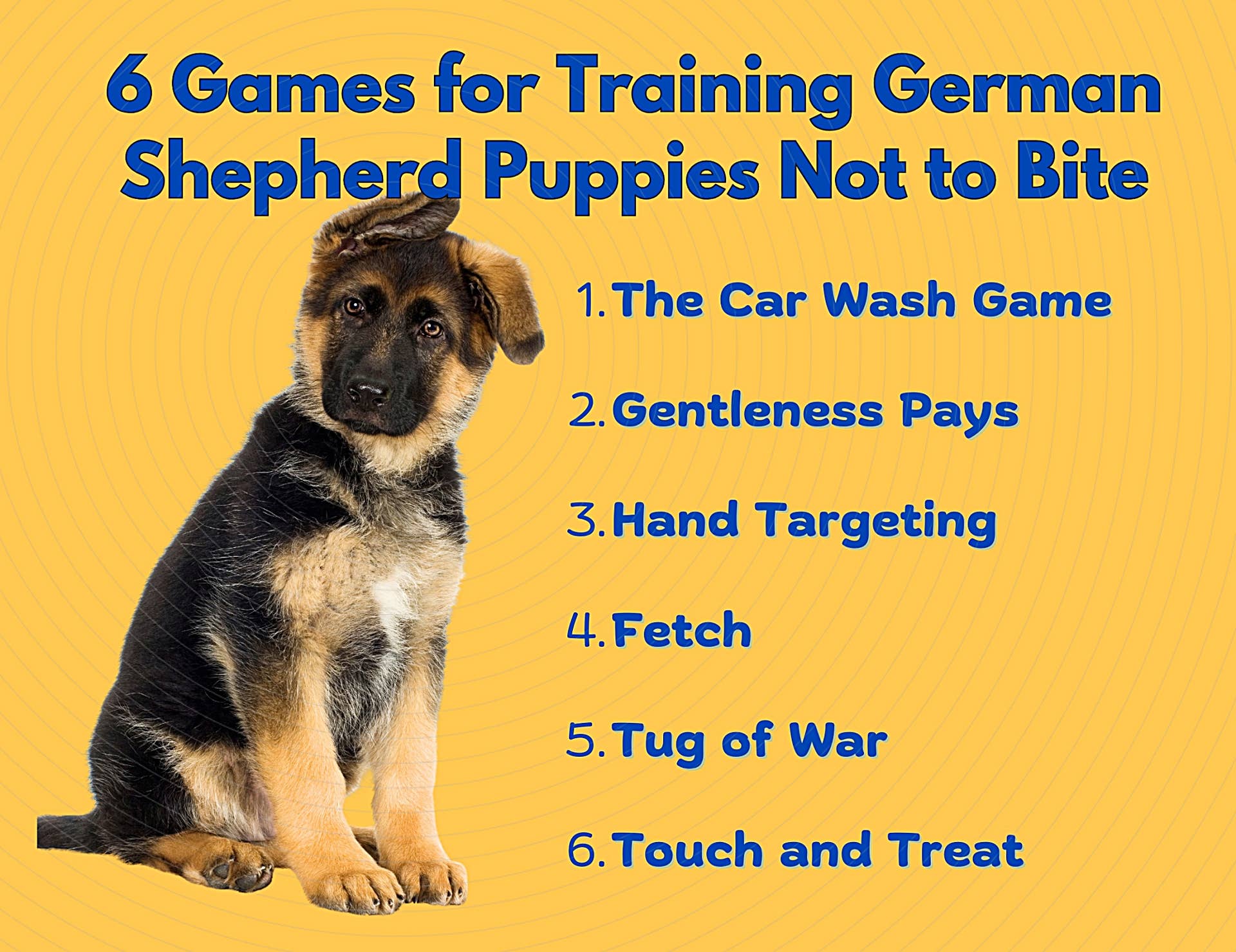
- Food puzzles, snuffle mats, and scatter feeding for brain work.
- Two to three short training games each day.
- Tug with rules: start and stop on cue, use a toy, and keep it brief.
- Avoid wrestle games with bare hands. Teach fetch or tug instead.
- Add rest. Many dogs bite more when over-tired.
When you fill the right needs, the wrong habits fade. Calm dogs make better choices.
Tools and Techniques: What Works and What to Avoid
Choose tools that build skill, not fear. You want your dog to think and trust you. This is central to how to teach dog not to bite.
What works:
- Clicker or a marker word to mark soft mouth and good choices.
- Long line for control outdoors without harsh corrections.
- Basket muzzle, conditioned with treats, for safety in edge cases.
What to avoid:
- Prong, choke, or shock collars for biting. These can raise fear and pain.
- Alpha rolls, scruffing, or holding the mouth shut. They risk more bites.
- Rough scolding. It adds stress and shuts down learning.
Veterinary and behavior bodies warn that force can cause rebound aggression. Reward-based plans lead to better long-term results.
Troubleshooting and When to Seek Help
Some cases need pro help. That is smart, not a failure. Knowing your limits is part of how to teach dog not to bite.
Red flags include:
- Bites that break skin.
- Growls, freezes, or hard stares around food, space, or touch.
- Sudden biting in an adult dog without clear cause.
Call your vet to rule out pain. Then work with a certified trainer or behavior pro. Look for credentials like IAABC or CCPDT. Ask about reward-based methods and written plans. If needed, discuss muzzles for safety while you train.
Tracking Progress and Building Good Habits
Measure what matters. That keeps you honest and hopeful. It is the secret sauce in how to teach dog not to bite for the long term.
Use a simple log:
- Note date, time, trigger, and what you did.
- Mark wins: calm play, soft mouth, fast drops.
- Set weekly goals. For example, three calm play sessions with zero skin contact.
As gains appear, keep rewards flowing. Then fade them slow. Switch to life rewards like play, walks, or a favorite game.
Frequently Asked Questions of how to teach dog not to bite
How long does it take to teach a dog not to bite?
Most families see progress in 1 to 2 weeks with daily work. Solid habits can take 1 to 3 months.
Should I let my puppy bite my hands while playing?
No. Redirect to a toy right away and reward that choice. This keeps hands safe and sets a clear rule.
Is it okay to punish a dog for biting?
No. Punishment can raise fear and lead to worse bites later. Use calm pauses, management, and rewards for better choices.
What is the best chew to reduce biting?
Use vet-safe rubber toys, food-stuffed Kongs, or long-lasting chews that fit your dog’s size. Rotate often to keep it fun.
Can adult dogs learn bite inhibition?
Yes. Adults can learn soft mouth with clear feedback and rewards. It may take longer than puppies, but it works.
How do I teach kids to be safe around a dog?
Teach them to be a tree: stand still, hands in, and look away. No hugging, no teasing, and always ask an adult first.
Conclusion
You now have a clear, kind plan for how to teach dog not to bite. You know the causes, the safety steps, and the daily habits that work. With calm practice and smart management, your dog can learn a soft mouth and feel safe.
Start today. Pick one step, like toy redirection, and do three short sessions. Track your wins, adjust each week, and keep it kind. Want more support? Subscribe for fresh training plans, or drop a comment with your dog’s age and main trigger so I can help you tailor the next steps.

Pet Care Writer & Researcher
Daniel writes practical guides on daily care, feeding, and safety, turning complex topics into simple, actionable advice.