How To Use Treats Without Overfeeding Dog: Trainer Tips
Learn how to use treats without overfeeding dog with portion hacks, low-cal options, and training tactics that keep pups fit and motivated. Click for more.
Use tiny, low-cal treats, count calories, and swap food for rewards.
You want a happy, well-trained dog without the extra pounds. I get it. In this guide on how to use treats without overfeeding dog, I’ll share proven steps I use with clients every week. You’ll learn simple math, smart treat choices, and training tricks that keep calories low and results high. Let’s make better habits that last for life.
Why treat calories add up fast
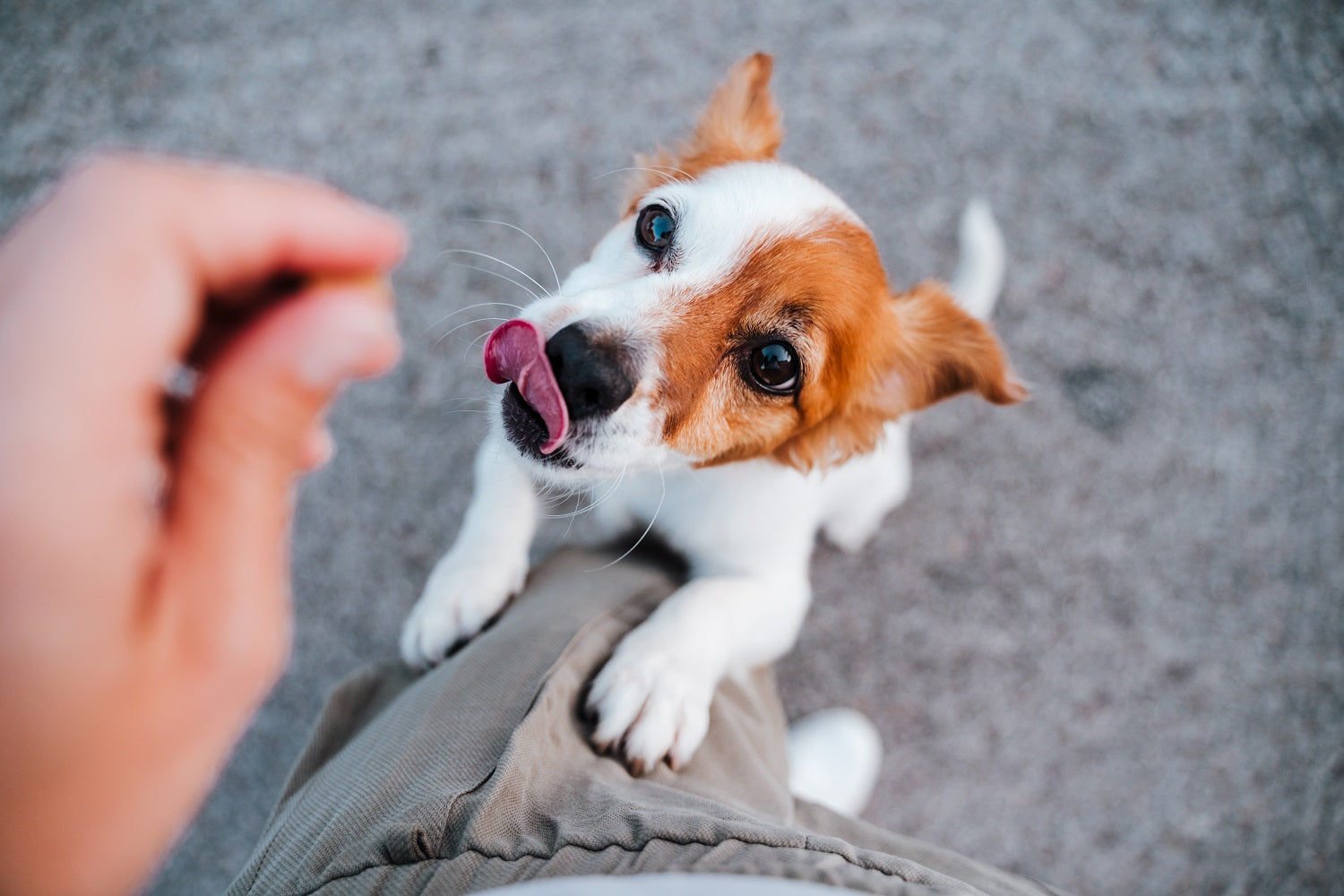
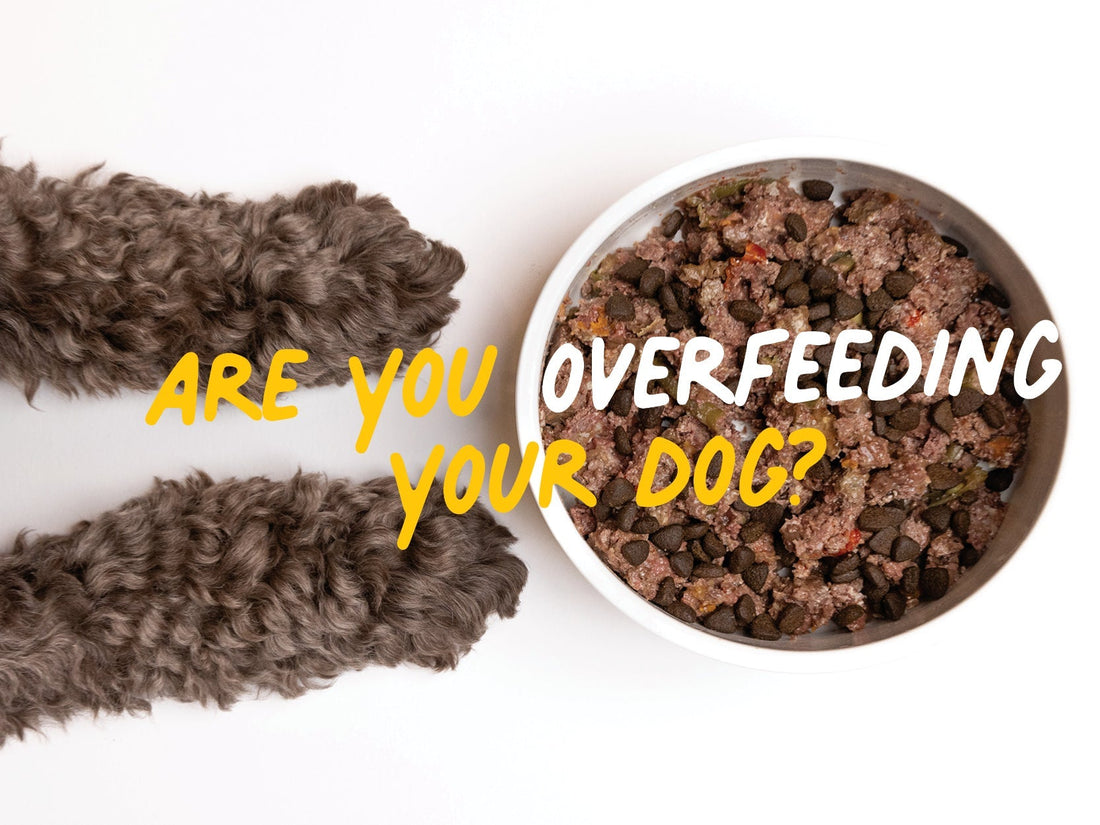
Treats seem small. But calories add up. Most vets use a simple rule: treats should be 10% or less of daily calories. That keeps weight steady and guts happy.
Here’s a quick check. A 20-pound dog often needs about 500–600 calories a day. The treat budget is 50–60 calories. A few big biscuits can blow that in minutes. One large biscuit can be 70–100 calories. That is the whole treat budget.
This is the base of how to use treats without overfeeding dog. Know the limit. Then work inside it.
Tips to spot calorie traps:
- Break big treats into pea-size bits.
- Pick treats that list calories per piece.
- Aim for 1–3 calories per treat for training.
- Avoid “bakery” snacks and high-fat chews for daily use.

Set a daily treat budget and stick to it
A budget keeps you honest. It also makes training clear. This is the backbone of how to use treats without overfeeding dog.
Do this each morning:
- Find your dog’s daily calories. Use your vet’s advice.
- Set treats at 10% or less of that total.
- Put that many calories worth of treats in a pouch.
- When the pouch is empty, you switch to toys or praise.
Simple math examples:
- 10-pound dog, 300 calories/day → 30 treat calories.
- 30-pound dog, 900 calories/day → 90 treat calories.
Pro move I teach clients:
- Use a clip-on cup. Pre-portion the day’s treats by calories, not by guesswork.

Choose smarter treats: types, size, and labels
Good treats work harder with fewer calories. This is key for how to use treats without overfeeding dog.
Smart picks I use in sessions:
- Freeze-dried single-ingredient meats. Many are 2–4 calories each. Cut small.
- Soft training treats. They split clean. Aim for 1–3 calories a piece.
- Your dog’s kibble. Great for low-distraction work.
- Crunchy add-ins. Try carrot coins, green beans, cucumber, or apple slices.
- Lickable options. A pea-size smear of xylitol-free peanut butter or canned food on a spoon.
How to read labels fast:
- Check calories per treat, not per serving.
- Look for real protein first on the list.
- Avoid sugar, corn syrup, and heavy fillers.
Make training efficient: timing and reward strategy
You do not need huge treats to get great results. You need good timing and a smart plan. This is where how to use treats without overfeeding dog becomes simple.
Use these steps:
- Pay fast for the first correct tries. Then space out rewards.
- Mix values. Use kibble for easy reps. Use high-value bites for hard reps.
- Keep treats tiny. Think pea-size. The reward is the moment, not the meal.
- Use “life rewards.” Open doors, toss a ball, or release to sniff as a treat.
- Save jackpots for big wins. Still keep the total small. A jackpot is 3–5 tiny bites, not a whole bar.
Trainer tip:
- In a 10-minute session, I may give 40–60 pea-size treats. At 2 calories each, that is 80–120 calories. I offset by using part of the dog’s meal and low-cal bits.
Use meals as treats: food swapping and enrichment
This is my favorite way to master how to use treats without overfeeding dog. Trade, do not add.
Simple swaps:
- Measure breakfast. Move half into a training pouch. Use it for cues and manners.
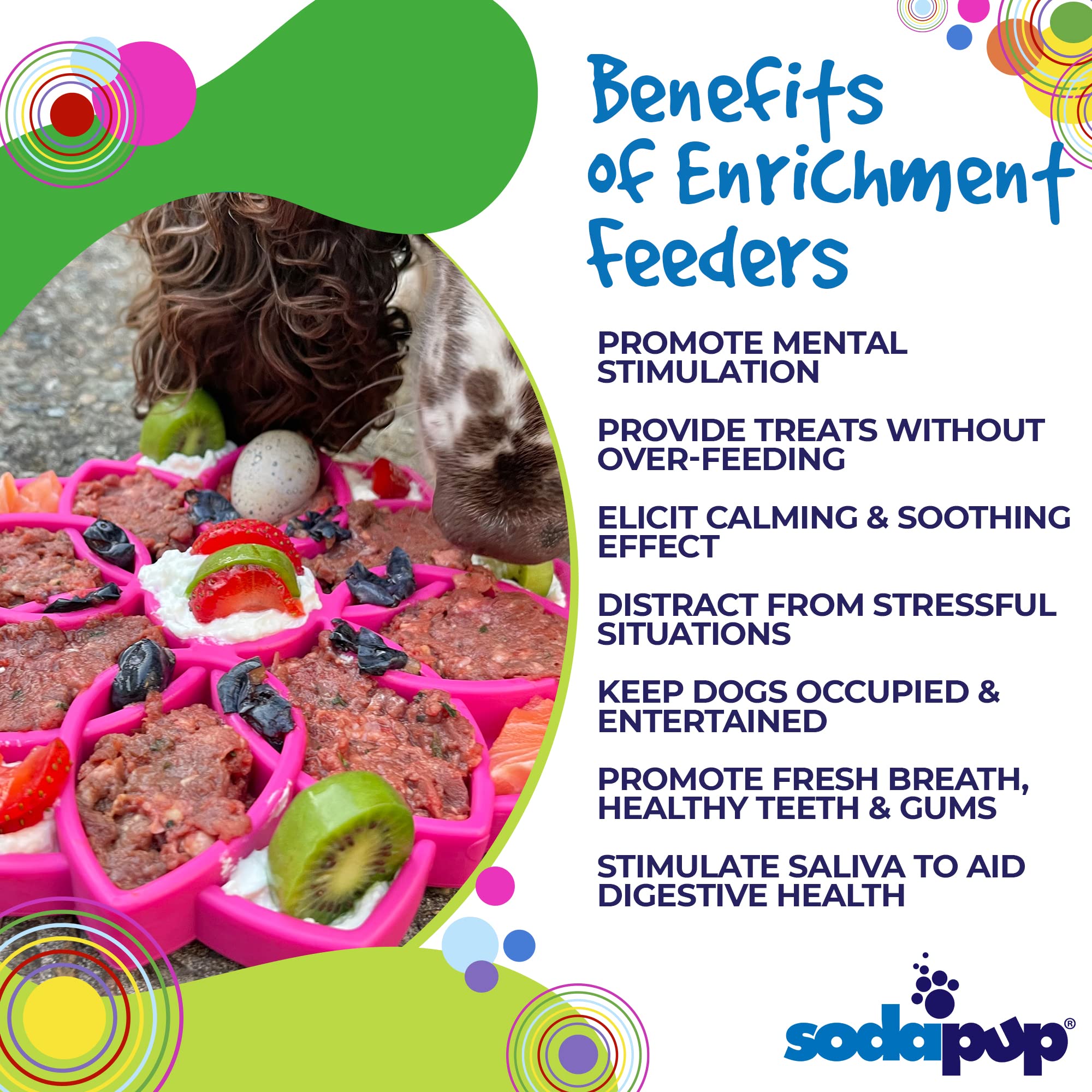
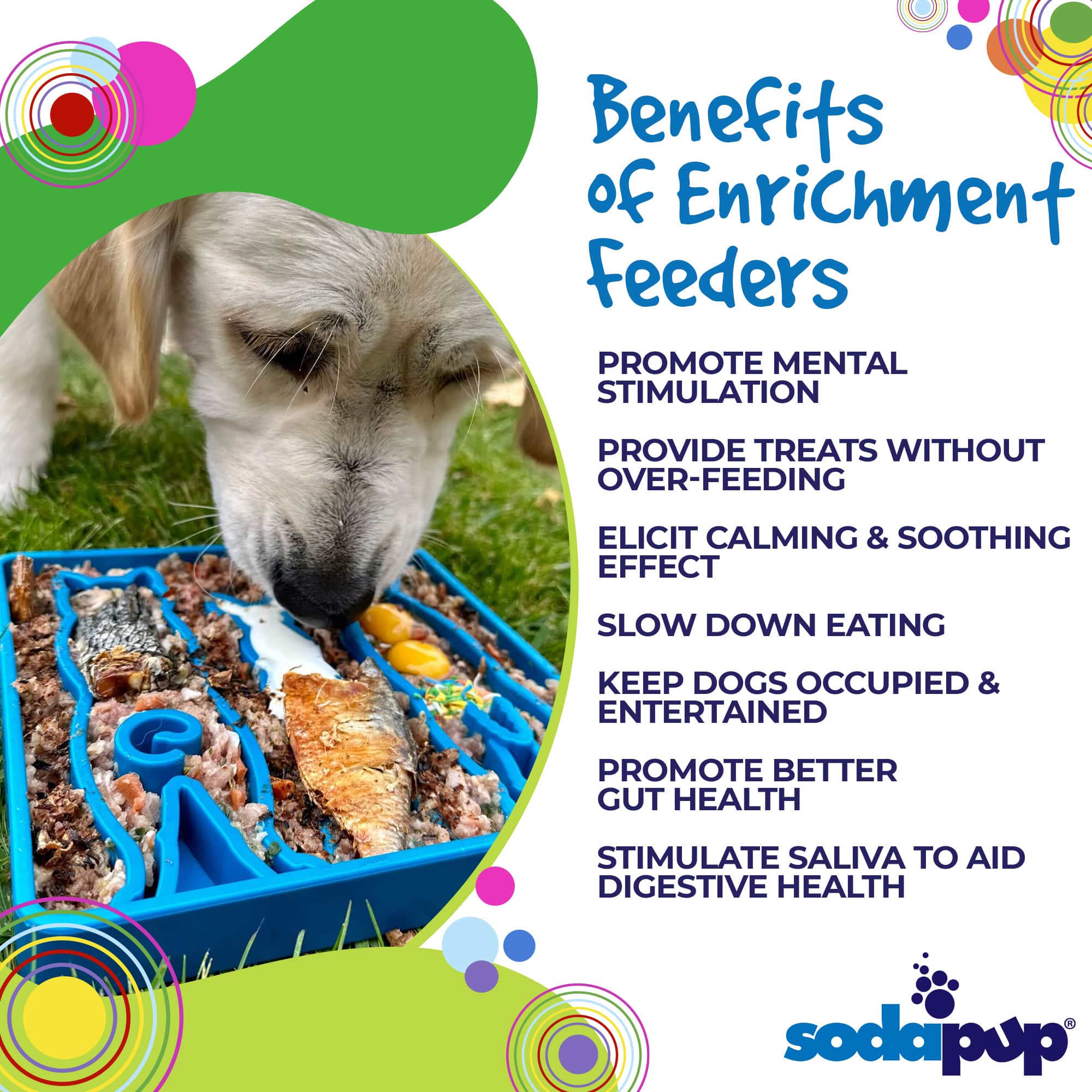
- Load some into puzzle toys or a snuffle mat.
- Smear a small part of canned food on a lick mat for calm work.
- Scatter kibble in the yard for a sniff walk.
Why it works:
- Your dog earns food through the day.
- Meals turn into training chances.
- You avoid extra calories on top of meals.
Track progress and adjust each week
You cannot improve what you do not track. I teach every family this check-in plan. It keeps how to use treats without overfeeding dog on track.
Weekly checklist:
- Body condition. You should feel ribs with light pressure. See a waist from above.
- Weight. Use a home scale with you holding the dog, or a pet store scale.
- Stools. Soft stools can mean too many rich treats.
- Energy. Good zip and no hunger meltdowns means your plan is on point.
If weight creeps up:
- Cut meal size by 5–10% for a week.
- Swap to lower-cal treats.
- Add a few more minutes of play or walks.
Special cases: puppies, seniors, and medical needs
Some dogs need extra care. You still can use this guide on how to use treats without overfeeding dog. You just tailor it.
Puppies:
- They need many reps. Use more of the daily meal as treats.
- Keep fat low to protect tummies.
Seniors:
- Watch sodium and fat.
- Use soft, small treats to protect teeth.
Sensitive dogs:
- For pancreatitis risk, avoid high-fat treats.
- For diabetes, time treats with meal plans from your vet.
- For allergies, use single-protein treats that match the diet.

Real-world examples and simple templates
Examples make it easy to follow how to use treats without overfeeding dog.
30-pound adult dog:
- Daily calories: about 900.
- Treat budget: 90 calories.
- Plan: 60 calories from kibble used in training, 30 calories from soft 2-cal treats.
- Meals reduced by the 60 calories used in training.
Sample 10-minute training:
- 50 rewards total.
- 30 rewards are kibble. 20 are 2-cal treats.
- Use jackpots of 3 tiny bites, two times max.
What I see in client work:
- Buddy, a 22-pound mix, gained 3 pounds on big biscuits.
- We switched to 1–2 calorie nibbles and used half his breakfast for practice.
- In six weeks, he lost the extra weight and kept great focus.
Mistakes to avoid and pro tips
Avoid these common pitfalls in how to use treats without overfeeding dog:
- Handful habits. Giving random snacks with no count.
- Big treat size. Use pea-size bits, always.
- Rich toppers daily. Save them for hard tasks.
- Skipping meal swaps. Add treats but never subtract food.
- Not reading labels. Guessing calories leads to weight gain.
Pro tips I trust:
- Keep a treat log for one week. You will see the leaks.
- Store treats in small jars by room. Pre-portion by calories.
- Use a clicker or marker word to make tiny treats work bigger.
- Teach toy and sniff rewards. Food is not the only pay.
Frequently Asked Questions of how to use treats without overfeeding dog
How many treats can my dog have each day?
Keep treats at 10% or less of daily calories. If you train more, use part of the meal as treats.
What treat size is best for training?
Use pea-size pieces. The point is timing and feedback, not a big bite.
Can I use my dog’s kibble as treats?
Yes. It is great for easy work and calm practice. Save higher-value treats for tough skills.
How do I know if I am overfeeding treats?
Watch body shape, stool, and weight. If ribs vanish or stools get soft, cut back and swap to lower-cal options.
Are fruits and veggies okay as treats?
Many are fine in small amounts, like carrots or green beans. Avoid grapes, raisins, onions, and anything with xylitol.
What should I do on heavy training days?
Shift more of the day’s meal into your training pouch. Reduce bowl portions to keep calories even.
Do senior dogs need different treats?
Yes. Pick soft, low-sodium, and low-fat options. Keep pieces small and easy to chew.
Conclusion
You can have a well-trained dog and a trim one too. Build a small treat budget, use tiny bites, and swap part of meals into training. That is the heart of how to use treats without overfeeding dog. Track each week, adjust fast, and celebrate small wins.
Try one change today: pre-portion treats for the day by calories. Want more bite-size tips on how to use treats without overfeeding dog? Subscribe, drop a comment, or share your success story.

Pet Care Writer & Researcher
Daniel writes practical guides on daily care, feeding, and safety, turning complex topics into simple, actionable advice.