How To Discipline Dog Without Yelling: Calm Training Tips
Learn how to discipline dog without yelling using positive reinforcement, calm cues, and consistent routines. Build trust fast and stop bad habits for good.
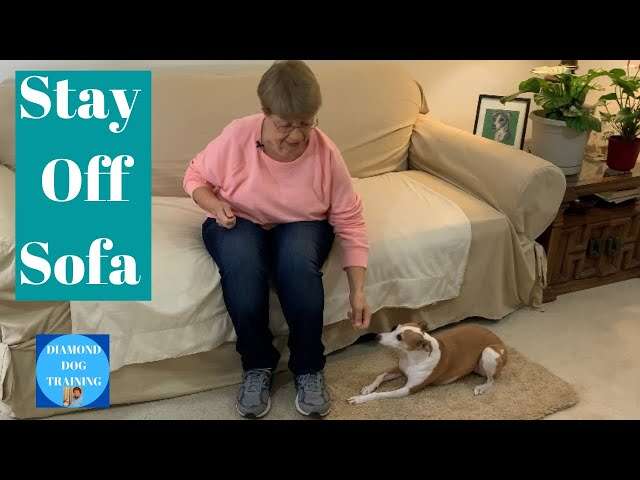
Use calm redirection, reward good choices, manage triggers, and teach cues.
If you want to learn how to discipline dog without yelling, you are in the right place. I’ve helped hundreds of families replace chaos with calm, and I’ll show you clear steps, real examples, and proven tools you can use today.
Why yelling backfires
Yelling feels fast, but it often makes behavior worse. Dogs learn by linking actions to outcomes in seconds. Shouting adds fear and stress, which can block learning.
Research in canine behavior links aversive methods to higher stress and more risk of aggression. Dogs also get used to noise, so yelling loses power. If you want to know how to discipline dog without yelling, start by removing fear from the lesson.
In short, fear teaches dogs to avoid you, not to choose better behavior. Calm coaching does the opposite. It builds trust, which makes training stick.

Core principles of calm discipline
Think of discipline as teaching, not punishing. Your job is to make the right choice easy and the wrong choice boring.
Key principles I use with every dog:
- Timing wins. Mark or reward within two seconds of the good choice.
- Pay what you want to see. Reinforce sit, quiet, and check-ins all day.
- Manage the setup. Use gates, leashes, and crates to prevent bad habits.
- Keep cues clear. One cue, one action, one reward.
- Keep it short. Train in tiny sessions and end on a win.
- Enrich the day. Add sniff walks, puzzle toys, and chew time.
- Be consistent. Everyone in the home follows the same rules.
These ideas sit at the heart of how to discipline dog without yelling. Simple, kind structure makes behavior reliable.

Step-by-step: how to discipline dog without yelling
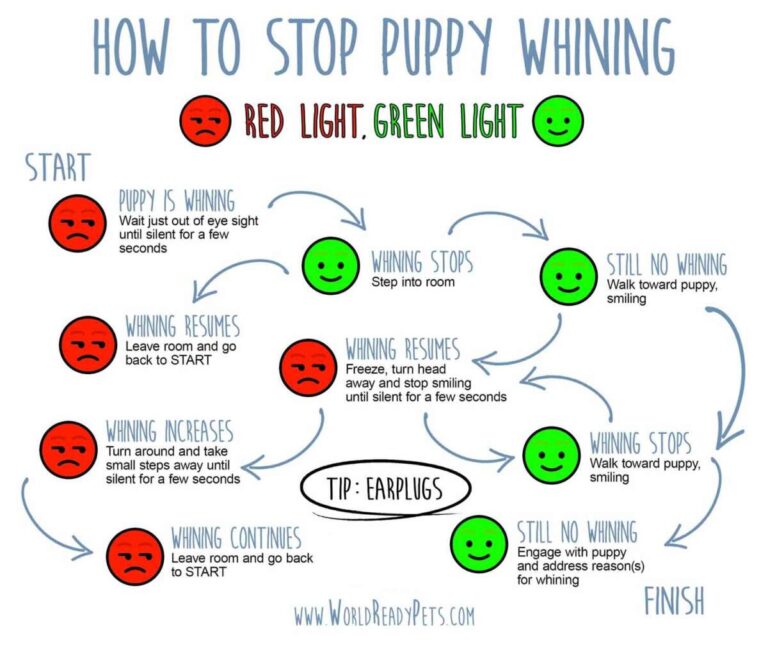
- Pause and breathe. Lower your voice. Your calm tone helps your dog calm too.
- Interrupt gently. Use a happy recall cue, a treat toss, or a leash guide.
- Ask for a known cue. Try sit, down, or touch. Pay fast when your dog complies.
- Show the right path. Lure or shape the behavior you want, then reward that choice.
- Remove the payoff for the bad choice. If jumping earns no attention, it fades.
- Reinforce the right choice many times. Small, frequent wins build habits.
- Adjust the setup. Block access, add distance, or lower the trigger level.
- Practice the scene in easy steps. Raise difficulty only when success is strong.
- Log what works. Track time, triggers, and wins to spot patterns.
- Repeat daily. Short, fun reps beat long, tense sessions.
Here is a real case from my work. A young Lab kept counter surfing. We clipped on a light house line, kept food out of reach, and paid sit on a scatter feeding mat near the kitchen. We also set up practice runs with a covered pan. The Lab learned that keeping paws on the floor made snacks appear on the mat. That is how to discipline dog without yelling in real life.
When you follow these steps, you teach choices, not fear. The result is a calmer home and a dog who listens.
 techniques that help”
style=”max-width: 100%; height: auto; border: 2px solid black; border-radius: 10px; display: block; margin: 0 auto;”
loading=”lazy”
/>
Tools and techniques that help
The right tools make calm training simple and safe. Choose gear that prevents mistakes and rewards good choices.
- Front-attach harness and six-foot leash for control and guidance.
- House line for safe, gentle redirection indoors.
- Baby gates and crates to manage space and reset arousal.
- Treat pouch and clicker or marker word to reward on time.
- Lick mats, chews, and sniff games to drain stress and meet needs.
- Food toys and puzzles to build focus and slow frantic energy.
- Calm time-outs that remove attention for a short moment, not isolation.
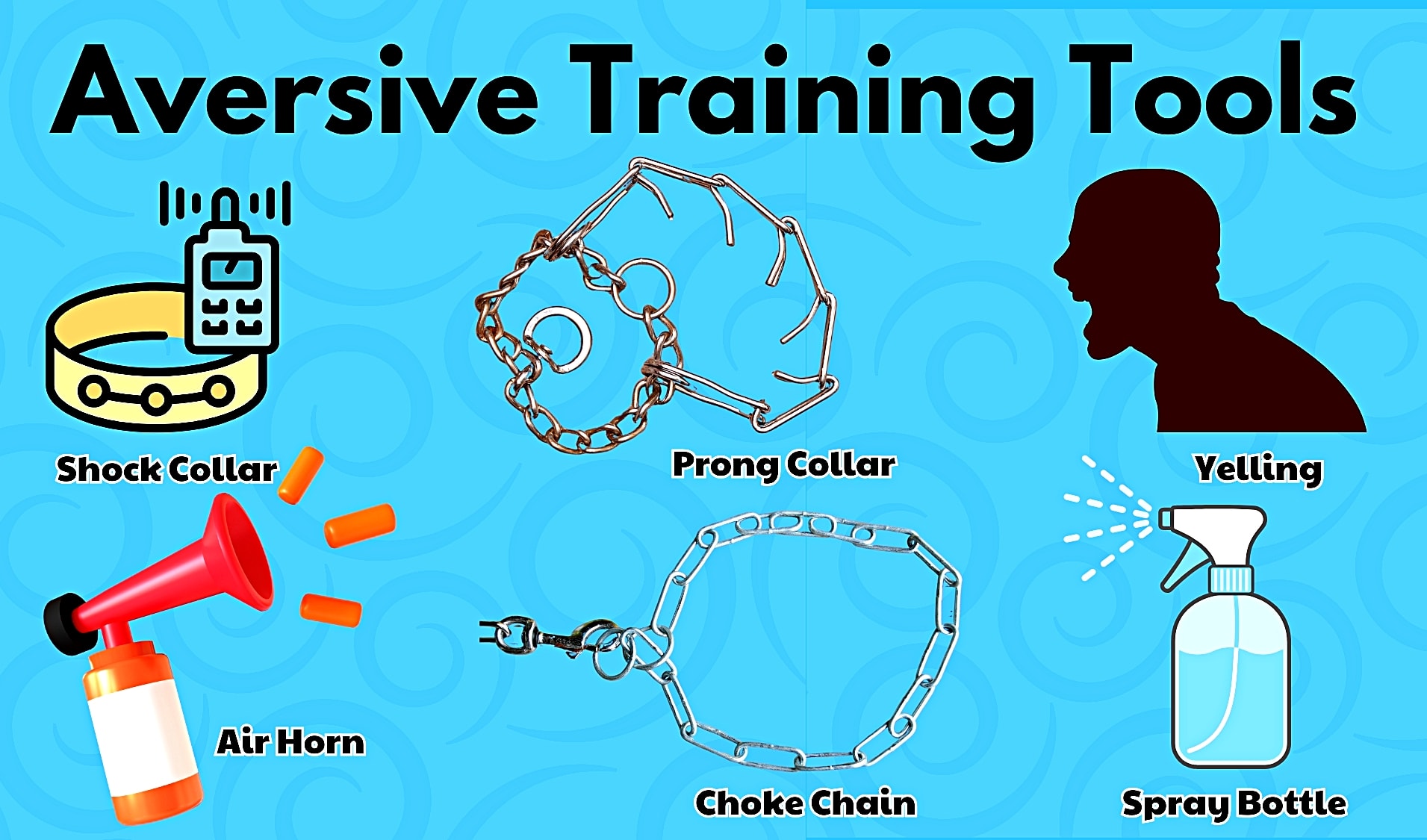
Avoid pain-based tools that scare or hurt. Major veterinary behavior groups advise positive reinforcement as the standard of care. If you ask how to discipline dog without yelling, these tools are your best allies.
Use tools to set up success, not to force it. Tools should help your dog learn and feel safe.

Troubleshooting common behavior issues without yelling
Before you start, remember this rule. If your dog is over threshold, add distance or change the setup. It is part of how to discipline dog without yelling.
Jumping on people
- Teach sit to say please. Reward four paws on the floor fast.
- Turn away and go still if paws land on you. Then reward calm feet.
- Use a gate or leash for guest entries. Rehearse calm greetings first.
Barking at the door
- Train a go-to-mat cue. Pay quiet on the mat.
- Muffle the trigger. Use window film or white noise.
- Do fake door drills. Knock, cue the mat, pay calm, repeat.
Leash pulling
- Use a front-attach harness. Reward the first step of a loose leash.
- Try stop-and-go. When the leash is tight, you stop. When it loosens, you move.
- Add sniff breaks. They earn them for walking near you.
Resource guarding
- Safety first. Do not reach in or grab. Trade up with high-value food.
- Pair your approach with a better item, then leave. Build trust in steps.
- For bites or hard stares, get a qualified pro right away.
House soiling
- Go out on a schedule. Reward right after the squat.
- Supervise or confine between breaks. No free roam until reliable.
- Clean with enzyme cleaner. Remove all scent marks.
These simple plans show how to discipline dog without yelling even when life gets messy. Start easy, set clear rules, and pay the wins.

Measuring progress and staying consistent
What you track gets better. Keep a simple log of triggers, choices, and rewards. Note time of day, exercise, and food.
Set clear goals. Try one behavior, one place, one week. Use the three Ds: distance, duration, and distraction. Raise only one D at a time.
Thin rewards over time, but not too fast. Shift to life rewards like walks, toys, and access. If behavior slips, add pay back. This is a key part of how to discipline dog without yelling for the long term.
I like to end each day with three wins on the target behavior. That habit keeps morale high for you and your dog.
When to call a professional
Get help if you see bites, hard stares, growls that escalate, severe fear, or long panic. Sudden changes can also mean pain, so see your vet first. Medical issues can drive behavior.
Look for a credentialed, force-free trainer or a certified behavior consultant. Veterinary behaviorists can guide plans and meds when needed. If you are unsure how to discipline dog without yelling in a tough case, a pro can keep you safe and on track.
Interview trainers about methods. You want rewards, management, and clear plans, not fear or pain.

Frequently Asked Questions of how to discipline dog without yelling
How do I correct my dog in the moment without yelling?
Interrupt gently with a recall, a treat toss, or a leash guide. Ask for a simple cue, reward it, then change the setup to prevent a repeat.
What if my dog only listens when I raise my voice?
Your dog may have learned that loud means serious. Retrain by paying fast for calm responses to normal-volume cues, and practice short, easy reps.
Can time-outs work without being mean?
Yes. Use brief removal of attention or access to the fun thing. Keep it short, calm, and predictable, never scary or isolating.
How long does it take to fix bad habits without yelling?
Simple issues can improve in days. Complex or fear-based problems can take weeks or months with steady, well-timed practice.
What treats should I use for better results?
Use small, soft, high-value food your dog loves. Think tiny bits of chicken, cheese, or commercial training treats.
Is it too late to learn how to discipline dog without yelling with an adult dog?
It is not too late. Adult dogs learn well with clear setups, good timing, and steady rewards.
Will rewards make my dog dependent on food?
No, not if you thin rewards over time. Shift to life rewards and praise once the habit is strong.
Conclusion
You do not need volume to teach your dog. With setup, timing, and steady rewards, you can guide better choices and build trust. That is the real core of how to discipline dog without yelling.
Start small today. Pick one behavior, one cue, and one place to practice. Track the wins, celebrate progress, and adjust the setup as needed.
If this helped, share it with a friend, subscribe for more step-by-step guides, or drop a question in the comments.

Pet Care Writer & Researcher
Daniel writes practical guides on daily care, feeding, and safety, turning complex topics into simple, actionable advice.