How Can I Get A Dog To Stop Barking: Proven Tips That Work
how can i get a dog to stop barking? Try proven training, enrichment, and consistency tips to reduce noise fast and restore peace at home.
Teach consistent training, exercise, and address triggers—reward calm behavior to reduce barking reliably.
I’ve worked with many dog owners and trainers to answer the question how can i get a dog to stop barking. I know the stress of hearing nonstop noise and the frustration when fixes don’t work. This guide breaks the problem down into clear causes, step-by-step solutions, and tools you can use today. Read on to learn proven methods, simple training plans, and real-life tips so you can get lasting quiet without harming your dog.
Why dogs bark and what it means
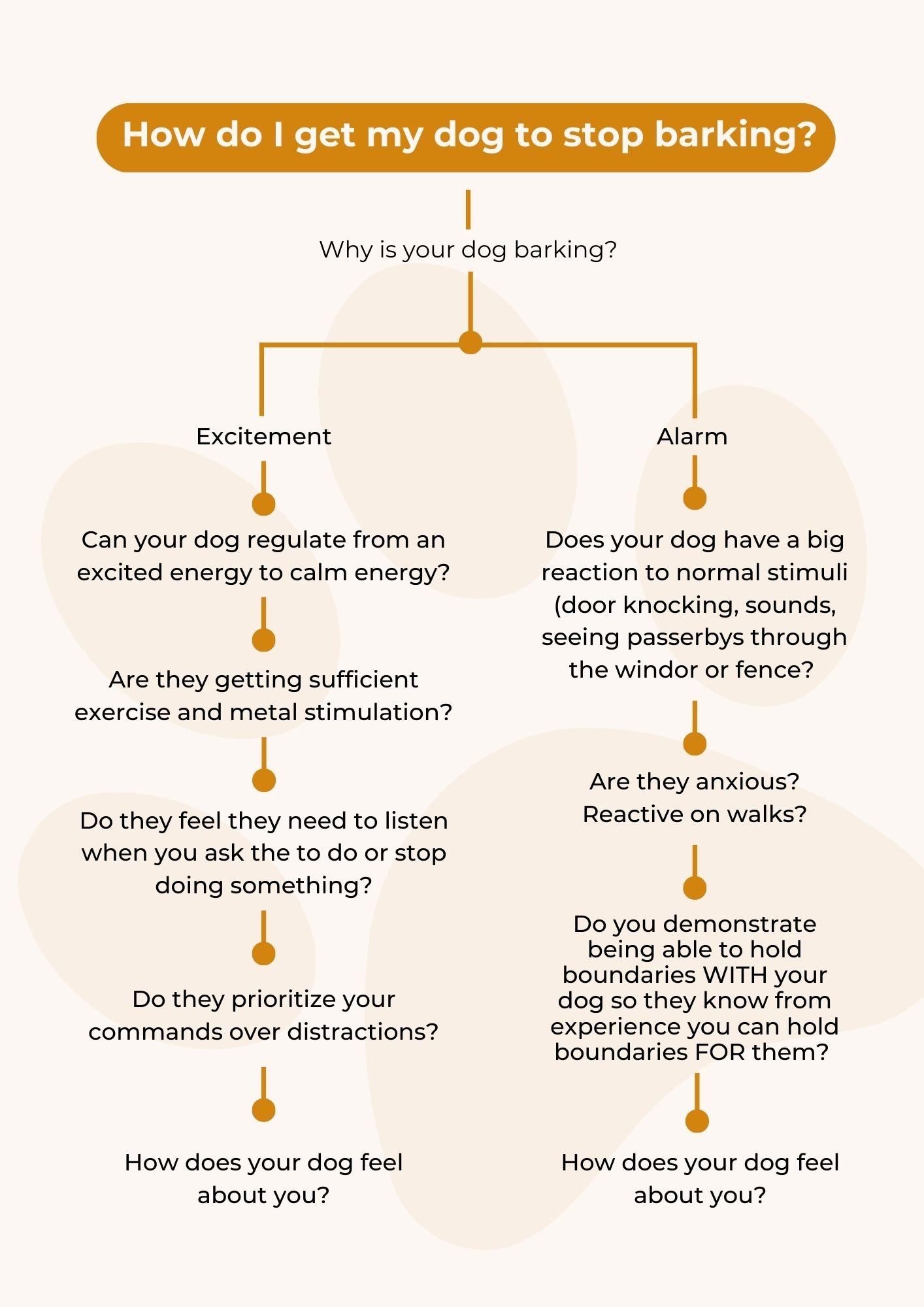
Dogs use barking to talk. They bark to warn, to ask, out of fear, or for fun. Knowing why your dog barks is step one when you ask how can i get a dog to stop barking. If you match the cause to the fix, you get faster results.
Common causes of barking
- Territorial or alert barking. Dogs warn about strangers or sounds.
- Attention-seeking. Dogs bark to get play, food, or your focus.
- Boredom or lack of exercise. Long hours alone mean excess energy.
- Fear or anxiety. Thunder, new people, and separation can trigger barking.
- Medical issues. Pain or cognitive decline can increase noise.
How cause guides the solution
- Match training to trigger. Don’t punish alert barking with harsh scolding. Teach a calm alternative instead.
- Address health first. Check with a vet if barking started suddenly or is linked to pain.
:strip_icc()/puppy-barking-2804577-f7f6bffd80fa4edca1bd247ba52fc0a6.jpg)
A step-by-step plan to stop barking
Follow this simple plan. Each step is short and repeatable. Use rewards, not fear.
- Identify the trigger
- Watch your dog. Note when barking starts and what happens before.
- Keep a short log for a week to spot patterns.
- Increase exercise and mental work
- Add 20–40 minutes of physical activity each day for most dogs.
- Use food puzzles or short training sessions to tire the mind.
- Teach a quiet cue
- Wait for a pause in barking, say a cue like "quiet," then reward.
- Practice in low-distraction settings. Build to real triggers slowly.
- Desensitize to triggers
- Start with a low-level trigger (far away person, low-volume noise).
- Reward calm behavior and slowly increase intensity over days or weeks.
- Avoid reinforcing barking
- Don’t reward barking with attention, play, or treats.
- Give attention when calm. Timing matters.
- Use management while training
- Close curtains, use a crate, or play soft music during problem times.
- Management keeps the dog learning and reduces stress for everyone.
How many repetitions?
- Short, frequent sessions win. Aim for 3–5 five-minute sessions daily.
- Progress takes days to weeks. Stay consistent.
Training techniques that work
These methods are safe and proven. Combine them for best results when asking how can i get a dog to stop barking.
Positive reinforcement
- Reward quiet behavior immediately. Treats, praise, or a short game work well.
- Avoid punishments that cause fear or suppression without learning.
Counter-conditioning
- Pair a trigger with something the dog loves. Over time, the trigger becomes less scary.
- For example, give high-value treats when the mail carrier walks by at a distance.
Clicker training
- Use a click to mark the exact moment your dog is quiet or calm.
- Click, then reward. This speeds learning.
Redirect and substitute
* Teach a replacement behavior like "go to mat" or "look at me."
- Reward the replacement instead of barking.
Tools and aids: what helps and what to avoid
Tools help when used with training. Don’t rely on gadgets alone when wondering how can i get a dog to stop barking.
Helpful tools
- Food puzzles and chew toys. They reduce boredom and stress.
- White noise machines or fans. These mask outside sounds that trigger barking.
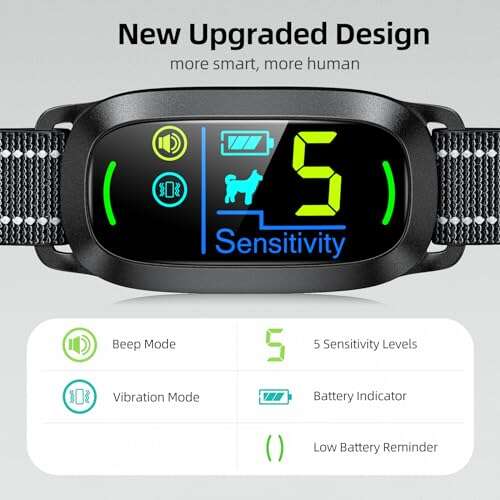
- Remote training devices used by professionals and only as part of a program.
Tools to use cautiously
- Shock collars. They can stop barking but risk fear and aggression. Get professional guidance if considered.
- Citronella collars. They may work short term but can frighten sensitive dogs.
When to get pro help
- If barking is linked to severe anxiety or aggression.
- If you’ve tried consistent training for several weeks with little change.
- Certified trainers or a veterinary behaviorist can help.
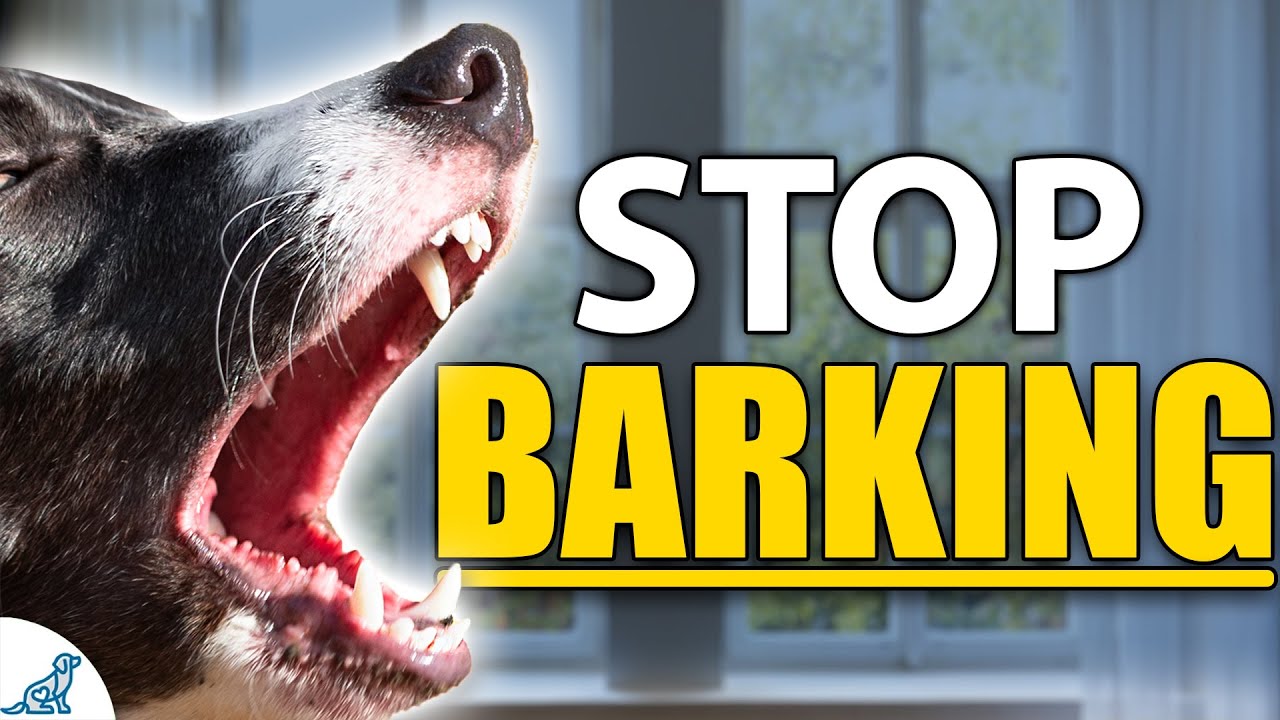
When barking signals a health or behavior disorder
Not all barking is a training problem. Medical issues can be the cause. Ask how can i get a dog to stop barking and check health first if signs appear suddenly.
Signs to see a vet
- Sudden increase in barking without obvious trigger.
- Other changes like appetite loss, limping, confusion, or sleep issues.
- Older dogs showing new, repetitive barking may have cognitive decline.
Behavior disorders
- Separation anxiety often causes prolonged, distressed barking.
- Fear-based aggression features both barking and defensive acts.
- Professional behaviorists use behavior modification and, sometimes, medication.

My experience: mistakes I made and what worked
I’ve worked with noisy dogs for years. I learned lessons the hard way. Here are honest tips that helped me and clients when they asked how can i get a dog to stop barking.
What didn’t work
- Yelling back. It taught dogs that loud gets attention.
- Quick fixes like shocks. They stopped barking but created new problems.
What did work
- Small wins. Teaching a two-second quiet window then expanding it built steady success.
- Routine and exercise. Once owners added daily walks and mental tasks, barking dropped fast.
- Consistency between family members. Mixed signals undo progress quickly.
Practical tip
- Use a daily checklist: exercise, training sessions, enrichment, and calm time. It keeps progress steady.

Frequently Asked Questions of how can i get a dog to stop barking
How long does it take to stop a dog from barking?
Most dogs show clear improvement in 2–6 weeks with consistent training. Full change can take longer for long-standing habits.
Is punishment effective for stopping barking?
Punishment may stop noise short term but can increase fear and aggression. Reward-based training is safer and more reliable.
Can exercise really reduce barking?
Yes. Regular walks and play cut excess energy that fuels attention-seeking and boredom barking. Mental work is also key.
When should I see a vet or behaviorist?
See a vet if barking starts suddenly or comes with health changes. Consult a behaviorist for severe anxiety or aggression.
Are anti-bark collars safe to use?
Some tools are safe with professional guidance, but shock collars carry risks. Non-aversive tools and training are preferred.
Conclusion
Reducing barking is about finding the reason and using consistent, reward-based steps to change it. Start by identifying triggers, add proper exercise, teach a quiet cue, and use management tools while you train. Be patient, track progress, and get professional help for medical or severe behavior issues. Try one change this week—add a short training session or 10 more minutes of exercise—and notice the difference. Share your progress, ask questions, or subscribe for more dog training tips.

Pet Care Writer & Researcher
Daniel writes practical guides on daily care, feeding, and safety, turning complex topics into simple, actionable advice.