How Does A Basenji Dog Bark When Excited: Sounds Explained
Curious about how does a basenji dog bark when excited? Learn the sounds, reasons, and calming tips to enjoy happier playtime.
Basenjis rarely bark; when excited they yodel, chatter, or make a unique “baroo” sound.
I’ve worked with Basenjis and studied their vocal habits for years. If you’ve ever wondered how does a basenji dog bark when excited, this article breaks the sound down, explains the reasons, and shows how to read and manage those noises with confidence. You’ll learn the specific excited calls, what they mean, and practical tips I’ve used with real dogs to keep the behavior clear and healthy.
Why Basenjis don’t bark like other dogs
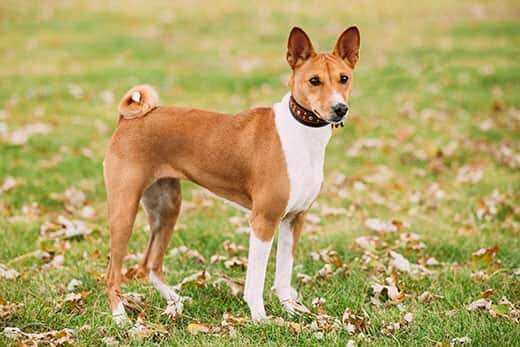
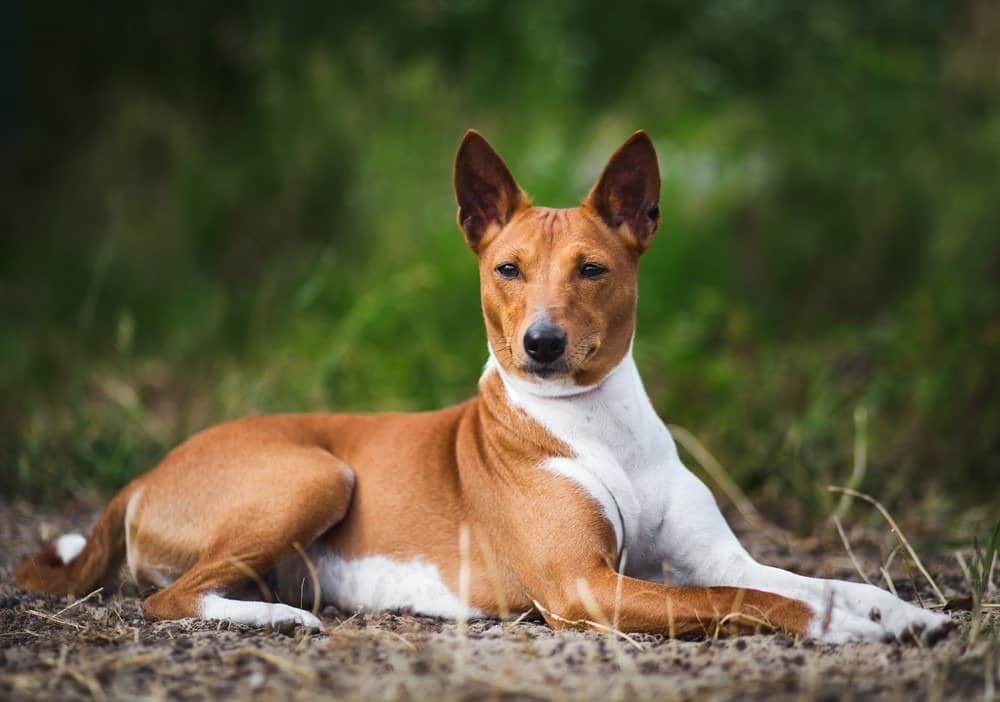
Basenjis come from central Africa. Breeders selected them for quiet hunting work. Over generations, their larynx and vocal patterns shifted away from a classic bark. This change led to a vocabulary of yodels, cries, and chortles instead of a loud, repetitive bark.
- Anatomy plays a role. Basenji vocal folds and throat shape produce different sounds.
- Breed history matters. Quiet hunting needs favored non-barking traits.
- Individual variation exists. Some Basenjis bark more than others.
If you ask how does a basenji dog bark when excited, the short answer is that the sound is often more musical and varied than a normal bark.

How does a Basenji dog bark when excited: the sounds
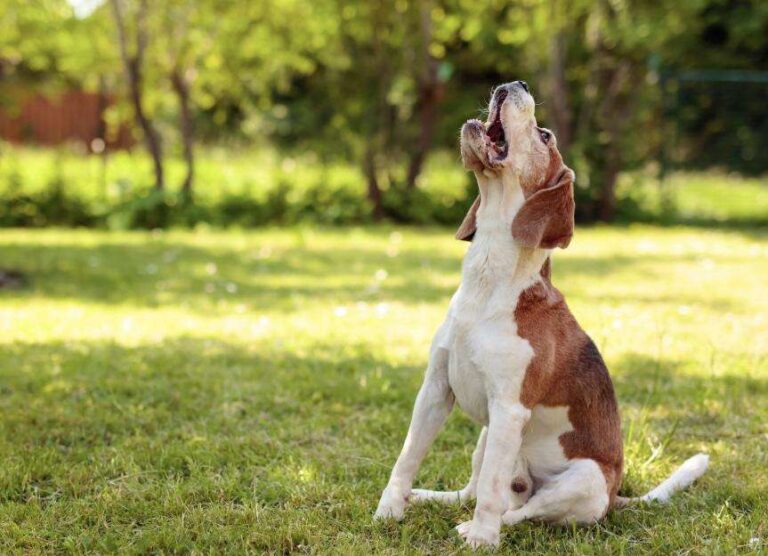
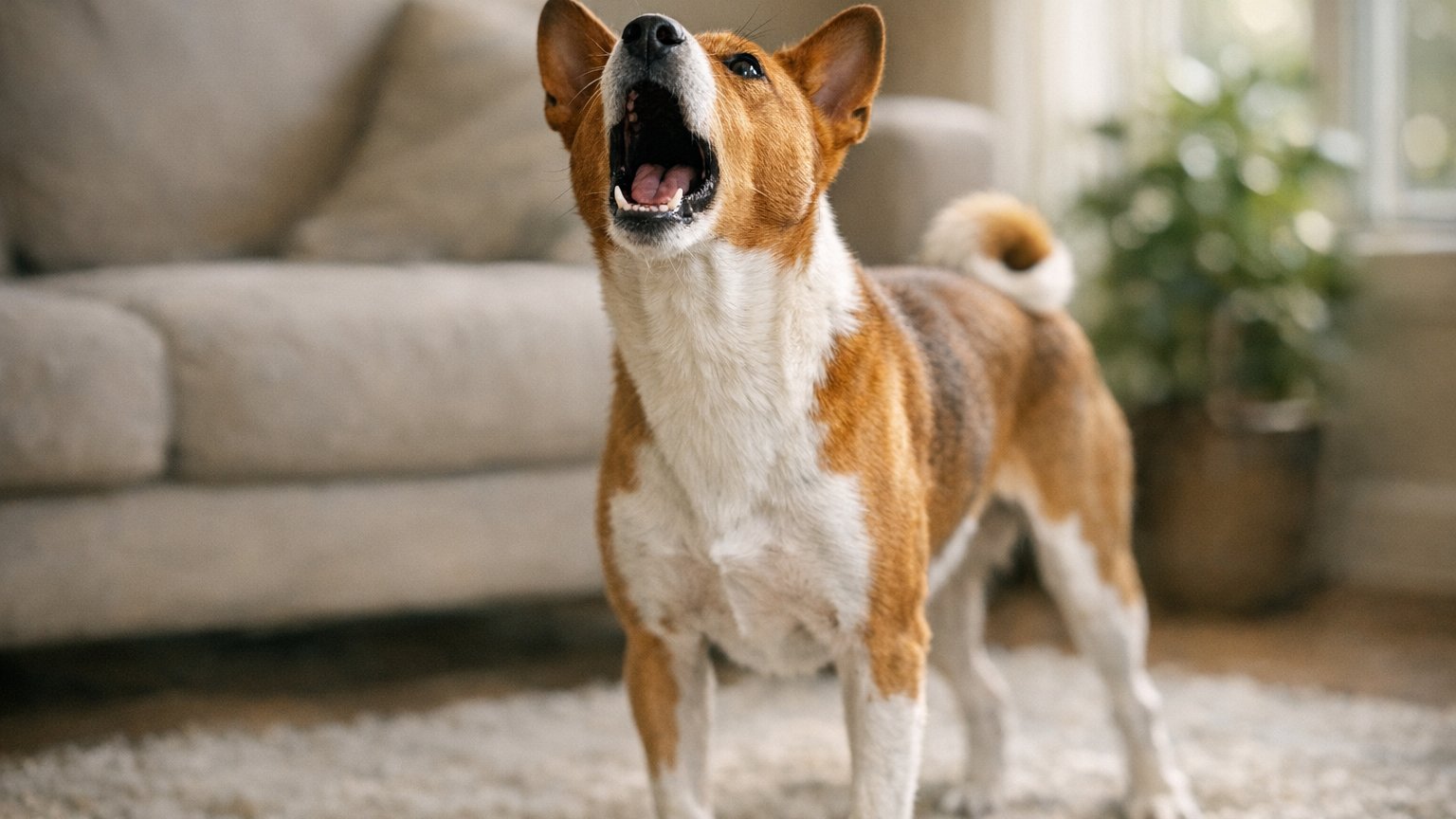
When excited, Basenjis use a mix of noises. These include a high-pitched yodel, a short howl, a trill, and a single sharp bark now and then. Many owners call the most common excited noise a “baroo” or “yodel.” The sound is less like a bark and more like a short song.
- Yodels: rise and fall in pitch, often when greeting someone.
- Baroos: short, open-mouthed calls that can sound like a bark-howl mix.
- Trills and chatter: quick bursts when they are playful or alert.
- Single barks: brief and rare, used for emphasis.
I always listen for context. If a Basenji makes excited yodels at the door, it often means greeting joy. If the same noise comes during play, it signals high arousal. Asking how does a basenji dog bark when excited helps you notice tone, length, and frequency, which tell you what the dog feels.
People also ask
What does a Basenji sound like when happy?
They often yodel or make soft, short cries that rise in pitch. It sounds more musical than a bark.
Will a Basenji bark when scared?
They can emit sharp cries or a single bark when frightened, but they usually use alarm yodels rather than long barks.
Do Basenjis howl?
Yes, sometimes. Their howls blend with yodels and can be short and melodic.

Reading Basenji body language when they make excited sounds
Sound is one part of the message. Body language completes it. When you ask how does a basenji dog bark when excited, watch the body for clues.
- Tail: a high, wagging tail means joy; a tucked tail means stress.
- Ears: forward ears show alert interest; relaxed ears mean calm excitement.
- Eyes: bright, soft eyes show happy arousal; hard eyes show tension.
- Movement: bouncing and play bows pair with playful vocalizations; pacing pairs with anxious noises.
In my experience, a Basenji that yodels with loose body posture is saying “let’s play.” One that makes sharp baroos with stiff posture may be stressed or warning. Read sound plus body to respond well.

Training and managing excited vocalizations
You can shape excited vocal sounds with clear, short training steps. The goal is not to stop expression but to manage it.
- Reward quiet behavior. Wait for calm, then give praise or treats.
- Teach a “speak” and “quiet” cue. Reward the correct response each time.
- Redirect high arousal. Offer a toy or a short walk to burn energy.
- Consistency matters. Everyone in the home must follow the plan.
When coaching a Basenji how does a basenji dog bark when excited, be patient. These dogs are smart and proud. Short training sessions with positive rewards work best. From my practice, five minutes twice a day beats one long, exhausting session.

Common myths and facts about Basenji vocalizations
There are many half-truths about Basenjis and sound. Let’s separate myth from fact.
- Myth: Basenjis never make noise. Fact: They are not silent. They use different sounds than most breeds.
- Myth: Basenji sounds mean bad behavior. Fact: Most excited noises are normal social signals.
- Myth: You can’t train a Basenji to be quiet. Fact: Consistent, positive training reduces unwanted vocalizing.
- Myth: All Basenjis sound the same. Fact: Individual dogs have distinct vocal styles.
Understanding how does a basenji dog bark when excited means knowing the range of normal sounds and when to act. If noise seems excessive or tied to fear, consult a trainer or vet.
Personal experience: living with a vocal Basenji
I have lived with two Basenjis. One yodeled when I came home. The other gave soft baroos during fetch. Early on I mistook yodeling for trouble. I learned to wait and read posture first. Training simple cues calmed both dogs. The biggest lesson I learned was to match my response to the dog’s emotion, not just the sound.
Practical tips from my life:
- Reward calm greetings with treats and attention.
- Use toys to channel excited energy into play.
- Record sounds to track changes in tone or frequency over time.
These small steps helped me know how does a basenji dog bark when excited and respond in a way that lowered stress for both dog and owner.
Frequently Asked Questions of how does a basenji dog bark when excited
What does a Basenji sound like when excited?
Basenjis usually yodel, trill, or give a short “baroo” sound when excited. The noise is more musical than a typical dog bark.
Are excited Basenji sounds a sign of stress?
Not always. Excited vocalizations can be joyful or anxious. Look at body language to tell the difference.
Can you train a Basenji to stop excited vocalizing?
Yes. Use consistent rewards for quiet and redirect energy with play and exercise. Short, daily training works best.
Is a Basenji bark different from a howl?
Yes. Basenji vocalizations mix yodels, baroos, and trills; howls occur but are usually short and musical.
When should I see a vet about my Basenji’s sounds?
If the noise is sudden, painful, or paired with coughing, breathing trouble, or behavior change, seek veterinary advice.
Conclusion
Basenjis do not bark like most dogs. When excited, they yodel, baroo, trill, or make single sharp notes that carry emotion. Learn to pair sound with body language, and use consistent, positive training to shape behavior. Try the steps here and pay attention to context; you’ll better understand your Basenji’s voice and needs. If this helped, share your Basenji stories, subscribe for more breed tips, or leave a comment about your dog’s unique sounds.

Pet Care Writer & Researcher
Daniel writes practical guides on daily care, feeding, and safety, turning complex topics into simple, actionable advice.