How To Avoid Common Dog Feeding Mistakes: Vet-Backed Tips
Easily learn how to avoid common dog feeding mistakes, with vet-approved tips on portions, schedules, and nutrition for a healthier, happier pup.
Measure portions, choose complete food, keep a routine, limit treats, monitor weight.
You want clear, friendly steps on how to avoid common dog feeding mistakes. I’ve helped thousands of pet parents fix food woes with simple, science-backed habits. This guide on how to avoid common dog feeding mistakes will show you what works in real homes, with real dogs, and why small changes can prevent big health issues. Read on to build a safe, easy plan you can trust.
Why feeding mistakes happen
To understand how to avoid common dog feeding mistakes, start with why they happen. Most slip-ups are not from lack of love. They come from mixed advice, bag charts that mislead, and busy days.
You may guess portions, switch foods too fast, or give too many snacks. Vivid ads and trendy diets add more noise. Your dog’s cute stare does not help.
What I see most in new clients:
- Scoop sizes that change each day, so calories swing a lot.
- Free-feeding, which hides weight gain and tummy issues.
- Treats that creep past the safe limit.
- Quick food swaps that trigger loose stools.
Portion sizes that fit your dog
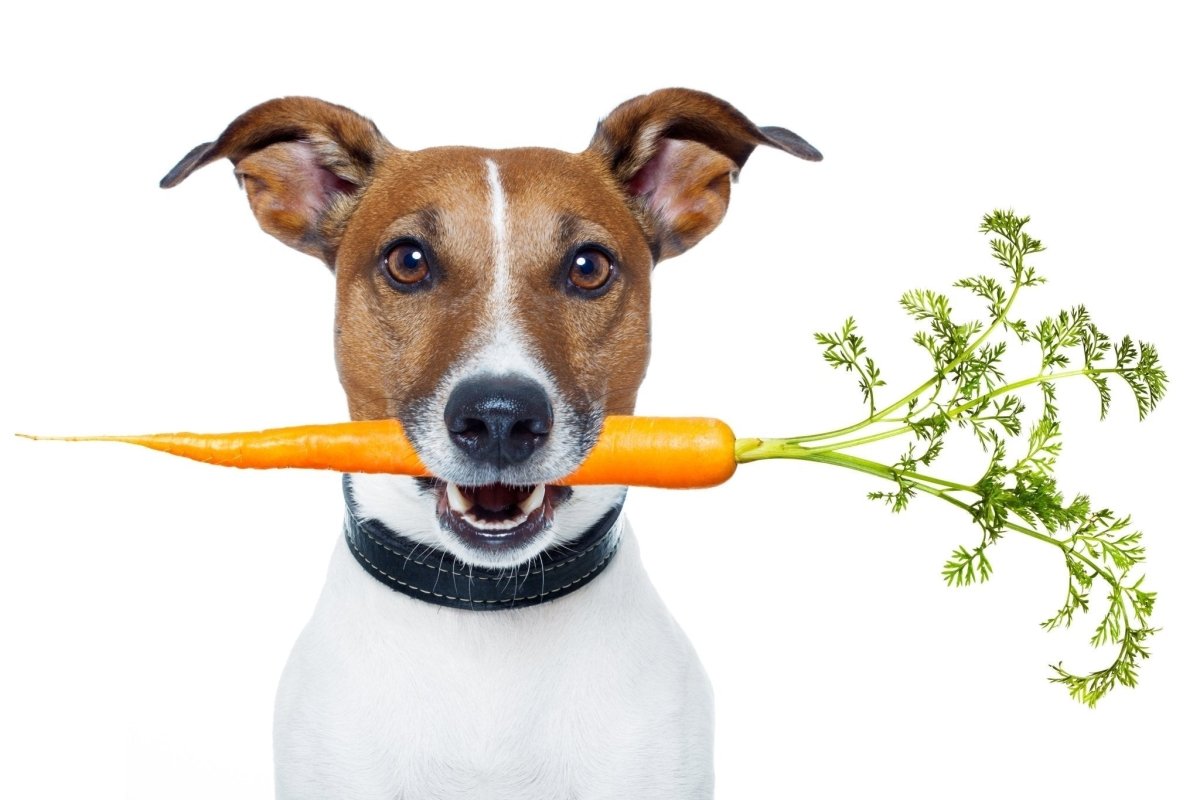
If you want to learn how to avoid common dog feeding mistakes, nail portions first. Your dog needs calories that match their body and life stage.
Use this simple plan:
- Ask your vet for your dog’s ideal weight and a body condition score from 1 to 9. Aim for a lean 4 to 5.
- Find the food’s calories per cup or gram. It is on the bag or site.
- Start with the brand’s chart for your dog’s ideal weight, not current weight.
- Use a kitchen scale. It beats scoops. Stay consistent.
- Check ribs and waist each week. Adjust by 10 percent every two weeks until you hit and hold a lean look.
A quick story: I worked with a chunky beagle named Daisy. We weighed her kibble and cut treats in half. We also walked 15 minutes more each day. She dropped two pounds in six weeks and had more zip than ever.

Choose the right food for age, size, and health
A key step in how to avoid common dog feeding mistakes is picking a complete, balanced diet. Look for an AAFCO statement for your dog’s life stage. Brands that follow WSAVA nutrition guidelines often invest in research and quality control.
What to check:
- Life stage fit: puppy, adult, or senior. Large-breed puppies need careful calcium and energy control.
- Protein, fat, and fiber that match activity and health needs.
- Transparent feeding trials and a vet nutritionist on staff.
- Clear calories per cup and full nutrient data.
If your dog has kidney, liver, or gut issues, ask your vet about a therapeutic diet. Do not add home supplements that may unbalance the food.

Set a simple feeding routine
Another pillar in how to avoid common dog feeding mistakes is routine. Dogs love patterns. So do their stomachs.
Try this:
- Feed two meals a day for adults. Three to four for puppies.
- Put the bowl down for 15 minutes. Pick it up if not eaten. This builds appetite rhythm.
- Use a slow-feeder or puzzle bowl for fast eaters. It helps digestion.
- Keep walk and play times steady. It supports regular stools.
A steady routine also makes it easy to spot when something is off.
Treats, table scraps, and training rewards
A smart treat plan is central to how to avoid common dog feeding mistakes. Treats should be fun, not a calorie trap.
Use the 10 percent rule:
- Keep treats under 10 percent of daily calories.
- Pick low-cal choices like pea-sized kibble, lean freeze-dried meat, or crunchy veggies like green beans.
- Split one big biscuit into tiny bits to stretch value.
- Avoid high-fat scraps, cooked bones, onions, grapes, xylitol, and alcohol.
For training, I rotate three small treats to keep focus high but calories low. Dogs work just as hard for tiny rewards if timing is right.

Water, bowls, and food safety
Food safety is a quiet part of how to avoid common dog feeding mistakes. Yet it matters every day.
Do the basics well:
- Wash food and water bowls daily with hot, soapy water.
- Seal dry food. Store in the original bag inside an airtight bin. Keep it cool and dry.
- Use wet food within two to three days in the fridge.
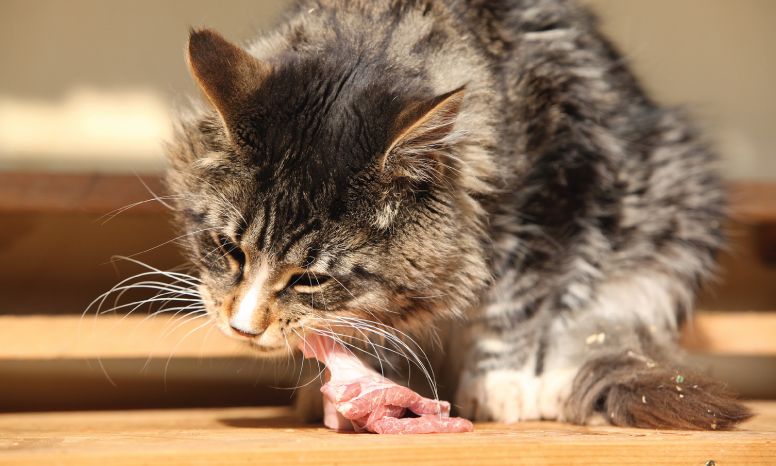
- Raw diets can carry germs. Handle with care. Clean surfaces and hands. Keep high-risk people safe.
Rancid fats and dirty bowls can lead to stomach upset. Clean gear makes a big difference.
Special cases and supplements
Being smart with extras is part of how to avoid common dog feeding mistakes. Many dogs do not need supplements if their diet is complete.
When to consider add-ons:
- Fish oil for skin or joints. Dose by your vet’s advice to avoid excess calories.
- Probiotics after gut upset or antibiotics.
- Joint support for seniors with arthritis.
Be careful with calcium for puppies and fat-heavy toppers. Some changes can unbalance a diet. If in doubt, ask your vet or a board-certified veterinary nutritionist.

Puppies, adults, seniors, and weight management
Life stage feeding sits at the heart of how to avoid common dog feeding mistakes. Needs shift as dogs grow and age.
For each stage:
- Puppies: feed growth diets that meet AAFCO for growth. Large-breed pups need controlled calcium and steady growth.
- Adults: hold a lean body. Adjust food with seasons and activity.
- Seniors: monitor muscle and kidney health. You may need more protein quality, not less.
- Weight loss: cut daily calories by 10 to 20 percent, add walks, and recheck in two weeks.
Lean dogs live longer and feel better. The waistline tells the truth.
Switching diets the right way
A careful change plan is a proven way in how to avoid common dog feeding mistakes. Go slow to protect the gut.
Follow this mix:
- Days 1 to 3: 75 percent old, 25 percent new.
- Days 4 to 6: 50 percent old, 50 percent new.
- Days 7 to 10: 25 percent old, 75 percent new, then move to 100 percent.
Watch stool, gas, and itch. Pause or step back a day if signs appear.
Red flags and when to call the vet
Knowing warning signs closes the loop on how to avoid common dog feeding mistakes. Early action can prevent bigger issues.
Call your vet if you see:
- Vomiting or diarrhea that lasts more than a day.
- Weight drop, dull coat, or heavy itch.
- Bloat signs in deep-chested breeds: a tight belly, retching, restlessness.
- Pancreatitis signs after fatty treats: belly pain, vomiting, low energy.
Keep notes on what and how much your dog eats. Bring that to the clinic. It speeds up care.
Frequently Asked Questions of how to avoid common dog feeding mistakes
How many times should I feed my adult dog each day?
Most adult dogs do well on two meals per day. It helps appetite rhythm and lowers the risk of stomach upset.
How do I know if the food is complete and balanced?
Look for the AAFCO statement for your dog’s life stage on the label. Brands that meet these standards have diets balanced for daily feeding.
Can I mix wet and dry food?
Yes, if both are complete and balanced. Track total calories and adjust portions so your dog stays lean.
Are grain-free diets better?
Not always. Choose diets based on your dog’s needs and vet advice, and review brand research and quality control.
How much should treats count toward daily calories?
Keep treats under 10 percent of daily calories. Use small, low-cal options and subtract them from meal portions.
Conclusion
You now have a clear plan on how to avoid common dog feeding mistakes. Measure meals, pick a balanced food, set a routine, and keep treats in check. Watch your dog’s waist and energy. Adjust in small steps and you will see steady wins.
Try one change today. Weigh the next meal or set a firm treat limit. Your dog will feel the difference fast. Want more tips like this? Subscribe, share your questions, or tell me what’s working for your dog.

Pet Care Writer & Researcher
Daniel writes practical guides on daily care, feeding, and safety, turning complex topics into simple, actionable advice.