How To Get My Dog To Stop Barking At People: Easy Tips
Practical steps to stop nuisance barking: how to get my dog to stop barking at people with gentle training, socialization, and quick fixes.
Teach calm behavior, redirect attention, and reward quiet every time your dog meets people.
I have trained dogs and helped many owners stop reactive barking. This guide shows clear, expert-backed steps on how to get my dog to stop barking at people. I explain why dogs bark, how to assess triggers, step-by-step training plans, and when to get help. Read on for practical tips you can use today.
:strip_icc()/puppy-barking-2804577-f7f6bffd80fa4edca1bd247ba52fc0a6.jpg)
Why dogs bark at people
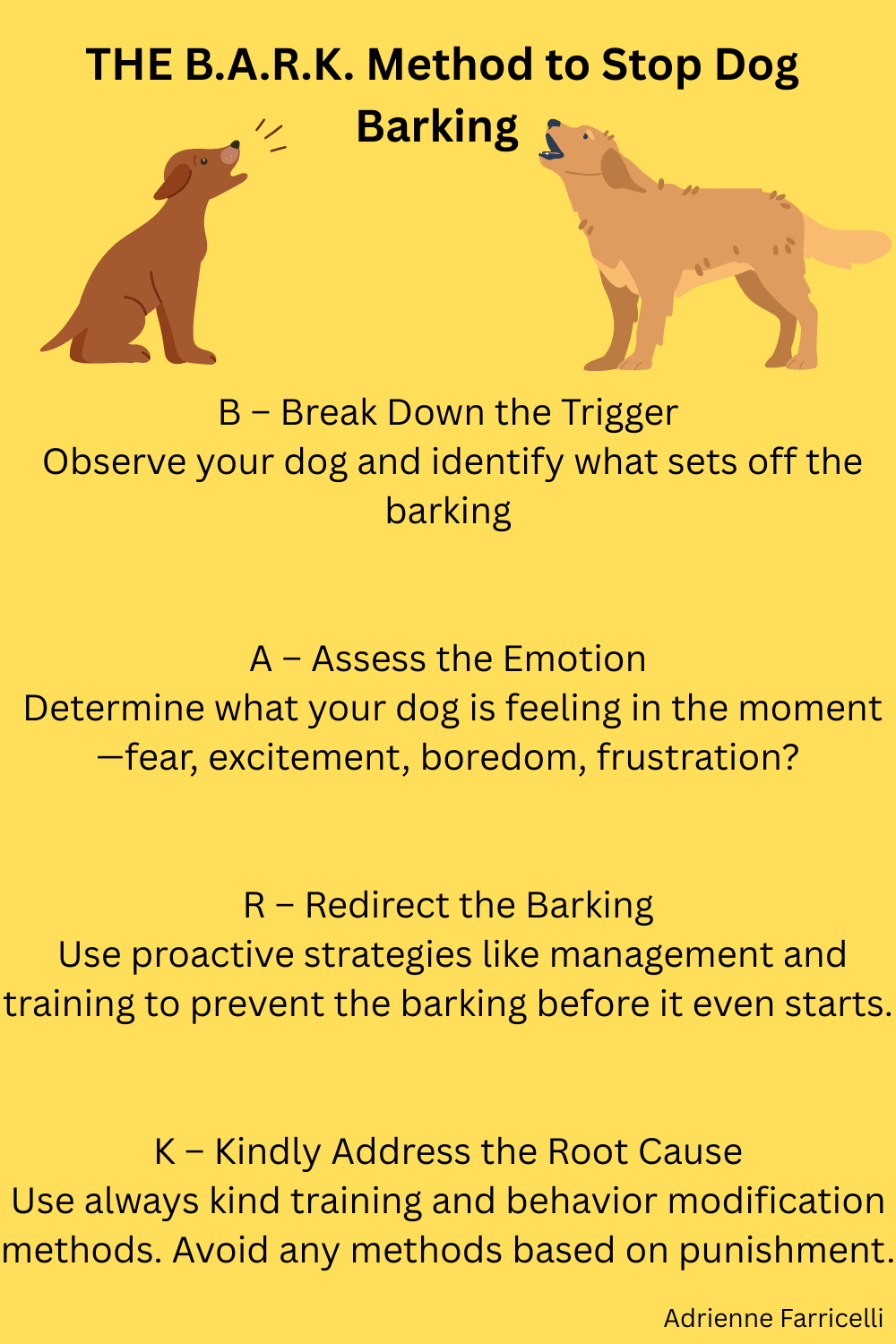
Dogs use barking to talk. They bark to warn, to ask, to play, or to show fear. Different reasons need different fixes. Some dogs bark from excitement. Some bark from fear or poor socialization. Some bark to protect territory or to get attention. Learn the cause before you train.

Quick assessment: find the real trigger
Watch your dog closely for patterns. Note when barking starts, who is near, distance, and the dog’s body language. Ask these simple questions:
- Does your dog bark at strangers at the door or on walks?
- Is the barking high-pitched and excited or low and tense?
- Does your dog calm when you step in or get more worked up?
A short log for one week tells you a lot. This helps you pick the right plan.
 training”
style=”max-width: 100%; height: auto; border: 2px solid black; border-radius: 10px; display: block; margin: 0 auto;”
loading=”lazy”
/>
How to get my dog to stop barking at people: step-by-step training
Training works best with short, clear steps. Use reward-based methods. Below is a clear plan you can follow.
Preparation
- Use high-value treats your dog loves.
- Work in low-distraction settings first.
- Keep sessions to 5–10 minutes, twice a day.
Step 1 — Teach a solid "look" or "focus"
- Hold a treat near your eyes.
- Say "look" and reward when the dog makes eye contact.
- Repeat until your dog looks on cue from short distance.
This gives you control when people appear.
Step 2 — Teach a calm "sit" and "stay"
- Reward calm sitting near the door or on walks.
- Increase duration slowly.
- Reward only when your dog is quiet and relaxed.
Calm behavior replaces noisy reaction.
Step 3 — Desensitize to people at distance
- Start far enough that your dog is aware but not barking.
- Reward calm behavior and focus.
- Gradually decrease distance over many sessions.
This rebuilds confidence and changes the dog’s response.
Step 4 — Add controlled approaches
- Have a friend walk by at a distance your dog handles well.
- Reward calm for brief seconds.
- Increase time and closeness slowly.
Many short wins beat one big session.
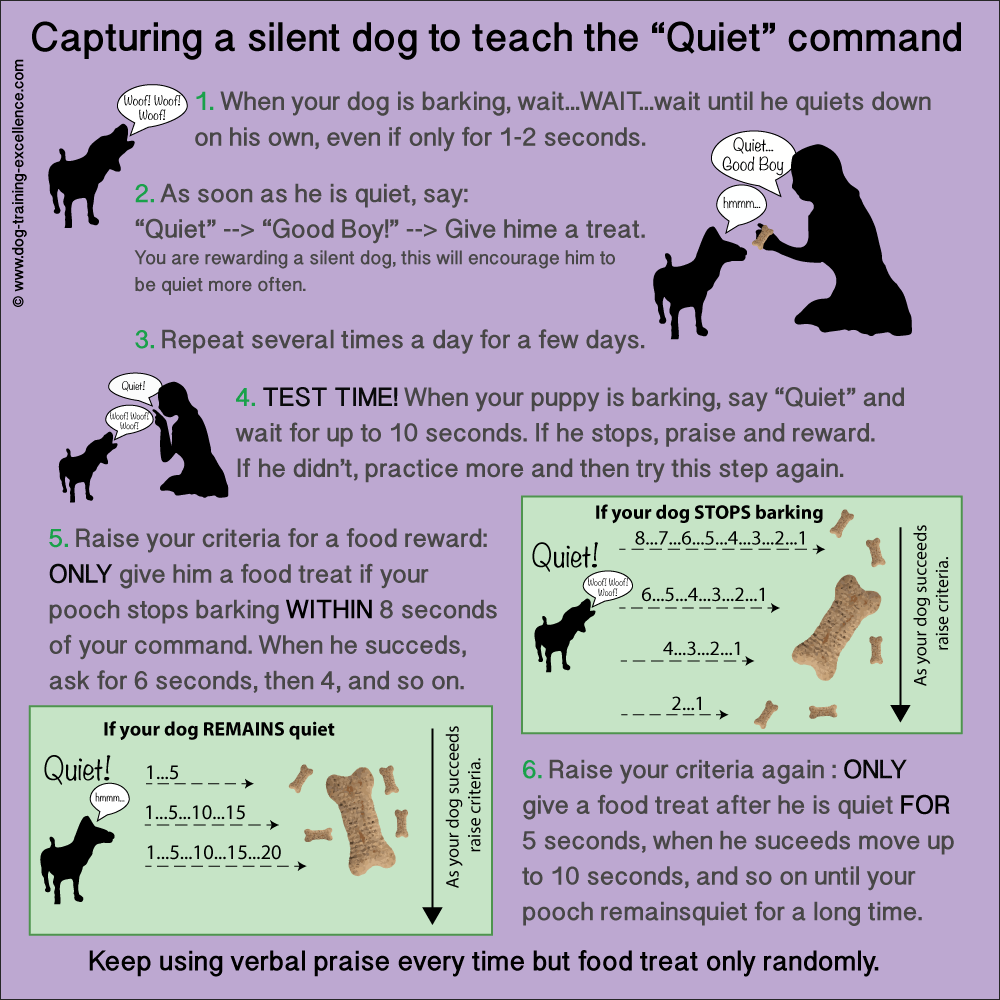
Step 5 — Redirect and reward during moments of temptation
- Use "look" or "sit" to interrupt barking early.
- Reward immediately for silence and attention.
- If barking starts, step back to the last easy distance.
Reset and try again.
Consistency and timing
- Reward quiet immediately.
- Never punish by yelling; that can make fear worse.
- Train daily, then maintain with short refreshers.

Management and environment changes
Change the setting to reduce triggers. Small shifts help training succeed.
- Use baby gates to limit access to doors or windows.
- Close curtains if your dog reacts to passersby.
- Put on calmer music to mask outside noises.
- Schedule walks at quieter times.
Combine management with training for faster results.
Tools and aids that help
Tools are helpful when used right. They do not replace training.
- Clickers for precise rewards and timing.
- Treat pouches for quick rewards on walks.
- Head halters can give you better control during training.
- Interactive toys and chewables reduce boredom.
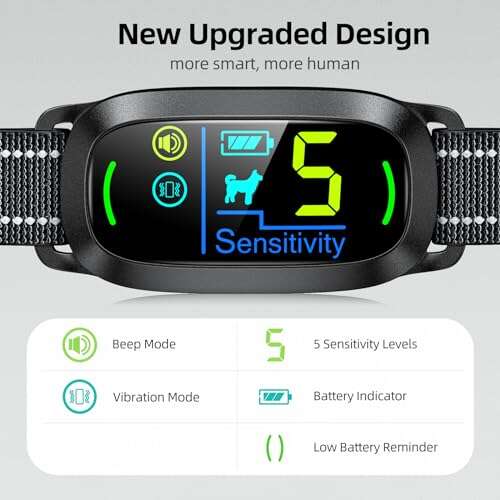
Avoid shock collars and harsh tools. They may increase fear and aggression.
When to seek a professional or vet
Some cases need expert help. See a vet or behaviorist if:
- Barking is sudden and severe.
- Your dog shows signs of pain or medical issues.
- Training does not help over weeks.
A certified behaviorist can give a personalized plan. A vet can rule out pain or hearing issues.

Personal experience, common mistakes, and tips
I worked with a terrier that barked at delivery people. We used distance work and quick treats. In two weeks, the dog went from loud alarms to calm watching. Here are lessons I learned from that case and others:
- Mistake: letting the dog practice bad behavior. Each uncontrolled rehearsal makes barking stronger.
- Tip: reward the smallest calm moment at first. Tiny wins matter.
- Mistake: yelling at barking. This often sounds like joining in.
- Tip: stay calm. Use short cues and treats.
Be patient. Training often takes weeks. Keep sessions short, fun, and consistent.

Frequently Asked Questions of how to get my dog to stop barking at people
What if my dog barks at people through the window?
Start by blocking the view or move your dog away from the window. Train calm behavior and reward quiet when a person appears.
How long will it take to stop barking at people?
Most dogs show progress in 2–8 weeks with daily short training sessions. Severe cases may need months and professional help.
Can I use a shock collar to stop barking?
I do not recommend shock collars. They can increase fear and aggression. Positive methods are safer and more effective long-term.
My dog only barks at certain people. Why?
Your dog may react to specific cues like hats, bikes, or fast movement. Note the triggers and desensitize to them slowly with rewards.
When should I see a behaviorist?
See a behaviorist if barking is intense, if it’s paired with lunging or biting, or if training does not help after weeks. A behaviorist offers tailored strategies.
Can training work for older dogs?
Yes. Older dogs can learn calm habits. Progress may be slower, but consistent reward-based training works at any age.
Conclusion
You can change noisy reactions into calm behavior. Start by finding the trigger. Use short, regular training steps. Reward focus, teach calm, and desensitize to people at a safe distance. Manage the environment and use tools wisely. If behavior is severe, get professional help. Try the plan for a few weeks and track progress. Share your wins, ask questions, or subscribe for more dog training tips.

Pet Care Writer & Researcher
Daniel writes practical guides on daily care, feeding, and safety, turning complex topics into simple, actionable advice.