Why Doesn’t My Dog Bark: Reasons, Solutions & Tips
Learn why doesn’t my dog bark, common causes, when to seek help, and simple tips to encourage healthy vocal behavior and confidence.
Most dogs are quiet for reasons that range from breed traits to health or learned behavior.
As a veterinarian assistant and longtime dog trainer, I have helped owners answer the question why doesn't my dog bark many times. This guide breaks down every common cause, shows when silence is normal, and gives clear steps to find help if your dog lost its voice. I’ll share real cases, practical tips, and simple checks you can do at home so you can act with confidence.

Causes of silence: quick overview
Dogs can be quiet for many reasons. Some never bark much due to breed or personality. Others stop barking because of health problems. Some learn silence to avoid punishment. Stress or fear can also mute a dog. Each reason needs a different approach.
Common causes include:
- Breed traits that favor low vocalization.
- Medical issues affecting the throat, lungs, or nerves.
- Hearing loss that changes how a dog reacts.
- Lack of training or socialization.
- Learned silence from negative responses.
If you’re trying to answer why doesn't my dog bark, start by noting when the silence began and what else changed in your dog’s life. Small clues often point to the cause.
Breed and genetics: some dogs are just quiet
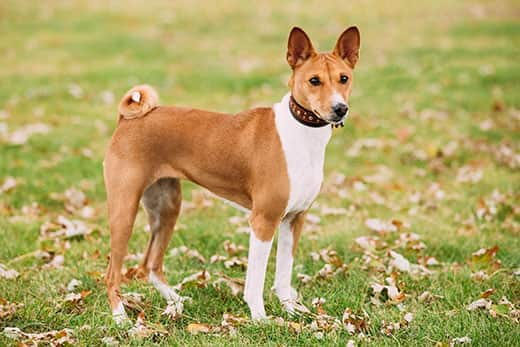
Breed plays a major role in how much a dog barks. Some breeds were bred to be alert and vocal. Others were bred to work quietly or to herd without noise. That means a calm, quiet dog can be normal for its type.
Breed factors to consider:
- Barking breeds: Beagles, Terriers, and many hounds bark often.
- Low-bark breeds: Basenjis, Greyhounds, and some scent hounds bark less.
- Individual temperament also matters. Two dogs of the same breed can differ.
If your dog is a quiet breed, silence alone is usually not a problem. Still, watch for sudden changes in sound or behavior. If your dog used to bark and now is silent, that is a red flag.

Health and medical causes
Medical issues can lower or remove a dog’s ability to bark. Look for signs like a hoarse sound, cough, trouble breathing, or pain when swallowing. Quick checks and a vet exam help.
Medical causes include:
- Laryngeal paralysis: A nerve problem that stops the voice box from working well.
- Throat infection or inflammation: Can make a bark weak or gone.
- Vocal cord damage: Trauma or surgery can harm the cords.
- Respiratory disease: Severe lung or airway problems change sound.
- Neurologic conditions: Diseases that affect nerves and muscles that control sound.
If you suspect a medical cause, seek vet care right away. A physical exam, scope, or imaging can diagnose many issues.

Age and development
Puppies and seniors may bark less for different reasons. Watch for patterns tied to life stage.
Puppies:
- Young pups may not bark yet or may bark in new ways.
- Social learning shapes vocal habits. Puppies mimic adult dogs.
Senior dogs:
- Older dogs may be quieter due to hearing loss or disease.
- Cognitive decline can change how dogs react and vocalize.
Ask yourself if the silence fits your dog’s age. If a puppy never learns to bark or an old dog suddenly stops, investigate further.

Behavior, training, and environment
Behavior and past training explain many cases of quiet dogs. Dogs adapt to what gets a response. If you want to know why doesn't my dog bark, consider the home rules and what the dog learned.
Behavioral reasons:
- Learned silence: Dogs that were scolded for barking may stop.
- Lack of stimulation: A bored dog may not bark because nothing excites it.
- Fear or anxiety: Some dogs go mute when they feel scared.
- Social cues: Dogs may mirror quiet owners or calm dogs in the pack.
How to tell the difference:
- Observe in different settings. Does the dog bark with friends or at the park?
- Note the trigger. A dog that barks at strangers but is silent at home likely learned that silence helps.
Practical training tips:
- Reward any sound to encourage vocalization.
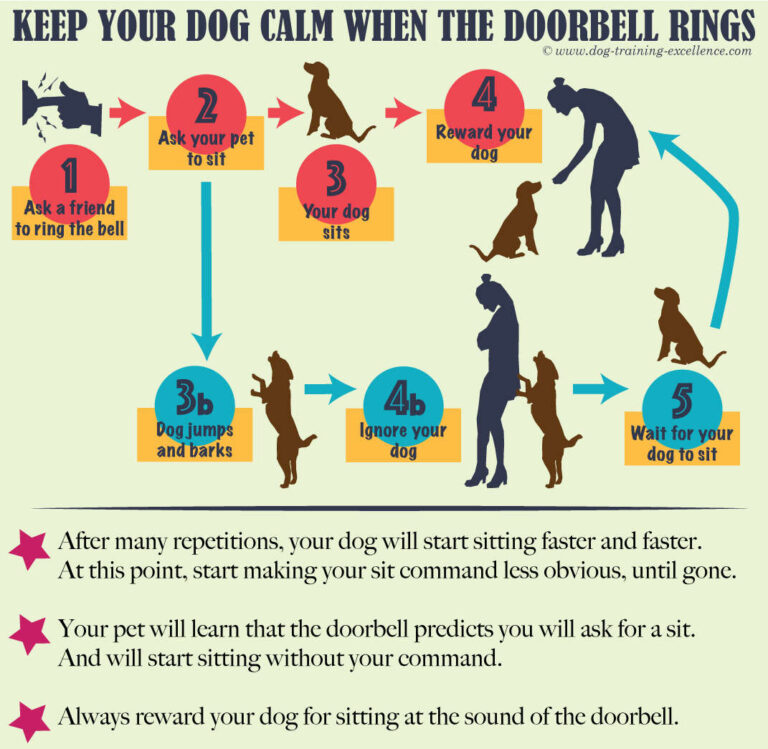
- Use play or doorbell training to recreate triggers in a safe way.
- Avoid punishment for silence or sound. Punishment can create more fear and shut a dog down.

Two short, common questions and answers
Why doesn't my dog bark when the doorbell rings?
- If your dog learned silence after being told off, it may stay quiet. Try pairing the bell with rewards so the dog learns the bell is okay.
Why doesn't my dog bark with other dogs?
- Some dogs are low-energy or submissive and won’t bark to avoid conflict. Social style and past experience shape that response.
How to encourage barking safely
If your dog’s silence is unwanted, encourage sound with gentle practice. Never force or shout at a dog to bark. That can harm trust and make fear worse.
Step-by-step approach:
- Find a trigger that arouses your dog, like toys or a treat jar sound.
- Reward any noise immediately with treats or play.
- Use a cue word like “speak” as the dog makes a sound.
- Repeat short sessions. Keep them fun and calm.
- Fade treats slowly so the dog barks on cue without food rewards.
Safety and limits:
- Don’t push a dog with a sore throat or respiratory problem to bark.
- Consult a vet before training a dog with health concerns.
- Respect breeds and personalities. Some dogs will never be loud.
:strip_icc()/puppy-barking-2804577-f7f6bffd80fa4edca1bd247ba52fc0a6.jpg)
When to see a vet
If your dog used to bark and stopped, see a vet. If the dog shows trouble breathing, gagging, drooling, or pain, seek emergency care.
Red flags that need vet care:
- Sudden loss of voice after an injury.
- Difficulty breathing or noisy breathing.
- Drooling, choking, or trouble swallowing.
- Weakness, collapse, or major behavior change.
A vet can run exams, imaging, and scope the throat. Treatment may be simple medicine or may need surgery depending on the diagnosis.

Personal experience and lessons learned
I once worked with a husky-hound mix that suddenly became nearly silent. The owner feared a lost bond. On exam we found mild throat infection and a new allergic cough. After a short course of meds and calm retraining, the dog regained volume. The key step was the vet check first, then gentle reward-based training.
Lessons I share:
- Start with health checks before training fixes.
- Keep training short and fun.
- Avoid punishment for barking or silence.
- Track patterns in a small notebook. Time, place, and who was there help find causes.
Related concepts and limits
Know these related terms and limits so you can ask the right questions:
- Aphonia: Loss of voice.
- Hypophonia: Reduced voice strength.
- Laryngeal paralysis: A nerve issue in older, large dogs.
- Breed norm: Some breeds are simply quiet by nature.
- Behavioral silence: Learned or fear-based lack of bark.
Limitations:
- Not all silence is fixable. Breed and age can be final factors.
- Training won’t overcome serious medical causes.
- Quick fixes rarely work. Slow, kind work brings lasting change.
Frequently Asked Questions of why doesn't my dog bark
Why doesn't my dog bark but still whines or howls?
Some dogs change vocal style. They might whine or howl but not bark. This can be normal or a sign of stress or a medical issue that affects pitch.
Could hearing loss cause my dog to stop barking?
Yes. Dogs with hearing loss may bark less because they no longer hear their own voice. Watch for delayed reactions to sounds and seek a vet check.
Is a quiet dog a sign of depression?
Silence can be a sign of low mood or stress. If your dog is also less active, not eating, or hiding, discuss this with your vet.
Can punishment make a dog stop barking permanently?
Yes. If a dog is scolded for barking, it may learn to stay silent to avoid punishment. This can harm trust and may hide problems the dog needs to signal.
How long should I wait to see a vet if my dog suddenly stops barking?
If the change is sudden and you see other symptoms, seek vet care the same day. If the change is gradual with no other signs, schedule a vet visit within a few days.
Conclusion
Silence in dogs has many answers. It may be normal for the breed, a learned habit, or a sign of illness. Start with observation, then check health, and use calm, reward-based steps to encourage safe vocal behavior. If the silence is sudden or comes with other symptoms, seek vet care promptly.
Take one step today: note when your dog is quiet and what else changed. Share your observations with your vet or trainer. If this article helped, leave a comment or subscribe for more dog care guides.

Pet Care Writer & Researcher
Daniel writes practical guides on daily care, feeding, and safety, turning complex topics into simple, actionable advice.