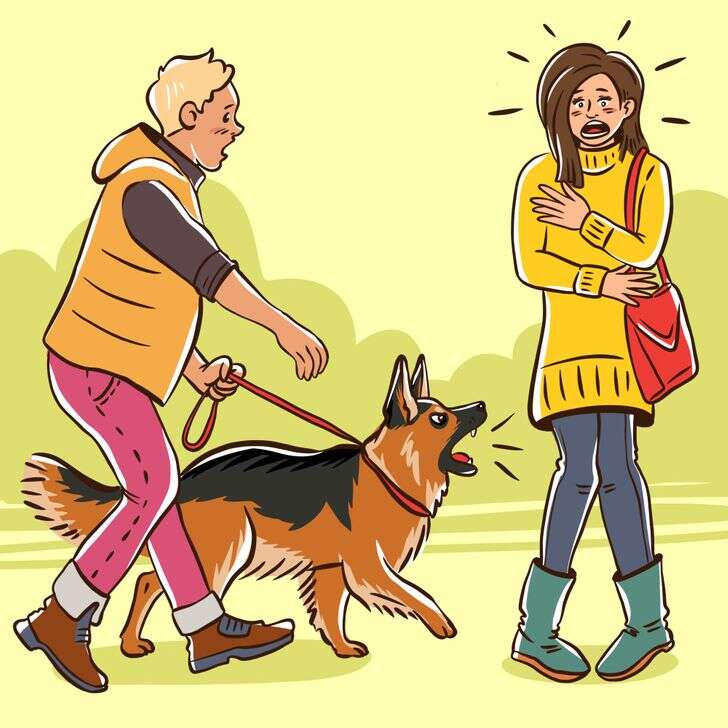
Do Yorkies Bark A Lot: Why They Bark And How To Stop
Worried do Yorkies bark a lot? Learn why it happens, when barking is normal, and simple training tips to reduce noise fast.
Yes — Yorkies often bark a lot because they are alert, bold, and easily excited.
I’ve worked with small-breed dogs for years and trained dozens of Yorkshire Terriers. This article explains why do yorkies bark a lot, what triggers their barking, when it becomes a problem, and practical, proven steps you can use to manage or reduce barking. Read on for clear advice, real-life tips, and simple training plans that work.

Why do yorkies bark a lot?
Yorkshire Terriers were bred as lively terriers. They are alert, protective, and quick to react. This mix of traits makes many people ask: do yorkies bark a lot? The short reality is yes—Yorkies often use barking to communicate, warn, and get attention.
Common reasons Yorkies bark include:
- Alerting to sounds or movement near the house.
- Seeking attention from family members.
- Expressing boredom or anxiety.
- Responding to other dogs or animals.
From experience, barking is a Yorkie’s default way to say something. They are small dogs with big personalities. Knowing the why helps you choose the right training and management plan.

Typical barking patterns and triggers
Yorkies bark at different things in different settings. Knowing common triggers helps answer do yorkies bark a lot in daily life.
Frequent triggers:
- Doorbell or knocks on the door.
- Passersby, bikes, or delivery trucks.
- Other dogs barking nearby.
- Sudden noises like thunderstorms or fireworks.
- Loneliness or lack of mental stimulation.
Patterns I’ve seen in training:
- Short, loud alert barks when strangers approach.
- Repetitive barking when they want attention.
- Continuous barking during long periods of isolation.
PAA-style questions (brief answers)
- Why does my Yorkie bark at night? It may be lonely, anxious, or reacting to outside noises. A consistent bedtime routine and some white noise can help.
- Will socialization reduce barking? Yes. Gentle exposure to people, places, and sounds usually lowers reactivity over time.

Training and management to reduce barking
If you want to change how much your Yorkie barks, a mix of training and environment changes works best. Here are clear steps I’ve used with clients that deliver results.
Basic training steps:
- Teach a reliable “quiet” cue. Reward silence immediately with a treat or praise.
- Use desensitization. Gradually expose your Yorkie to triggers at low intensity and reward calm behavior.
- Replace barking with a task. Ask for a sit or go-to-bed when a trigger appears, then reward.
- Keep training sessions short and frequent. Five to ten minute sessions, two to three times daily, often work best.
Environment and routine:
- Increase physical and mental exercise. Short walks plus puzzle toys reduce attention-seeking barking.
- Manage access to windows if outdoor stimuli provoke barking.
- Use consistent routines to reduce anxiety-driven barking.
Training tips from my experience:
- Avoid yelling. Yelling often sounds like joining the bark and makes it worse.
- Be patient. Change can take weeks. Consistency is the key to success.
- Consider professional help for persistent issues. A trainer can assess triggers and tailor a plan.

When barking signals a problem
Barking is normal, but it can also signal stress or health issues. Know when to act and when to seek help.
Warning signs to watch:
- Sudden increase in barking without clear triggers.
- Barking paired with changes in appetite, sleep, or mood.
- Distress barks—high-pitched, continuous, or frantic sounds.
- Aggressive or fearful body language alongside barking.
If you see these signs:
- Get a vet check to rule out pain or medical causes.
- Work with a certified trainer or behaviorist if anxiety or fear drives the barking.
- Track patterns in a log to identify triggers and progress.

Living with a Yorkie: real-life tips and mistakes to avoid
I’ve lived with Yorkies and coached owners. Here are practical tips and common mistakes to avoid when addressing do yorkies bark a lot.
Practical tips:
- Start training early. Puppies learn faster and form better habits.
- Use high-value treats for initial training success.
- Build social time with calm dogs and people to reduce reactivity.
- Rotate toys and puzzles to keep their minds busy.
Common mistakes:
- Giving attention for barking. Even scolding can reward the behavior.
- Assuming they will “grow out of it” without training.
- Overexposing them to triggers without guidance, which can increase fear.
Personal story
When I first adopted a Yorkie, I let visitors give attention during barking. The barking got worse. Once I started a “quiet” cue and asked for a sit before attention, barking dropped within two weeks. This taught me that simple, consistent rules beat ad-hoc reactions.

Frequently Asked Questions of do yorkies bark a lot
Do Yorkies bark more than other small breeds?
Yorkies tend to be more vocal than many breeds because of their terrier instincts and alert temperament, though individual differences matter.
Can training stop Yorkies from barking at strangers?
Training can greatly reduce stranger-directed barking by teaching alternative behaviors and desensitizing your Yorkie to new people.
Is excessive barking a sign of anxiety in Yorkies?
Yes. Excessive, repetitive barking paired with pacing or destructive behavior often points to anxiety and should be addressed with a vet or trainer.
At what age do Yorkies calm down and bark less?
Some Yorkies mellow after 2 to 4 years old, but consistent training from puppyhood has the biggest impact on long-term barking.
Are there tools that help control barking safely?
Tools like treat-dispensing toys, white noise machines, and proper crate training can help. Avoid punitive devices that cause fear or pain.
Conclusion
Yorkshire Terriers are naturally vocal, and the short answer to do yorkies bark a lot is yes—but you can shape that behavior. By understanding triggers, using consistent training, and improving their environment, most owners can reduce unwanted barking and enjoy a calmer companion. Start with one small training habit today—teach a “quiet” cue or add daily puzzle play—and track progress for two weeks. If you need help, consult a vet or certified trainer. Share your Yorkie stories or questions in the comments, subscribe for more tips, or try one training method and report back.

Pet Care Writer & Researcher
Daniel writes practical guides on daily care, feeding, and safety, turning complex topics into simple, actionable advice.