How To Get Dog To Stop Barking In Crate: Calm Crate Tips
Proven strategies for how to get dog to stop barking in crate fast and calmly. Step-by-step training, boredom fixes, and crate setup tips to quiet your pup.
Teach calm crate behavior with consistent training, comfort, and gradual desensitization over weeks.
I’ve worked with dog owners and trained my own dogs for years, so I know how stressful crate barking can be. This guide explains how to get dog to stop barking in crate with clear steps, why barking happens, and practical fixes you can use tonight and over the coming weeks. You’ll get step-by-step training, troubleshooting tips, product options, and real-life lessons I learned the hard way. Read on to end frantic nights and build calm crate confidence for your dog.
Understanding why dogs bark in a crate
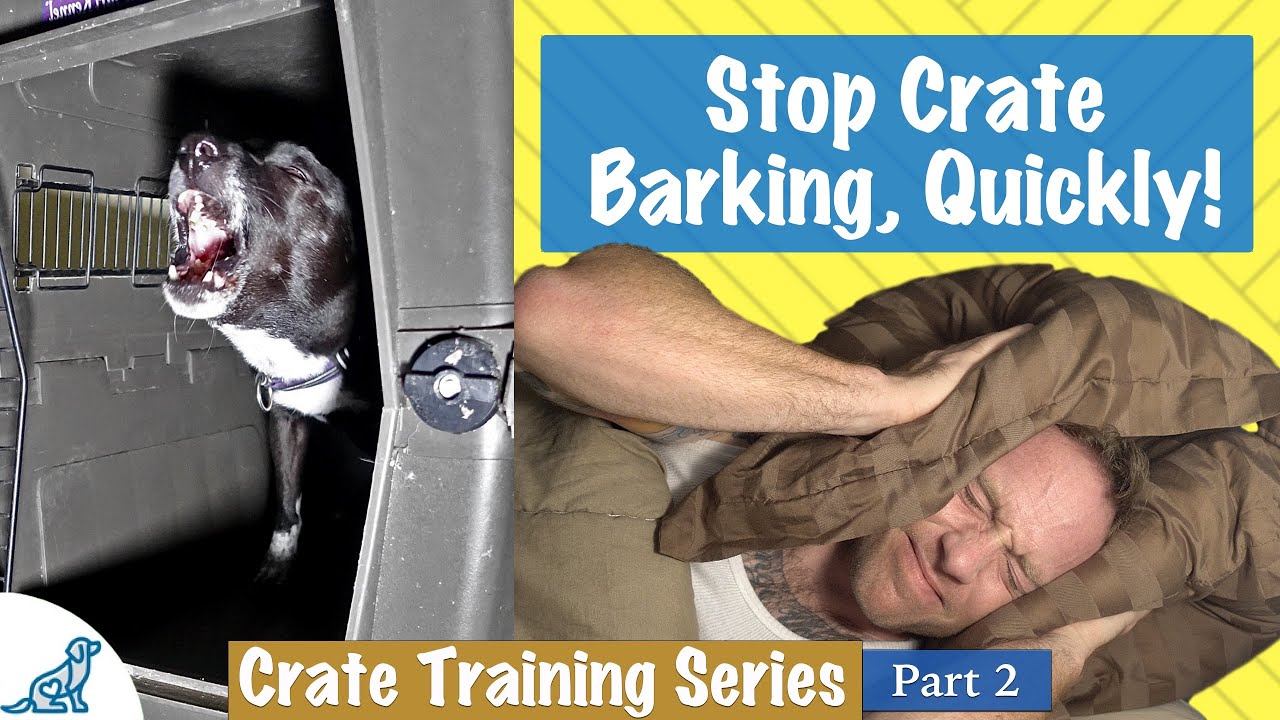
Dogs bark for a reason. Barking is how they tell us something is wrong, or how they ask for help. When your dog barks in a crate, it might mean they are scared, bored, in pain, or seeking attention.
Common causes of crate barking:
- Separation anxiety. The dog panics when you leave.
- Lack of crate conditioning. The crate feels new or scary.
- Boredom or excess energy. The dog needs exercise.
- Medical issues. Pain, bladder trouble, or illness can cause noise.
- Poor crate fit. The space may be too small or too large.
Understanding the cause helps you pick the right fix. For example, how to get dog to stop barking in crate for boredom is different than for separation anxiety. I once had a young Labrador who barked out of boredom. A longer walk and puzzle toys cut barking by half within days.
Immediate steps to stop barking in the crate tonight
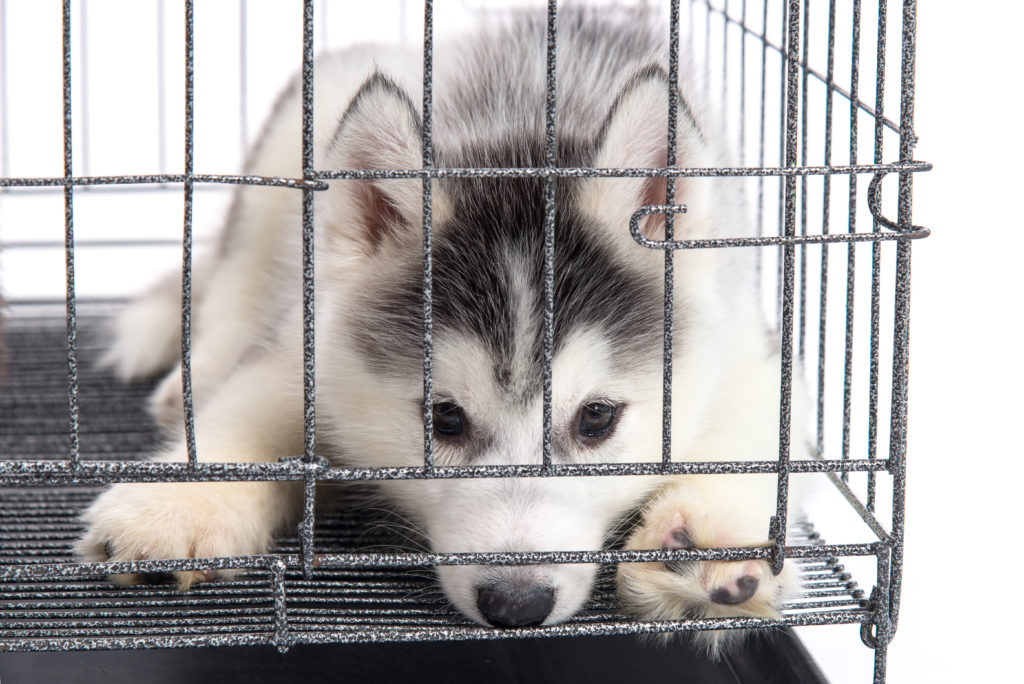
If you need quiet right now, use low-risk steps that do not reward panic barking. Short-term fixes can calm the situation while you train long-term habits.
Try these steps:
- Give a brisk walk before crating to burn off energy.
- Offer a stuffed chew or a durable treat to shift focus.
- Place the crate in a quiet room with a nightlight or low TV sound.
- Avoid letting your dog out while they are barking. Wait for silence first.
- Use a calm voice. Reassure, but don’t reward frantic barking.
Do not use scolding, shock collars, or punishment. Those methods can make crate fear worse. Patience tonight pays off tomorrow.

A step-by-step training plan to stop crate barking
Follow this gradual plan. Each step takes days to weeks. Go at your dog’s pace. Consistency is key to how to get dog to stop barking in crate.
Step 1 — Make the crate inviting
- Feed meals near or inside the crate.
- Add soft bedding and safe chews.
- Leave the door open during the day for exploration.
Step 2 — Short desensitization sessions
- Toss treats into the crate for calm entries.
- Close the door for a few seconds while you stay nearby.
- Open the door and reward quiet behavior.
Step 3 — Increase time and distance
- Slowly extend closed-door time to minutes, then longer.
- Move away for short periods. Return before the dog gets upset.
- Use a calm release routine so the dog knows the crate is temporary.
Step 4 — Build independence
- Practice leaving the house for short errands.
- Reward quiet behavior after you return.
- Gradually increase the duration you are away.
Step 5 — Reinforce calm long-term
- Keep a consistent schedule for meals, walks, and crate time.
- Use enrichment toys only in the crate to create a positive cue.
- Celebrate small wins and be patient with setbacks.
How to get dog to stop barking in crate depends on patience and repetition. In my experience, most dogs show steady improvement in 2–6 weeks when owners follow these steps daily.
Managing separation anxiety and medical causes
Separation anxiety needs special attention. Barking from anxiety is louder and more persistent. If your dog becomes frantic, destructive, or self-harms, take a careful approach.
Signs separation anxiety may be causing crate barking:
- Intense barking the moment you leave.
- Destructive behavior or pacing before barking.
- Urination or defecation in the crate despite training.
What to do:
- Work with a vet or certified behaviorist for severe cases.
- Use counter-conditioning: pair departures with positive experiences.
- Keep departures low-key. Avoid dramatic goodbyes.
- Consider short-term medication only under veterinary guidance.
Always rule out medical issues. A dog that suddenly starts barking in crate may be in pain or have a bladder issue. A vet visit can save weeks of frustration.

Tools and products that help reduce crate barking
The right gear can support training but never replace it. Use tools to make the crate comfortable and safe.
Useful items:
- Crate covers to create a den-like space.
- Slow-feed or puzzle toys for long-lasting focus.
- Calming pheromone sprays or diffusers for anxious dogs.
- Comfortable bedding that fits the crate well.
- A chew-proof mat for dogs that chew.
Avoid devices that simply stop barking without addressing the cause. Bark collars and shock devices can harm trust and increase anxiety. I found that puzzle toys plus a covered crate worked wonders for my anxious terrier. He learned to relax faster and bark less.

Troubleshooting common setbacks
Setbacks are normal. Progress rarely moves in a straight line. When barking returns, troubleshoot calmly.
Common setbacks and fixes:
- Regression after travel or change of routine
- Solution: Return to shorter sessions and rebuild slowly.
- Barking when alone at night
- Solution: Increase daytime exercise and use gradual night desensitization.
- Barking to get you out of crate
- Solution: Ignore barking. Only release when calm to avoid rewarding noise.
- Sudden barking after a vet visit
- Solution: Check for pain, then reintroduce crate as safe space with treats.
Track small wins. Keep notes on sessions, triggers, and improvements. This helps you see patterns and adjust how to get dog to stop barking in crate.

Personal experience and lessons learned
I trained three dogs to accept crates. Here are lessons that worked for me.
- Be predictable. Dogs thrive on routine. A set schedule cut barking quickly.
- Use value-based rewards. My dogs responded faster when I used special treats only for crate work.
- Keep sessions short and fun. Five-minute wins beat long stressful sessions.
- Don’t rush. Rushing the process creates setbacks that are harder to fix.
One mistake I made early on was letting barking earn freedom. I changed that rule immediately. The change reduced barking by half within a week.
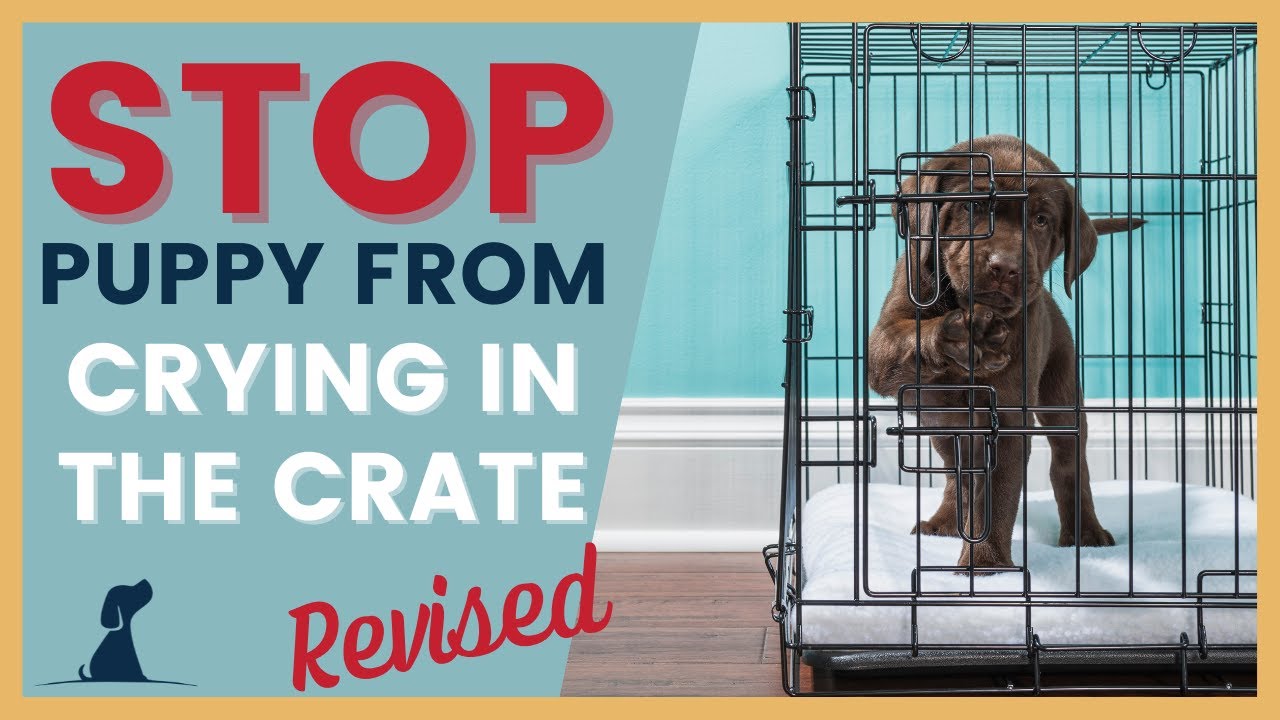
Frequently Asked Questions of how to get dog to stop barking in crate
Why does my dog bark non-stop in the crate?
Dogs bark when anxious, bored, or uncomfortable. Check for medical issues, ensure enough exercise, and practice short, positive crate sessions to address the root cause.
How long does crate training take before barking stops?
Most dogs show noticeable improvement in 2–6 weeks with consistent daily work. Severe anxiety can take longer and may need professional help.
Can I let my dog out when they bark in the crate?
Avoid releasing your dog while they are barking. Wait for silence, then release calmly. This teaches that quiet behavior, not barking, leads to freedom.
Are bark collars a good solution for crate barking?
Bark collars only mask the symptom and can worsen fear or anxiety. Use training, enrichment, and vet advice instead of aversive tools.
What if my dog only barks at night in the crate?
Increase daytime exercise and mental play. Create a consistent bedtime routine and practice staying calm in the crate before bedtime.
Conclusion
Stopping crate barking takes understanding, patience, and a plan. Focus on cause, use gentle desensitization, and build positive crate habits. Track your progress, adjust when needed, and seek professional help for severe anxiety or medical problems. Start small tonight with a calm walk and a treat-filled toy, and commit to short daily training. Try the steps above, leave a note about what worked for you, and subscribe or comment to keep learning more about helping your dog feel safe and quiet in the crate.

Pet Care Writer & Researcher
Daniel writes practical guides on daily care, feeding, and safety, turning complex topics into simple, actionable advice.