Why Do Dogs Bark At Night: Causes And Solutions
Learn why do dogs bark at night, what triggers nighttime barking and easy fixes to quiet them so you can sleep better. Expert tips and quick solutions.
Dogs bark at night mainly because they are alerting, bored, anxious, or responding to sounds.
I’ve worked with dozens of dog owners and trainers, and I know exactly why do dogs bark at night and what practical steps actually help. This guide breaks down the common causes, real-life examples, hands-on training tips, medical checks, and simple fixes so you can reduce nighttime noise and improve sleep for your family and your dog. Read on to learn actionable solutions backed by experience and clear explanations.

Common causes: why do dogs bark at night
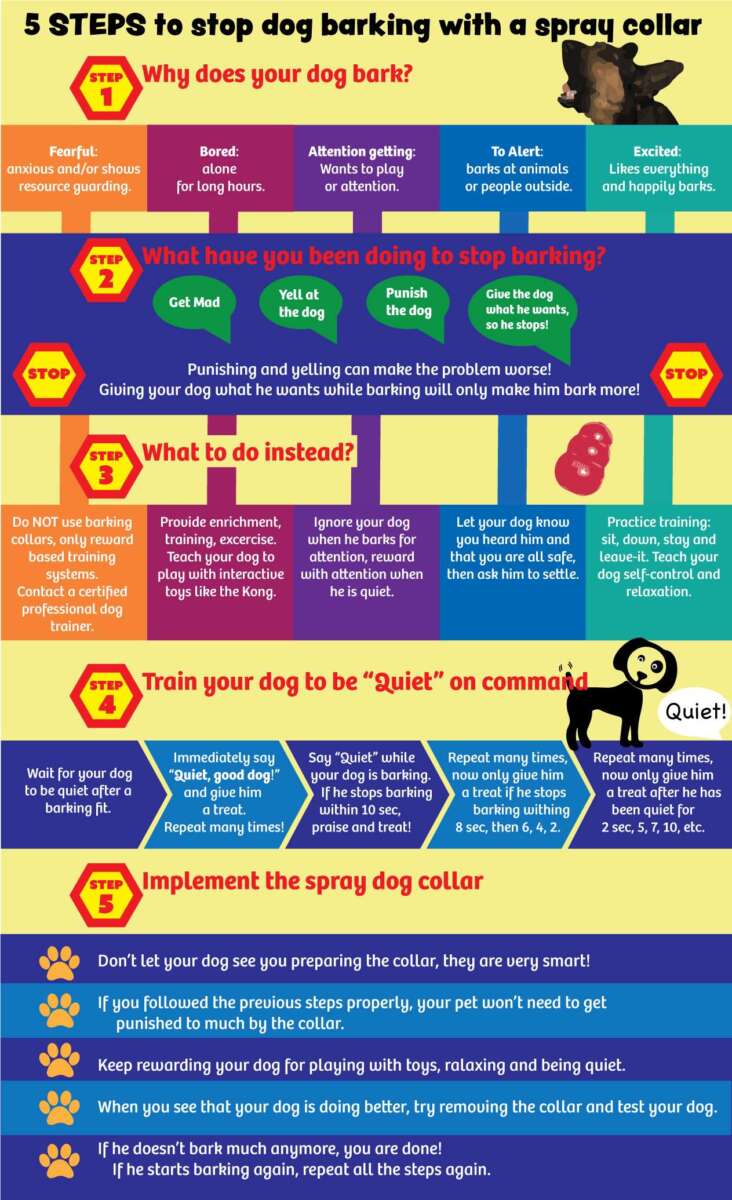
Dogs bark at night for many reasons. Some are harmless. Others signal stress or a health issue. Nighttime heightens trigger sensitivity because the world is quieter and dogs rely heavily on sound and smell.
Key causes include:
- Alerting to sounds like cars, wildlife, or neighbors moving about.
- Boredom and pent-up energy from too little daily exercise.
- Separation anxiety when left alone or separated from family.
- Medical problems causing pain or disorientation, especially in older dogs.
- Territorial or social signaling toward other animals or humans.
- Learned behavior reinforced by attention or inconsistent responses.
Why do dogs bark at night differs by dog. Small breeds often bark more to alert, while working dogs may vocalize out of unmet instincts. Understanding the root cause helps you choose the right solution.

Night-specific triggers and how they work
Nighttime changes the environment. Low light and thin soundscapes make dogs rely on hearing and smell. That can magnify normal noises into urgent threats in a dog’s mind.
Common night triggers:
- Passing cars, distant sirens, and trash trucks.
- Wildlife such as raccoons, deer, or coyotes near yards.
- Neighbors arriving home or dogs outside barking.
- Lights, shadows, and movement seen through windows.
- Changes in routine like late shifts, travel, or visitors.
Dogs interpret these cues differently. An unfamiliar noise might prompt a quick alert bark for some dogs or a full-on chorus for others. Observing when barking happens helps identify specific triggers and tailor training.

Behavioral reasons and learning patterns
Barking is a natural canine behavior. It becomes a problem when it’s excessive or reinforced.
How behavior develops:
- Attention reinforcement — barking gets you to respond, even if it’s to scold.
- Routine reinforcement — dogs bark at predictable events like nightly deliveries.
- Social learning — dogs copy other barking animals in the neighborhood.
- Fear and anxiety — barking is a coping tool for stress.
To change behavior, you must remove reinforcement and teach alternative responses. Consistency is critical. Short bursts of training every day beat occasional heavy-handed approaches.

Medical and age-related causes to rule out
Sometimes barking signals an underlying health issue. Always rule out medical causes before assuming it’s purely behavioral.
Medical concerns include:
- Pain from arthritis, dental disease, or injury.
- Cognitive dysfunction in senior dogs causing confusion or nighttime pacing.
- Hearing or vision loss leading to increased alertness or disorientation.
- Urinary problems or needing to relieve themselves more frequently.
- Endocrine issues that change behavior or energy levels.
If barking is sudden, changes in pattern, or comes with other signs like pacing, panting, loss of appetite, or disorientation, seek a vet exam. Treating a health problem often reduces nighttime barking quickly.

Practical training and management strategies
You can reduce barking with patient, consistent methods. Mix training, environmental changes, and management to see steady gains.
Training steps:
- Identify triggers by keeping a log of barking times and what happened before and after.
- Teach a reliable “quiet” cue using positive reinforcement and short sessions.
- Reward calm behavior with treats or attention rather than rewarding barking.
- Desensitize and counter-condition to common triggers with controlled exposure.
- Increase daytime exercise and mental stimulation to reduce nighttime energy.
- Use crate or safe den training if it reduces anxiety and gives a calm sleep spot.
Management tools:
- White noise machines or fans to mask distant sounds.
- Secure fencing and motion-light adjustments to reduce outside triggers.
- Window coverings to limit visual triggers from shadows and lights.
- Pheromone diffusers, calming supplements, or anxiety wraps when appropriate.
I once worked with a family whose terrier barked nightly at raccoons. Simple motion-activated lights, a short desensitization plan, and a “quiet” cue reduced barking within two weeks. Consistent reinforcement matters most.

Environmental changes and home setup
Small changes to the home can make a big difference. Nighttime is about reducing triggers and improving comfort.
Effective tweaks:
- Create a quiet, dark sleeping area away from windows and doors.
- Play low-level calming music or white noise to mask distant sounds.
- Add comfy bedding and an item with your scent to lessen separation anxiety.
- Block sightlines to the street to prevent visual triggers.
- Keep a consistent evening routine to signal downtime.
Limitations: environmental changes help many dogs but usually work best combined with training or veterinary care when anxiety or medical issues are present.

Tools, products, and when to use them
There are many tools to help, but choose based on cause and dog temperament.
Options include:
- White noise machines or apps for sound masking.
- Anxiety wraps and calming jackets for mild stress relief.
- Pheromone diffusers and calming supplements after vet approval.
- Remote training collars only under professional guidance and for specific use cases.
- Crates and den-style beds for dogs that feel secure in enclosed spaces.
Avoid punitive devices that cause fear. Tools should support positive training and not replace behavior work or veterinary care.

When to call a professional: trainer vs. behaviorist vs. vet
Knowing who to call saves time and stress.
Guidelines:
- Start with a vet if barking is sudden or accompanies other health signs.
- Consult a certified trainer for basic obedience and reinforcement strategies.
- Hire a veterinary behaviorist for severe separation anxiety, aggression, or complex cases.
- Choose professionals who use positive, evidence-based methods.
Be ready to share your log of barking events and any medical history. That helps professionals make faster, more accurate plans.
Common myths and mistakes to avoid
Some popular ideas make the problem worse. Avoid these traps.
Myths and mistakes:
- Myth: Yelling stops barking. Reality: It often reinforces or escalates it.
- Mistake: Using punishment without addressing causes. This can increase fear.
- Myth: Older dogs can’t learn new habits. Reality: They can, but need patient pacing.
- Mistake: Ignoring daytime activity. Dogs with pent-up energy bark more at night.
Focus on understanding and correcting causes rather than quick fixes.
Personal experience and lessons learned
From years helping owners, I’ve seen patterns repeat. Sharing a few lessons may help you move faster.
What I learned:
- Consistency beats intensity. Short, daily sessions produce better results than long, sporadic ones.
- Track triggers. A simple notebook or phone log uncovers patterns you can act on.
- Combine solutions. A crate, extra walk, and training cue together often work better than any single tactic.
- Be patient with anxious dogs. Rushing can break trust and slow progress.
- Ask for help early. A brief consult with a pro prevents months of trial and error.
One case: a family rescued a young dog that barked nightly. The dog had past trauma linked to storms. A routine, desensitization to sound, and a safe den reduced barking in six weeks. Small wins add up quickly when you stay consistent.
PAA-style questions you might search for
Why do dogs bark at night at nothing?
Many times dogs respond to sounds humans barely notice, or to shadows and smells. They may bark out of habit or alertness even if no obvious cause is visible.
Can lack of exercise make dogs bark at night?
Yes. Dogs with excess energy often vocalize after bedtime. More daytime play and walks typically reduce nighttime barking.
Will neutering reduce nighttime barking?
Neutering can reduce some hormonally driven behaviors but usually won’t solve barking caused by anxiety, boredom, or triggers. It helps in some territorial or mating-related cases.
Do certain breeds bark more at night?
Some breeds bred for guarding or alerting tend to bark more. However, individual temperament, training, and environment are often stronger factors than breed alone.
How quickly can training reduce nighttime barking?
Early improvements can appear in days, but consistent change often takes several weeks. Complex cases with anxiety or medical issues require longer plans.
Frequently Asked Questions of why do dogs bark at night
Why do dogs bark at night for no reason?
Dogs may seem to bark for no reason because they detect faint sounds, scents, or movements we miss. It can also be habitual or a sign of anxiety.
How can I stop my dog from barking at night immediately?
Immediate steps include moving your dog to a quieter room, providing white noise, and offering a calming activity. Long-term solutions require training and addressing the root cause.
Is nighttime barking a sign of separation anxiety?
It can be, especially if barking starts when the owner leaves or during the night when the dog is alone. Look for pacing, destruction, or frantic behavior as other signs.
Can medication help reduce nighttime barking?
Medication can help when barking stems from anxiety or a medical condition, but it should be prescribed by a vet and paired with behavior work. Medication alone rarely fixes behavior long-term.
Should I punish my dog for barking at night?
Punishment often increases fear or stress and may worsen barking. Positive reinforcement for quiet behavior and consistent training is more effective and humane.
Conclusion
Nighttime barking has many causes, from simple alertness to underlying health or anxiety issues. Start by observing patterns, ruling out medical causes, and applying consistent training and environmental fixes. Small, steady changes—like better daytime exercise, a calming bedtime routine, and a clear “quiet” cue—can lead to big improvements. If the problem persists, consult your vet or a certified behaviorist for a focused plan. Try one new step this week, track progress, and celebrate small wins—your dog and your neighbors will thank you. Leave a comment with your dog’s story or subscribe for more practical pet behavior tips.

Pet Care Writer & Researcher
Daniel writes practical guides on daily care, feeding, and safety, turning complex topics into simple, actionable advice.