
Do Muzzles Stop Dogs From Barking: What Owners Should Know
Learn if do muzzles stop dogs from barking, when they’re appropriate, humane alternatives, and expert tips to reduce barking safely. Read now.
Muzzles can reduce or muffle barking short-term, but they do not fix the cause.
As a certified trainer and behavior consultant with years of hands-on work, I will explain whether do muzzles stop dogs from barking, how they affect sound and behavior, and when using a muzzle is appropriate versus when training is needed. Read on to get clear, practical guidance and real-world tips so you can make an informed choice about muzzles and barking.
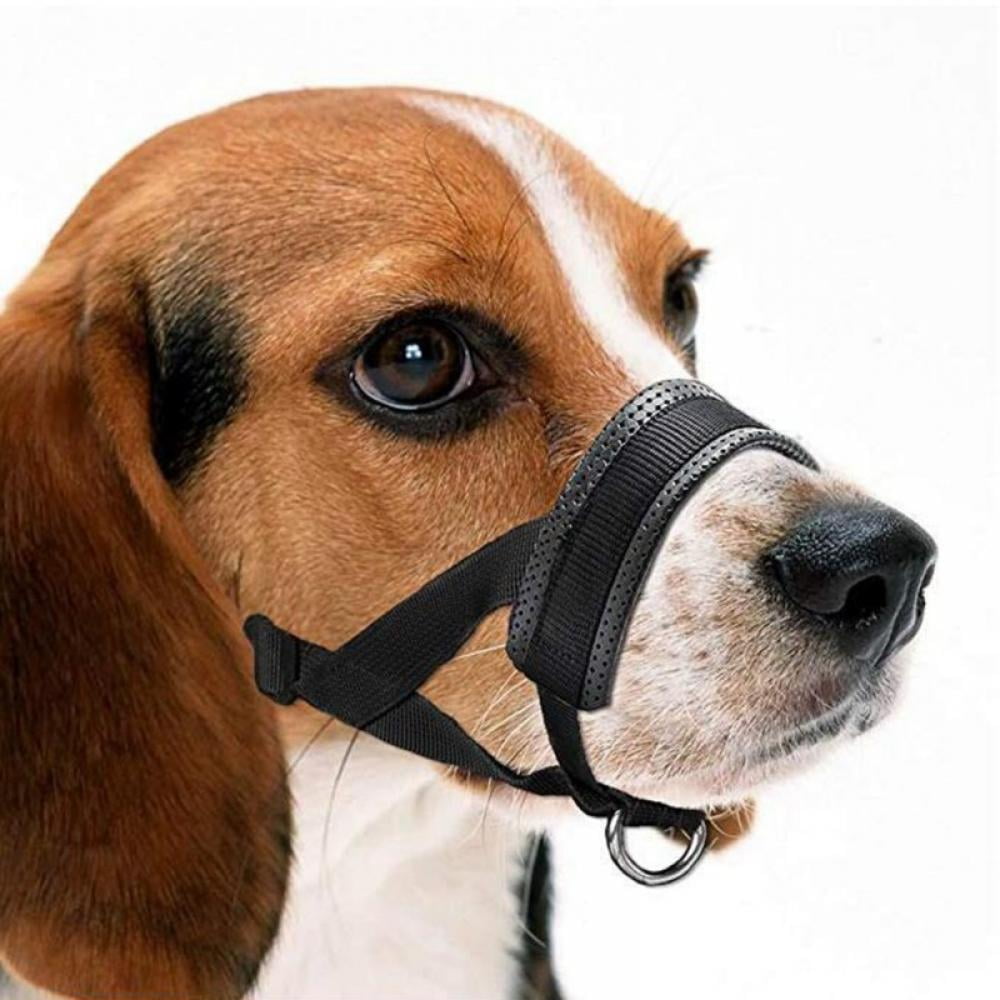
How muzzles work: mechanics and behavior
A muzzle is a device that covers a dog’s mouth. It limits how wide a dog can open its jaw and can block full-force lunges. When people ask do muzzles stop dogs from barking, they often mean two things: do muzzles stop the sound, and do muzzles stop the dog from forming the habit.
Physically, most muzzles reduce the volume and force of a bark. They do not remove the dog’s desire to vocalize. The dog may still make noise, cough, or emit muffled barks. Behaviorally, using a muzzle without parallel training leaves the underlying triggers unchanged.
From my experience working with reactive and anxious dogs, muzzles are best viewed as a safety tool. They protect people and other animals while you work on the reason the dog barks. Ask whether you want a temporary safety measure or a long-term behavior change before choosing a muzzle.

Types of muzzles and their sound effects
Different muzzle styles change barking in different ways.
- Basket muzzles: allow panting and treats, but soften barks. They reduce loudness but do not fully stop sound.
- Soft fabric muzzles: limit mouth closure more and tend to muffle or silence barking to a greater degree. They can be restrictive for longer wear.
- Short or enclosed muzzles: designed to prevent biting; they often produce the strongest reduction in bark volume.
Each type has trade-offs. Basket muzzles are safer for longer use and heat tolerance. Soft muzzles may stop barking more but carry risk of overheating. When you consider do muzzles stop dogs from barking, think about the dog’s health and the context of use.
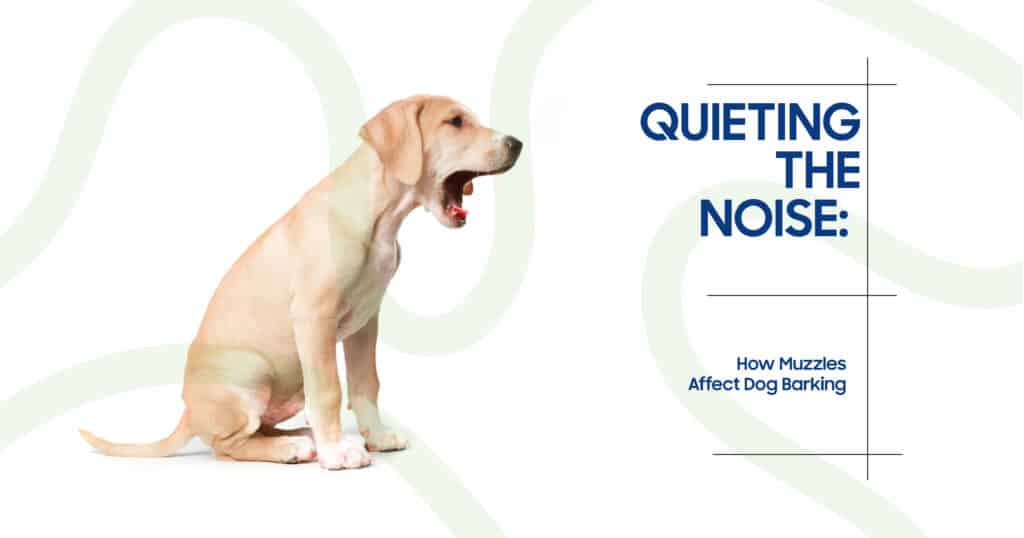
Effectiveness for barking: short-term vs long-term
If the question is simply do muzzles stop dogs from barking right now, the answer is often yes in the short term. A well-fitted muzzle reduces the loudness and force of barking immediately. That can be valuable in public, during vet visits, or while transporting a dog.
If the question is do muzzles stop dogs from barking forever, the answer is no. Muzzles do not address triggers like fear, boredom, territorial instinct, or attention-seeking. Without training, the dog will still want to bark and may find other outlets for stress. In my practice I used muzzles to create safe windows for behavior work. I would never rely on a muzzle alone to fix barking.
Common PAA-style quick questions:
- Will a muzzle hurt my dog? Properly fitted muzzles do not hurt, but they must allow panting and drinking when needed. Check fit and comfort often.
- Can muzzles be used for long-term silence? Long-term muzzle-only use is not humane and does not solve the cause of barking.
- Does a muzzle block all vocalizations? No. Most muzzles muffle but do not fully stop all sounds.
 barking”
style=”max-width: 100%; height: auto; border: 2px solid black; border-radius: 10px; display: block; margin: 0 auto;”
loading=”lazy”
/>
Benefits and limitations of using muzzles for barking
Benefits:
* Immediate reduction in bark volume for safety and peace.
* Provides a controlled environment for training to take place.
* Prevents biting during high-stress situations.
Limitations:
- Does not correct the underlying behavior that causes barking.
- Can increase stress if used improperly or without proper desensitization.
- Not a substitute for exercise, enrichment, or training.
From firsthand cases, I learned that owners who rely solely on muzzles often delay the real work. A dog that is muzzled but still anxious or bored will remain at risk for behavioral decline. Use muzzles as part of a plan, not as the entire plan.

Training strategies to reduce barking (instead of or alongside muzzles)
A muzzle can give you breathing room. Use that time to implement clear training steps.
- Identify the trigger: note when and why your dog barks.
- Desensitization: expose the dog to the trigger at low intensity and pair it with rewards.
- Counter-conditioning: teach the dog a calm response to the trigger.
- Enrichment and exercise: reduce excess energy with walks and mental games.
- Professional help: consult a certified trainer or behaviorist for persistent cases.
I once helped a neighbor with a barking Labrador. We used a muzzle at first to prevent stress outbreaks during walks. In three weeks of desensitization and structured play, the Labrador barked far less and the muzzle became unnecessary.

Safety, fit, and humane use of muzzles
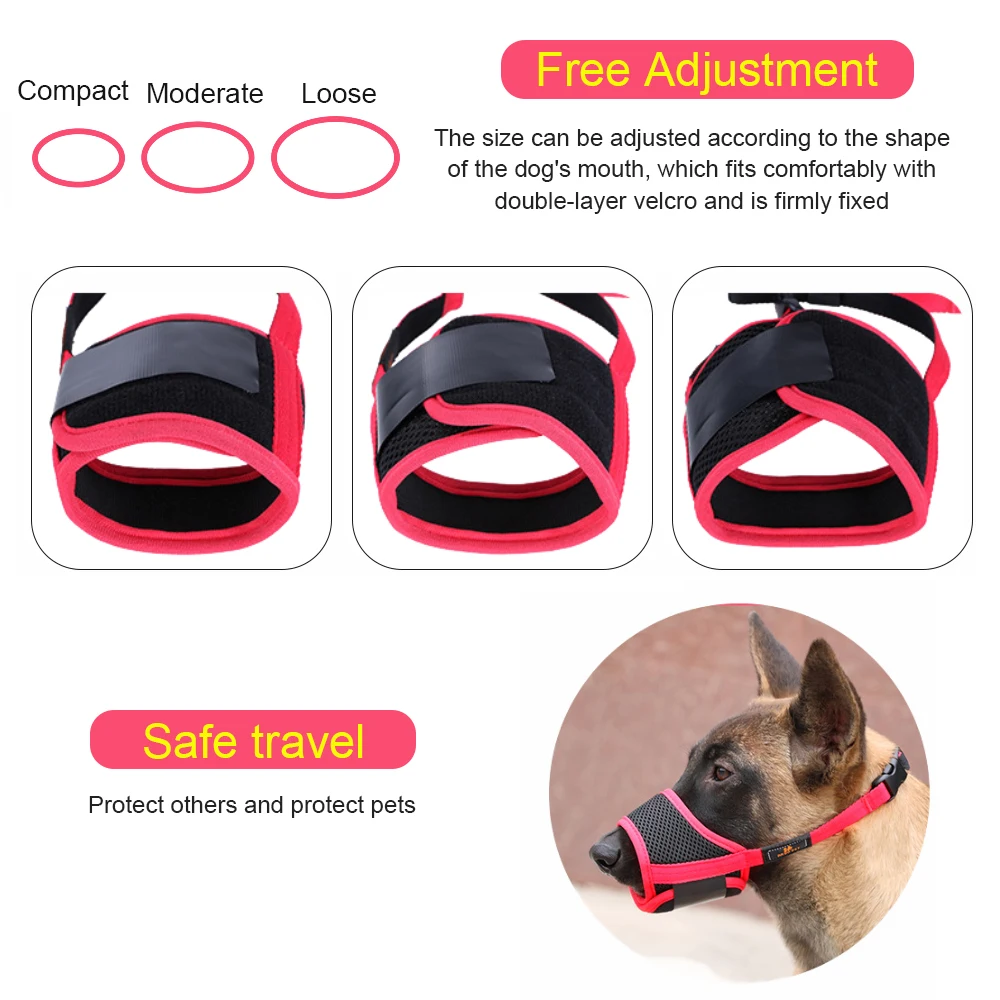
Proper fit is critical. A muzzle must allow panting, drinking, and normal breathing. Follow these steps to fit a muzzle safely:
- Measure your dog’s snout and choose the correct size.
- Check that the dog can open its mouth enough to pant comfortably.
- Introduce the muzzle with treats and positive association.
- Limit wear time and never leave a muzzled dog unsupervised for long.
Be transparent about limitations. If you ask do muzzles stop dogs from barking, remember that poorly fitted or punitive muzzles can increase fear. My rule: never use a muzzle as punishment. Use it as a safety tool while you apply positive training.

Practical examples and real-life tips
From my work with shelters and pet owners, these practical tips helped most dogs:
- Use basket muzzles for short public trips and training sessions.
- Pair muzzle introduction with favorite treats and short positive sessions.
- Track progress with video so you can see how triggers change over time.
- Combine muzzle use with scheduled enrichment to reduce boredom-driven barking.
One case involved a rescue terrier who barked at delivery drivers. A muzzle kept interactions safe while we trained the dog to look at the owner for a reward when a knock occurred. Within a month, the dog’s alarm barking dropped dramatically and the muzzle was rarely needed.

Frequently Asked Questions of do muzzles stop dogs from barking
Do muzzles completely stop a dog from barking?
No. Muzzles usually reduce volume and force but rarely eliminate all vocalizations. They are mainly a short-term safety measure.
Is it cruel to muzzle a barking dog?
Not if used correctly. Humane muzzle use includes proper fit, positive introduction, and limited wear time. Avoid muzzling as punishment.
How long can a dog wear a muzzle?
Short periods are safest. Basket muzzles may be worn longer if the dog can pant and drink, but supervision is essential. Never leave a muzzled dog unattended for extended hours.
Can training remove the need for a muzzle?
Yes. With consistent training and enrichment, many dogs stop problematic barking and no longer need a muzzle. Some dogs may still need a muzzle in rare stressful situations.
Should I use a muzzle every time my dog barks?
No. Use a muzzle when safety is a concern or when training needs a controlled environment. Relying on a muzzle alone will not stop barking long-term.
Conclusion
Muzzles can reduce noise and keep people safe right away, but they do not fix the reasons a dog barks. Use a muzzle as a temporary, humane tool while you work on training, enrichment, and addressing triggers. Start with a proper fit, introduce the muzzle positively, and pair its use with a clear behavior plan. Try the steps in this article, consult a professional if needed, and track progress with patience. If this helped, subscribe for more behavior tips or leave a comment with your experience using muzzles.

Pet Care Writer & Researcher
Daniel writes practical guides on daily care, feeding, and safety, turning complex topics into simple, actionable advice.