
What Could Cause A Dog To Bark: Top Reasons & Fixes
Learn what could cause a dog to bark, from boredom and anxiety to medical issues, plus expert tips to stop excessive barking and improve behavior.
What could cause a dog to bark: communication, fear, boredom, pain, attention-seeking, or instinct.
I’ve worked with dogs for years and taught owners how to read and respond to canine vocal signals. This article explains what could cause a dog to bark, how to tell one reason from another, and practical steps you can take today. You’ll get clear causes, real-life tips I’ve used with clients, and action plans for common barking problems.

Why dogs bark: the basic reasons and meaning
Dogs use barking to talk. Barking is a normal, natural behavior. Understanding what could cause a dog to bark starts with seeing barking as a form of communication.
Dogs bark to alert. They bark to warn other dogs or people. Dogs bark from fear and anxiety. Dogs bark when bored or lonely. Dogs bark when in pain or discomfort. Dogs bark because of breed traits or instinct.
Reading the tone, timing, and triggers helps you figure out what could cause a dog to bark. A rapid, high-pitched bark often means excitement. Low, continuous barking can mean alarm or frustration. Knowing this helps you respond effectively.

Common causes of barking and how to recognize them
Below are frequent reasons and signs to watch for when you wonder what could cause a dog to bark.
- Communication and alert
- Triggered by sounds, people, or movement near the house.
- Short bursts or repeated barks when someone walks by.
- Fear and anxiety
- Barking paired with cowering, pacing, or hiding.
- Seen during storms, fireworks, or unfamiliar situations.
- Territorial and protective behavior
- Barking at strangers, other animals, or through windows.
- Often accompanied by stance or growling.
- Boredom and lack of exercise
- Long, repetitive barking when left alone.
- May include destructive behavior or restlessness.
- Attention-seeking
- Barking stops when you respond or give attention.
- Happens during mealtimes, when you leave, or when you ignore the dog.
- Medical issues and pain
- Sudden increase in barking with changes in movement or appetite.
- Often seen in older dogs or after injury.
- Aging and cognitive decline
- Nighttime barking, confusion, or restlessness.
- Can be a sign of cognitive dysfunction.
- Learned behavior
- If barking reliably produces a reward, it becomes habitual.
- Owners often reinforce this unknowingly.
- Breed and instinct
- Some breeds bark more due to working or guarding roles.
- Herding and small companion breeds often vocalize frequently.
Understanding these patterns will help you answer what could cause a dog to bark in your own home or neighborhood.

Medical and pain-related causes: what to watch for
Health issues often trigger changes in barking. When wondering what could cause a dog to bark, consider medical causes first if the barking appears abrupt or severe.
Common medical triggers include ear infections, dental pain, arthritis, neurological issues, and medication side effects. Watch for limping, reduced appetite, or changes in bathroom habits. Sudden vocal changes or hoarseness can point to throat or larynx problems.
If you suspect pain or illness, document when the barking happens and any other signs. A vet exam, basic bloodwork, and a physical assessment will rule out urgent issues. Quick treatment often reduces barking that stems from pain.

Behavioral causes and training fixes: practical steps that work
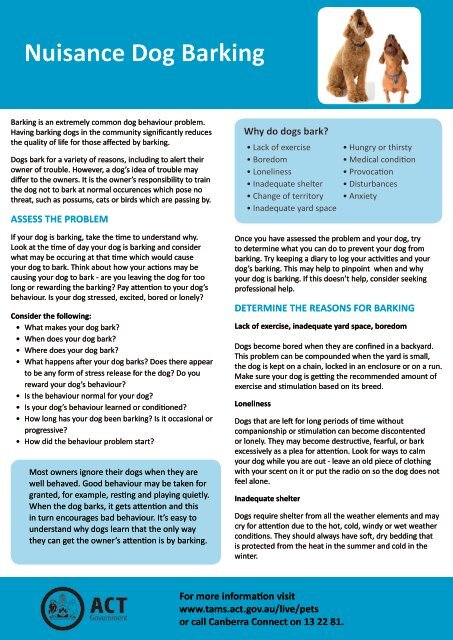
Once medical causes are ruled out, behavioral strategies often solve barking problems. Here are methods I’ve used with dog owners that produce reliable results.
- Identify the trigger
- Keep a diary for a week. Note time, trigger, and context.
- Change the environment
- Close blinds, add white noise, or use barriers to block visual triggers.
- Increase exercise and enrichment
- Tired dogs bark less. Add walks, play, and puzzle toys.
- Teach alternative behaviors
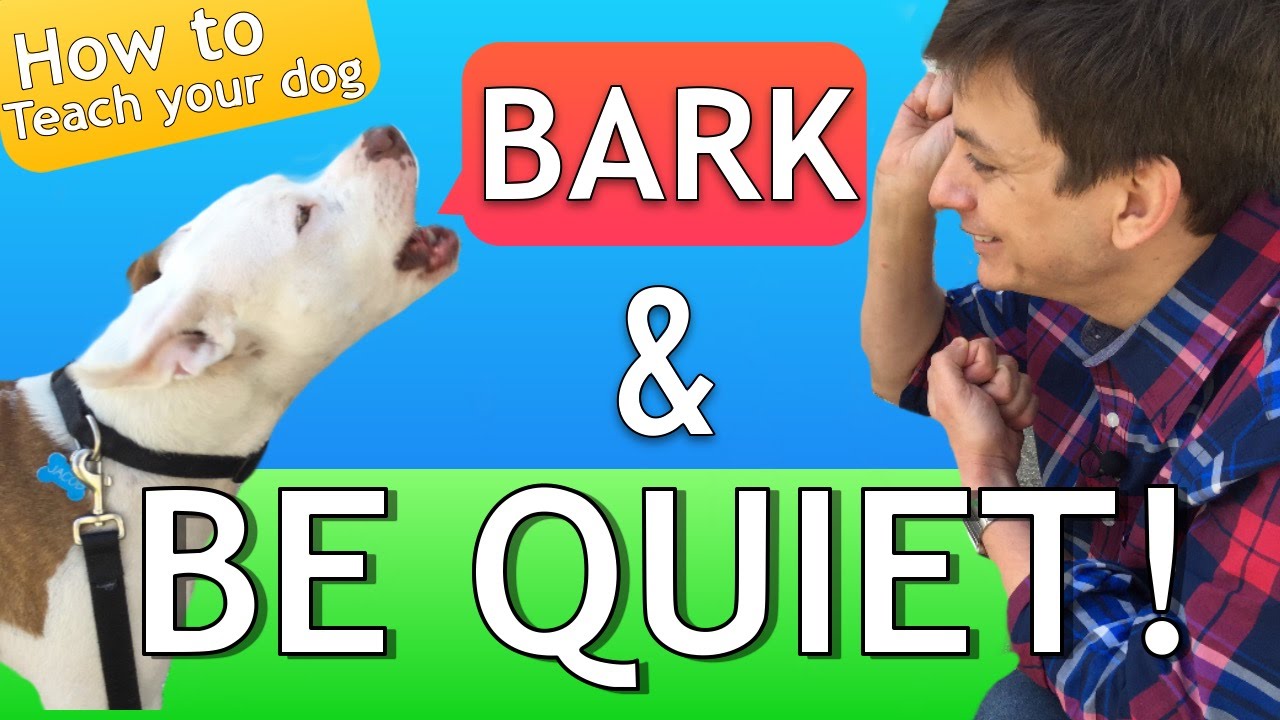
- Train "quiet" and reward silence. Reward a calm sit before giving attention.
- Desensitization and counter-conditioning
- Gradually expose the dog to the trigger at low intensity and pair with treats.
- Avoid reinforcing unwanted barking
- Ignore attention-seeking barks. Reinforce only quiet, calm behavior.
- Use professional guidance when needed
- A certified trainer or behaviorist helps with persistent or complex cases.
From my experience, consistency and timing matter most. Owners who reward quiet within two seconds see faster progress. One mistake I’ve seen is punishing barking without addressing the trigger; that can increase anxiety and make barking worse.
Preventive measures and home strategies
Prevention is often simpler than correction. Here are steps that reduce the chance you’ll ask what could cause a dog to bark in the future.
- Create a consistent routine
- Feed, walk, and play at similar times each day.
- Provide mental stimulation
- Use food puzzles, scent games, and short training sessions.
- Manage the environment
- Block the view from windows or limit access to problem rooms.
- Socialize early and safely
- Gradual, positive exposure reduces fear-based barking.
- Use calming tools when needed
- Thundershirts, pheromone diffusers, and soothing music can help.
- Monitor loneliness and separation
- Short departures with positive returns lessen separation barking.
Small daily changes prevent many barking problems. I advise clients to do a 20-minute enrichment routine daily and to rotate toys weekly for novelty.
When to seek professional help
Some barking needs expert attention. Know the signs that mean it’s time to call a vet or behaviorist.
- Red flags for immediate vet care
- Sudden change in bark, signs of pain, trauma, or loss of coordination.
- When a behaviorist is appropriate
- Long-term anxiety, aggression, or safety concerns.
- Medication and therapy
- In some cases, behavior modification plus medication gives the best results.
- Choosing the right professional
- Seek a certified applied animal behaviorist or a vet behaviorist for complex issues.
Early intervention often shortens treatment. If you feel overwhelmed or unsafe, contact a professional sooner rather than later.

Frequently Asked Questions of what could cause a dog to bark
What could cause a dog to bark excessively at night?
Excessive nighttime barking can stem from loneliness, anxiety, or cognitive decline in older dogs. Improve sleep routines and rule out medical issues with your vet.
How do I know if my dog barks from boredom versus anxiety?
Boredom-related barking is repetitive and linked to lack of activity. Anxiety barking comes with pacing, drooling, or attempts to hide. Track context and timing to tell the difference.
Can pain cause sudden barking in a calm dog?
Yes. Pain or discomfort can trigger sudden, persistent barking. If barking appears alongside limping, reduced appetite, or sensitivity, see a vet promptly.
When is barking normal for my breed?
Some breeds are naturally more vocal due to their history and roles, such as herding or guarding breeds. Breed tendencies explain frequency but not problematic barking that signals stress.
Will punishing my dog stop barking?
Punishment can backfire by increasing fear and making barking worse. Positive reinforcement for quiet and removing rewards for unwanted barking is a safer, more effective approach.
Conclusion
Barking is a natural tool dogs use to express needs, fear, excitement, and discomfort. To solve "what could cause a dog to bark," first observe patterns, rule out medical causes, and then apply consistent behavioral strategies. Small, steady changes—more exercise, mental enrichment, and clear training—often cut barking dramatically. If you’re stuck, seek a professional to assess health and behavior.
Take action today: track your dog’s barking for a week, try one environmental change, and if needed, consult a vet or certified trainer. Share your results or questions below — your experience could help another dog owner.

Pet Care Writer & Researcher
Daniel writes practical guides on daily care, feeding, and safety, turning complex topics into simple, actionable advice.