What Dogs Bark The Least: Quiet Dog Breeds For Home
Learn what dogs bark the least and find calm, low-noise breeds, care tips, and how to choose a quiet companion for your home.
Dogs bred for calm temperaments like Basenjis, Greyhounds, and many toy breeds bark the least.
I’ve worked with dogs in shelters and homes for years, and I can say with confidence that understanding what dogs bark the least helps you pick a pet that fits a quiet household. This guide explains what dogs bark the least, why certain breeds are quieter, and how training and environment shape barking. Read on for practical advice, breed profiles, and real-world tips to find a low-bark dog you’ll love.
:max_bytes(150000):strip_icc()/akita-dog-laying-down-getty-0920-bd9ba32596334b048426a9609e526933.jpg)
How we define "least barking" and why it matters
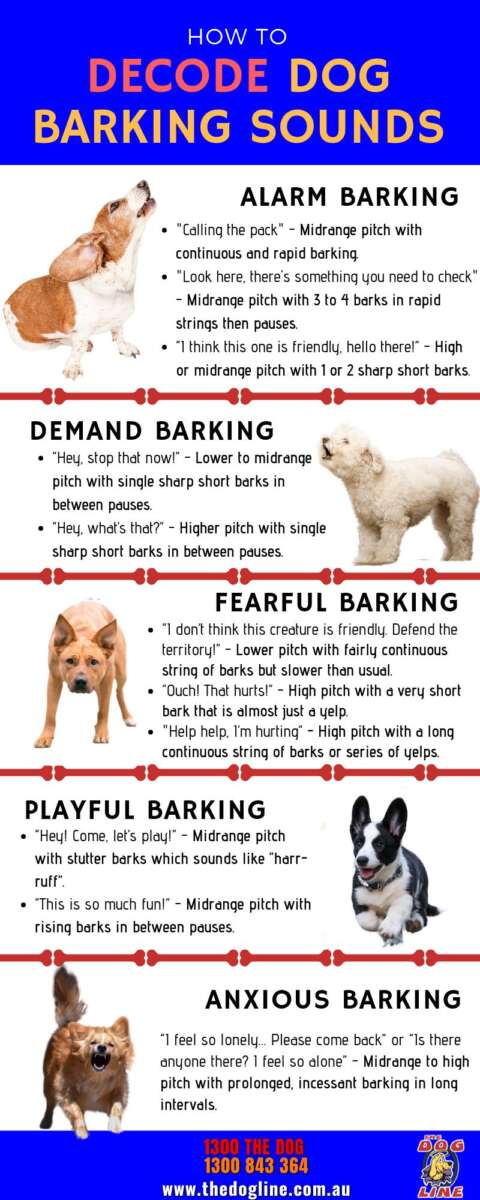
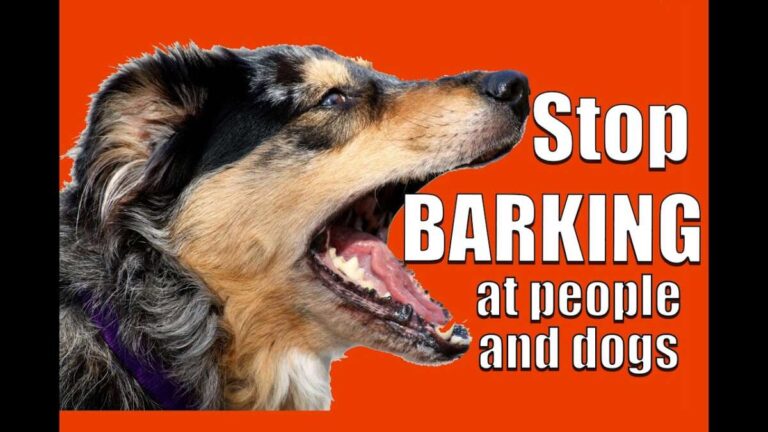
When people ask what dogs bark the least, they usually mean dogs that vocalize rarely and calmly. Barking can be short alerts, nuisance noise, or constant anxiety-driven sound. We focus on breeds and individual dogs that naturally use fewer barks for communication. This matters for apartment living, noise-sensitive families, and people who want a calm companion.
Why some dogs bark less
Genes set the tone. Some breeds were selected to work quietly. Size and purpose shape sound too. Sighthounds, for example, often hunt silently and thus bark less. Temperament plays a big role. Calm, independent dogs often produce fewer vocal alarms. Training and socialization can reduce barking even in chatty breeds. Diet, health, and boredom also affect how often a dog barks.
Top breeds often named among what dogs bark the least
Below are breeds known for quieter behavior. Keep in mind individual dogs vary. Use these summaries to guide research and meet dogs in person.
-
Basenji
- Origin: Central Africa.
- Why quiet: Bred to be a silent hunter; they "yodel" instead of typical barking.
- Good for: Owners who want a small-to-medium, alert, low-bark dog.
-
Greyhound
- Origin: Racing and coursing history.
- Why quiet: Calm and gentle at home; quick bursts of energy outside.
- Good for: Families who can provide short sprints and calm indoors.
-
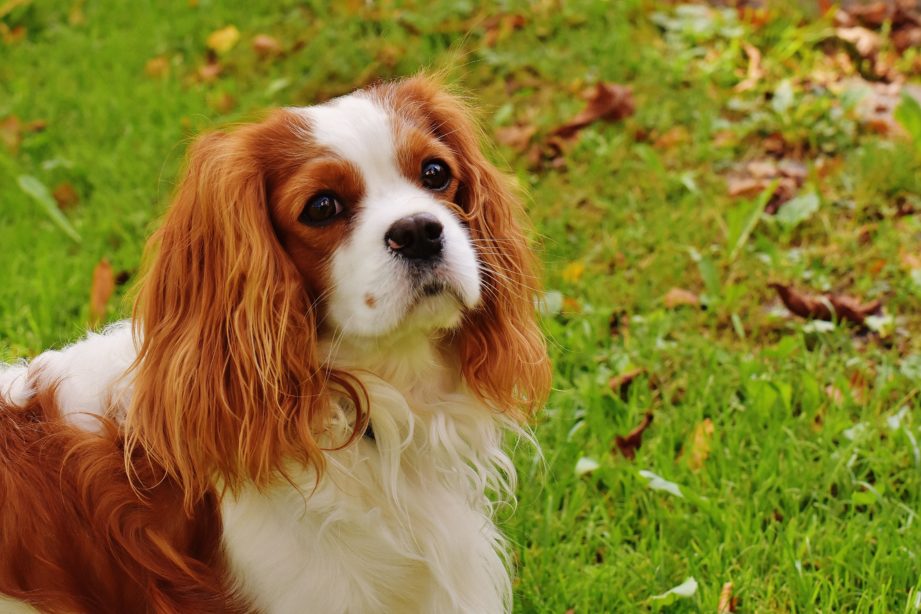
Cavalier King Charles Spaniel
- Origin: Companion breed.
- Why quiet: Gentle and people-focused; usually not noisy for attention.
- Good for: Apartment living and therapy roles.
-
Shih Tzu
- Origin: Lap dog with a calm demeanor.
- Why quiet: Bred to be companionable; often content indoors.
- Good for: Small-home life and close contact with owners.
-
Basset Hound
- Origin: Scent hound.
- Why quiet: Slow and steady voice; deep bay but not constant barking.
- Good for: Calm households that tolerate occasional loud vocalization.
-
Great Dane
- Origin: Mastiff-type guardian.
- Why quiet: Gentle giants; tend to reserve barking for warnings.
- Good for: Homes that want a calm, large companion.
-
Bullmastiff
- Origin: Guard breed bred to be silent when on watch.
- Why quiet: Alert but restrained; barks mostly for real threats.
- Good for: Families needing a protective yet quiet dog.
-
Saint Bernard
- Origin: Alpine rescue role.
- Why quiet: Steady and calm; not inclined to frequent barking.
- Good for: Active families with space and time for grooming.
-
Newfoundland
- Origin: Working water dog.
- Why quiet: Soft-mouthed and patient; rarely noisy indoors.
- Good for: Homes near water and families seeking gentle giants.
-
Chow Chow
- Origin: Ancient guardian and working dog.
- Why quiet: Independent and aloof; tends not to seek attention through bark.
- Good for: Owners who appreciate a more reserved companion.
Each of these breeds often ranks in lists of what dogs bark the least. But remember: training, socialization, and life situations shape real behavior.
Practical training tips to reduce excessive barking
If your goal is to know what dogs bark the least, training wins every time. Use these simple, effective methods.
- Reward calm
- Offer treats or praise when the dog stays quiet after a stimulus.
- Redirect attention
- Teach a "look" or "touch" cue to shift focus from the trigger.
- Create routines
- Regular exercise and mental work reduce boredom barking.
- Manage triggers
- Close blinds for passersby, use white noise, or crate when needed.
- Desensitize slowly
- Expose the dog in small steps to sounds or people that trigger barking.
From shelter work, I saw shy dogs become quieter with consistent calm cues. Mistakes I made early were using punishment. That often made barking worse. Positive steps bring better long-term results.
:strip_icc()/cats--dog--nature-2017-1135340681-e928426ab704408fb3addb0a0e63c2ea.jpg)
Environment, enrichment, and daily care that cut barking
Quiet dogs often have quiet lives. That means right exercise, good mental work, and strong routines.
- Exercise
- Short runs and play reduce pent-up energy that causes bark.
- Mental enrichment
- Puzzle toys, scent games, and short training sessions keep minds busy.
- Social exposure
- Calm, controlled meetings help a dog learn cues and lower alert alarms.
- Comfort and health
- Regular vet checks catch pain or hearing problems that change vocal behavior.
- Peaceful home design
- A quiet corner, soft bedding, and predictable schedules lower stress.
When people ask what dogs bark the least, they forget the role of daily life. A quiet dog is often a well-exercised and engaged dog.

Health, age, and when barking signals a problem
Not all barking is behavioral. Sometimes it is health. Look for these signs.
- Pain or discomfort
- Sudden new barking may mean injury or illness.
- Cognitive decline
- Older dogs may vocalize more with confusion.
- Anxiety and fear
- Separation or noise anxiety causes persistent barking.
- Hearing loss
- Dogs with limited hearing may bark more because they can’t self-monitor.
If a usually quiet dog starts barking more, see a vet. Early checks rule out pain or illness quickly.

How to choose a quiet dog that fits your life
Choosing a dog means matching energy, space, and social needs. Ask these questions before adopting or buying.
- What is my daily routine?
- How much exercise can I give daily?
- Do I need a small or large dog for my space?
- Can I meet the dog in person before deciding?
- Has the dog been evaluated for noise or anxiety issues?
When I helped families choose dogs, the best matches were the ones who tried a week with a foster. That trial avoids surprises about barking and temperament.

Frequently Asked Questions of what dogs bark the least
What breeds are the quietest dogs?
Many of the quietest dogs include Basenjis, Greyhounds, Cavalier King Charles Spaniels, and Great Danes. Breed tendencies matter, but individual temperament and training are key.
Is a "barkless" dog truly silent?
No. Breeds called "barkless," like the Basenji, still vocalize with yodels, growls, or howls. They just don’t use a typical bark as often.
Can training change how much a dog barks?
Yes. Positive reinforcement, routines, and enrichment significantly reduce barking. Training is often more effective than breed choice alone.
Do small dogs bark more than large dogs?
Small dogs can bark more, but not always. Breed history and temperament influence barking more than size alone.
How do I know if barking is a health problem?
Look for sudden changes, signs of pain, or new behaviors in older dogs. If barking increases abruptly, consult a vet to rule out medical causes.
Conclusion
Finding what dogs bark the least means looking at breed tendencies, life habits, and training. Quiet breeds like Basenjis and Greyhounds often help, but daily care and consistent training make the biggest difference. Start by meeting dogs in person, ask clear questions, and set a routine that supports calm behavior. Try one practical change this week: add 10 minutes of focused play or a puzzle toy each day and watch barking drop. If this guide helped, share your experience or ask a question below and consider subscribing for more dog care tips.

Pet Care Writer & Researcher
Daniel writes practical guides on daily care, feeding, and safety, turning complex topics into simple, actionable advice.