Do Havanese Bark A Lot: Why And What To Do
Curious do havanese bark a lot? Learn common causes, training tips, and when to seek help to reduce barking and enjoy a quieter Havanese.
Havanese are moderately vocal; they bark to alert, play, and express needs, but not excessively.
I have worked with small breeds and studied canine behavior for years, so I know what makes a Havanese speak up. This article digs into whether do havanese bark a lot, why they do it, and how to manage it with proven, kind methods. You will get clear signs to watch for, training tips that work, and real-life examples from my experience owning and training Havanese mixes. Read on to learn when barking is normal, when it is a problem, and the best steps to fix it.

Why Havanese Bark: breed traits and communication
Havanese are a toy breed with a big personality. They were bred as companion dogs. They evolved to stay close to people and to respond to human cues. This makes them attentive and often vocal.
Barking is a key way they talk. They bark to greet people, warn of strangers, and ask for play or food. Havanese also use different barks for different moods. Quiet, high-pitched barks often mean excitement. Lower, repeated barks can signal worry.
Do havanese bark a lot? Many do, but the amount varies by home, training, and temperament. If you want a calm dog, you can reduce barking with consistent training. Understanding the reason behind a bark is the first step to change.

Typical barking levels: what to expect
Most Havanese are moderately vocal. They are not typically as noisy as terriers, but they are not silent. Expect short bursts of barking rather than non-stop noise. You will hear greeting barks, alert barks at the door, and excited barks during play.
Age affects sound levels. Puppies bark more as they learn. Older dogs may bark less unless they are anxious or have hearing issues. Single Havanese left alone often bark more than those with a companion.
Do havanese bark a lot in apartments? They can, but proper training and daily activity reduce problems. Early socialization and predictable routines make a big difference.

Common triggers: why your Havanese may bark
Understanding triggers helps you manage barking. Common triggers include:
- Doorbells and visitors: Havanese alert quickly and persist until the situation changes.
- Other animals and noises: Squirrels, dogs, and sudden sounds spark barks.
- Attention-seeking: They learn that barking gets a reaction.
- Boredom and lack of exercise: Mental restlessness often turns into vocalizing.
- Anxiety or separation stress: Barking can be a coping behavior for fear or loneliness.
- Medical issues: Pain or cognitive decline can cause new or increased barking.
Do havanese bark a lot because of fear? Yes, fear and uncertainty are common causes. Work gently to build confidence and safety.

Training and management: reduce unwanted barking
Training works best with patience and consistency. Use these steps:
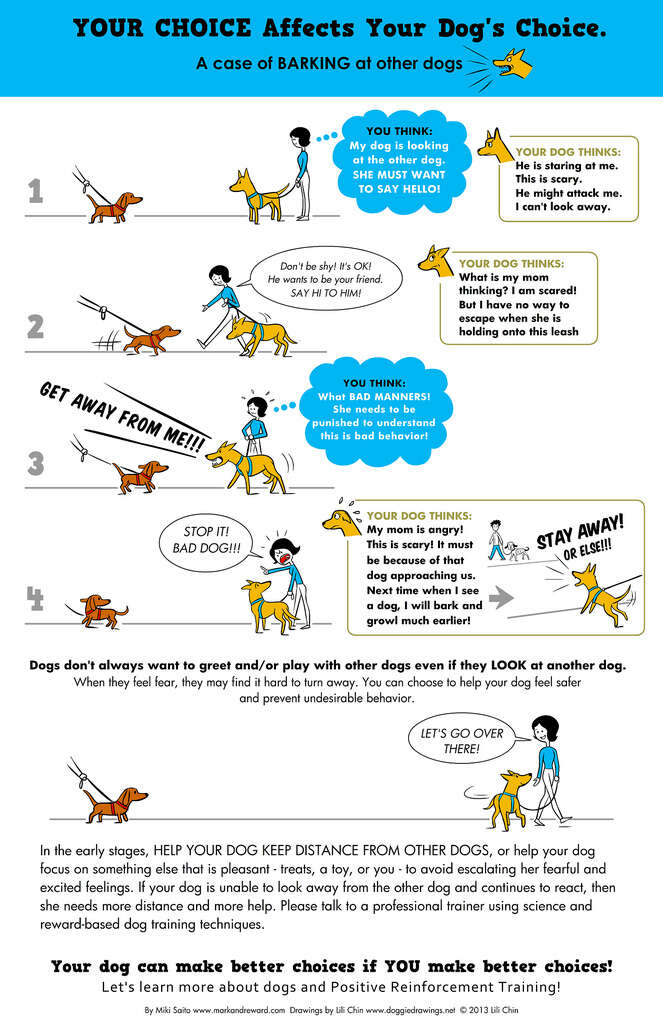
- Teach a quiet cue: Reward quiet with treats and praise. Start by rewarding brief moments of silence.
- Manage triggers: Use blinds, white noise, or distance to reduce visual and sound triggers.
- Provide mental exercise: Puzzle toys, basic training, and short scent games help burn energy.
- Establish a routine: Predictable walks and play times lower anxiety-based barks.
- Avoid reinforcing barking: Don’t give attention when the dog barks for attention. Wait for silence, then reward.
- Use positive redirection: Offer a toy or training task when a trigger appears.
Do havanese bark a lot despite training? Some will require more time and clearer boundaries. Be consistent and kind.

Health, age, and environment: physical causes of barking
Health issues can raise barking frequency. Pain, hearing problems, thyroid imbalance, or cognitive decline may change behavior. Regular vet checks help rule out medical causes.
The living environment matters. Busy streets, close neighbors, or noisy apartments increase alert barking. A calm home, predictable schedule, and enough exercise reduce stress and vocalizing.
Do havanese bark a lot as they age? Some do. Older dogs may bark due to disorientation or pain. Adjust care as they age and consult your vet for new or sudden behaviors.

My experience with Havanese barking: lessons learned
I have owned and trained Havanese mixes. One friendly male barked at every delivery. We used a simple routine: a brief recall, a treat, and a calm pet. In two weeks his door barking dropped by half.
Key lessons I learned:
- Be consistent. Mixed signals make barking worse.
- Reward quiet behavior right away. Timing is everything.
- Use enrichment. A tired Havanese barks less.
- Check health. I once mistook a pain issue for stubbornness.
Do havanese bark a lot in my experience? Some do. But most respond quickly to calm, positive training.

When to seek professional help
Some barking needs expert support. Contact a trainer or behaviorist if:
- Barking is daily and uncontrollable.
- The dog shows signs of severe anxiety or aggression.
- Barking begins suddenly in an older dog.
- Training has not helped after consistent effort.
A professional can assess triggers and create a plan. They can also suggest medical checks where necessary.

Practical short-term fixes you can start today
Try these quick steps at home:
- Increase walks by 10–20 minutes to reduce energy.
- Block window views to lower trigger exposure.
- Teach the “quiet” cue with treats and calm praise.
- Rotate toys and use puzzle feeders to add mental work.
- Record triggers to spot patterns and plan changes.
Do havanese bark a lot when bored? Yes. Adding small rewards and tasks often stops noisy spells fast.

PAA-style quick Q&A (for search intent)
-
How often do Havanese bark daily?
Most Havanese bark with activity. Expect short bursts several times a day. Training can cut that by half. -
Will neutering or spaying reduce barking?
Surgery may reduce some hormone-driven behaviors, but training is the main way to change barking. -
Can a Havanese live in an apartment without barking problems?
Yes, with early training, enrichment, and good routines, they adapt well and can be quiet neighbors.
Frequently Asked Questions of do havanese bark a lot
Do Havanese bark a lot compared to other small breeds?
Havanese are moderately vocal. They are less noisy than some terriers but more talkative than very quiet toy breeds. Individual temperament and training change the outcome.
At what age do Havanese bark the most?
Puppies and adolescents tend to bark more. They are learning cues and boundaries. With consistent training, barking usually declines by adulthood.
Can training stop Havanese barking completely?
Training rarely stops all barking. It reduces unwanted barking and teaches control. Expect some alert or happy barks as normal canine communication.
Are there medical reasons for sudden barking in Havanese?
Yes. Pain, hearing loss, cognitive issues, or hormonal problems can cause sudden changes. See a vet when barking starts suddenly or increases with other symptoms.
How long does it take to reduce barking with training?
You can see improvement in days for simple cues. More persistent issues take weeks to months. Consistency, clear rewards, and management speed progress.
Conclusion
Havanese are social dogs that use barking to talk. Do havanese bark a lot depends on training, routine, health, and the home environment. Most Havanese are moderately vocal and respond well to patient, positive training. Start small: add predictable exercise, teach a clear quiet cue, and remove easy triggers. Track triggers and celebrate small wins. If the barking is severe or sudden, consult a trainer or vet. Try one new step this week and watch your Havanese become calmer and happier. Leave a comment to share your experience or ask a question — I’ll help you troubleshoot.

Pet Care Writer & Researcher
Daniel writes practical guides on daily care, feeding, and safety, turning complex topics into simple, actionable advice.