Do Pugs Bark A Lot: How To Reduce Excessive Barking
Learn why do pugs bark a lot, the common triggers, and 7 simple tips to calm your pup for a quieter, happier home.
Most pugs are moderate barkers who bark for attention, alerts, and boredom.
I’ve trained and lived with pugs for years, so I know the common myths and real reasons behind their vocal habits. This article answers whether do pugs bark a lot, explains why they bark, and gives clear, practical steps to manage barking. Read on for expert-backed tips, real-life examples, and simple training plans you can try today.

Why owners ask: do pugs bark a lot?
Pugs have big personalities in small bodies. People often wonder: do pugs bark a lot compared to other dogs? The short reality is that pugs are not extreme barkers by breed standard, but they can be noisy depending on temperament, training, and environment.
Pug barking often shows need, warning, or excitement. Knowing the why helps you manage the behavior without stress.

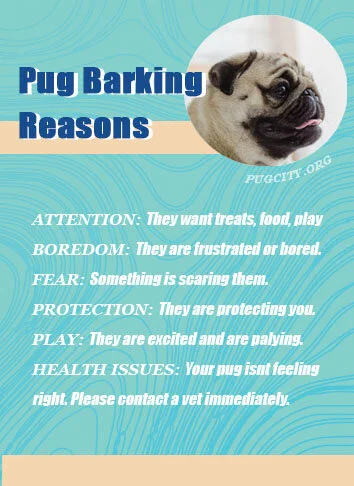
What drives pug barking: causes and triggers
Understanding behavior is the first step to change. Here are common causes when people ask do pugs bark a lot.
- Attention seeking. Pugs love people. They bark to get pets, play, or treats.
- Alarm or alert. They warn when strangers or odd noises approach.
- Boredom. A bored pug may use barking as entertainment.
- Separation anxiety. Pugs can fuss loudly when left alone.
- Medical issues. Pain, respiratory trouble, or cognitive changes can raise vocalization.
- Learned behavior. If barking got results before, the pug will repeat it.
Each cause calls for a different response. For example, attention barking needs training; medical barking needs a vet check. I often start by ruling out health issues before training.
How much do pugs bark compared to other breeds?
Many small breeds are known for barking. When owners ask do pugs bark a lot, the answer depends on context.
- Low to moderate: Many pugs are quieter than terriers or small sound-hounds.
- Higher in some homes: A single anxious or bored pug can seem loud.
- Individual variation: Temperament, early socialization, and training matter most.
In my experience, a well-exercised and socialized pug barks far less than an under-stimulated one. So breed is a factor, but environment and owner habits often decide volume and frequency.

Signs barking is a problem and when to act
Not all barking needs correction. But some patterns mean you should intervene.
- Constant barking when left alone. This can signal separation anxiety.
- Barking that disturbs neighbors. Repeated night barking needs action.
- Barking with signs of distress: panting, pacing, or destructive behavior.
- Sudden increase in barking after stable behavior. This could be medical.
If you see these signs, consult a trainer or your vet. I once had a pug whose barking spiked overnight; a vet visit found an ear infection causing pain.

Training techniques to reduce excessive barking
Training works best when simple, consistent, and kind. Here are practical steps.
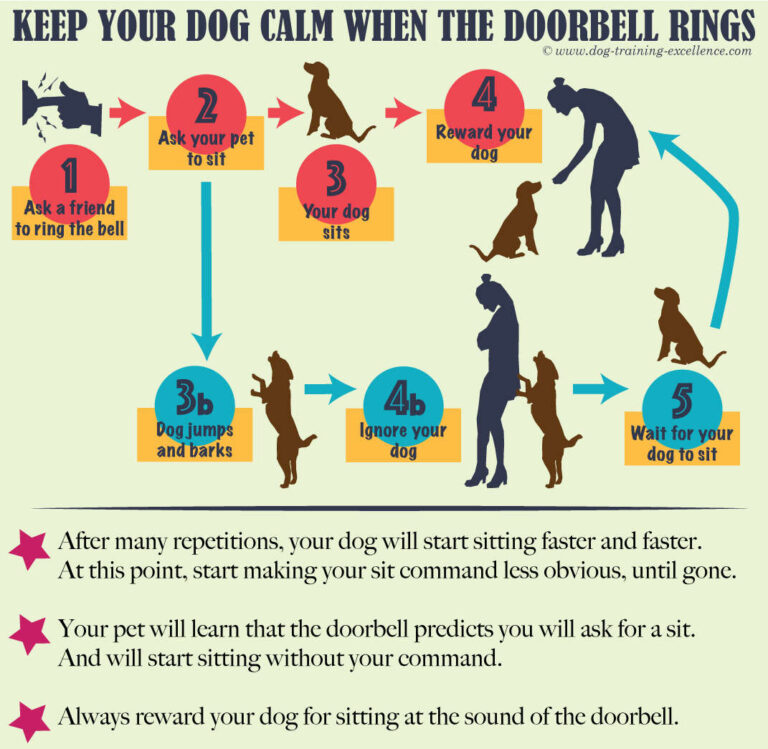
- Identify the trigger. Note when and why your pug barks.
- Reward quiet. Give treats or praise when your pug is calm.
- Teach a “quiet” cue. Say “quiet,” wait for calm, then reward.
- Redirect with tasks. Ask for a sit or a toy instead of barking.
- Increase exercise and enrichment. Walks, games, and puzzle toys reduce boredom.
- Desensitize to sounds. Gradually expose your pug to triggers with low-level exposure and rewards.
- Avoid yelling. Yelling can sound like joining the bark and reinforce it.
Consistency is key. I used short daily sessions to teach my pug a reliable quiet cue in two weeks.

Environmental and lifestyle changes that help
Small shifts can lower how often do pugs bark a lot.
- Create a calm zone. A comfy bed, toys, and white noise can soothe them.
- Use scheduled play and walk times. Routine reduces anxiety-driven barking.
- Safe chew toys and puzzle feeders. These keep minds busy and voices down.
- Crate training for quiet rest. Many pugs feel secure in a properly introduced crate.
- Manage visitors and door routines. Teach calm greetings with a short wait at the door.
These steps often cut daily barking substantially when used consistently.

Health checks and when to see the vet
Always rule out medical causes when barking changes. Common issues include:
- Respiratory problems that alter vocalization.
- Pain from arthritis, injuries, or dental issues.
- Ear infections that cause discomfort.
- Cognitive decline in older pugs causing nighttime vocalization.
If you notice sudden or intense barking, schedule a vet visit. Addressing health problems can quickly reduce unnecessary noise.

My real-life experience: lessons learned
I’ve owned two pugs and helped friends with training work. Here’s what I learned.
- Early socialization matters. A social puppy barks less at new things.
- Short, tasty treats beat long lectures. Quick rewards change behavior fast.
- Environmental fixes are underrated. A good walk and puzzle toy cut barking noticeably.
- Patience wins. Old habits take time to change, but consistency pays off.
One neighbor’s pug stopped barking at passersby after a month of door routine training and daily walks. Small changes add up.

Practical plan: 7-day starter program to cut barking
Try this simple week plan if you wonder do pugs bark a lot in your home.
Day 1
- Track triggers for 24 hours.
Day 2
- Add two 15-minute play sessions and one puzzle feeder.
Day 3
- Practice “quiet” cue: reward 5 calm moments.
Day 4
- Desensitize one trigger at low intensity with treats.
Day 5
- Teach an alternative behavior, like “sit” or “go to bed.”
Day 6
- Review progress and tweak exercise or routines.
Day 7
- Reinforce calm behavior and plan next week’s goals.
Repeat and adjust. Keep sessions short and fun. Consistency over weeks yields best results.
Common myths about pug barking
People often ask do pugs bark a lot because of myths. Here are facts.
- Myth: All pugs are yappy. Fact: Many pugs are calm; individual traits differ.
- Myth: Pugs bark only because they want attention. Fact: Barking can signal fear, pain, or boredom.
- Myth: You can’t train a pug out of barking. Fact: Pugs respond well to reward-based training.
Clearing myths helps set realistic expectations and better training.
Quick tips for neighbors and apartment living
If you live close to others, manage noise early.
- Use routine walks before quiet hours. A tired pug barks less.
- Teach the “go to bed” cue for calmer indoor time.
- Offer puzzle toys for alone time.
- Communicate with neighbors if barking happens; simple steps can help.
Respectful routines ease tensions and make dog ownership smoother.
People ask: do pugs bark a lot? Short answers for quick decisions
- Yes, sometimes. Pugs can bark a lot if bored, anxious, or untrained.
- No, not always. Many pugs are moderate and quiet with proper care.
- The key is cause. Identify triggers to fix the problem.
When in doubt, check health then try training.
Frequently Asked Questions of do pugs bark a lot
Do pugs bark more at night?
Pugs can bark at night if they feel lonely, anxious, or uncomfortable. Try evening routines, a night light, and vet checks for older dogs.
Will spaying or neutering reduce barking?
Spaying or neutering may reduce some hormonally driven behaviors, but it won’t eliminate barking caused by fear, boredom, or learned habits.
Can a pug’s breathing affect its barking?
Yes, breathing issues can change how a pug vocalizes and may cause more effort or different sounds. A vet exam can detect problems.
Is barking a sign of separation anxiety in pugs?
It can be. If barking occurs mainly when you leave and includes pacing or destruction, separation anxiety may be present and needs behavior work.
How long does training take to reduce barking?
You can see small changes in days, but consistent training over weeks gives reliable results. Individual dogs vary in pace and response.
Conclusion
Pugs are not automatic heavy barkers, but many will bark more than owners expect if bored, anxious, or untrained. By checking health, identifying triggers, and using short, consistent training plus enrichment, you can cut barking a lot and enjoy a calmer home. Try the seven-day starter plan, be patient, and track progress. Share your results or questions below and consider subscribing for more dog behavior tips.

Pet Care Writer & Researcher
Daniel writes practical guides on daily care, feeding, and safety, turning complex topics into simple, actionable advice.