Why Does My Dog Bark When I Leave: Stop Separation Anxiety
Learn why does my dog bark when i leave and get simple, proven tips to calm separation anxiety, reduce barking, and feel confident leaving home.
Most dogs bark when you leave because they feel stressed, lonely, or want attention.
I’ve spent years helping owners answer the question why does my dog bark when i leave. I work with trainers and vets and have seen the patterns that make a dog vocalize when you walk out the door. This article breaks down the causes, simple tests you can run at home, step-by-step training plans, and when to seek professional help. Read on to learn clear, practical steps you can use today to reduce barking and improve your dog’s well-being.

Why does my dog bark when i leave — common causes
When you ask why does my dog bark when i leave, the answer is usually one or a mix of a few causes. Dogs use barking to communicate. They tell you they are scared, bored, excited, or lonely.
Common causes include:
- Separation anxiety. The dog feels panic when you go out. Barking is part of the panic response.
- Attention-seeking. Barking can get you to come back or respond.
- Boredom and excess energy. If the dog is not tired, it may bark to release pent-up energy.
- Territorial or alert barking. Leaving can trigger guarding behaviors toward the house or neighborhood.
- Medical issues. Pain, cognitive decline, or sensory loss can cause new barking.
Each dog shows a mix of these behaviors. To help, first identify which reason fits your dog. Simple observation and short tests often reveal the cause.
Separation anxiety: signs and how it causes barking
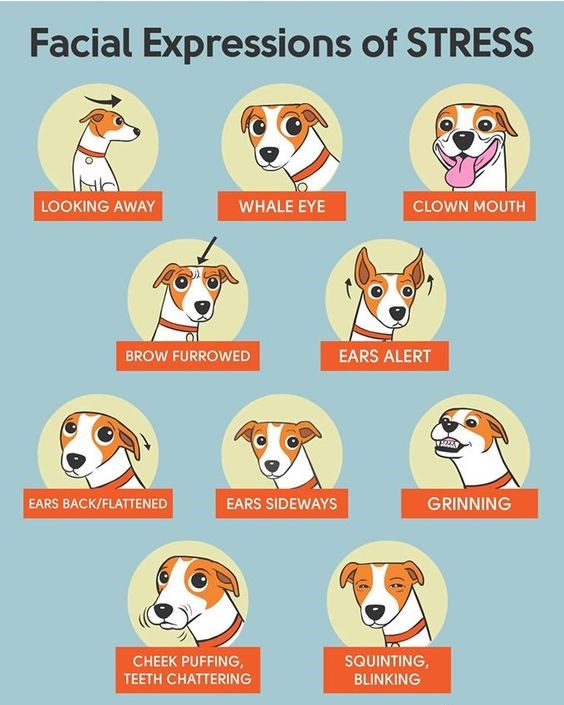
Separation anxiety is the top cause people think of when they ask why does my dog bark when i leave. Dogs with separation anxiety display several signs beyond barking.
Look for:
- Intense pacing, drooling, or destructive behavior when left alone.
- Barking soon after the owner leaves and consistently across exits.
- No improvement with normal training or rewards.
Why barking happens:
- Barking is a stress response. The dog tries to call you back or reduce fear by vocalizing.
- The sound can escalate into long bouts that disturb neighbors and stress the dog.
If separation anxiety seems likely, do not punish the barking. Punishment increases stress and can make things worse. A calm behavior plan helps more.
Other common causes and how to check them
Not all barking when you leave is anxiety. Check these possibilities before assuming the worst.
Boredom or energy
- Dogs left with nothing to do will bark out of frustration.
- Run a 10-minute play and a 20-minute walk then leave for a short time to test if energy was the issue.
Attention-seeking
- Dogs learn fast. If your exit gets followed by treats or returns when they bark, the behavior stays.
- Try ignoring the bark before leaving and returning only when the dog is calm.
Territorial or alert barking
- Sounds outside can trigger barking after you leave.
- Record the dog while you are gone to see if outside noises or neighborhood animals trigger the barking.
Medical causes
- Sudden onset barking, especially in older dogs, can stem from pain or cognitive decline.
- A vet check is smart if the behavior is new or sudden.
Testing tips
- Do short, controlled departures. Note how long before barking starts.
- Vary leaving cues. Sometimes dogs react only to certain signals like picking up keys.
How to stop barking when you leave — step-by-step plan
A clear plan helps. Follow short steps and be consistent.
- Prep before leaving
- Give a calm walk and a brief play session to burn energy.
- Offer a safe chew or puzzle toy to occupy the dog.
- Desensitize exits
- Practice short departures. Walk to the door and return before the dog reacts.
- Gradually lengthen time away in small increments over days.
- Create positive associations
- Give a high-value toy or frozen treat only when you leave.
- The dog will start to link your exit with a good reward.
- Teach a calm cue
- Train a settle mat. Reward calm behavior repeatedly in short sessions.
- Use the settle cue before you leave the house.
- Ignore the barking
- Avoid yelling or returning immediately when the dog barks. That can reinforce the behavior.
- Return when the dog is quiet to reward calmness.
- Use tools wisely
- Consider white noise, music, or a dog camera that lets you speak calmly from away.
- Use these tools as part of a broader training plan, not as a quick fix.
- Seek professional help if needed
- If the dog shows panic or destructive behavior, consult a certified trainer or behaviorist.
- A vet may suggest medication for severe anxiety while training proceeds.
Be consistent. Small, steady changes deliver the best results.
Training examples and a two-week starter plan
Here is a simple two-week starter plan you can try.
Week 1
- Day 1–3: Short exits lasting 10–30 seconds. Return before any barking.
- Day 4–7: Add 1–2 minutes. Give a puzzle toy at departures.
Week 2
- Day 8–10: Increase to 5–10 minutes. Reward quiet behavior with calm praise.
- Day 11–14: Try 15–30 minutes. Continue energy work before leaving.
Tips during training
- Keep exits low-key. No long goodbyes.
- Track progress. Note how long the dog stays quiet.
- Be patient. Progress is often slow but steady.
My personal experience and lessons learned
I once worked with a terrier who barked for 30 minutes after every exit. We tried yelling first. That made things worse. We switched to very short departures and a favorite stuffed toy that only appeared at leaving. In two weeks, the barking dropped to under five minutes. The big lesson: patience and consistency beat punishment. Use small wins and build on them.
When to seek professional help or veterinary care
Seek help if:
- Barking is new and sudden, or the dog shows pain.
- The dog destroys doors, injures itself, or shows extreme pacing.
- Home strategies do not reduce the behavior after several weeks.
Professionals can offer:
- Behavior modification plans.
- Medication to ease severe anxiety while training works.
- Tools to monitor and safely manage the dog.
A vet exam rules out medical causes first. That step keeps training efforts focused and safe.
Prevention and long-term strategies
Long-term success relies on lifestyle and routine.
Daily needs
- Regular exercise suited to the breed and age.
- Mental enrichment like puzzle toys and scent games.
Routines
- Predictable routines reduce stress.
- Rotate toys to keep them novel.
Socialization
- Safe social time with other dogs or people eases loneliness.
- Doggy daycare or a trusted walker can cut down solo time at home.
Consistency
- Everyone in the home must follow the same plan.
- Mixed signals confuse the dog and slow progress.
Frequently Asked Questions of why does my dog bark when i leave
Why does my dog bark when i leave but not when I’m home?
Dogs may feel safe with you present. Your presence calms them. When you leave, insecurity or boredom can trigger barking.
Can punishment stop my dog from barking when I leave?
Punishment often increases fear and can make barking worse. Positive training and desensitization work better and are kinder.
How long does it take to fix barking when I leave?
Simple boredom-related barking can improve in days. Separation anxiety may take weeks or months. Consistency speeds results.
Should I leave the TV or music on to stop barking?
Background noise can help by masking outside sounds and reducing anxiety. Use it as part of a training plan, not the sole solution.
Is medication ever needed for barking when I leave?
Medication can help in severe anxiety cases. It should be combined with behavior training and under veterinary guidance.
Can crate training stop barking when I leave?
Crate training can help if the dog finds the crate calm and safe. Never use a crate as punishment. Introduce it slowly and positively.
Conclusion
You now have a clear roadmap to answer why does my dog bark when i leave and how to change it. Start with short tests to find the cause. Use calm, consistent training steps and add enrichment to reduce stress. If the problem is severe, consult a vet or certified behaviorist for tailored help. Try the two-week plan and note small wins. Share your progress or questions below, subscribe for more dog behavior tips, or consider professional help if the barking persists.