
Why Does My Dog Bark At The Tv: Quick Fixes And Tips
Learn why does my dog bark at the tv and how to stop it with easy training tips, causes, and quick solutions to quiet your pup.
Dogs often bark at the TV because they react to moving images and unfamiliar sounds.
As a long-time dog trainer and behavior writer, I help owners decode why their pet reacts to on-screen sights and sounds. This article breaks down why does my dog bark at the tv, how vision and hearing shape the reaction, real-life examples, and step-by-step fixes you can try today.
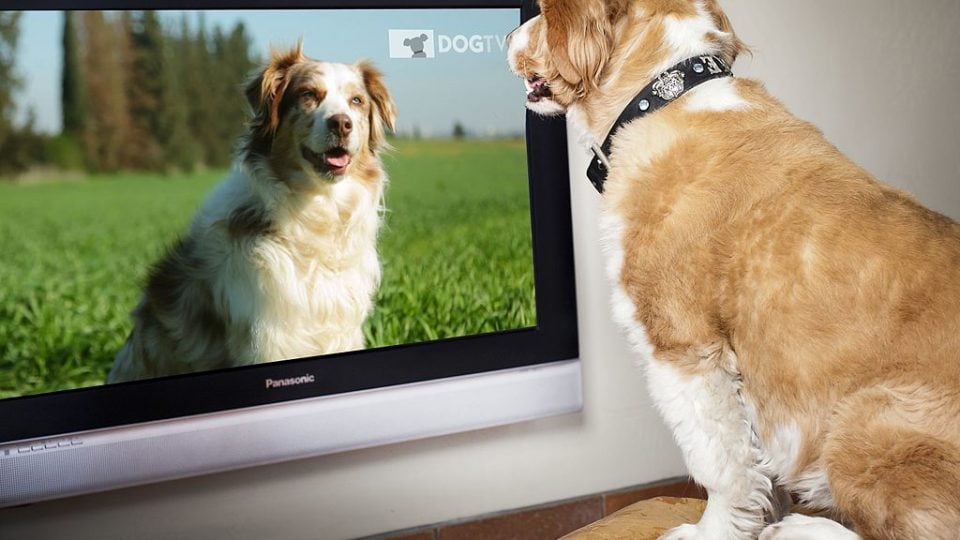
What does it mean when your dog barks at the TV?
When your dog barks at the TV, they are responding to sensory cues. Dogs hear higher frequencies than humans and see motion better than still detail. So fast movement, animal sounds, doorbells, and voices can trigger a reaction.
Dogs use barking to communicate. Barking at the screen can mean:
- Alerting you to a perceived intruder or animal.
- Trying to interact or play with the on-screen subject.
- Showing stress, fear, or frustration from confusing stimuli.
Why does my dog bark at the tv appears often because screens mix visual and audio cues that tap into basic dog instincts. Dogs do not understand the flatness of a screen the way we do. They interpret images as real events.
 barking”
style=”max-width: 100%; height: auto; border: 2px solid black; border-radius: 10px; display: block; margin: 0 auto;”
loading=”lazy”
/>
Common triggers on TV that cause barking
Many on-screen triggers repeatedly lead to the same behavior. Identifying these makes training faster.
- Animal images and noises
- Dogs often react to other dogs, birds, or animals. The movements and barks on screen look like real rivals or prey.
- Sudden loud sounds
- Gunshots, explosions, doorbells, and whistles can startle dogs and prompt barking.
- Fast motion and flashing
- Quick cuts and flashing scenes can grab attention and cause a chase or alert response.
- Human voices or aggressive tones
- Angry voices, yelling, or certain pitches can be perceived as threats.
- Reflections and screen glare
- Shiny screens can produce reflections that look like a moving object behind glass.
Recognizing which trigger sparks your dog's response is the first step to reducing barking.
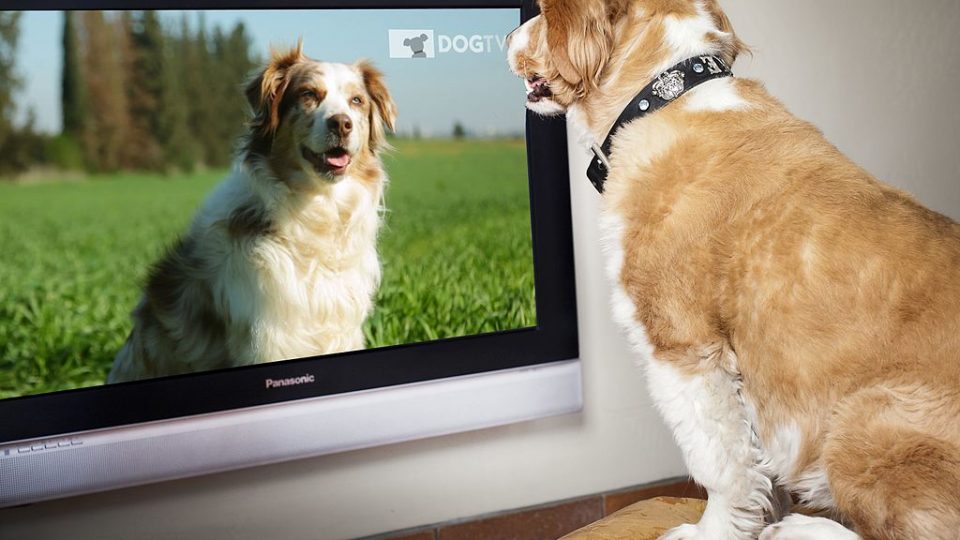
Why vision and hearing matter
Dogs’ senses are tuned differently than ours. That affects how they perceive the TV.
- Hearing
- Dogs hear higher frequencies. TV soundtracks often include tones and frequencies that dogs notice more than people do.
- Vision
- Dogs detect motion better than fine detail or color. A moving figure catches their eye even if the image is low resolution.
- Depth perception
- Flat images can still appear to have depth because of motion and contrast, making them seem real.
These sensory differences explain why the same show that bores you can excite your dog. When asking why does my dog bark at the tv, remember that sense filters shape behavior.

Behavioral reasons: territory, play, anxiety, or boredom
Understanding the root motive helps you choose the right fix.
- Territorial or protective barking
- Your dog may see figures on screen as intruders. Barking is a defensive, alerting behavior.
- Play or social arousal
- Some dogs bark because they want to interact with what they see. The screen becomes a toy.
- Fear or anxiety
- Certain images or loud noises can produce stress and fear barking.
- Boredom and attention-seeking
- If TV time comes with extra attention or reaction from you, barking can become a habit.
In my practice, I’ve seen the same dog shift motives over time. A young dog barks in play, then later barks protectively as it matures. That change matters for training.

Step-by-step training to reduce TV barking
Use consistent, short sessions. Keep rewards ready and stay calm.
- Identify triggers
- Note what scenes, sounds, or channels cause barking.
- Start low
- Play the TV at low volume and with non-triggering content.
- Reward calm
- Mark quiet behavior with treats or praise. Reward within one second of calm.
- Desensitize and countercondition
- Gradually increase volume or introduce mild triggers while rewarding calm behavior.
- Teach a competing behavior
- Train a “place” or “watch me” cue. Ask your dog to go to a mat or focus on you when TV is on.
- Manage environment
- Move the dog farther from the screen, use closed doors, or cover reflections.
- Be consistent
- Short daily practice beats long, rare sessions. Consistency reduces relapse.
Practical tip from my training sessions: start without treats after the dog reliably stays calm. Shift to intermittent rewards to maintain behavior.

Tools and tech that help
Simple tools can make training smoother.
- White noise or soft music
- Masks jarring TV sounds during training phases.
- Subtitles and volume control
- Lower volume and use subtitles so you still follow content.
- Television placement
- Place TV where the dog has limited direct view or is less likely to see reflections.
- Crates and safe zones
- Provide a calm space the dog associates with quiet and rewards.
- Clickers and timed feeders
- Use clicker training to mark calm moments. Use puzzle feeders to distract during predictable trigger times.
These small changes reduce the raw input that causes barking and help shape new habits.

When to seek professional help
Most TV barking is normal and manageable. Seek help if:
- Barking is intense, long, or leads to self-harm.
- Your dog shows signs of severe anxiety, aggression, or fear.
- Training at home does not improve behavior after weeks.
A certified trainer or veterinary behaviorist can assess your dog. They may recommend behavior plans or medical options if anxiety is severe.

Personal experience and lessons learned
I once worked with a lab that barked at nature shows. At first I treated each outburst with attention. That made it worse. The change came when we used a mat cue and rewarded quiet for 20 seconds at a time. Over three weeks the dog’s barking declined by about 80 percent.
Lessons I learned:
- Never reward barking with attention.
- Start training at the dog's comfort level.
- Use short, frequent sessions for best results.
These small shifts helped the family enjoy TV again and gave the dog a clear rule about on-screen activity.
Common mistakes to avoid
Avoid these traps that slow progress.
- Reacting emotionally or yelling
- This can reinforce the behavior or escalate anxiety.
- Inconsistent responses
- Mixed signals confuse the dog and prolong training.
- Skipping management
- Without management, exposure keeps reinforcing the habit.
- Overloading triggers
- Move too quickly and you can create fear or relapse.
Stay patient. Changing a learned response takes time and steady work.
PAA-style quick questions (short answers within content)
Will my dog ever stop barking at the TV?
- Yes, many dogs stop with consistent training, management, and gradual desensitization. Severe anxiety may need professional help.
Is barking at the TV normal for puppies?
- Yes, puppies are more reactive to new stimuli and often bark out of curiosity or play drive. Training early helps prevent habits.
Can deaf dogs bark at the TV?
- Some deaf dogs may still react to the visual action. Others may not react because they lack the audio trigger.
Does the type of show matter?
- Yes. Wildlife, sports, or action films with loud sounds and motion trigger more reactions than calm shows.
Will punishment stop the barking?
- Punishment usually worsens fear or stress and is not recommended. Positive methods work better and build trust.
Frequently Asked Questions of why does my dog bark at the tv
Why does my dog bark at the TV even when I turn the volume down?
Even with low volume, dogs can see motion and pick up subtle sounds or vibrations. Visual stimuli alone can trigger attention and barking.
How long does it take to stop my dog from barking at the TV?
With daily, short training sessions you can see progress in two to six weeks. Severe cases or inconsistent practice may take longer.
Can certain breeds be more prone to TV barking?
Yes. Herding breeds and terriers often react more to movement and may bark more. Individual temperament matters as much as breed.
Should I use treats to stop my dog from barking at the TV?
Yes, use treats for calm behavior and to reinforce a competing cue. Gradually reduce treats and rely on praise and occasional rewards.
Is it okay to ignore the barking and hope it stops?
Ignoring sometimes works for attention-seeking barking, but it doesn’t teach a new behavior. Active training speeds results and reduces stress.
Conclusion
Understanding why does my dog bark at the tv makes the problem easier to solve. Use simple training, management, and patience to change the response. Start by identifying triggers, rewarding calm, and teaching a clear replacement behavior. If progress stalls or anxiety is severe, consult a trainer or behaviorist for tailored help.
Try one training step this week: pick a single cue like “place” and reward three calm minutes during TV time. Track progress, stay consistent, and share your wins or questions in the comments to learn from others.