How Do I Train My Dog To Stop Barking: Simple Proven Steps
Learn how do i train my dog to stop barking with easy, humane steps, timing tips, and reward strategies for calm, lasting results.
Teach quiet on cue, remove triggers, and reward calm with consistent daily practice.
I’ve helped many dog owners stop constant barking by using clear, reward-based methods that respect your dog’s needs. This guide explains how do i train my dog to stop barking with step-by-step plans, simple exercises, and real-world tips you can start today.

Why dogs bark: what barking means and common causes
Barking is a normal way dogs talk. It can mean excitement, fear, boredom, alert, or a reaction to other dogs or people. Understanding why your dog barks is the first step in teaching them to be quiet.
Common causes
- Attention seeking: Your dog learns barking gets a reaction.
- Alarm or fear: Loud sounds or strangers trigger barking.
- Boredom or pent-up energy: Dogs bark when they need exercise.
- Territorial behavior: Dogs warn people to stay away.
- Medical or stress-related issues: Pain or anxiety can cause barking.
How this ties to training
- When you ask how do i train my dog to stop barking, start by identifying the cause.
- Different causes need different methods, so diagnosis leads to the right training approach.

Assess your dog’s barking pattern
Track when, where, and why your dog barks. A short log helps you see patterns and measure progress.
How to assess
- Keep a barking diary for one week. Note time, trigger, and duration.
- Watch body language. Is your dog tense, pacing, or wagging?
- Record audio or video. Playback reveals details you might miss.
What to learn from the log
- Some dogs bark mostly at the doorbell. Others bark at passing cars.
- Once you know the trigger, you can design targeted exercises to teach quiet.
- Use the diary to answer “how do i train my dog to stop barking” clearly and practically.
Core techniques to stop barking
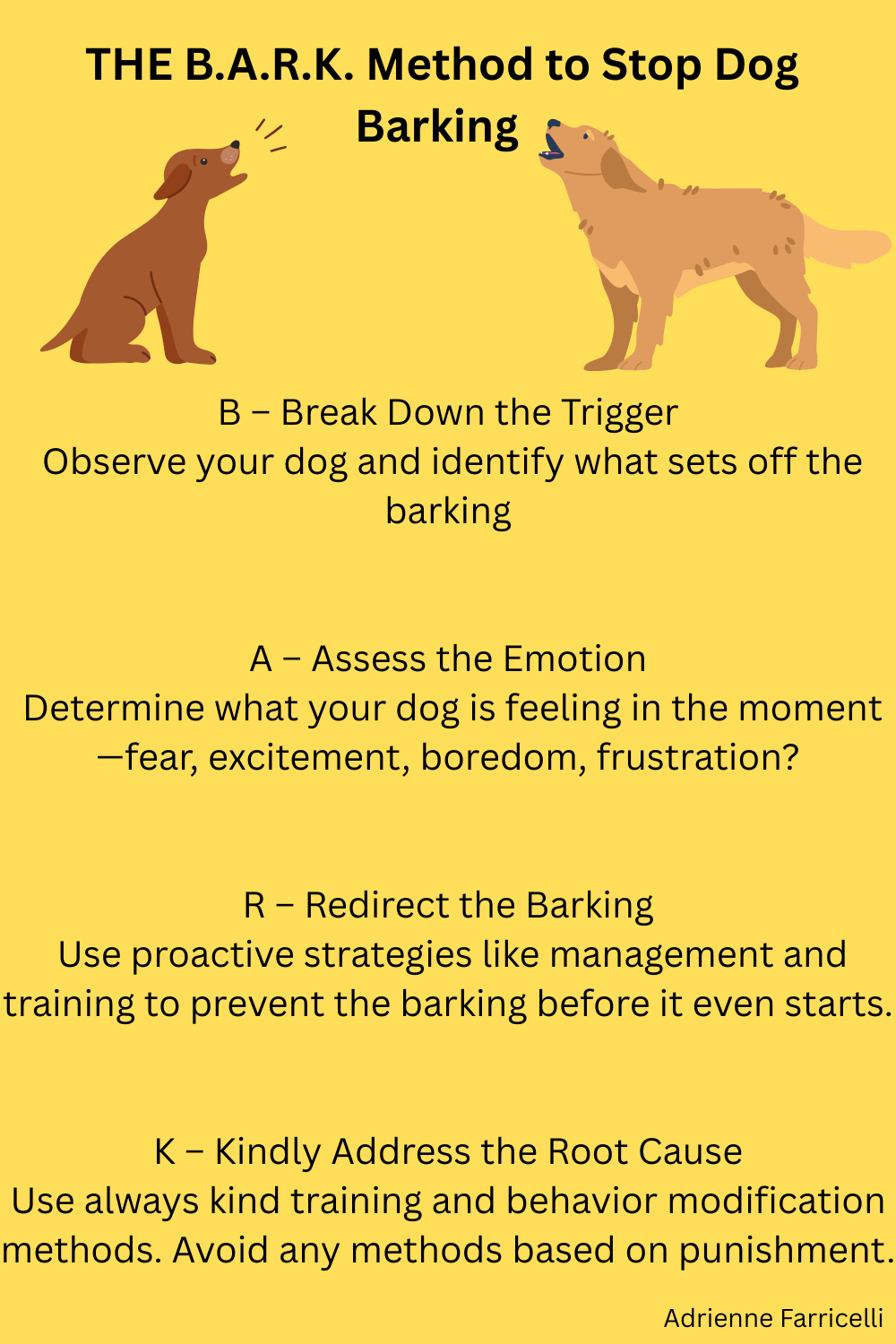
These methods form the backbone of how do i train my dog to stop barking. Use them consistently and with patience.
Teach a “Quiet” cue
- Wait for your dog to stop barking briefly.
- Say “Quiet” in a calm voice and give a treat right away.
- Repeat until your dog associates the cue with stopping barking.
Reward calm behavior
- Reward quiet and relaxed behavior, not just silence after noise.
- Use small, high-value treats and praise.
- Reinforce calmness more than you punish barking.
Desensitization and counter-conditioning
- Gradually expose your dog to the trigger at a low level.
- Pair the trigger with something positive, like treats.
- Increase exposure slowly as your dog stays calm.
Redirection and engagement
- Teach an alternate skill: go to mat, sit, or focus on you.
- Use toys, games, or obedience work to replace barking with a desired behavior.
Distance and timing
- Manage the environment. Move your dog away from triggers while training.
- Practice when you can give full attention and rewards.
When training, remember to stay patient. The question how do i train my dog to stop barking is answered by steady practice, not quick fixes.
30-day step-by-step plan to reduce barking
This short program answers “how do i train my dog to stop barking” with daily actions. Follow it and adjust for your dog’s pace.
Week 1: Observe and reward calm
- Day 1–3: Log barking and reward short quiet moments.
- Day 4–7: Add a “Quiet” cue when silence happens.
Week 2: Build duration and control
- Increase the quiet time before rewarding.
- Practice “Quiet” in low-distraction areas.
Week 3: Desensitize to triggers
- Introduce triggers at low intensity.
- Pair triggers with treats and praise when your dog stays quiet.
Week 4: Generalize and proof behaviors
- Practice in different rooms and outside.
- Add doorbell, passersby, and other real-world triggers.
Daily routine
- Short training sessions: 5–10 minutes, twice a day.
- Exercise: 20–30 minutes of physical activity daily.
- Mental work: sniff games, puzzle toys, or obedience drills.
This gradual plan helps you answer how do i train my dog to stop barking with a clear timeline and measurable steps.

Tools, aids, and when to seek professional help
Tools can speed results but choose them wisely. Know when to consult experts.
Helpful tools
- Clicker: Marks desired behavior precisely.
- Treat pouch: Keeps rewards ready for timing.
- Mat or bed: Teaches a calm place to be.
Use caution with devices
- Noisy deterrents and shock collars can harm trust and cause anxiety.
- Vibration collars or citronella should be used only under professional guidance.
When to get help
- If barking is linked to severe anxiety or aggression, contact a veterinary behaviorist.
- If progress stalls despite consistent training, a certified trainer can give a tailored plan.
If you wonder how do i train my dog to stop barking but feel stuck, seeking help is a strong and smart step.
Common mistakes and how to avoid them
Avoid these pitfalls to keep training efficient and humane.
Mistakes to avoid
- Punishing barking without teaching an alternative. This confuses dogs.
- Inconsistent responses from family members. Agree on rules and cues.
- Skipping exercise and enrichment. A tired dog barks less.
- Expecting instant results. Behavior change takes time.
Tips to stay on track
- Keep sessions short and fun.
- Track progress and celebrate small wins.
- Be patient and kind—stress hinders learning.
Personal experience: what worked for my clients
I once worked with a small terrier that barked at every guest. We tried timeouts, but the dog just barked more. Shifting to reward-based training changed everything.
What I did
- Logged triggers and rewarded silence at the door.
- Taught “go to mat” and rewarded calm waiting.
- Increased exercise and used short practice sessions before guests arrived.
Result
- The dog learned to wait on the mat for a treat and calm praise.
- Owners reported less stress and more control.
Lessons learned
- Consistency among family members is vital.
- Small, steady wins build trust and reduce barking more than harsh corrections.
Scenario-specific tips: doorbell, leash, separation, and neighbors
Targeted tactics help when barking happens in specific situations.
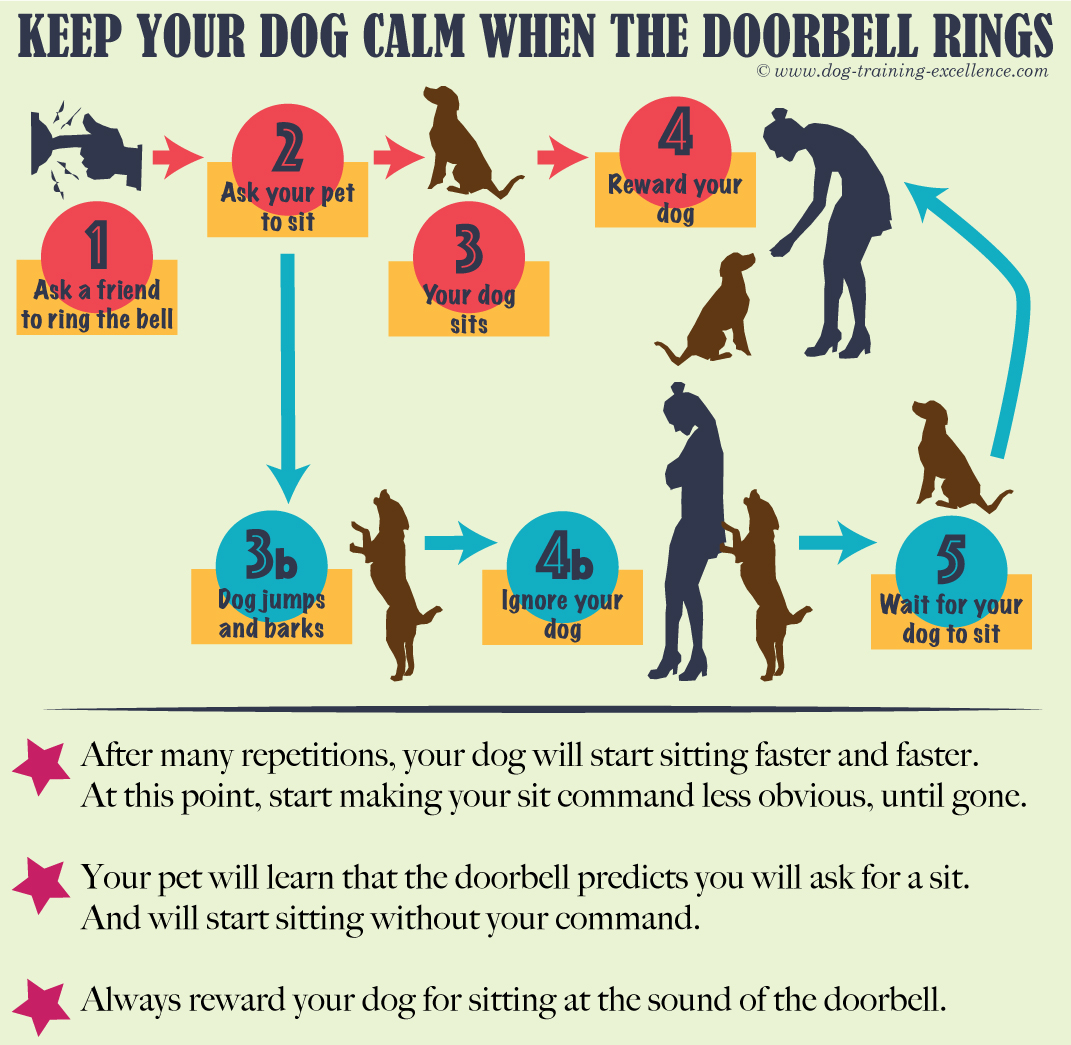
Doorbell or visitors
- Teach “place” or “sit” away from the door.
- Practice a calm greeting routine with treats.
Leash barking at other dogs
- Increase distance to reduce trigger intensity.
- Reward attention on you rather than the other dog.
Separation barking
- Build alone time gradually with short departures.
- Provide enrichment like food puzzles and safe chew toys.
Neighbor and outside noises
- Close windows, use white noise, and build desensitization to common sounds.
These focused tactics answer how do i train my dog to stop barking in common daily situations.
Quick PAA-style questions
Q: How long does it take to stop barking?
- It varies. Small improvements can appear in days, but consistent change often takes weeks to months.
Q: Can I stop barking without treats?
- Yes. You can use toys, praise, and play. Treats speed learning and help with strong triggers.
Q: Is barking a sign of pain?
- Sometimes. If barking starts suddenly or with other signs like limping, see a vet.
Frequently Asked Questions of how do i train my dog to stop barking
How quickly will my dog learn the “Quiet” cue?
Most dogs show progress in a few sessions, but full reliability can take weeks. Consistent, short training sessions speed learning.
Should I punish my dog for barking?
Punishment can increase fear and worsen barking. Teach an alternative behavior and reward quiet instead.
Are anti-bark collars effective and safe?
Many trainers advise caution. Some devices can cause stress or harm. Consult a professional before using them.
What if my dog barks at night?
Check for medical issues, provide more daytime exercise, and create a calm bedtime routine. A comfortable, quiet sleeping area helps.
Can puppies be trained not to bark?
Yes. Early training with rewards and socialization reduces lifelong barking issues. Start with short, positive sessions.
When should I see a behaviorist?
See a behaviorist if barking links to severe anxiety, aggression, or if training stalls despite consistent effort. A specialist can create a tailored plan.
How do I keep family members consistent?
Hold a short family meeting. Agree on cues, rewards, and rules. Consistency from everyone speeds results.
Conclusion
You can teach your dog to bark less by understanding triggers, using reward-based training, and practicing consistently. Start by tracking triggers, teach a clear “Quiet” cue, and pair exposure with rewards. Be patient, adjust for your dog’s needs, and seek a professional when needed.
Try the 30-day plan and track progress. If one approach stalls, tweak it and keep rewards coming. Share your results, ask questions, or subscribe for more training guides.