How To Take Care Of A Puppy For Beginners: Quick Guide
Learn how to take care of a puppy for beginners with tips on feeding, training, vet visits, and grooming. Start right and raise a happy, healthy pup.
Set a simple routine, use kind training, see the vet, and keep sessions short.
Raising a puppy feels big, but you can do it. I’ve coached many new owners through those first wild weeks. This guide shows how to take care of a puppy for beginners with clear steps, simple routines, and honest advice I’ve used in real homes. Read on to build good habits fast and raise a calm, healthy dog.

Setting Up Before Your Puppy Arrives
Success starts before the first night. A calm setup cuts stress for you and your pup. If you want a clear path on how to take care of a puppy for beginners, start with the right gear and space.
Essentials to buy
- Crate sized for now, with a divider to grow
- Two bowls for food and water
- Flat collar, ID tag, and a 4–6 foot leash
- Puppy food and small soft treats
- Enzyme cleaner for messes
- Chew toys, a snuffle mat, and a soft bed
- Baby gates or a playpen
Prepare your home
- Pick a quiet potty spot outside. Use the same door.
- Set one sleep area. Keep it away from busy zones.
- Hide cords, remove toxic plants, and store trash.
- Plan a simple schedule. Set alarms if needed.
Pro tip from the field
- I place a pen in the living room. Pup can rest yet still see us. This eases fear and cuts whining. It’s a simple win for anyone learning how to take care of a puppy for beginners.

Source: haikudeck.com
The First 48 Hours: Calm Starts Strong
Those first days shape your bond. Keep everything slow and safe. Think of it like a quiet welcome, not a party.
Do this first
- Go outside to potty right away.
- Offer water, then a small meal after an hour.
- Short tours of the home. One room at a time.
- Nap often. Puppies sleep 16–20 hours a day.
- Vet visit in 24–72 hours, as most vets advise.
Avoid common mistakes
- No long walks yet. Growth plates are fragile.
- No crowded parks. Disease risk is high.
- No rough play with kids. Teach calm touch.
This slow roll is a core part of how to take care of a puppy for beginners. It builds trust and keeps stress low.
:strip_icc()/how-to-care-for-puppies-1117475-04-7799bac00ee1460dbb853887aa3b3a09.jpg)
Source: thesprucepets.com
Feeding and Nutrition Basics
Food drives growth, mood, and training. Get it right early. Most puppies do well on a balanced, complete puppy diet.
Simple feeding plan
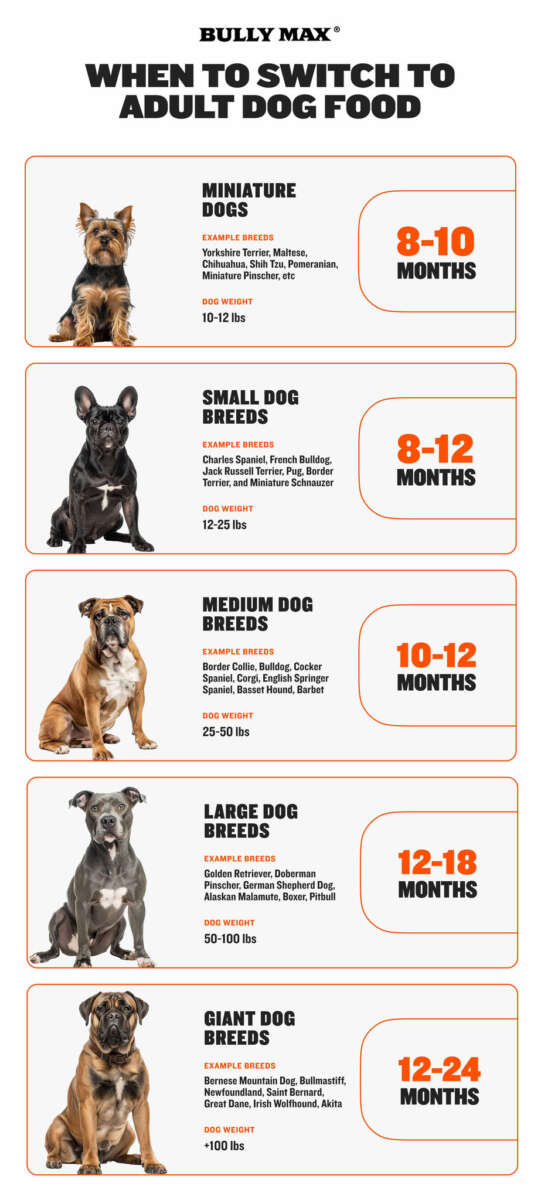
- Under 12 weeks: three to four small meals a day.
- 12–24 weeks: three meals a day.
- After 6 months: two meals a day.
Tips that work
- Measure meals. Do not “free feed.”
- Switch foods over 5–7 days. Mix old and new.
- Fresh water down at all times.
- Use part of meals as training treats.
What the pros note
- Large breeds need large-breed puppy food to protect joints.
- Track weight and body shape each week.
- Ask your vet for calorie targets. This is smart, basic how to take care of a puppy for beginners.
Source: supertails.com
Sleep, Crate, and Potty Training
Sleep fuels growth and good behavior. A crate helps with rest and potty rules. This is the heart of how to take care of a puppy for beginners.
Crate basics
- Make the crate cozy with a pad and a safe chew.
- Place it near you at night to reduce worry.
- Guide the pup in with treats. Never force.
Potty routine
– Take out after naps, meals, play, and every 2–3 hours.
- Go to the same spot. Praise the moment they finish.
- Keep a log. Wins rise fast when you track.
Night schedule
- Set potty alarms at first. Most pups need one trip.
- Keep lights low and voices soft. Straight out, then back to bed.
- Stretch the time slowly as nights improve.
What I learned the hard way
- I used to give too much freedom. Messes spiked. When I tightened the schedule, accidents dropped in days. That’s a key fix in how to take care of a puppy for beginners.
:strip_icc()/how-to-care-for-puppies-1117475-hero-05219e04ec7a4a77a7f246bb5b6c40d4.jpg)
Source: thesprucepets.com
Socialization and Early Training
Early, safe social time shapes a brave adult dog. Short, fun lessons keep the brain happy.
Socialization plan
- Meet new sights, sounds, and surfaces each week.
- Invite calm friends to visit. One or two at a time.
- Carry your pup near busy places before vaccines are done.
Training seeds
- Reward name, sit, down, and come.
- Swap toys to prevent guarding. Trade, don’t grab.
- Reward calm on a mat during meals or TV time.
Why it matters
- Research shows early social time reduces fear later.
- Ten tiny wins a day beat one long session.
- This is practical how to take care of a puppy for beginners you can use now.

Source: 123homeschool4me.com
Health, Vaccines, and Parasite Prevention
Good health care is not complex. It is a steady plan. Most vets follow similar timelines.
Core steps
- First vet visit within 2–3 days at home.
- Vaccine series from 6–16 weeks, then boosters.
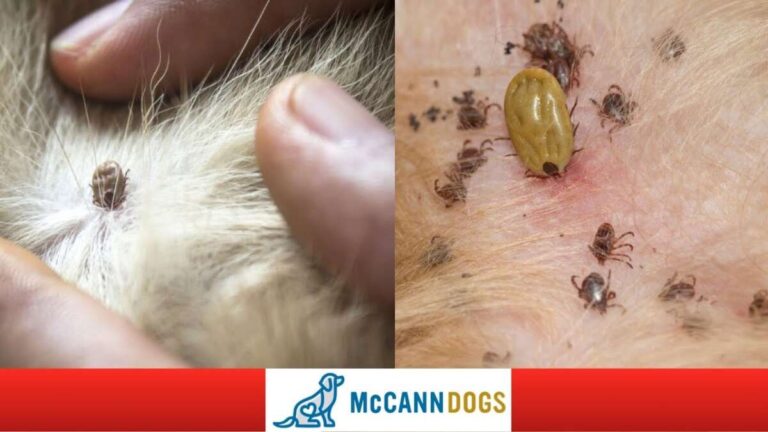
- Deworm on schedule. Use flea and tick control.
- Discuss spay or neuter timing for your breed.
Watch for red flags
- Lethargy, vomiting, diarrhea, or loss of appetite
- Coughing or heavy breathing
- Swollen belly or pale gums
Trust signals
- Vets use weight, stool tests, and exams to guide care.
- Keep all records. Bring them to visits.
- Clear records are part of how to take care of a puppy for beginners.
:strip_icc()/how-to-care-for-puppies-1117475-06-8b6c056e1ef34428a9854f813c2c9709.jpg)
Source: thesprucepets.com
Exercise, Play, and Mental Enrichment
Puppies need play, not marathons. Think short, soft, and smart. The goal is to burn mind and body in safe ways.
Do more of this
- Short training games with food
- Sniff walks and scatter feeding
- Tug with rules: start, stop, trade
Avoid overdoing it
- No forced runs or stairs for long periods
- Stop if your pup lags or flops
- Keep sessions 5–10 minutes, many times a day
Enrichment ideas
- Puzzle feeders and lick mats
- Cardboard box “treasure hunts”
- Rotate toys to keep them fresh
These low-stress games are a pillar of how to take care of a puppy for beginners.

Source: wikihow.com
Grooming and Hygiene Basics
Touch means trust. Start grooming early. Keep it easy and sweet.
Weekly care
- Brush coat to cut shedding and mats.
- Check ears, nails, and teeth.
- Handle paws and open the mouth. Reward calm.
Bath and nails
- Use puppy-safe shampoo when needed.
- Clip nails every 1–2 weeks. Tiny trims beat long waits.
- Add a chew or lick mat in the tub for calm time.
Health tie-in
- Clean ears and healthy gums prevent pain.
- Short nails protect joints.
- Routine grooming is smart how to take care of a puppy for beginners.

Source: ccspca.com
Safety at Home and Outdoors
Puppy-proof like you would for a toddler. Small risks add up fast.
Home
- Secure cords and lock cabinets.
- Crate or pen when you cannot watch.
- Keep human meds, gum, and chocolate out of reach.
Yard and walks
- Use a well-fitted collar or harness.
- Check fences for gaps.
- Avoid dog parks until vaccines are complete.
Travel
- Use a crash-tested crate or seat belt clip.
- Pack water, a bowl, and poop bags.
- Plan rest stops every 2–3 hours.
A tight safety net is core to how to take care of a puppy for beginners.
A Simple Daily Schedule for Beginners
Routines remove guesswork. Here is a starter plan you can tweak.
Morning
- Potty, breakfast, short play, nap
- Short training while coffee brews
Midday
- Potty, lunch, sniff walk in the yard
- Calm chew, nap
Afternoon
- Potty, play, touch-up grooming
- Short training, nap
Evening
- Potty, dinner, family time on a mat
- Potty, into the crate for sleep
This flow is a clear map of how to take care of a puppy for beginners. Adjust times to your life and your pup’s age.
Frequently Asked Questions: how to take care of a puppy for beginners
When should my puppy see the vet?
Book a visit within 24–72 hours of coming home. You will set vaccines, parasite checks, and a health baseline.
How often should a puppy eat?
Young pups eat three to four times daily. Move to two meals by six months if growth is steady.
What is the best way to potty train fast?
Use a strict schedule and one outdoor spot. Praise the instant they finish and log each success.
When can I take my puppy to the park?
Wait until core vaccines are done. Choose quiet areas first and watch for signs of stress.
How long can my puppy be in a crate?
Aim for one hour per month of age, up to four hours. Add breaks, chews, and calm training to keep it positive.
What training should I start with?
Teach name, sit, down, come, and leash basics. Keep sessions short, sweet, and full of rewards.
Conclusion
You now have a clear plan for daily care, training, health, and safety. Keep sessions short, keep records, and keep your routine steady. That is the simple truth behind how to take care of a puppy for beginners.
Pick one section to start today. Set a schedule, prep your gear, or book that vet visit. Want more tips? Subscribe, ask a question, or share your puppy wins so we can help you thrive together.

Pet Care Writer & Researcher
Daniel writes practical guides on daily care, feeding, and safety, turning complex topics into simple, actionable advice.