Is Dog Food Actually Good For Dogs: The Truth
Is dog food actually good for dogs? Learn what makes a healthy diet, which ingredients matter, and how to choose the best food for your pet.
Yes, complete and balanced commercial dog food can be very good for most dogs.
So, is dog food actually good for dogs? The answer depends on the recipe, ingredients, safety standards, and your dog’s unique needs. After reviewing pet nutrition guidance and countless feeding plans, I’ve learned that good dog food is less about clever marketing and more about complete nutrition, proper portions, and a formula that suits the individual dog.
Is dog food actually good for dogs?
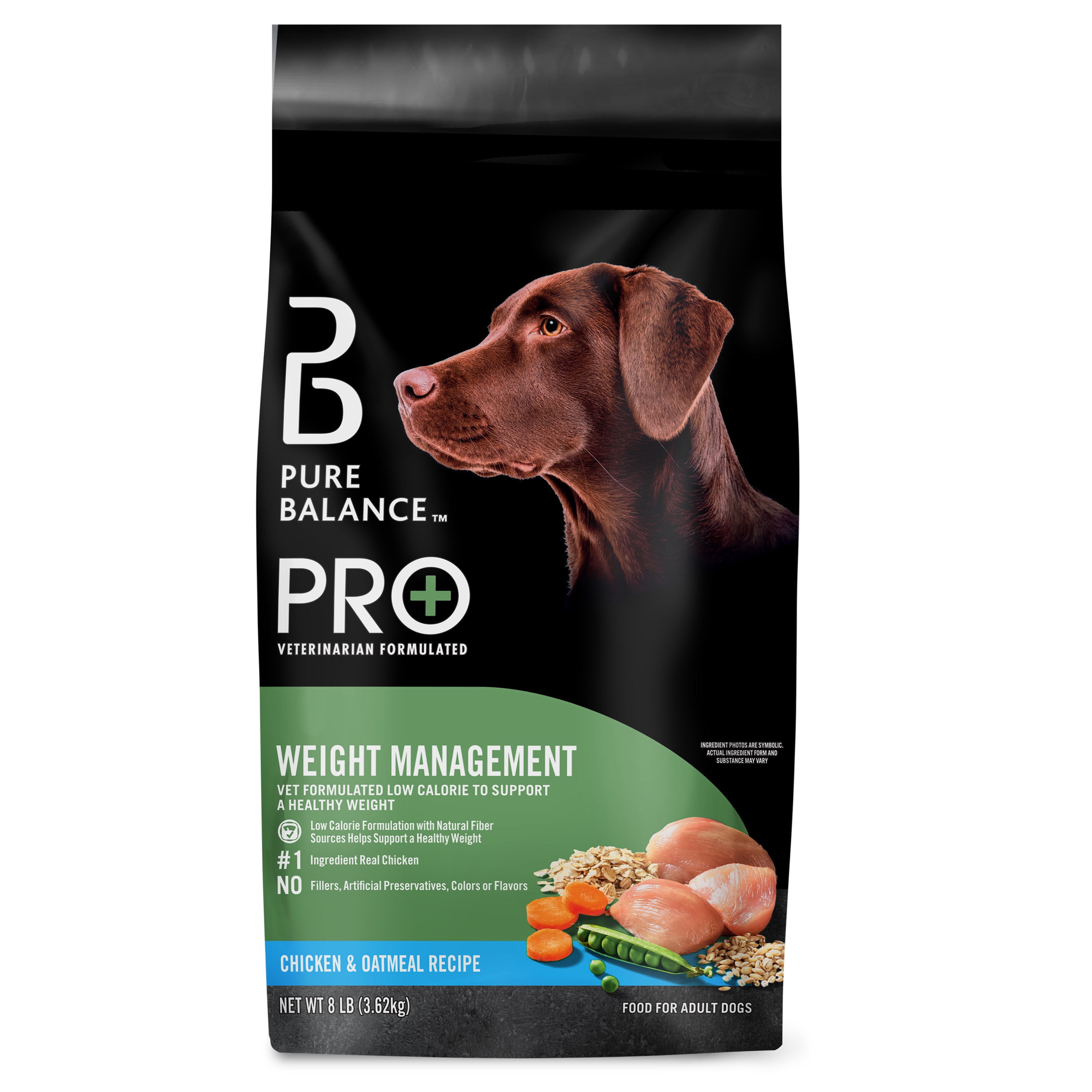
Yes, dog food can be an excellent part of a healthy diet when it is complete, balanced, safe, and suitable for the dog’s age and health. Commercial dog food is made to provide key nutrients such as protein, fat, vitamins, minerals, and essential fatty acids.
The best choice depends on several factors:
• Your dog’s age and life stage
• Body size and activity level
• Breed-related needs
• Allergies or food sensitivities
• Medical conditions
• The quality and safety of the food
• The amount you serve each day
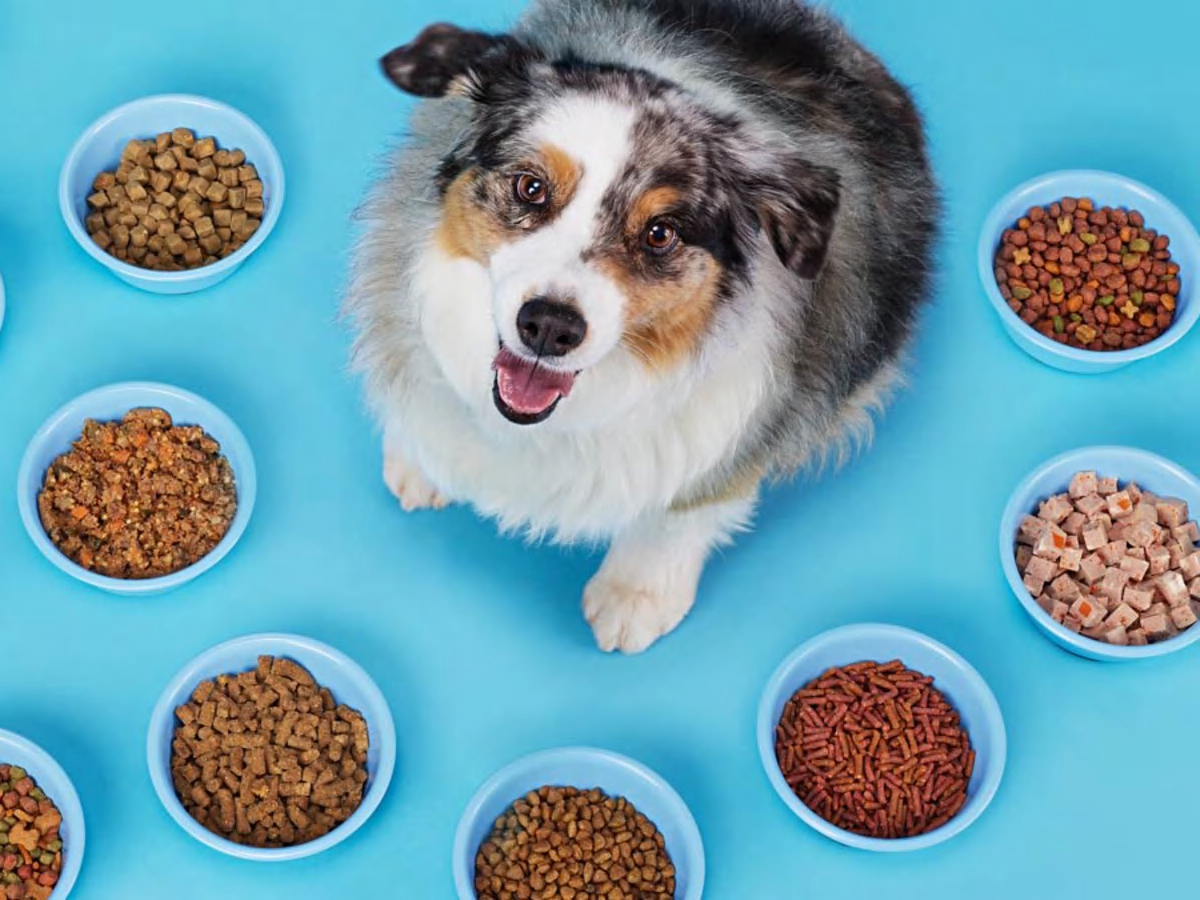
When people ask, “Is dog food actually good for dogs?” they often picture dry brown pieces or canned meat with a long ingredient list. In reality, dog food comes in many forms. Dry food, wet food, fresh food, freeze-dried food, and veterinary diets can all be useful.
The main issue is not whether food is sold in a bag or can. The real question is whether it supplies the right nutrients in the right amounts.
What makes dog food healthy?
A healthy dog food should provide complete and balanced nutrition. In the United States, this phrase usually means the food meets nutrient profiles set by the Association of American Feed Control Officials, or AAFCO, or has passed an approved feeding trial.
The label should clearly state whether the food is intended for:
• Growth and development
• Adult maintenance
• All life stages
• Pregnancy and nursing
• A specific medical need
Puppies, adult dogs, and senior dogs do not always need the same diet. For example, large-breed puppies need careful control of calcium and calories. Too much energy or an improper mineral balance may affect bone growth.
Healthy dog food usually contains these important components:
Protein
Protein supports muscles, skin, organs, hormones, enzymes, and immune function. Meat, poultry, fish, eggs, and some plant ingredients can provide protein.
Dogs do not need one specific meat in every meal. They need enough usable amino acids. A food with chicken, beef, fish, or plant protein may work well if the full recipe is properly balanced.
Fat
Fat supplies energy and helps the body absorb vitamins. It also supports the skin, coat, brain, and immune system.
Fat is calorie-dense, so high-fat foods are not automatically better. A very rich diet may cause weight gain or digestive trouble in some dogs.
Carbohydrates
Dogs can digest cooked carbohydrates. Rice, oats, barley, potatoes, peas, and other ingredients can provide energy and fiber.
Carbohydrates are not required in the same way that some amino acids and fatty acids are required. Still, they can be a useful part of a balanced diet for many dogs.
Vitamins and minerals
Dogs need nutrients such as calcium, phosphorus, zinc, iron, copper, vitamin A, and vitamin D. The amounts must be carefully balanced.
Adding random supplements to a complete dog food can create problems. More is not always better, especially with vitamins and minerals.
Dry dog food versus wet dog food
Both dry and wet dog food can support good health. The better choice often depends on your dog, your budget, and your daily routine.
Dry dog food is popular because it is:
• Easy to measure
• Simple to store
• Often less expensive per meal
• Convenient for training and puzzle feeders
• Less messy than canned food
Wet dog food contains more water. This may help dogs that drink little or need extra moisture in their diet. Many dogs also find wet food more appealing because of its smell and texture.
Wet food is often useful for:
• Older dogs with dental pain
• Dogs with a poor appetite
• Dogs that need more water
• Dogs with some medical conditions
• Dogs that dislike dry textures
However, wet food is not always nutritionally better. A high-quality canned food and a high-quality dry food can both be complete and balanced.
One practical mistake I often see is treating wet food as a snack instead of part of the daily calorie total. A dog can gain weight quickly when canned food, dry food, treats, and table scraps are all added together.
How to read a dog food label
Dog food labels can look confusing, but a few parts matter most.
Check the nutritional adequacy statement
Look for a statement that says the food is complete and balanced for your dog’s life stage. This statement is more useful than a front-label claim such as “natural,” “premium,” or “holistic.”
Marketing words may sound healthy, but they do not prove that a food meets your dog’s nutrient needs.
Review the calorie content
Calorie information helps you control portions. Two foods may look similar but provide very different calories per cup or can.
Use the feeding guide as a starting point, not a strict rule. Dogs vary widely in metabolism. Adjust the amount based on body condition, weight changes, activity, and advice from your veterinarian.
Look at the company’s quality controls
A trustworthy manufacturer should be able to explain:
• Who formulates the food
• Where the food is made
• How ingredients are tested
• What safety checks are used
• Whether nutrition experts help create the recipes
• How the company handles recalls
The World Small Animal Veterinary Association recommends looking beyond the ingredient list. Ingredients alone do not show how a company tests food, controls contamination, or confirms nutrient levels.
Do not fear every unfamiliar ingredient
Some ingredients have scientific names because they are vitamins, minerals, or specific nutrients. An ingredient list may sound technical without being dangerous.
For example, “mixed tocopherols” are often used as natural preservatives. “Calcium carbonate” is a mineral source. A long ingredient list is not automatically a bad sign.
Are meat by-products and grains bad for dogs?
No. Meat by-products and grains are not automatically harmful.
Meat by-products may include nutrient-rich organs such as liver, heart, and kidneys. These parts can provide protein, vitamins, and minerals. The term does not simply mean waste.
Grains such as corn, wheat, rice, and oats can provide carbohydrates, fiber, fatty acids, and other nutrients. Most dogs digest properly cooked grains well.
Some dogs have food allergies or sensitivities. In those cases, a veterinarian may recommend a limited-ingredient diet or a prescription elimination diet. But true grain allergies are less common than many online claims suggest.
Food allergies in dogs more often involve certain animal proteins, although any protein can cause a reaction. Symptoms may include itchy skin, recurring ear problems, vomiting, or diarrhea. A proper diagnosis usually requires a controlled diet trial, not guesswork.
Can dogs eat homemade dog food?
Homemade dog food can be healthy, but it is difficult to balance without professional guidance. A recipe that contains meat, rice, and vegetables may look wholesome yet lack calcium, zinc, iodine, vitamin D, or other essential nutrients.
This is one of the most important lessons in canine nutrition: healthy-looking ingredients do not guarantee a healthy diet.
If you want to prepare meals at home, work with a board-certified veterinary nutritionist. The recipe should include precise ingredients, cooking instructions, portions, and any required supplements.
Avoid making major diet changes based on social media recipes. Many popular recipes are not complete for long-term feeding.
Homemade diets may be appropriate for some dogs, but they require careful planning. They are not automatically safer or more natural than commercial food.
Is raw dog food better than regular dog food?
There is no strong proof that raw dog food is healthier than a complete and balanced cooked diet for most dogs. Raw diets may also carry risks from bacteria, parasites, bone injuries, and nutrient imbalance.
Potential concerns include:
• Salmonella and other harmful bacteria
• Illness in people who handle contaminated food
• Broken teeth from hard bones
• Choking or intestinal blockage
• Too much or too little of certain nutrients
• Higher risk for puppies and dogs with weak immune systems
The U.S. Food and Drug Administration has reported bacterial contamination in some raw pet foods. Dogs may show no signs while still spreading bacteria around the home.
If a person chooses raw feeding, they should discuss it with a veterinarian and follow strict food safety practices. However, raw food should not be assumed to be superior simply because it is less processed.
Common problems with dog food
Even good dog food can cause problems when it is poorly selected, poorly stored, or fed in excess.
Overfeeding
Obesity is one of the most common nutrition-related problems in dogs. Extra weight can increase the risk of joint disease, diabetes, breathing problems, and reduced quality of life.
You should be able to feel your dog’s ribs without pressing hard. Your dog should also have a visible waist when viewed from above.
Sudden food changes
Changing food too quickly may cause loose stool, gas, or vomiting. A gradual change over about seven days is often easier for the digestive system.
A simple transition may look like this:
- Feed mostly the old food with a small amount of the new food.
- Slowly increase the new food over several days.
- Watch stool quality, appetite, energy, and skin.
- Slow down the change if digestive upset occurs.
Some dogs need a longer transition, especially if they have a sensitive stomach.
Poor storage
Store dry food in a cool, dry place. Keep it in its original bag, or place the sealed bag inside an airtight container. Wash food bowls often and discard food that smells stale or looks unusual.
Canned food should be refrigerated after opening and used according to the label instructions.
Too many treats
Treats should generally make up no more than about 10% of a dog’s daily calories. The other 90% should come from complete and balanced food.
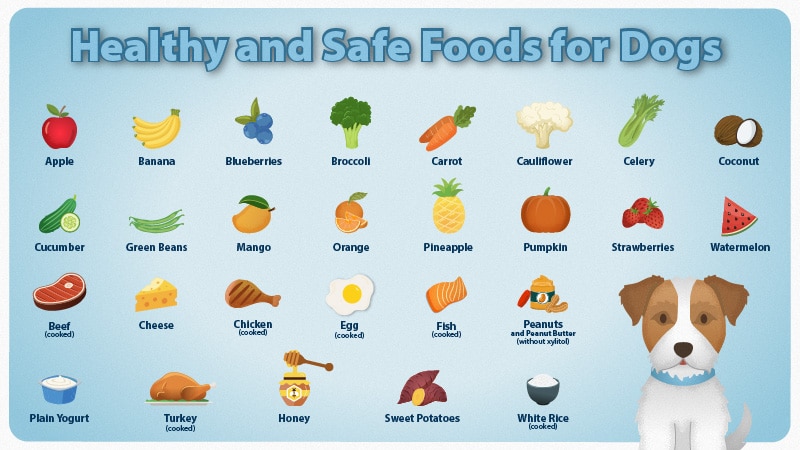
Small pieces of cooked meat, carrots, or commercial treats can fit into a healthy plan. Avoid foods such as chocolate, grapes, raisins, onions, garlic, macadamia nuts, and products containing xylitol.

How much dog food should you feed?
The correct amount depends on calorie content and your dog’s needs. Feeding charts provide a starting point, but they cannot account for every dog.
A relaxed house dog may need far fewer calories than a working dog. Puppies, pregnant dogs, and highly active dogs may need more. Neutered dogs may also need fewer calories than intact dogs.
Monitor these signs:
• Stable weight
• Good muscle tone
• Normal stool
• Healthy skin and coat
• Steady energy
• A visible waist
• Ribs that are easy to feel
Weigh your dog regularly, especially after changing food. Even a small daily excess can lead to gradual weight gain.
Your veterinarian can assess body condition and help estimate calorie needs. This is especially important for dogs with kidney disease, heart disease, diabetes, pancreatitis, allergies, or urinary problems.
How to choose the best dog food
Choosing food does not need to feel like solving a puzzle. Start with your dog’s health, then review the product.
Use this simple process:
- Choose a food made for your dog’s life stage.
- Confirm that it is complete and balanced.
- Check the calorie content.
- Select a reputable manufacturer with clear quality controls.
- Match the texture to your dog’s teeth and preferences.
- Introduce the food slowly.
- Track weight, stool, appetite, coat, and energy.
- Ask your veterinarian about special medical needs.
Do not switch foods often just to chase new trends. If your dog is thriving, has a healthy weight, and enjoys the food, there may be no reason to change it.
Price can also be misleading. The most expensive food is not always the best food, and a lower-cost food is not automatically poor quality. Nutritional adequacy, safety, digestibility, and suitability matter more than packaging.
When should you ask a veterinarian?
Contact a veterinarian if your dog has ongoing vomiting, diarrhea, weight loss, severe itching, repeated ear infections, poor appetite, or a sudden change in thirst or urination.
A dog that refuses food for more than a short period may need prompt attention, especially if it is a puppy, senior, or has a chronic condition.
Veterinary advice is also important before feeding:
• A homemade diet
• A raw diet
• A restricted diet
• A weight-loss plan
• A diet for kidney or liver disease
• A diet for food allergies
• Supplements alongside complete food
Nutrition advice found online can be useful for general education, but it cannot replace an examination or laboratory testing.
Is dog food actually good for dogs? Practical answer
Is dog food actually good for dogs? Yes, when it is complete, balanced, safely made, properly stored, and fed in the right amount.
Is dog food actually good for dogs with allergies? It can be, but the food must avoid the problem ingredient and should be chosen with veterinary guidance.
Is dog food actually good for dogs every day? A complete and balanced formula is designed for daily feeding, unlike snacks, table scraps, or unbalanced homemade meals.
Is dog food actually good for dogs if it contains grains? Yes. Properly cooked grains can provide useful nutrients, and most dogs tolerate them well.
Is dog food actually good for dogs if it is dry? Yes. Dry food can support health when it meets nutritional standards and suits the dog’s needs. It does not replace dental care, though, and ordinary kibble should not be treated as a guaranteed tooth cleaner.
Frequently Asked Questions About Whether Dog Food Is Actually Good for Dogs
Is commercial dog food safe?
Most commercial dog food from reputable manufacturers is safe when it is made under strong quality controls and stored correctly. Check recall notices, follow storage instructions, and contact a veterinarian if your dog becomes ill after eating a product.
What is the healthiest food for a dog?
The healthiest food is a complete and balanced diet that suits the dog’s age, size, activity, health, and calorie needs. There is no single brand or recipe that is best for every dog.
Can dogs live on kibble alone?
Yes, many dogs can live healthy lives on complete and balanced dry food. Fresh water should always be available, and portions should be adjusted to maintain a healthy body weight.
Is wet food better than dry food for dogs?
Wet food is not automatically better than dry food. It contains more water and may be easier for some dogs to eat, while dry food is convenient and often more affordable.
How often should a dog eat?
Many adult dogs do well with two meals per day. Puppies may need more frequent meals, while some medical conditions require a specific feeding plan from a veterinarian.
Can dog food cause allergies?
Yes, dogs can react to ingredients in food, most often certain proteins. A veterinarian may use a carefully controlled elimination diet to identify the cause.
Should dogs eat human food?
Some plain foods, such as cooked lean meat, carrots, or green beans, can be safe in small amounts. Avoid toxic foods and keep treats and extras within about 10% of daily calories.
Conclusion
Is dog food actually good for dogs? The answer is yes when the food is complete, balanced, safe, and matched to the dog eating it. Dry, wet, fresh, and carefully planned homemade diets can all have a place, but marketing claims should never replace sound nutrition.
Focus on the nutritional adequacy statement, calorie control, safe storage, gradual food changes, and your dog’s body condition. When your dog has a medical issue or unusual symptoms, involve your veterinarian before changing the diet.
Take a close look at your dog’s current food and feeding amount today. Then make one informed improvement, track the results, and explore trusted veterinary nutrition resources for ongoing guidance.

Pet Care Writer & Researcher
Daniel writes practical guides on daily care, feeding, and safety, turning complex topics into simple, actionable advice.