What To Do About A Neighbor’s Dog Barking: Fixes
What to do about a neighbor’s dog barking? Try practical, respectful solutions to restore peace and resolve the issue without conflict.
Start with a calm conversation, document the noise, and use local rules if the barking continues.
Knowing what to do about a neighbor’s dog barking can protect your sleep, your relationship with your neighbor, and your peace of mind. The best solution usually starts with patience, clear facts, and a step-by-step plan rather than anger or threats. This guide explains practical, safe, and lawful ways to solve the problem.
Why a Neighbor’s Dog May Bark
Dog barking is normal communication. A dog may bark when it hears a sound, sees a stranger, feels bored, or wants attention. Still, frequent or long-lasting barking can become a real nuisance.
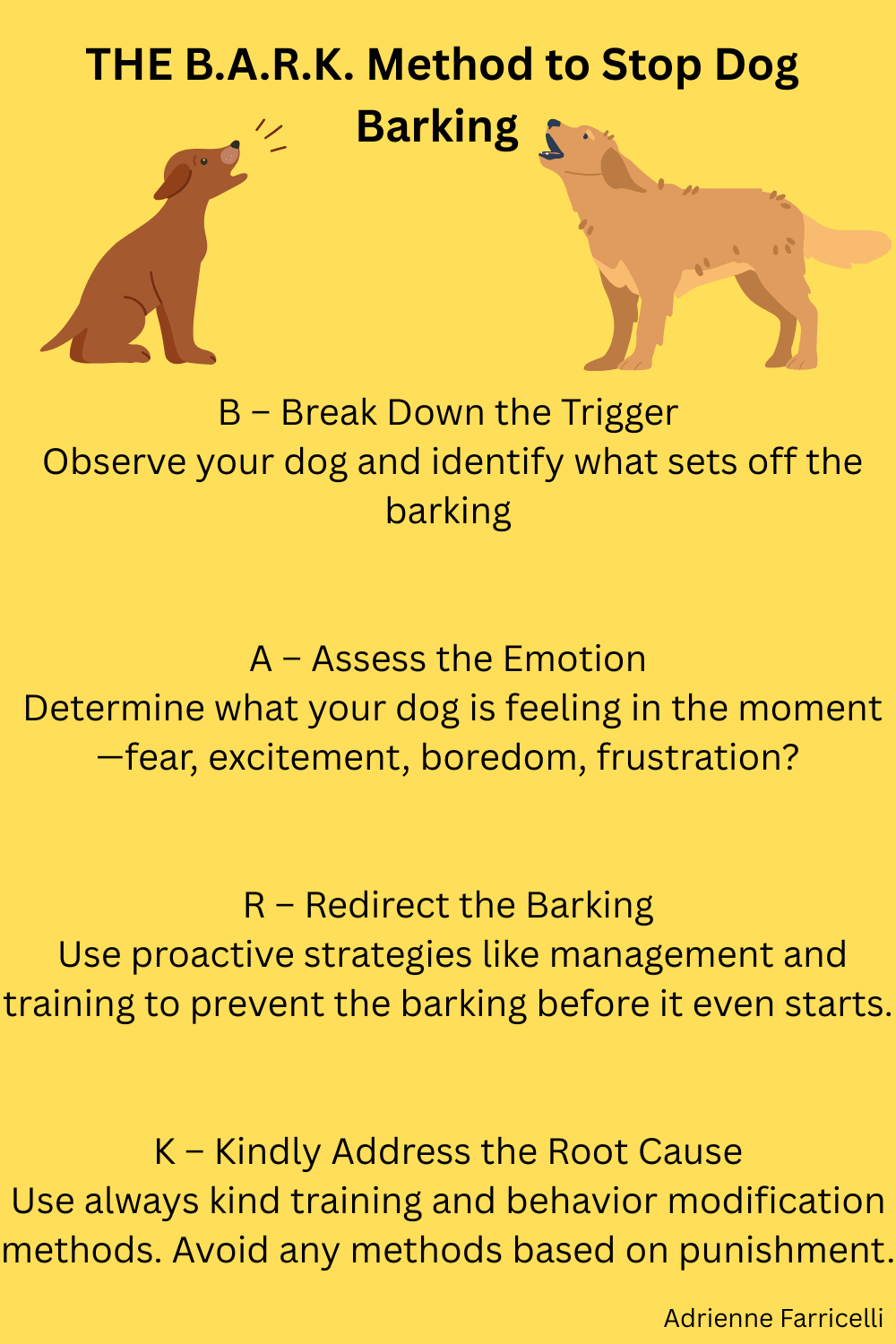
Before deciding what to do about a neighbor’s dog barking, try to identify the pattern. The cause often points to the best solution.
Common reasons include:
• Separation anxiety when the owner leaves
• Boredom or a lack of exercise
• Fear of people, cars, wildlife, or other dogs
• Territorial behavior near a fence or window
• Hunger, pain, illness, or discomfort
• A need for attention
• Excitement during play
• Noise from construction, traffic, or nearby animals
A dog that barks for ten minutes after a delivery is different from a dog that barks for hours every day. Record the time, length, and setting of each episode. This helps you avoid guesses and gives your neighbor useful information.
Veterinary behavior experts often stress that barking is a symptom, not the full problem. Punishment may silence a dog for a short time, but it may increase fear or stress. A lasting solution usually addresses the reason behind the behavior.
Track the Barking Before You Act
A simple record can make the discussion more fair. It can also show whether the issue is constant, occasional, or linked to a clear event.
For seven days, note:
• The date and time barking starts
• How long it lasts
• Whether it is continuous or in short bursts
• What may have triggered it
• Where you hear it most clearly
• How it affects sleep, work, children, or daily life
You may use a phone app to record sound levels, but treat those readings as rough estimates. Phone microphones and apps are not the same as official noise meters. A recording can show timing and duration, but it may not prove a legal violation.
Avoid standing on the property line with a camera pointed at your neighbor’s home. That can make the conflict worse and may create privacy concerns. Record only what you need to document the noise from your own property.
In my experience, people often make their first mistake by saying, “Your dog barks all day.” That statement may feel true, but it invites an argument. A log with clear times is calmer and more useful.
Talk to Your Neighbor Calmly
A respectful conversation is often the fastest answer to what to do about a neighbor’s dog barking. Your neighbor may not know the dog barks when they are away. Many owners hear only a small part of the behavior.
Choose a good time. Do not approach your neighbor while you are angry or while the dog is barking loudly. Use a calm voice and focus on the effect of the noise.
You might say:
“Hi, I wanted to mention something that may be hard to notice from inside your home. Your dog has been barking for long periods in the afternoon, especially around 2 p.m. I work from home, so it has been difficult to take calls. I thought you would want to know.”
This approach does three things:
• It shares facts instead of blame
• It explains how the noise affects you
• It gives the owner a chance to respond
Try to listen. Your neighbor may explain that the dog has a new medical issue, has recently been adopted, or is reacting to a nearby construction project. A friendly conversation can reveal a solution you had not considered.
Do not yell at the dog, bang on the fence, throw objects, or use devices aimed at frightening the animal. These actions may cause distress, increase aggression, or place you in legal trouble.

Suggest Practical Solutions
You do not need to train the dog yourself, but you can suggest reasonable options if your neighbor seems open to help. What to do about a neighbor’s dog barking often depends on whether the owner understands the cause.
Possible steps include:
• More daily exercise and play
• Food puzzles or safe enrichment toys
• Closing curtains to block outside triggers
• Moving the dog away from a shared fence
• Bringing the dog indoors during busy times
• Using a dog walker or pet sitter
• Hiring a certified professional dog trainer
• Asking a veterinarian about pain, anxiety, or illness
• Using gradual behavior training for separation anxiety
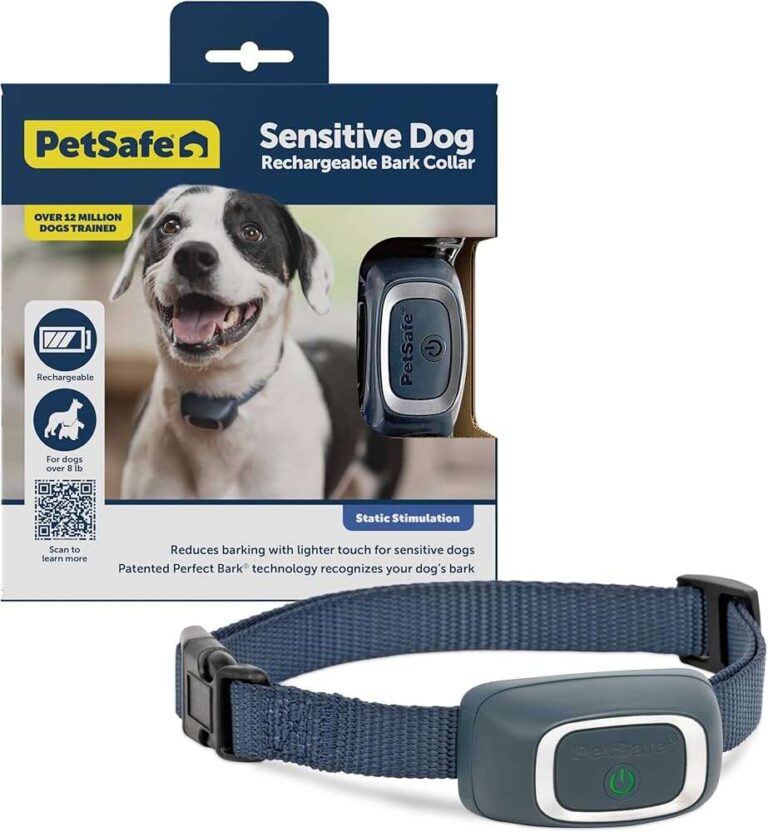
A trainer should use reward-based methods. Shock collars, harsh punishment, and intimidation can increase fear and may worsen some forms of barking. Professional help is especially important when barking involves snapping, lunging, escape attempts, or severe anxiety.
You can also offer a practical compromise. For example, you might ask whether the dog can stay indoors during your early morning meetings. Small changes sometimes solve a large problem.

Send a Polite Written Follow-Up
If the conversation does not solve the issue, send a short note or email. Keep it factual and respectful. A written message creates a record without sounding like an immediate legal threat.
Include:
• The dates and times of the barking
• The steps you already tried
• The impact on your home life
• A reasonable request
• A friendly invitation to discuss solutions
Example:
“Thanks for speaking with me yesterday. I wanted to follow up because the barking continued from about 6:30 to 7:15 a.m. on Tuesday and Wednesday. It has been waking my children. Could we discuss keeping the dog indoors during the early morning or trying another solution?”
Do not send a long message filled with insults, accusations, or threats. Avoid claiming that your neighbor is violating the law unless you have checked the actual local rule. Noise laws differ by city, county, state, and housing association.
Give your neighbor a reasonable amount of time to respond. A sudden change may not be possible, especially if the dog has anxiety or a health problem.

Check Local Noise and Animal Rules
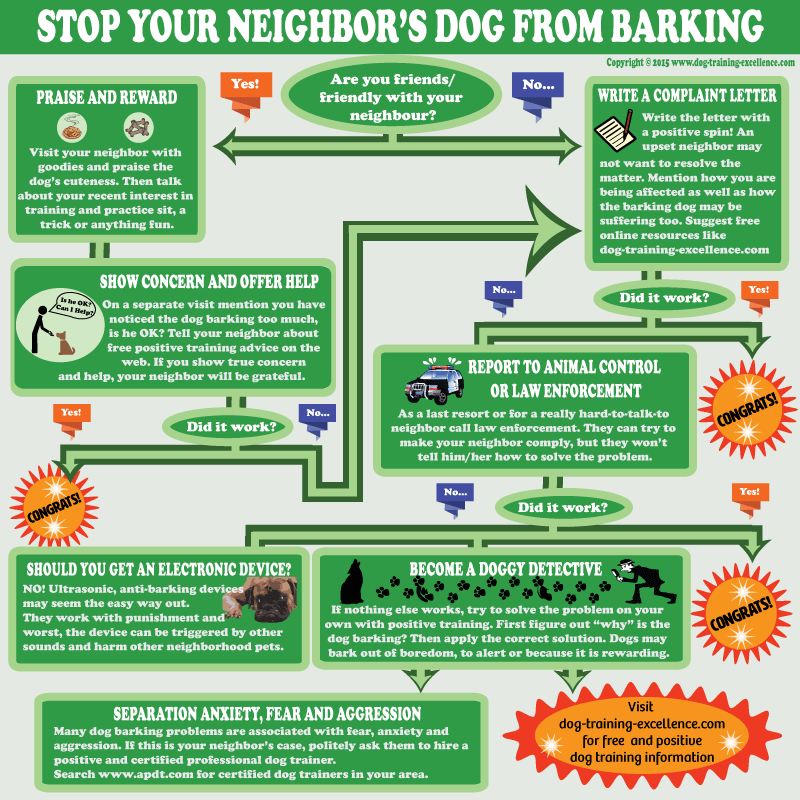
If communication fails, learn the rules in your area. Search your city or county website for terms such as “animal noise ordinance,” “excessive dog barking,” or “nuisance noise.”
Rules may define a violation by:
• A set number of minutes
• Repeated barking during a certain period
• Excessive nighttime noise
• A pattern that disturbs a reasonable person
• Proof from multiple witnesses or an enforcement officer
Some communities require you to contact the owner first. Others ask for a formal complaint, a written statement, recordings, or a noise log. Homeowners associations and apartment communities may have separate rules.
Do not assume that one loud episode is illegal. Many noise codes allow normal animal sounds, especially during the day. The legal question often depends on duration, frequency, time, and local standards.
You can contact the local animal control office, code enforcement department, property manager, or nonemergency police line for guidance. Use emergency services only if there is an immediate threat to human safety or an animal is in serious danger.

File a Formal Complaint When Needed
A formal complaint may be appropriate when the barking is persistent, disruptive, and unchanged after a good-faith effort to resolve it. The process varies, but it often follows a similar path.
-
Gather your records, including dates, times, and brief descriptions.
-
Keep copies of messages and letters.
-
Review the exact local noise rule.
-
Contact the correct enforcement office.
-
Submit the required form or statement.
-
Follow instructions about hearings, warnings, or further evidence.
-
Stay factual if an investigator contacts you.
Some agencies may ask you to sign a statement or testify. Others may send an officer to observe the noise. Your complaint may not remain anonymous, so ask about privacy before filing.
A formal process should be a last practical step, not a weapon. False reports, exaggerated claims, or repeated harassment can damage your credibility and may create a separate dispute.
If you rent, notify your landlord or property manager. If the dog owner rents, the lease may contain rules about nuisance noise or pets. If the issue involves shared walls, a condominium board may also have authority.

Know When the Problem May Involve Animal Welfare
Sometimes the barking points to neglect or distress. A dog left outside without shelter, water, shade, or basic care may bark because it is frightened, sick, or exposed to unsafe conditions.
Look for signs such as:
• No clean water
• Extreme heat or cold exposure
• Visible injury or serious illness
• Unsafe chains or tangled restraints
• Severe weight loss
• A lack of basic shelter
• Signs of immediate danger
Do not enter the property or try to remove the dog yourself. Contact local animal control or the appropriate animal welfare agency. Share specific observations rather than conclusions.
For example, say, “The dog has been outside without visible water since 10 a.m. during extreme heat,” rather than, “The owner does not care for the dog.” Accurate details help officials assess the situation.
Barking alone does not prove neglect. A dog may bark often while still receiving proper care. Keep welfare concerns separate from ordinary noise complaints.

Protect Your Sleep and Mental Health
Persistent barking can affect sleep, focus, mood, and work. Research on environmental noise links repeated noise exposure with stress and sleep disruption, although the effect depends on volume, timing, duration, and personal sensitivity.
While you work on the main problem, use temporary tools:
• White noise or a quiet fan
• Earplugs that fit safely
• Noise-canceling headphones during work
• A bedroom farther from the barking
• Heavier curtains or window inserts
• A calm routine before sleep
These tools do not excuse the noise, and they should not replace communication or enforcement. They can give you breathing room while the issue is being addressed.
If you feel overwhelmed, pause before contacting your neighbor. Take a walk, write down your facts, and ask a trusted person to review your message. A calm response is more likely to produce a calm result.

Mistakes to Avoid
Knowing what not to do is just as important as knowing what to do about a neighbor’s dog barking.
Avoid these common mistakes:
• Confronting the owner while shouting
• Threatening harm to the dog or owner
• Feeding, touching, or taking the dog
• Using poison, traps, or harmful substances
• Blasting music or creating noise in revenge
• Posting accusations on social media
• Repeatedly banging on shared walls or fences
• Calling emergency services for a routine noise complaint
• Recording inside the neighbor’s home
• Filing a complaint without checking the facts
Retaliation may escalate the dispute and can expose you to criminal or civil penalties. It can also frighten the dog and make the barking worse.
Another mistake is expecting an instant cure. Behavior change can take time, especially with separation anxiety or fear. A reasonable goal may be shorter barking periods, fewer triggers, or quiet during certain hours.
A Simple Action Plan
If you are unsure what to do about a neighbor’s dog barking, follow this sequence:
-
Listen for patterns for several days.
-
Keep a clear noise log.
-
Check whether a simple trigger explains the barking.
-
Speak with your neighbor at a calm time.
-
Suggest practical, humane solutions.
-
Send a polite written follow-up if needed.
-
Review local noise and animal rules.
-
Contact the proper local office if the problem continues.
-
Report possible animal danger to animal control.
-
Seek legal advice if the dispute becomes serious or involves threats.
This process works because it moves from the least confrontational option to the most formal one. It also shows that you acted reasonably and gave the owner a chance to respond.
Every situation is different. A barking dog in a rural area may be treated differently from a dog in an apartment building. Local law, lease terms, disability accommodations, and housing rules can all affect the next step.
Frequently Asked Questions About What to Do About a Neighbor’s Dog Barking
Should I talk to my neighbor before filing a complaint?
Usually, yes, if you feel safe doing so. Your neighbor may not know about the barking and may fix the problem after learning when it happens.
How long does a dog have to bark before it becomes a nuisance?
There is no single nationwide time limit. Local ordinances may use a set number of minutes, repeated episodes, nighttime restrictions, or a general standard of unreasonable disturbance.
Can I call the police about a barking dog?
Use the nonemergency line only if your local agency handles animal noise complaints. Many communities direct these reports to animal control or code enforcement instead.
What if my neighbor refuses to help?
Keep a detailed log and save polite written communications. Then review your local ordinance and contact the correct enforcement office for the required complaint process.
Is it legal to use a dog whistle or ultrasonic device?
Rules differ, and these devices may frighten or stress the dog without addressing the cause. Avoid using anything that could harm the animal or provoke aggressive behavior.
What should I do if I think the dog is being neglected?
Contact local animal control or an animal welfare agency. Report direct observations about water, shelter, injury, weather, and restraint rather than making unsupported claims.
Conclusion
The best answer to what to do about a neighbor’s dog barking is to stay calm, gather facts, and move through the proper steps. Start with a respectful conversation, suggest humane solutions, and document the problem if it continues. When needed, use local noise rules, animal control, property management, or code enforcement.
Do not retaliate or threaten anyone. A thoughtful approach protects your peace while giving the dog and its owner a fair chance to improve the situation. Review your local rules today, begin a simple barking log, and share your experience or questions in the comments.

Pet Care Writer & Researcher
Daniel writes practical guides on daily care, feeding, and safety, turning complex topics into simple, actionable advice.