
Can Dogs Lose Their Voice From Barking Too Much: Vet Tips

Can dogs lose their voice from barking too much? Learn why it happens, warning signs to watch, and safe ways to help your dog recover.

Yes, dogs can lose their voice from barking too much, but the change is usually temporary.

A hoarse bark can mean simple throat strain, but it can also point to pain, infection, allergies, or a problem with the larynx. Understanding why dogs lose their voice from barking too much will help you know when home care is enough and when your dog needs a veterinarian.

Can dogs lose their voice from barking too much?
Source: a-z-animals.com

Can dogs lose their voice from barking too much?

Yes, dogs can lose their voice from barking too much. Repeated barking can irritate and swell the vocal folds, which are small bands of tissue inside the larynx, or voice box.

A dog with an irritated larynx may sound hoarse, weak, raspy, or unusually quiet. Some dogs may open their mouths to bark but produce only a soft squeak. This is often similar to laryngitis in people after shouting for hours.

In most mild cases, the voice improves after rest. Still, barking is not the only cause of voice loss. A sudden change in your dog’s bark may also signal illness, an injury, or an airway problem.

What does a dog with voice loss sound like?
Source: wagwalking.com

What does a dog with voice loss sound like?

Voice changes can look different from dog to dog. Your pet may still act normal but sound very different when barking.

Common changes include:

• A raspy or rough bark

• A soft, breathy bark

• A high-pitched squeak

• A bark that starts normally and fades away

• Little or no sound when your dog tries to bark

• More throat clearing, coughing, or swallowing

Some dogs also seem tired of barking. Others may show mild discomfort when eating, drinking, or swallowing. A change in sound alone is not always an emergency, but it deserves attention if it lasts or comes with other symptoms.

Why dogs lose their voice from barking too much
Source: theonlinedogtrainer.com

Why dogs lose their voice from barking too much

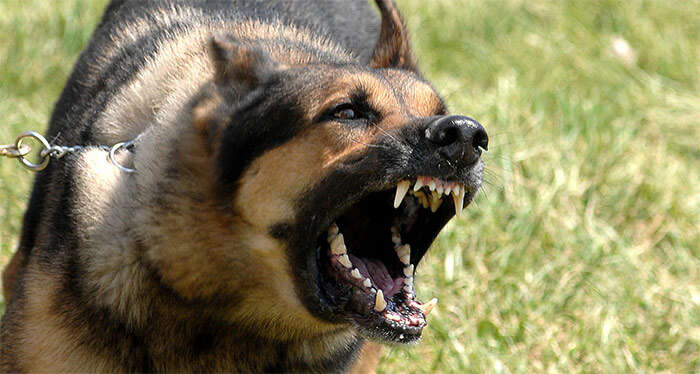
When a dog barks for a long time, the vocal folds move again and again. This repeated movement can cause swelling and irritation. The swollen tissue cannot vibrate in the usual way, so the bark becomes weak or hoarse.

Several situations can lead to excessive barking:

Long periods of barking

Dogs may bark for hours when they are left alone, excited, afraid, or reacting to sounds outside. Dogs in shelters, boarding facilities, and noisy homes may be at higher risk because they often bark in response to many triggers.

Barking against a barrier

A dog that barks through a fence or window may strain its throat. The dog is often tense and forceful, which can put more stress on the larynx than a few normal barks.

Pulling against a collar

A tight collar can press on the throat. If a dog pulls, lunges, or barks while restrained, pressure on the neck may irritate the airway and larynx.

Dry air and irritants

Smoke, dust, cleaning sprays, air fresheners, and very dry air can irritate the throat. These factors may make barking-related hoarseness worse.

Stress and excitement

An anxious dog may bark in a steady pattern for a long time. Excited dogs may also bark repeatedly during play, training, or visits from guests.

Dogs lose their voice from barking too much because the vocal tissues need time to recover, much like a person’s throat after a loud concert.

Other causes of a hoarse or missing bark
Source: petcube.com

Other causes of a hoarse or missing bark

Barking too much is common, but it should not be assumed to be the cause every time. A voice change can be the first sign of another health issue.

Possible causes include:

• Laryngitis from a virus, bacteria, or irritation

• Kennel cough or another respiratory infection

• Allergies that cause throat inflammation

• Smoke or chemical exposure

• A foreign object in the throat

• Throat or neck injury

• Growths or tumors near the larynx

• Laryngeal paralysis

• Recent surgery involving the throat or breathing tube

• Severe dental or mouth pain

• Dehydration

Laryngeal paralysis is more common in older dogs and some large breeds. It can cause a weak bark, noisy breathing, heavy panting, coughing, and trouble handling heat. This condition needs veterinary care because it can affect the dog’s ability to breathe.

A dog that loses its voice after anesthesia may have irritation from the breathing tube. This often improves, but your veterinarian should know about the change, especially if coughing or breathing problems continue.

How to tell if barking caused the voice loss
Source: petmd.com

How to tell if barking caused the voice loss

Think about what happened before your dog’s bark changed. The timeline can offer useful clues.

Ask yourself:

  1. Did your dog bark for hours or several days?

  2. Did the hoarseness begin soon after the barking?

  3. Is your dog eating and drinking normally?

  4. Is breathing quiet and easy?

  5. Is there coughing, sneezing, nasal discharge, or fever?

  6. Could your dog have inhaled smoke or a chemical?

  7. Did your dog recently have surgery or a breathing tube?

A dog that barked all night and then developed a mild, isolated hoarse bark may have simple vocal strain. A dog with voice loss plus coughing, poor appetite, fever, or noisy breathing needs a more careful assessment.

One practical lesson is easy to miss: owners often focus on the bark and forget to check the whole dog. Appetite, energy, breathing, gum color, and swallowing can tell you much more than the sound alone.

What to do when your dog loses its voice
Source: ellevetsciences.com

What to do when your dog loses its voice

If your dog is breathing normally and seems comfortable, start with simple supportive care.

Give the voice a rest

Reduce barking triggers for a few days. Close the curtains, move your dog away from busy windows, and use calm indoor activities. Avoid yelling at your dog, since this can increase stress and barking.

Offer fresh water

Good hydration helps keep the throat moist. Make sure clean water is easy to reach. Do not force water into your dog’s mouth.

Use a harness

A well-fitted harness can reduce pressure on the throat during walks. Avoid choke chains, prong collars, and tight collars while the throat is irritated.

Improve indoor air

Keep your dog away from smoke, dust, strong perfumes, and harsh cleaning products. A humidifier may help in a dry room, but clean it often to prevent mold and bacteria.

Keep activity calm

Quiet games, food puzzles, gentle walks, and scent work can provide mental exercise without encouraging loud barking. Avoid games that lead to repeated vocalizing.
Do not give human medicine

Cough drops, pain relievers, decongestants, and other human products may be dangerous for dogs. Some contain ingredients that can harm the liver, kidneys, heart, or nervous system.

Rest is the main treatment when dogs lose their voice from barking too much and have no other signs of illness. If the bark does not begin to improve within a few days, contact your veterinarian.

When should a veterinarian examine your dog?
Source: reddit.com

When should a veterinarian examine your dog?

Contact a veterinarian promptly if the voice change lasts more than a few days or keeps returning. A veterinary exam can identify throat inflammation, infection, laryngeal disease, or another cause.

Seek urgent care if your dog has:

• Difficulty breathing

• Loud or harsh breathing

• Blue, gray, pale, or purple gums

• Collapse or extreme weakness

• Trouble swallowing

• Heavy drooling

• Choking or repeated gagging

• Swelling of the face or throat

• Severe coughing

• A very high body temperature

• Exposure to smoke, chemicals, or a foreign object

Breathing trouble is more important than the loss of sound. A dog may have a serious airway problem even if the only early clue seems to be a strange bark.

Your veterinarian may examine the mouth and throat, listen to the chest, check the neck, and ask about barking, recent illness, and possible exposure to irritants. Some dogs need imaging, blood tests, or a sedated examination of the larynx.

How long does it take for a dog’s voice to return?
Source: youtube.com

How long does it take for a dog’s voice to return?

Mild voice strain may improve within a few days after the dog stops excessive barking. Some dogs need one to two weeks for the bark to return to normal, depending on the amount of irritation.

Recovery may take longer if an infection, allergy, injury, or laryngeal condition is involved. In some cases, the bark may remain changed even after treatment.

Do not judge recovery only by the sound of the bark. Your dog should also breathe comfortably, eat, drink, and act normally. A bark that improves while breathing becomes noisy is still a reason to seek veterinary help.

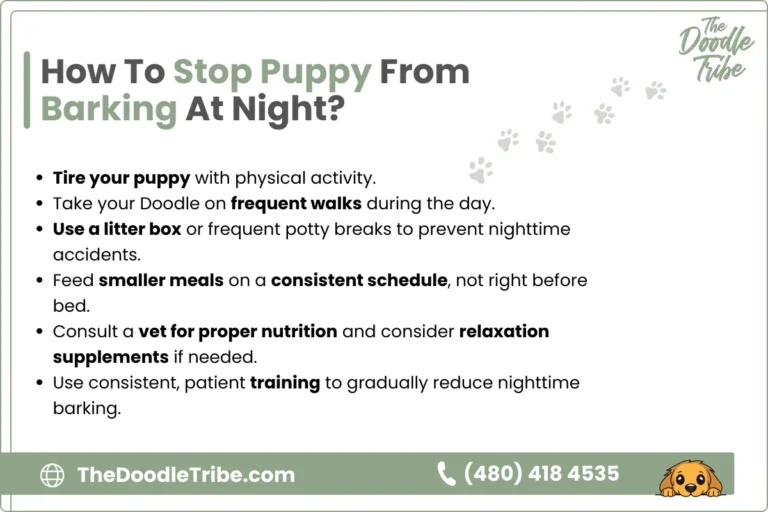
How to prevent voice loss from excessive barking

Prevention works best when you address the reason for the barking. Punishment may stop a sound for a moment, but it often increases fear and stress.

Try these steps:

  1. Identify the trigger. Note whether your dog barks at people, animals, cars, noises, boredom, or separation.

  2. Block common sights. Use window film, curtains, or a different resting area.

  3. Add daily exercise. Walks, sniffing games, and play can reduce boredom.

  4. Teach a quiet cue. Reward your dog when it pauses, then slowly increase the quiet time.

  5. Reward calm behavior. Give treats when your dog watches a trigger without barking.

  6. Use gradual training. Introduce triggers at a low level and increase them slowly.

  7. Treat separation distress. A veterinarian or qualified behavior professional can help with severe anxiety.

  8. Protect the throat. Choose a comfortable harness and avoid pressure on the neck.

If barking is sudden, intense, or linked to panic, seek help from a veterinarian or certified behavior professional. The goal is not simply to silence the dog. It is to make the dog feel safe and teach a better response.

Mistakes to avoid when dogs lose their voice from barking too much

A few common mistakes can delay recovery or hide a serious problem.

• Waiting too long when breathing sounds abnormal

• Assuming every hoarse bark is caused by overuse

• Using a tight collar during walks

• Giving human cough or pain medicine

• Encouraging loud play while the throat heals

• Shouting at a barking dog

• Using a bark collar without addressing fear or anxiety

• Ignoring repeated episodes of voice loss

In my experience with pet health education, the most useful habit is to watch the pattern, not just one symptom. Write down when the voice changed, how much your dog barked, and whether eating, drinking, energy, and breathing also changed. This simple record can help your veterinarian make a faster, clearer decision.

Frequently Asked Questions

Can dogs permanently lose their voice from barking too much?

Permanent voice loss from barking alone is uncommon. Long-term hoarseness is more likely to involve laryngeal disease, repeated injury, surgery, or another medical problem.

How long can a dog be hoarse after barking?

A mildly hoarse bark may improve in a few days with rest and good hydration. Contact your veterinarian if the change lasts longer, worsens, or comes with coughing or breathing trouble.

Can a dog still bark if its voice is gone?

Yes, a dog may still try to bark even when little sound comes out. The vocal folds may be swollen or unable to vibrate normally.

Is a hoarse bark an emergency?

A hoarse bark by itself is usually not an emergency. It becomes urgent when it occurs with hard breathing, blue or pale gums, choking, collapse, severe weakness, or trouble swallowing.

Should I stop my dog from barking completely?

Your dog does not need complete silence, but it should avoid long, forceful barking while the throat heals. Reduce triggers and use reward-based training to encourage calm behavior.

Can kennel cough cause a dog to lose its voice?

Kennel cough can irritate the throat and cause coughing, gagging, and a changed bark. A dog with these signs should be monitored closely and examined if symptoms are strong, persistent, or linked to breathing problems.

Conclusion

Dogs can lose their voice from barking too much because repeated vocal strain may inflame the larynx. Most mild cases improve with quiet time, fresh water, reduced throat pressure, and fewer barking triggers.

A changed bark can also signal infection, injury, allergies, or laryngeal disease. Watch your dog’s breathing, appetite, energy, and swallowing, and seek veterinary care for warning signs or voice changes that do not improve. Use calm, reward-based training to reduce future barking, and explore trusted veterinary and behavior resources for continued help.

Similar Posts

Leave a Reply

Your email address will not be published. Required fields are marked *