Do Bark Collars Work For Whining: The Honest Answer
Do bark collars work for whining? Learn how effective they are, their risks, and humane alternatives for reducing unwanted dog vocalization.
Usually, bark collars do not reliably stop whining and may increase fear or stress.
The answer to “do bark collars work for whining” depends on the collar, the sound, and the reason your dog whines. Most devices are made for sharp, loud barks, not soft or repeated whines. A safe plan starts by finding the cause and teaching your dog what to do instead.
Do bark collars work for whining?
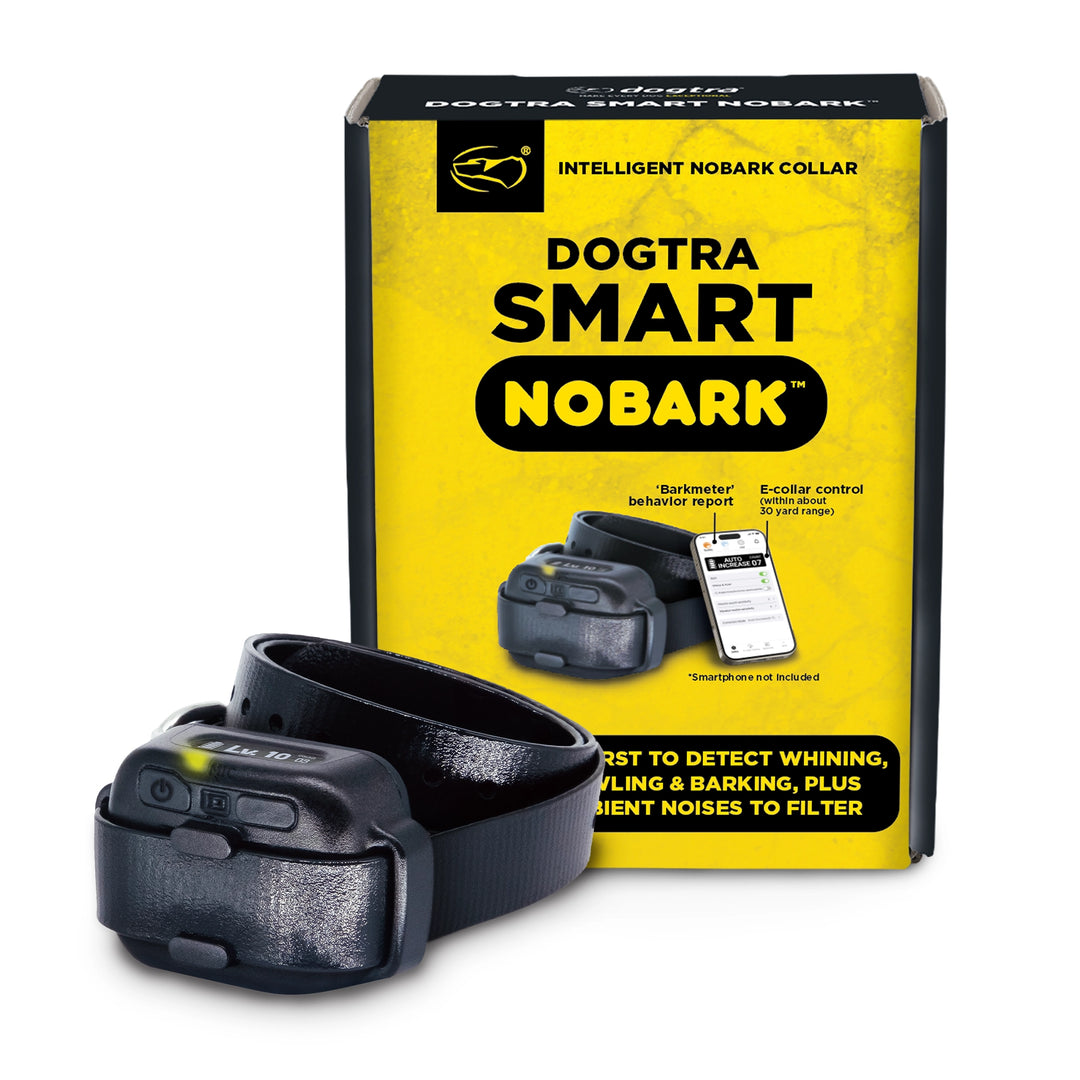
Bark collars can work for some vocal sounds, but they are not a reliable solution for whining. Most collars use a microphone or vibration sensor to detect barking. A whine may be too quiet, too high-pitched, or too close to normal breathing for the collar to detect it.
Some collars may react to whining if the sound reaches the right volume or pitch. Others may ignore it completely. This means the answer to do bark collars work for whining is often “not consistently.”
The collar may also respond at the wrong time. It could activate when your dog pants, shakes, plays, or barks at something else. A device that reacts by chance can confuse your dog rather than teach a useful behavior.
A collar does not explain why whining is happening. It only attempts to reduce the sound. If your dog whines because of fear, pain, loneliness, or a need to go outside, stopping the noise does not solve the real problem.

Why dogs whine
Whining is a form of communication. Dogs may whine to ask for help, express stress, seek attention, or show excitement. The same sound can have very different meanings in different situations.
Common causes include:
• Hunger, thirst, or the need to go outside
• Pain, illness, or age-related discomfort
• Separation anxiety or fear of being alone
• Frustration caused by a closed door, crate, leash, or barrier
• Excitement before a walk, meal, or car ride
• A desire for attention
• Confusion during training
• Hearing or vision loss in older dogs
Look at the full picture. Note when the whining begins, what happens just before it, and how you respond. This simple record can reveal a pattern within a few days.
For example, a dog may whine every time you pick up your keys. That pattern suggests anxiety about being left alone. Another dog may whine beside the food bowl because meals arrive late. These dogs need different solutions.
In cases I have reviewed, the biggest mistake is treating every whine as bad behavior. Once the cause is clear, training becomes much easier and kinder.
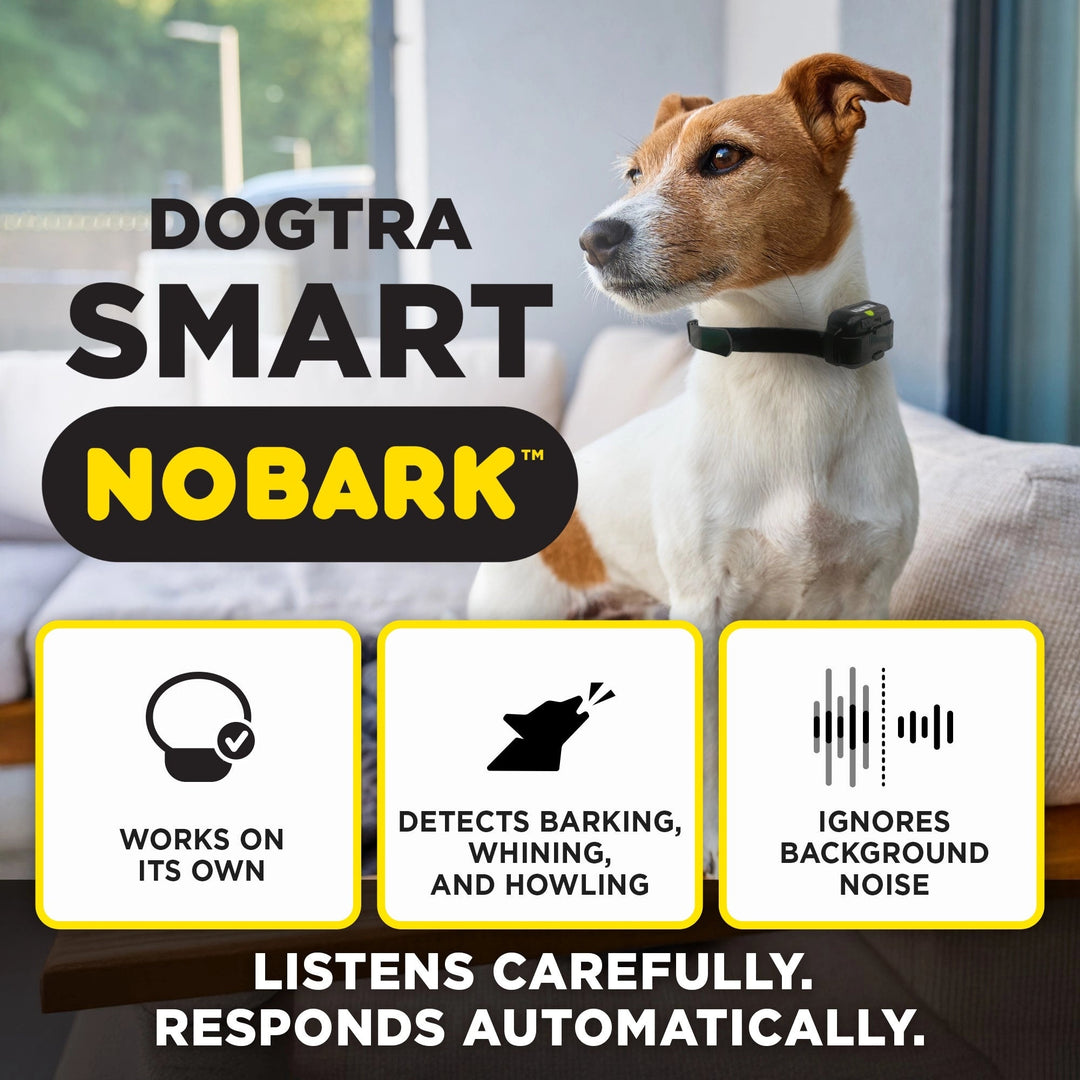
Do bark collars work for whining caused by anxiety?
No collar can cure anxiety. It may suppress a sound for a short time, but it does not make the dog feel safe. In some cases, an aversive collar can make anxiety worse because the dog experiences an unpleasant response while already afraid.
A dog with separation anxiety may whine, pace, scratch doors, drool, or try to escape. If a collar activates during this distress, the dog may connect being alone with another frightening event. That can increase panic and make future absences harder.
The answer to do bark collars work for whining from anxiety is especially important for owners of sensitive dogs. Training should focus on calm, gradual exposure to alone time. A veterinarian or qualified behavior professional can help create a plan.
Helpful steps may include:
• Practicing very short departures
• Returning before the dog becomes distressed
• Using a calm, predictable routine
• Offering a safe resting area
• Rewarding relaxed behavior
• Avoiding dramatic greetings and goodbyes
Severe anxiety may need veterinary care. A veterinarian can check for medical problems and discuss behavior treatment, including medication when appropriate.

Risks of using a bark collar for whining
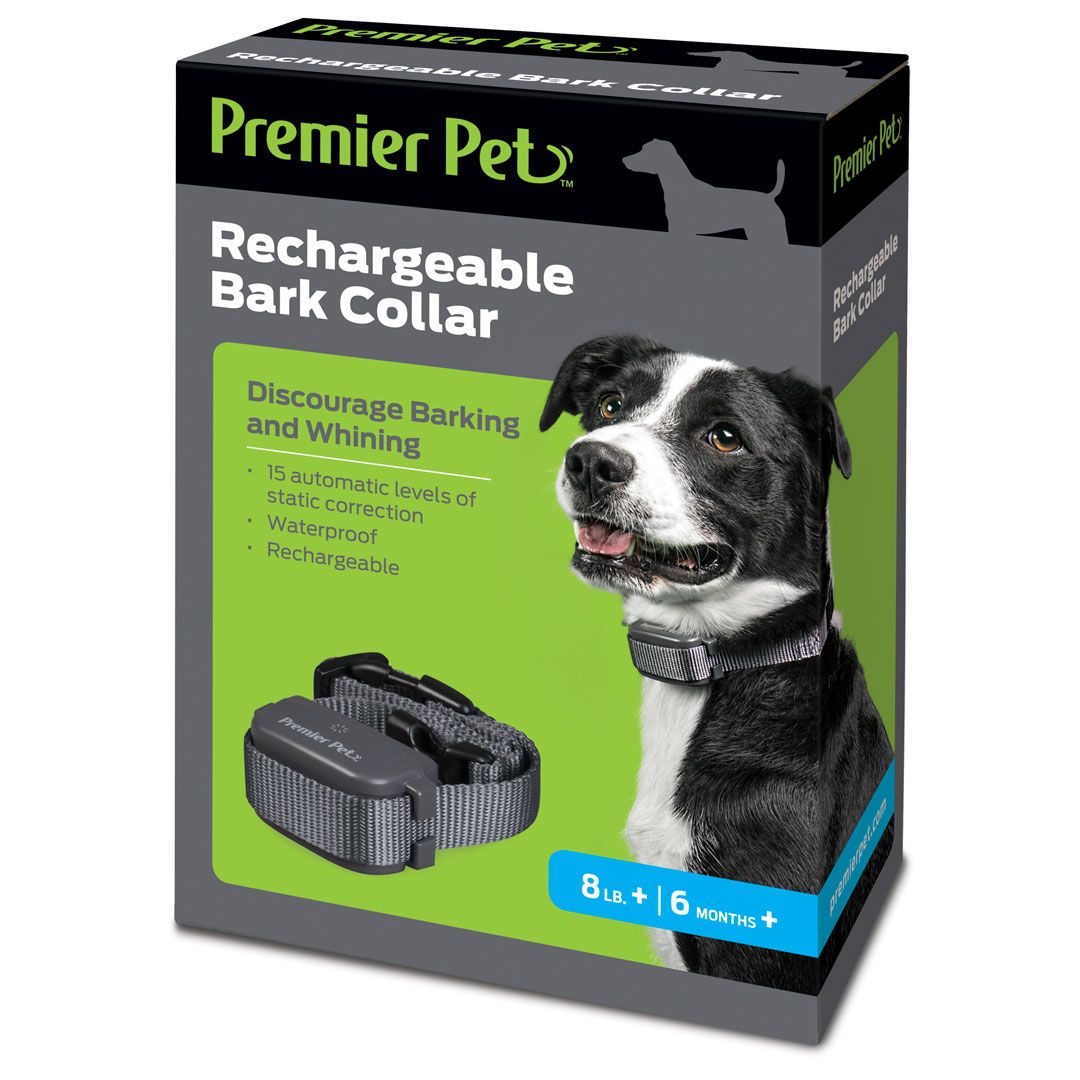
Bark collars vary widely. Some use a beep, some use vibration, and some use static stimulation. Even a beep or vibration may startle a nervous dog. A static collar can cause pain or fear, especially when the dog cannot understand why it happened.
Potential problems include:
• Increased fear or nervousness
• Confusion about the desired behavior
• More hidden vocalizing
• Aggression caused by stress
• Reduced trust between dog and owner
• A failure to treat pain or anxiety
• Accidental activation around other sounds
A collar can also punish a warning signal. A dog that feels uncomfortable may whine before it snaps or reacts. If the warning disappears but the discomfort remains, the dog may become less predictable.
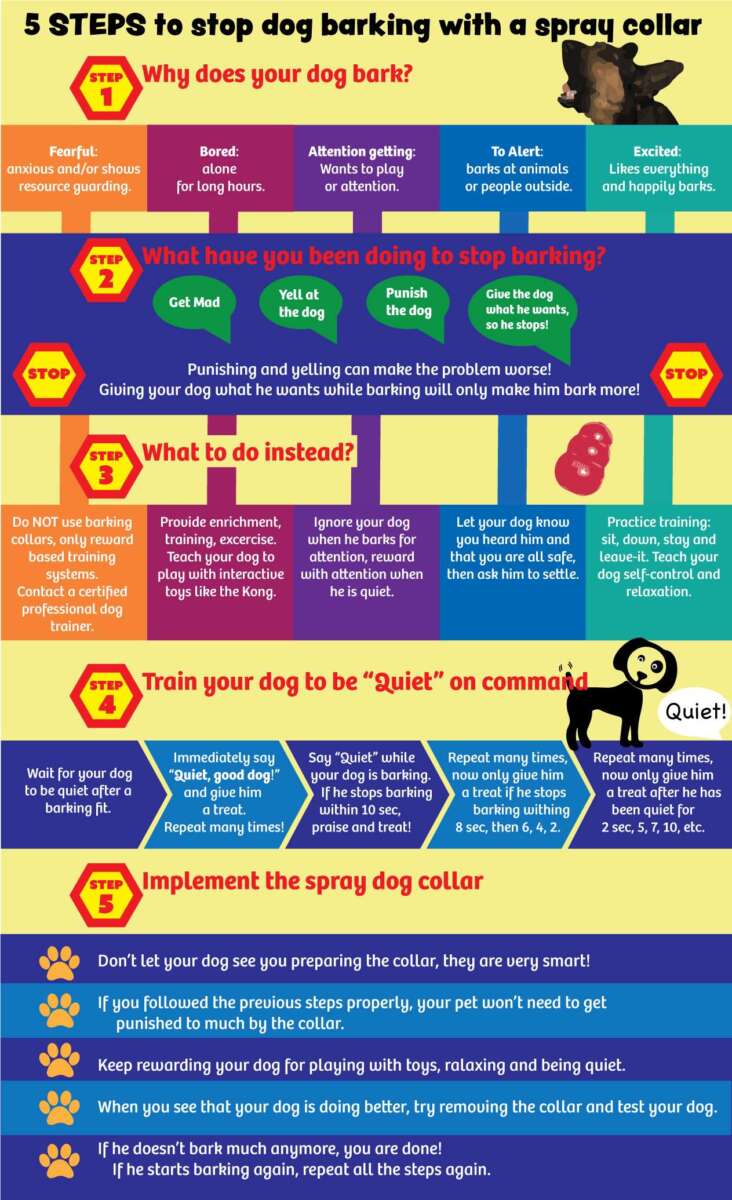
Veterinary behavior guidance generally favors reward-based training over punishment-based tools. Research on training methods has linked aversive techniques with more stress-related behavior and weaker trust. This does not mean every dog exposed to a collar will develop a serious problem, but the risk deserves careful thought.
If you see freezing, cowering, tucked ears, lip licking, escape attempts, or sudden aggression, stop using the collar. Speak with a veterinarian or certified behavior professional.
Better ways to stop whining
The most effective approach is to teach a replacement behavior. Instead of only telling your dog what not to do, show the dog what will work.
First, meet basic needs. Give your dog exercise, water, regular meals, bathroom breaks, sleep, and mental activity. A tired dog is not always a calm dog, but a dog with unmet needs may struggle to settle.
Next, reward quiet moments. Wait for one or two seconds of silence, then calmly offer a treat. Over time, slowly increase the quiet period. Avoid shouting, since many dogs see a loud human voice as attention or participation.
You can also teach a “settle” cue:
-
Place a mat in a quiet area.
-
Reward your dog for looking at the mat.
-
Reward stepping onto it.
-
Give treats for lying down.
-
Add a calm word such as “settle.”
-
Practice when your dog is already relaxed.
If your dog whines for attention, do not reward the sound with petting, food, or a quick response. Wait for a brief pause, then reward calm behavior. Be consistent, because occasional rewards can make whining stronger.
This is similar to a slot machine: unpredictable rewards can encourage repeated behavior. Everyone in the home should follow the same rule.

Do bark collars work for whining during training?
The answer to do bark collars work for whining during training is usually no. A collar may interrupt a sound, but interruption is not the same as learning. Dogs need clear feedback about which behavior earns a reward.
Suppose your dog whines while waiting for a meal. A collar may stop the whine for a moment, but your dog still does not know whether to sit, lie down, or move away. Reward-based training gives the dog a clear path.
Ask for a simple behavior before giving what your dog wants. For example:
• Ask for a sit before opening the door.
• Ask for eye contact before placing down the food bowl.
• Reward lying quietly while you prepare dinner.
• Give a toy during calm waiting.
Keep sessions short. Two or three minutes can be enough, especially for puppies or easily frustrated dogs. End while your dog is successful.
In my experience reviewing training plans, owners often expect silence too soon. Quiet behavior grows in small steps. Rewarding five calm seconds today can lead to one calm minute next week.
If you still consider a bark collar
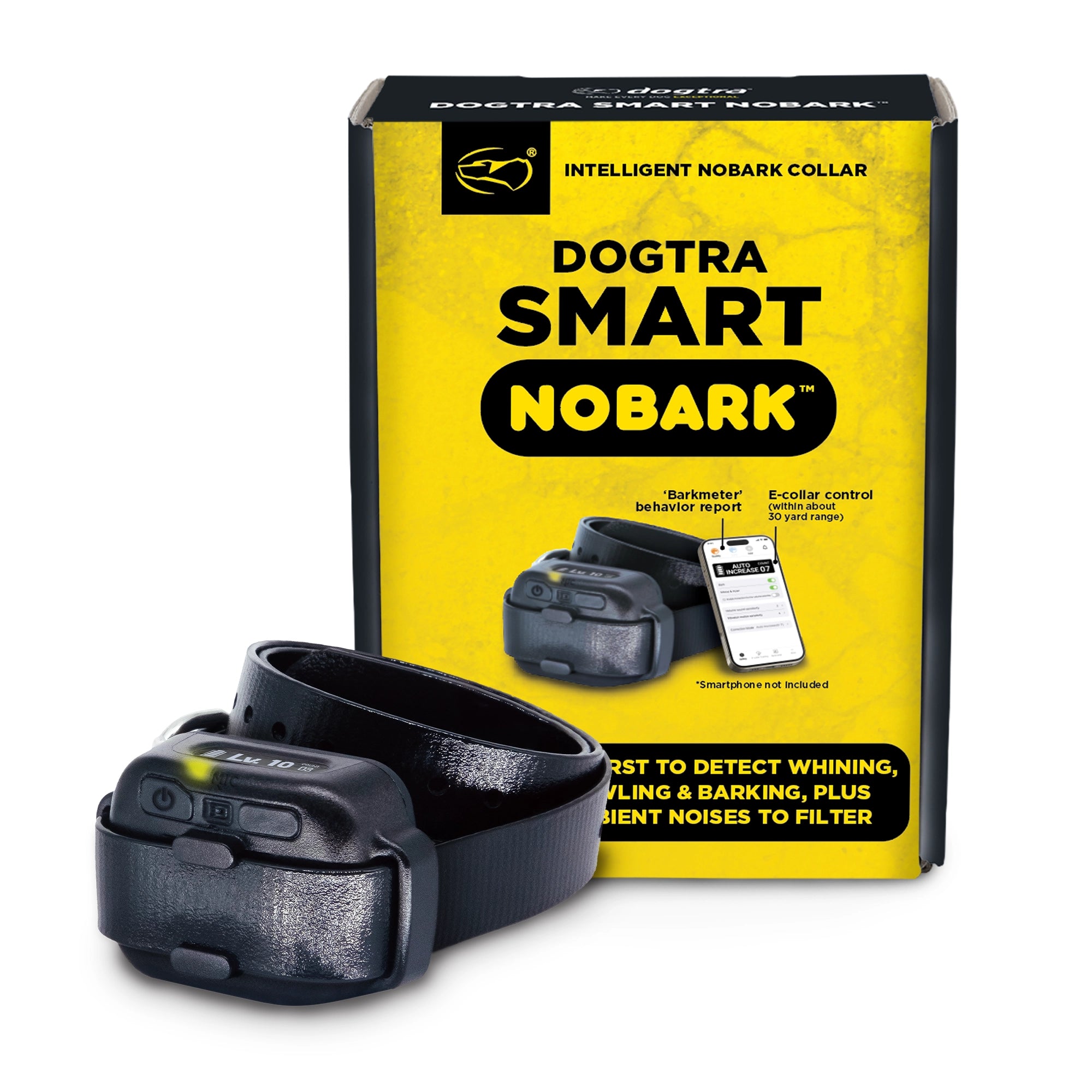
Some owners still ask do bark collars work for whining because they need a practical tool for neighbors, nighttime noise, or shared housing. If you are considering one, first rule out illness and anxiety. Do not use a collar as the first response to a new or sudden behavior.
Choose the least intrusive option, and never use a static setting without professional guidance. Avoid automatic collars for dogs with fear, aggression, separation anxiety, seizure disorders, or a history of harsh treatment.
Before use, check:
• Whether the device detects whining or only barking
• Whether it can activate from another dog’s voice
• Whether it has a reliable safety shutoff
• Whether the fit allows two fingers between the collar and neck
• Whether the instructions explain safe wearing time
• Whether local rules or housing policies restrict its use
Never leave a bark collar on for long periods or use it in a crate without professional advice. Inspect the skin often. Remove the collar if you notice redness, swelling, hair loss, or soreness.
A humane training plan should still be in place. The collar should never replace exercise, veterinary care, environmental changes, or behavior work.

When to call a veterinarian or behavior expert
Whining deserves a medical check when it starts suddenly, becomes intense, or appears with other symptoms. Pain can come from dental disease, arthritis, stomach problems, urinary issues, or many other conditions that are not visible at first.
Contact a veterinarian if your dog also shows:
• Loss of appetite
• Vomiting or diarrhea
• Limping or stiffness
• Trouble sleeping
• Heavy panting at rest
• Increased thirst or urination
• Confusion or unusual restlessness
• A major change in personality
For behavior problems, seek a qualified professional who uses reward-based methods. Look for credentials, clear explanations, and a willingness to work with your veterinarian.
A professional can identify the trigger, measure progress, and adjust the plan. This is especially useful when whining involves fear, separation anxiety, guarding, or aggression.
Frequently Asked Questions About Do Bark Collars Work for Whining
Can a bark collar detect a dog’s whine?
Some collars may detect a loud or high-pitched whine, but many are designed mainly for barking. Detection varies by brand, microphone sensitivity, sound pitch, and surrounding noise.
Will a vibration collar stop whining?
A vibration collar may interrupt whining for a moment, but it does not address the reason behind the behavior. It can also frighten sensitive dogs, so reward-based training is usually a safer first choice.
Are bark collars safe for puppies that whine?
Bark collars are not a good first choice for puppies. Young dogs need help with toilet training, sleep, fear, frustration, and communication rather than punishment for normal vocal behavior.
Should I use a bark collar for separation anxiety?
No. A bark collar does not treat separation anxiety and may increase distress when the dog is alone. Use gradual departure training with guidance from a veterinarian or qualified behavior professional.
Why does my dog still whine while wearing a bark collar?
The collar may not detect soft whining, or the device may not be fitted or adjusted correctly. Your dog may also be communicating pain, fear, frustration, or another need that the collar cannot solve.
What should I use instead of a bark collar?
Start with a veterinary check, regular exercise, trigger management, and reward-based training. Teach a calm replacement behavior, such as settling on a mat, and reward quiet pauses.
Can ignoring whining make it worse?
Ignoring whining can make it worse for a short time if your dog has learned that persistence works. Stay consistent, meet genuine needs, and reward quiet behavior so your dog learns a better way to communicate.
Conclusion
So, do bark collars work for whining? They may interrupt some loud vocal sounds, but they rarely solve the cause and may create fear or confusion. The best answer is to understand the trigger, check for health concerns, and teach a calm replacement behavior with rewards.
Start by tracking when the whining happens. Then use short training sessions, predictable routines, and professional help when anxiety or pain may be involved. Make an informed choice for your dog, and explore trusted veterinary behavior resources or share your experience with other dog owners.