Why Does My Dog Bark When I Hug My Husband: What It Means
Why does my dog bark when I hug my husband? Learn the common reasons behind this behavior and practical ways to help your dog feel secure.
Your dog may bark when you hug your husband because the embrace triggers fear, excitement, jealousy, or a need to guard you.
If you are wondering, “why does my dog bark when I hug my husband,” the answer usually depends on your dog’s body language, history, and the exact moment the barking starts. A bark can mean “back off,” but it can also mean “notice me,” “I am excited,” or “I do not understand this strange human behavior.” This guide explains the most likely causes and shows you how to respond safely and calmly.

Why does my dog bark when I hug my husband?
Dogs do not understand hugs in the same way people do. A hug involves direct contact, blocked movement, and arms wrapped around the body. Some dogs read this as affection, while others see it as tension or a possible threat.
When your dog barks as you hug your husband, your dog may be reacting to one or more of these causes:
• Fear or discomfort with close body contact
• Excitement caused by sudden movement or loud voices
• Attention seeking
• Protective behavior toward you or your husband
• Resource guarding
• Jealousy-like behavior
• Past negative experiences
• Confusion about the social interaction
• Learned behavior that has been rewarded by attention
The most useful clue is not the bark alone. Watch the whole dog. A loose body, wagging tail, and playful bounce suggest excitement. A stiff body, hard stare, tucked tail, raised hackles, growling, or lip lifting suggests fear, stress, or aggression.
This is why the question “why does my dog bark when I hug my husband” cannot have one answer for every dog. The same bark may mean joy in one dog and distress in another.

Common reasons your dog barks during a hug
Your dog feels protective
Some dogs become watchful when a family member moves close to another person. Your dog may view you as a valued member of the social group and try to control access to you.
Protective behavior can look like barking, stepping between you, nudging your husband, staring, or placing a paw on you. The dog may not be trying to be “bad.” The behavior may come from worry and an attempt to make the situation stop.
However, do not assume that barking always means true protection. Many dogs bark because they want attention or feel unsure. A professional should assess serious cases, especially when snapping or biting is present.
Your dog wants attention
Dogs quickly learn which actions make people respond. If your dog barks during a hug and you immediately pet the dog, speak loudly, or push the dog away, your dog may learn that barking works.
Even negative attention can reinforce barking. To a dog, eye contact, touching, and talking may all feel rewarding. This can create a cycle:
- You hug your husband.
- Your dog barks.
- You react.
- Your dog receives attention.
- Your dog barks again during the next hug.
In this case, why does my dog bark when I hug my husband may have a simple answer: barking has become an effective way to join the interaction.
Your dog feels jealous or left out
Dogs can show behavior that looks like jealousy when attention shifts from them to someone else. Research suggests that dogs may react when their owner gives attention to another dog or object, but human “jealousy” is still a complex subject.
Your dog may not think, “I dislike your husband.” The dog may simply notice that your attention, voice, and touch have moved away. Barking may be an attempt to regain access to you.
This often happens in homes where the dog receives attention whenever the couple hugs, kisses, or sits close together. The dog begins to treat these moments as an invitation to interrupt.
Your dog dislikes hugs
Many dogs do not enjoy hugs, even when they love the person giving the hug. A hug can limit escape and place a person’s face close to the dog’s face. In canine communication, direct face-to-face contact may feel intense.
Signs your dog dislikes hugs include:
• Turning the head away
• Licking the lips
• Yawning when not tired
• Showing the whites of the eyes
• Pinning the ears back
• Freezing
• Lowering the body
• Moving away
• Growling or barking
If your dog shows these signs, respect the message. Do not force the dog to stay nearby while people hug.
Your dog is excited by movement
Fast movement, laughter, kissing sounds, and raised voices can increase arousal. Some dogs bark because the hug looks like play or because they cannot control their excitement.
A dog with a loose body may jump, wag, run in circles, or bring a toy. This is different from a dog that stands stiffly and watches with a fixed stare.
High excitement can still become unsafe. A dog may nip or knock someone over without intending harm. Calm training is useful even when the barking seems happy.

How to read your dog’s body language
Body language gives you more information than volume. Start by observing what happens before, during, and after the hug.
A relaxed dog may show:
• Soft eyes
• A loose mouth
• Natural ear position
• A gently wagging tail
• Curved body movement
• Easy movement away from the couple
A worried or defensive dog may show:
• A stiff posture
• Closed mouth
• Fixed staring
• Ears pressed back or sharply forward
• Tail tucked or held high and rigid
• Raised fur along the back
• Growling
• Snapping
• Repeated lip licking
• Blocking or rushing toward your husband
Tail wagging does not always mean happiness. A stiff, fast wag can signal high arousal or tension. Look at the whole body and the setting.
Also note whether the barking happens only with your husband. If your dog barks when you hug any person, the issue may involve hugs or close contact. If the dog reacts only to your husband, fear, a past event, or a relationship-specific trigger may be involved.

How to stop your dog from barking when you hug your husband
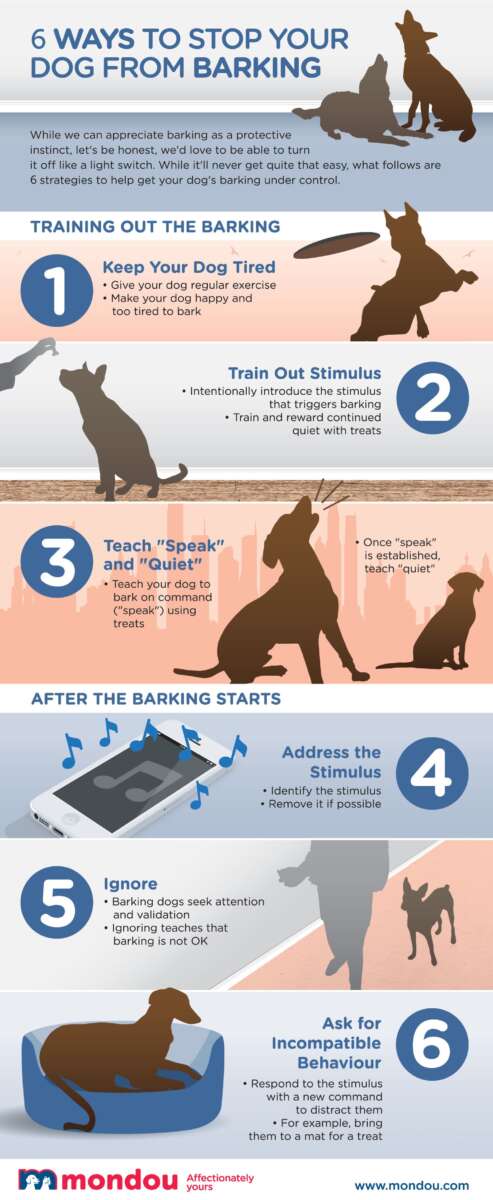
The safest approach is gradual training. Do not punish the barking, yell, or force your dog to remain close. Punishment can increase fear and may suppress warning signals without changing the emotion underneath.
Create distance first
Begin at a distance where your dog notices you and your husband but does not bark. This may mean standing several feet away or using a baby gate.
Ask your husband to stand calmly. You can then give your dog a small, high-value treat for relaxed behavior. If your dog barks, increase the distance and wait for calm.
The goal is to keep your dog below the point of panic or intense excitement. Training works best when the dog can still think and eat.
Introduce tiny steps
Do not begin with a long, tight hug. Use small changes:
- Your husband stands near you.
- Your husband turns toward you.
- Your husband touches your shoulder.
- Your husband gives you a brief side hug.
- You both hold the position for one second.
- You slowly increase the time.
Give a treat after each calm response. If barking starts, the step was too difficult. Return to an easier version.
This process is called desensitization and counterconditioning. It changes the dog’s emotional response by pairing the trigger with something positive at a level the dog can manage.
Teach an alternative behavior
Give your dog a clear job during hugs. “Go to your mat,” “sit,” or “find it” can replace barking.
Practice the cue when nothing stressful is happening. Reward your dog for going to the mat and staying there. Later, use the cue before a short hug.
A food puzzle or chew may also help, but use it only if your dog can enjoy it calmly. Do not give a valuable item if it could trigger guarding.
Reward quiet behavior
Reward calm behavior before barking begins. You can quietly place a treat on the floor when your dog watches the hug without reacting.
Keep your voice soft. Avoid excited praise if excitement is the problem. Timing matters: reward the calm moment, not the bark.
If your dog barks, pause the hug and create space. Wait for calm before trying again. This teaches that calm behavior keeps the interaction predictable.
Manage the environment
Training takes time, so prevent repeated barking during normal life. Use a gate, leash, crate, or another room when needed.
Management is not a failure. It prevents your dog from practicing the behavior while you work on the cause. Never leave a dog loose during close contact if there is a real risk of biting.

Mistakes to avoid
Many well-meaning owners accidentally make barking stronger. Avoid these common errors:
• Shouting “stop” repeatedly
• Holding your dog tightly during the hug
• Pushing the dog away with your hands
• Laughing when the dog is clearly distressed
• Allowing children to copy the behavior
• Punishing growling
• Moving closer to prove the dog is harmless
• Forcing the dog to accept hugs
• Giving attention only after barking
• Ignoring a sudden change in behavior
A growl is useful information. It tells you that your dog needs more space. Punishing the growl may remove the warning while leaving the fear in place.
I often recommend treating the first bark as a signal to slow down, not as a challenge to win. One practical lesson from behavior work is that calm prevention is far easier than stopping a dog after it reaches full arousal.

When to contact a veterinarian or behavior professional
Contact your veterinarian if the behavior began suddenly, especially if your dog is older or seems painful. Pain, hearing loss, vision changes, neurological problems, and other medical issues can affect behavior.
Ask for help from a qualified reward-based trainer or a veterinary behaviorist if your dog:
• Snaps or bites
• Charges at your husband
• Guards you from other people
• Cannot calm down after the hug ends
• Shows intense fear
• Has injured someone
• Reacts to many types of touch
• Has a history of abuse or trauma
A veterinary behaviorist can assess medical and emotional factors. In some cases, medication may support behavior change, but it should be part of a complete plan.
Look for professionals who use reward-based methods. Major veterinary and animal behavior groups advise against harsh punishment because it can increase fear, anxiety, and aggression.

A simple training plan for the next two weeks
Use short sessions of three to five minutes. End while your dog is still successful.
Days one through three
Have your husband stand near you without touching you. Reward your dog for a loose body and quiet behavior. Stop before barking starts.
Days four through six
Add a small movement, such as your husband reaching toward your shoulder. Reward calm behavior. Keep your dog at a comfortable distance.
Days seven through ten
Try a one-second side hug. Then separate and reward your dog. Repeat only a few times.
Days eleven through fourteen
Increase the hug by one or two seconds if your dog remains relaxed. Add the “go to mat” cue if your dog has learned it well.
Progress is not always steady. A busy day, visitor, loud noise, or poor sleep can make your dog less able to cope. If that happens, make the exercise easier rather than giving up.

Frequently asked questions
Why does my dog bark when I hug my husband but not when I hug someone else?
Your dog may associate your husband with a specific fear, movement, scent, voice, or past event. The reaction may also come from a stronger attachment to you or a learned habit linked only to him.
Is my dog jealous when I hug my husband?
Your dog may act in a jealousy-like way by interrupting, barking, or pushing between you. Still, the behavior may reflect attention seeking, anxiety, guarding, or excitement rather than human-style jealousy.
Should I ignore my dog when it barks during a hug?
Do not simply ignore the behavior if your dog looks afraid or aggressive. Pause, create space, and reward calm behavior; then use gradual training instead of forcing the dog to tolerate the hug.
Can I punish my dog for barking when I hug my husband?
Punishment is not recommended because it can increase stress and may make the dog associate your husband or hugs with something unpleasant. Reward-based training is safer and more effective for changing the emotional response.
Why does my dog bark when I hug my husband and growl at him?
Barking combined with growling, stiffness, staring, or snapping may indicate fear, guarding, or a serious conflict. Avoid close contact training on your own and contact a veterinarian or qualified behavior professional.
Will my dog eventually stop barking when we hug?
Many dogs improve with careful management and gradual training, but the timeline varies. The goal is not only quiet behavior; it is helping your dog feel safe and remain calm during the interaction.
[CodeImg?] User says no placeholder after FAQ. Don't.
Conclusion
When you ask, “why does my dog bark when I hug my husband,” remember that barking is communication. Your dog may feel worried, excited, left out, protective, or uncomfortable with hugs. Body language helps you identify the emotion behind the sound.
Give your dog space, avoid punishment, and build tolerance through tiny steps. Reward calm behavior and seek professional help if you see growling, snapping, biting, or sudden behavior changes.
With patience, many dogs learn that a hug is not a threat and that calm behavior brings good things. Start with one easy training step today, and consider sharing your experience or exploring more reward-based dog behavior resources.

Pet Care Writer & Researcher
Daniel writes practical guides on daily care, feeding, and safety, turning complex topics into simple, actionable advice.