Do Emotional Support Dogs Bark: What Owners Should Know
Do emotional support dogs bark? Learn why they bark, how to reduce excessive noise, and tips for peaceful living with your support dog.
Yes, emotional support dogs can bark, because barking is normal canine communication.
Many people ask, “Do emotional support dogs bark?” because they need a calm companion at home, work, or in shared housing. The answer depends on the dog’s breed, training, health, stress level, and daily routine—not on its emotional support status. This guide explains why barking happens, when it becomes a concern, and how to reduce it with kind, practical training.
Do emotional support dogs bark?
Yes, emotional support dogs bark. Emotional support animals are still dogs, and barking is one of the main ways dogs communicate. They may bark to alert you, greet someone, ask for attention, show fear, or release built-up energy.
An emotional support dog does not receive special training that removes normal dog behavior. Its main role is to provide comfort and emotional support through companionship. This differs from a service dog, which receives task-based training to help with a person’s disability.
Some emotional support dogs bark very little. Others may bark often. A quiet dog may be naturally calm, well socialized, and well exercised. A noisy dog may feel anxious, bored, excited, or unsure of what to do.

Why do emotional support dogs bark?
To understand why do emotional support dogs bark, watch what happens before, during, and after each bark. The setting often reveals the cause.
Alert barking
Dogs may bark when they hear a knock, see a person near the home, or notice an unfamiliar sound. This bark often has a sharp, quick tone. Your dog may stand tall, raise its ears, or look toward the source.
Alert barking is normal. Still, it can become a problem if the dog reacts to every car, bird, or footstep.
Fear or anxiety
An anxious dog may bark at strangers, loud sounds, new places, or changes in routine. The bark may sound high-pitched or urgent. Other signs can include:
• Hiding or trying to escape
• Pacing or trembling
• Panting when the weather is cool
• Lip licking or yawning
• Destructive chewing
• Clinging to the owner
Some emotional support dogs have anxiety themselves. They may support their owners, but they still need care, training, and emotional safety.
Separation distress
A dog may bark when left alone because it feels distressed. This is not the same as simple boredom. A dog with separation anxiety may bark, howl, scratch doors, soil the home, or try to escape.
If the barking begins soon after you leave and continues for a long time, separation distress may be involved. A camera can help you see what happens when you are away.
Excitement and greeting
Dogs often bark when they see a favorite person, another dog, or a leash. Their body may look loose and wiggly. This type of barking often comes with jumping, spinning, or running around.
Excitement barking can be reduced by teaching the dog that calm behavior earns attention. Shouting may increase the excitement instead of stopping it.
Attention seeking
Some dogs learn that barking makes people look at them, speak to them, open a door, or provide food. Even saying “Quiet!” can reward the behavior because the dog receives attention.
This does not mean the dog is bad or manipulative. It means the behavior has worked before. Training should teach a better way to ask for what the dog needs.
Pain or illness
A sudden change in barking may signal pain or illness. Older dogs may also bark more because of hearing loss, confusion, vision changes, or cognitive decline.
Contact a veterinarian if barking starts suddenly, becomes intense, or appears with changes in eating, sleep, movement, bathroom habits, or mood.
Boredom and excess energy
Dogs need mental and physical activity. Without enough stimulation, they may bark at windows, pace, chew items, or demand attention.
A short walk may not meet every dog’s needs. Sniffing games, food puzzles, training sessions, and safe play can help reduce boredom barking.

Does an emotional support dog need to be quiet?
An emotional support dog does not need to be completely silent. Occasional barking is normal and reasonable. The key issue is whether the barking is excessive, difficult to control, or disruptive to other people.
A dog that barks once when someone knocks is behaving differently from a dog that barks for hours at every sound. Noise level, timing, frequency, and the owner’s response all matter.
In shared housing, a barking dog may create stress for neighbors. Landlords and housing providers may address repeated noise complaints under local rules or lease terms. An emotional support designation does not give a dog permission to disturb others without limits.
A well-managed dog should be able to settle for periods of time. It should also respond to basic cues, such as “come,” “place,” or “leave it.” These skills help owners manage barking without fear or harsh punishment.

Emotional support dogs versus service dogs
The words emotional support dog and service dog are often confused, but they describe different roles.
An emotional support dog provides comfort through its presence. It does not need to perform a specific task for a person with a disability. In the United States, emotional support animals are generally protected in housing under certain conditions, but they are not service animals under the Americans with Disabilities Act.
A service dog is trained to perform work or tasks related to a person’s disability. Examples include guiding a person with vision loss, detecting certain medical changes, or interrupting a psychiatric episode.
This difference matters because public access rules are not the same. Emotional support dogs usually do not have the same access rights as trained service dogs in restaurants, stores, offices, or other public places.
Air travel rules also changed. Emotional support animals are generally treated as pets by airlines, and each airline sets its own pet policy. Always check current rules before traveling.
An emotional support dog can be loving, stable, and well trained. However, an emotional support designation does not guarantee quiet behavior, public access, or advanced obedience.
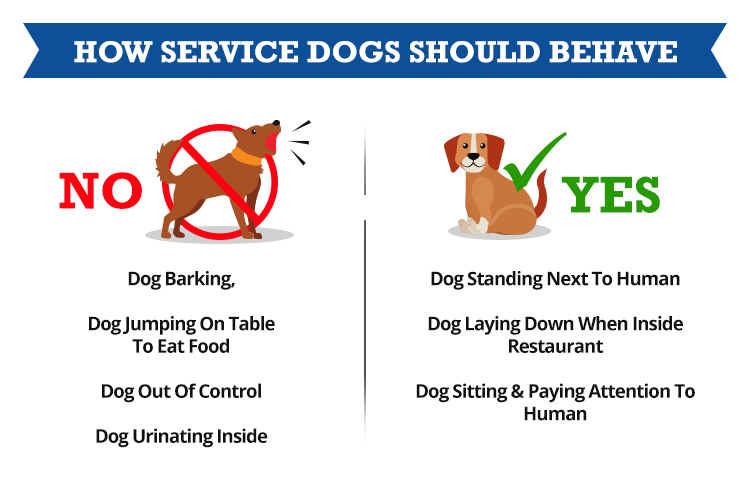
How to stop excessive barking in an emotional support dog
The best way to reduce barking is to find the cause first. Training works better when you treat the reason, not only the sound.
1. Keep a barking journal
Write down:
• The time barking starts
• What your dog sees or hears
• How long it lasts
• Your dog’s body language
• What stops the barking
• What happens after you respond
This simple record may show a clear pattern. For example, your dog may bark only when delivery workers arrive or when it has been alone for several hours.
2. Meet basic needs
Make sure your dog receives enough:
• Exercise suited to its age and health
• Sniffing and exploration
• Social contact
• Sleep and quiet time
• Fresh water and regular meals
• Veterinary care
A tired dog is not always a calm dog. Overstimulation can also cause barking, especially in young or sensitive dogs. Balance activity with rest.
3. Reduce visual triggers
If your dog barks at people outside, close the curtains or use a privacy film on lower windows. Move furniture away from the window if your dog uses it as a lookout post.
You can also create a quiet resting area away from doors and windows. A fan or soft background sound may reduce reactions to outdoor noise.
4. Teach a calm replacement behavior
Teach your dog what to do instead of barking. A “go to bed” or “place” cue can help.
A simple method is:
- Say “place” and guide your dog to a mat.
- Reward the dog for standing or sitting there.
- Add a few seconds of calm time.
- Practice with mild distractions.
- Slowly increase the challenge.
Keep sessions short. Several two-minute sessions often work better than one long lesson.
5. Reward quiet moments
When your dog pauses after barking, calmly give praise or a small treat. Do this before the dog becomes upset again. Over time, the dog learns that quiet behavior has value.
Avoid waiting for perfect silence at first. A one-second pause is a useful starting point.
6. Avoid yelling
Yelling can sound like barking to your dog. It may increase fear, excitement, or confusion. Punishment can also damage trust, which is especially important for a dog that provides emotional comfort.
Do not use shock collars or other painful tools without guidance from a qualified veterinary behavior professional. Reward-based methods are safer and support a stronger human-dog bond.
7. Manage greetings
Ask visitors to ignore your dog until it has four paws on the floor. Reward calm sitting or standing. If your dog becomes too excited, give it space in another room with a food puzzle.
For door barking, practice with a family member. Start with a soft knock and reward calm behavior. Increase the sound slowly.
8. Get professional help
A certified positive-reinforcement trainer can help with common barking problems. A veterinarian or veterinary behaviorist is important when fear, aggression, pain, or separation anxiety may be involved.
Professional help is not a failure. It is like seeing a specialist when a small problem keeps returning.

How to choose a quiet emotional support dog
No dog can be guaranteed to stay silent. Still, you can improve your chances of a good match.
Consider these factors:
• Temperament: Look for a dog that recovers quickly from normal sounds and changes.
• Age: Adult dogs often show their personality more clearly than puppies.
• Energy level: Choose a dog whose needs fit your daily routine.
• Breed traits: Some breeds are more vocal, but individual personality matters most.
• Social history: Early, gentle exposure to people and places can support confidence.
• Health: Pain and illness can increase barking.
• Training history: Basic manners make daily life easier.
Meet the dog more than once when possible. Watch how it responds to new people, household sounds, handling, and short periods of separation.
Do not choose a dog only because it looks calm in a shelter or advertisement. Stress can hide or change behavior. Ask honest questions about barking, fear, guarding, and time spent alone.
A responsible match protects both the person and the dog. The dog should not be expected to fix every emotional challenge, and the owner should be ready to meet the dog’s needs.

When barking becomes a housing problem
Barking may become a housing issue when it is repeated, prolonged, or disruptive. Local noise rules often focus on unreasonable disturbance rather than a single normal bark.
If you rent, review your lease and speak with the housing provider early. Keep records of training, veterinary visits, and steps taken to reduce the noise. Clear communication may prevent a small complaint from becoming a larger dispute.
Housing accommodations for emotional support animals can have legal requirements. A person may need reliable documentation of a disability-related need, depending on the situation. Rules vary, and an emotional support letter does not cancel reasonable behavior standards.
A landlord may still address property damage, threats, unsafe behavior, or serious noise problems. Emotional support status is not a blanket exemption from local laws or lease duties.
If a dispute develops, seek advice from a qualified housing or disability rights professional. Online forms and informal letters may not explain the full legal situation.

Practical mistakes to avoid
Many owners make barking worse without meaning to. These common mistakes are easy to fix.
• Giving attention every time the dog barks: This can teach the dog that barking works.
• Punishing fear: A scared dog may become more fearful or defensive.
• Waiting too long to seek help: Long-standing habits usually take more time to change.
• Using too much exercise as the only fix: A dog may need calm training and mental work too.
• Expecting instant results: Behavior change happens through repeated practice.
• Ignoring medical causes: Sudden barking deserves a health check.
• Taking an emotional support dog into places where it has no access rights: This can create stress for everyone.
One useful lesson is to reward calm behavior before a problem starts. If your dog lies quietly while you work, offer a gentle reward. Calm moments are training moments too.

Frequently Asked Questions About Do Emotional Support Dogs Bark
Do emotional support dogs bark more than other dogs?
Not necessarily. Emotional support dogs bark for the same basic reasons as other dogs, such as fear, excitement, alertness, boredom, or pain. Their barking level depends on temperament, training, health, and environment.
Can an emotional support dog be trained not to bark?
You can reduce unnecessary barking, but you should not expect total silence. Reward-based training can teach a dog when to settle, move away from a trigger, or use another behavior.
Is barking allowed for an emotional support dog in an apartment?
Occasional barking is usually normal, but repeated or prolonged noise may violate local rules or lease terms. Emotional support status does not remove a tenant’s duty to manage disruptive behavior.
Do emotional support dogs bark when left alone?
Some do, especially if they have separation anxiety or feel bored. A veterinarian, trainer, or veterinary behaviorist can help identify the cause and create a gradual alone-time plan.
Are emotional support dogs allowed everywhere?
No. Emotional support dogs generally do not have the same public access rights as service dogs under federal law. Businesses, workplaces, airlines, and other locations may set their own rules.
Should I use a bark collar on an emotional support dog?
Start with veterinary care, management, and reward-based training instead. Bark collars may increase fear or stress, especially when barking is caused by anxiety, and they do not solve the underlying problem.

Conclusion
Do emotional support dogs bark? Yes, because barking is normal dog communication. The important question is why the dog is barking and whether the owner can manage it safely and kindly.
Look for triggers, meet your dog’s physical and emotional needs, reward calm behavior, and seek professional help when barking is sudden, intense, or linked to fear. With patience and the right plan, many emotional support dogs can live peacefully in homes and shared communities.
Start by tracking your dog’s barking for one week, then discuss the pattern with a veterinarian or qualified trainer. Explore trusted training resources, share your experience, and take the next step toward a calmer life for both you and your dog.

Pet Care Writer & Researcher
Daniel writes practical guides on daily care, feeding, and safety, turning complex topics into simple, actionable advice.