Do Dogs Like Big Or Small Beds: Best Bed Size Guide
Do dogs like big or small beds? Learn how to choose the ideal dog bed size for comfort, sleep quality, and your pet’s personal preferences.
Most dogs prefer a bed that fits their body, supports their joints, and lets them rest comfortably.
So, do dogs like big or small beds? The answer depends on your dog’s sleep style, age, breed, health, and sense of security. After watching dogs choose beds at home and in care settings, I have found that the best bed is not always the biggest one. It is the bed that gives your dog enough room to relax without making them feel exposed or unsupported.
Do Dogs Like Big or Small Beds?
Most dogs like a bed that matches their body size. They should have enough space to stretch out, turn around, and change positions. However, extra space is not always better.
A very large bed may feel open and less cozy. Small dogs may prefer a snug bed that feels like a safe nest. Some large dogs also curl up tightly and enjoy a bed with raised sides. Other dogs sleep flat and need a wide, open mattress.
When asking, “do dogs like big or small beds,” think about comfort rather than size alone. The right bed should support your dog’s body while matching the way they sleep.
A good dog bed should allow your dog to:
- Lie down without hanging over the edge
- Turn around without hitting the sides
- Stretch their legs when they want to
- Curl up when they want warmth and security
- Get up and down without slipping
- Rest without pressure on sore joints
A useful rule is to measure your dog from the nose to the base of the tail. Add about 6 to 12 inches to that length. This gives your dog room to move without choosing a bed that is too large.

Why Some Dogs Prefer Small Beds
Small beds can make dogs feel secure. The raised edges can act like a soft barrier. This may help a dog relax, much like a blanket or quiet corner helps a person feel calm.
Small dogs often lose body heat faster than large dogs. A compact bed can help hold warmth around the body. This is useful for Chihuahuas, toy poodles, small terriers, and other dogs with little body fat.
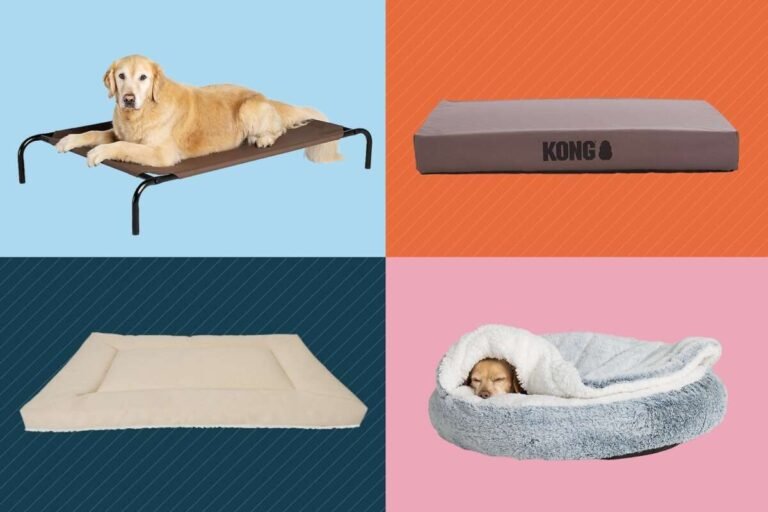
Many dogs also enjoy beds with a nest-like design. These beds often have:
- Raised edges
- Soft filling
- A round or oval shape
- A deep center
- Warm, washable fabric
A small bed may also help a nervous dog. The close sides can reduce open space and outside movement. This does not replace training or veterinary care for anxiety, but it can create a calmer rest area.
Still, a bed can be too small. If your dog’s legs hang off the edge, their back looks curved, or they keep changing spots, the bed may limit comfort. Dogs should not have to squeeze themselves into a bed just because it looks cute.
Why Some Dogs Prefer Big Beds
Large beds suit dogs that sleep in many positions. A dog that sprawls, rolls, or stretches across the floor needs more room than a dog that curls into a ball.
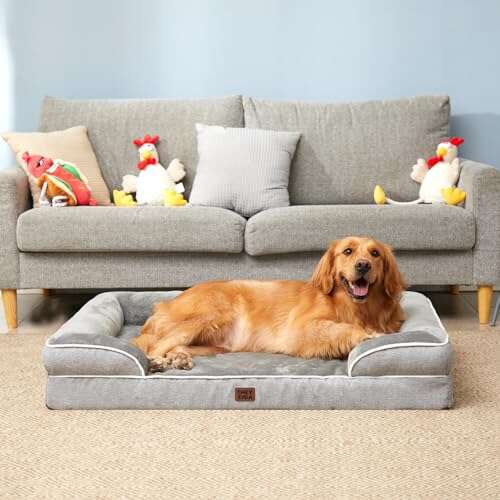
Large dogs also need more surface support. A labrador retriever, German shepherd, Great Dane, or mastiff may need a wide orthopedic bed to spread out. A narrow bed can place pressure on the hips, elbows, and shoulders.
Some dogs prefer big beds because they share space with another pet. If two dogs sleep together, the bed must support both bodies without crowding. Each dog should still have access to a separate bed if they want personal space.
Large beds can also help dogs that:
- Sleep on their sides
- Have arthritis or joint pain
- Change positions often
- Overheat in enclosed beds
- Share a sleeping area with another dog
- Need room for a favorite blanket or toy
The key question is not simply, “do dogs like big or small beds?” Instead, ask whether the bed supports your dog’s natural sleep habits. A large bed works well when it offers space, padding, and easy access.

How Your Dog’s Sleeping Style Affects Bed Size
Your dog’s sleeping position gives useful clues. Watch your dog for a few nights before buying a new bed. Their habits can tell you more than their weight alone.
Curlers
Curlers tuck their legs under the body and form a tight circle. They often like round beds with raised edges. A bed that is slightly larger than their curled body may feel warm and safe.
Stretchers
Stretchers sleep on their side or belly with their legs extended. They need a longer, wider bed. A flat mattress often works better than a small nest bed.
Leaners
Some dogs like to rest against something. They may choose a bed with a firm bolster or side wall. The bolster can support the neck and back, but it should not force the dog into a cramped position.
Burrowers
Burrowers like to crawl under blankets or into covered beds. They may enjoy a soft cave bed, especially in a cool room. Make sure the opening is large enough and that the bed has good airflow.
Sprawlers
Sprawlers take up as much space as possible. They may sleep on their back, with their legs in the air, or diagonally across the bed. These dogs usually need a large, flat sleeping surface.
If you are unsure whether do dogs like big or small beds in your home, place two different beds side by side. Use one snug bed and one larger flat bed. Your dog’s choice over several days can reveal a clear preference.

Choosing the Right Bed for Your Dog’s Age and Health
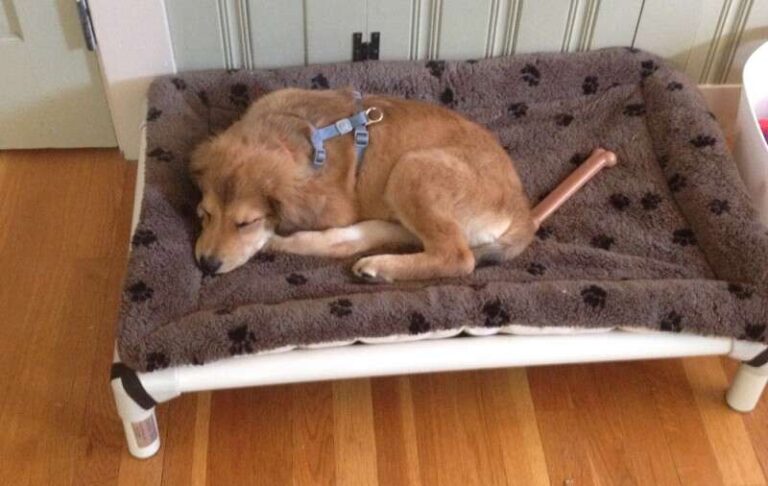
Age changes what a dog needs from a bed. Puppies may want a soft, washable bed that can handle accidents and chewing. Older dogs often need stronger support and easier access.
Senior dogs are more likely to develop arthritis or other joint problems. A thick orthopedic mattress can reduce pressure on the hips, shoulders, and elbows. Memory foam may help, but the foam should be dense enough to support the dog without allowing them to sink too deeply.
Look for these features when buying a bed for an older dog:
- A low entry point
- Firm but comfortable support
- A nonslip base
- A washable cover
- Enough room to stretch
- A surface that stays dry
- Strong seams and durable fabric
A bed that is too soft can make it hard for a senior dog to stand. A bed that is too firm may cause pressure points. Watch how your dog gets up. Stiffness, hesitation, or repeated repositioning may suggest that the bed needs to change.
Dogs with hip dysplasia, spinal problems, or chronic pain may need a veterinary assessment. A bed can improve comfort, but it cannot treat an underlying condition. Contact a veterinarian if your dog shows limping, difficulty standing, restlessness, or sudden changes in sleep.
The Best Bed Size for Different Dog Sizes
Weight is helpful, but it should not be the only measurement. Two dogs can weigh the same and need very different beds because of their body shape and sleeping style.
Use your dog’s body length as the main guide. Measure from the tip of the nose to the base of the tail, then add room for movement.
A general guide looks like this:
- Extra small dogs: Beds around 18 to 22 inches may work well.
- Small dogs: Beds around 22 to 28 inches often provide enough space.
- Medium dogs: Beds around 28 to 36 inches may be suitable.
- Large dogs: Beds around 36 to 48 inches are often more practical.
- Giant dogs: Beds over 48 inches may be needed.
These ranges are only starting points. A long dachshund may need a longer bed than a heavier French bulldog. A thin greyhound may need extra length, while a compact pug may prefer a smaller, warmer space.
When considering do dogs like big or small beds, always compare the product’s inside sleeping area. Some beds look large from the outside but have thick sides that reduce usable space.

Signs Your Dog’s Bed Is Too Small
Dogs cannot tell us that a bed feels cramped, but their behavior often provides clues. A dog may avoid the bed even when it is soft and clean.
Common signs include:
- Your dog’s head or legs hang over the edge.
- Your dog sleeps beside the bed instead of on it.
- Your dog keeps changing positions.
- Your dog curls tightly but stretches out on the floor.
- Your dog steps out when trying to turn around.
- Your dog appears stiff after resting.
- Your dog pushes the bed away or scratches at it often.
A dog may also use the bed only for short naps. This can happen because the surface is too small, too hot, or poorly placed. Check the bed’s size along with the room temperature and location.
Try placing a larger blanket over the bed for a simple test. If your dog chooses the extra space, the current bed may be too small. This is not a perfect test, but it can reveal a useful pattern before you spend more money.
Signs Your Dog’s Bed Is Too Big
A bed can also be too large for some dogs. This is especially true for small, nervous, or short-haired dogs that seek warmth.
Possible signs include:
- Your dog sleeps pressed against furniture instead.
- Your dog avoids the center of the bed.
- Your dog burrows under a blanket on the bed.
- Your dog shakes or seems cold after resting.
- Your dog chooses a smaller mat or crate.
- Your dog carries bedding into a corner.
A very large bed may lack the cozy feeling your dog wants. You can make it more inviting by adding a washable blanket or choosing a bed with raised sides.
However, do not add thick layers if your dog has trouble standing. Bedding should improve comfort, not create an unstable surface.

Does Breed Matter When Choosing a Dog Bed?
Breed can offer clues, but it does not predict every dog’s preference. A breed’s body shape, coat, energy level, and common health risks may affect bed choice.
Long-bodied breeds often need extra length. Flat-faced breeds may prefer an open bed with good airflow. Hairless or thin-coated dogs may prefer warm, enclosed beds. Heavy breeds may benefit from dense orthopedic foam.
Consider these examples:
- Dachshunds may need long beds that support the spine.
- Greyhounds may prefer thick, warm padding because of their lean bodies.
- Bulldogs may need firm support and good airflow.
- Border collies may enjoy large beds that allow frequent position changes.
- Small terriers may prefer compact beds with raised sides.
- Giant breeds often need wide beds with strong joint support.
Breed information is useful, but your individual dog remains the best guide. Personality and habit matter just as much as genetics.
In my experience, one of the most common mistakes is buying a bed based only on the dog’s weight. A long, light dog may need more space than a short, heavy dog. Measure first, then consider the dog’s sleeping style.
How to Test Whether Your Dog Likes the Bed
You do not need to guess for weeks. A simple home test can help you compare beds.
- Measure your dog from nose to tail base.
- Watch how your dog sleeps for three nights.
- Note whether your dog curls, stretches, leans, or burrows.
- Place the new bed in a quiet, familiar area.
- Add a blanket that already smells like home.
- Allow your dog to explore without forcing them onto it.
- Track which bed your dog chooses during naps.
- Check comfort again after one or two weeks.
Do not judge the bed after one night. Dogs may avoid a new bed because it smells unfamiliar. Wash the cover according to its care instructions, or place a familiar blanket on top.
Avoid dragging your dog onto the bed or using punishment when they leave it. The bed should become a safe choice. Positive associations work better than pressure.
Where You Place the Bed Matters
Even the perfect bed may fail if it is in the wrong place. Dogs often want to rest near their people, but they also need protection from noise and heavy traffic.
Good locations include:
- A quiet corner of the living room
- Near your desk or usual chair
- Away from direct drafts
- Away from hot radiators
- Out of strong sunlight
- On a stable, nonslip floor
Some dogs like to watch the room while resting. Others need a darker, calmer space. You may need to offer two beds in different areas.
This is another reason the question “do dogs like big or small beds” has no single answer. Your dog’s environment can change the way they use a bed. A large bed in a busy hallway may be less appealing than a smaller bed in a peaceful corner.
Common Mistakes to Avoid
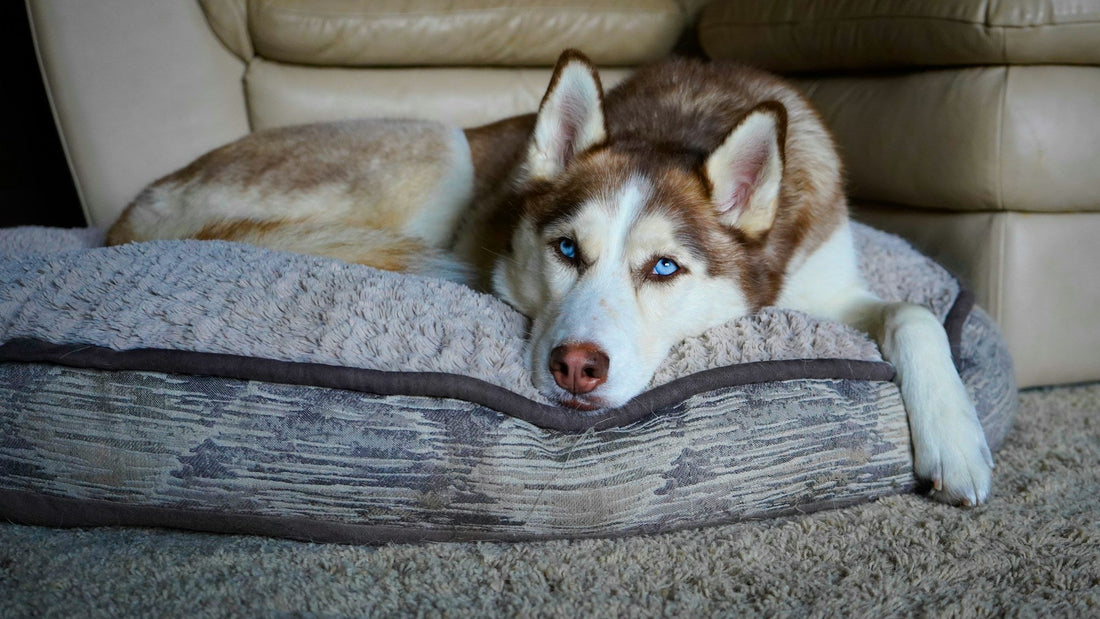
Choosing a dog bed seems simple, but a few mistakes can reduce comfort and safety.
- Buying only by weight: Weight does not show body length or sleep style.
- Ignoring the inside measurements: Thick bolsters can reduce usable space.
- Choosing a very soft bed for an older dog: Deep sinking can make standing difficult.
- Using a slippery bed: Movement can strain joints and cause falls.
- Forgetting maintenance: Dirty bedding can hold odors, hair, moisture, and allergens.
- Picking a bed that traps heat: Thick, enclosed beds may bother dogs in warm homes.
- Forcing a dog to use the bed: Choice builds trust.
- Buying only one bed: Dogs may want different beds for day and night.
Washable covers are especially important. Veterinary hygiene guidance supports regular cleaning of pet bedding, particularly when a dog has allergies, skin problems, incontinence, or parasites.
Inspect the bed often. Replace it when the foam becomes flat, the seams split, or the filling clumps. A worn bed may stop supporting the body even if the cover still looks fine.
Frequently Asked Questions About Do Dogs Like Big or Small Beds
Do dogs prefer big or small beds?
Dogs usually prefer beds that fit their body and sleeping style. A bed should provide room to turn and stretch, but it should not feel so large that the dog loses warmth or security.
Can a dog bed be too big?
Yes, a dog bed can be too big for a small or anxious dog. If your dog avoids the center, sleeps against the edge, or burrows into blankets, a smaller or more enclosed bed may feel better.
How do I know what size bed my dog needs?
Measure your dog from the nose to the base of the tail and add about 6 to 12 inches. Then compare that measurement with the bed’s inside sleeping area, not just its outside dimensions.
Do older dogs need bigger beds?
Older dogs do not always need bigger beds, but they often need more usable space and stronger support. A wide orthopedic bed with a low entry can help a senior dog stretch and stand with less strain.
Why does my dog sleep beside the bed?
Your dog may dislike the bed’s size, temperature, smell, firmness, or location. Try a familiar blanket, move the bed to a quieter spot, and observe whether your dog prefers more space or a softer surface.
Should dogs have more than one bed?
Many dogs benefit from having two or more beds. A cool flat mat may work during the day, while a warm supportive bed may be better at night.
Do dogs like beds with raised sides?
Many dogs like raised sides because they can lean against them and feel secure. However, dogs that stretch out or have mobility problems may prefer a flat bed with an easy entry.
Conclusion
Do dogs like big or small beds? Most dogs like a bed that fits their body, supports their joints, and matches the way they sleep. Small beds can feel warm and secure, while large beds give stretchers and older dogs more room to relax.
Measure your dog, watch their sleeping habits, and test the bed in a calm location. Pay attention to whether your dog rests deeply, changes position easily, and chooses the bed without pressure. Use these clues to make a confident choice, then explore more dog care guides or share your dog’s favorite bed style in the comments.

Pet Care Writer & Researcher
Daniel writes practical guides on daily care, feeding, and safety, turning complex topics into simple, actionable advice.