
What Dog Food Is Healthiest For Dogs: Best Healthy Choices
Learn what dog food is healthiest for dogs, from balanced ingredients to vet-approved choices that support energy, digestion, and long-term health.
The healthiest dog food is complete, balanced, life-stage appropriate, and matched to your dog’s needs.
Choosing what dog food is healthiest for dogs is not about finding the most expensive bag or the trendiest ingredient. It means looking at nutrition, safety, quality control, and your dog’s age, size, activity level, health, and taste. This guide explains how to read a dog food label, compare dry food and wet food, avoid common mistakes, and choose a diet that supports a long, active life.
What dog food is healthiest for dogs?
For most healthy dogs, the best choice is a commercial dog food labeled “complete and balanced” for the correct life stage. This food should provide the right levels of protein, fat, vitamins, minerals, and calories.
The phrase “complete and balanced” matters. It means the food is designed to meet nutritional standards set for dogs. In the United States, these standards are linked to nutritional profiles and feeding trials used by the Association of American Feed Control Officials, commonly called AAFCO.
The healthiest dog food may be:
- Dry kibble
- Canned or wet food
- Fresh cooked food
- A combination of these foods
The format matters less than the nutrition inside it. A simple-looking kibble can be excellent, while a fancy fresh food may not meet every need.
Your dog’s ideal diet should support:
- Healthy body weight
- Strong muscles and bones
- Smooth digestion
- Healthy skin and coat
- Normal energy
- Good stool quality
- Long-term organ health
A food that works well for one dog may not suit another. A young border collie needs a different calorie intake than an older pug. A dog with kidney disease needs a different diet than a healthy adult dog.

How to read a dog food label
Dog food labels can feel confusing, but a few sections provide most of the information you need. Start with the nutritional adequacy statement. It often appears in small print on the back or side of the package.
Look for wording such as:
“Complete and balanced nutrition for maintenance of adult dogs.”
This tells you the food is intended to meet the needs of adult dogs. Other labels may say the food is for growth, reproduction, all life stages, or specific sizes.
Check the life-stage statement
Puppies need more calories, protein, calcium, and other nutrients than many adult dogs. Large-breed puppies also need careful mineral balance because excess growth can harm developing joints.
Adult dogs usually need food made for maintenance. Senior dogs do not have one universal nutrition standard, so senior formulas can vary widely. Some older dogs need fewer calories, while others need more protein to help preserve muscle.
Review the guaranteed analysis
The guaranteed analysis lists minimum or maximum levels of key nutrients. It commonly includes:
- Crude protein
- Crude fat
- Crude fiber
- Moisture
These numbers are useful, but they do not tell the whole story. For example, a food with 30% protein may contain protein from many different sources with different digestibility.
You may need to compare foods on a dry matter basis, especially when comparing wet and dry food. Canned food contains much more water, so its protein percentage may look lower even when it provides a similar amount of protein after moisture is removed.
Look at calories
Calories are often more important than owners realize. Overfeeding can lead to obesity, which may increase the risk of diabetes, joint stress, heart problems, and reduced mobility.
A food label may list calories per cup, can, kilogram, or gram. Use this information with your veterinarian’s advice. Feeding charts are starting points, not strict rules.
Understand the ingredient list
Ingredients appear in descending order by weight before cooking. Meat may appear high on the list partly because it contains water. This means ingredient order alone cannot prove that one food is better than another.
A short ingredient list is not always healthier. A long ingredient list is not automatically poor quality. The complete formula, nutrient balance, safety controls, and your dog’s response matter more.
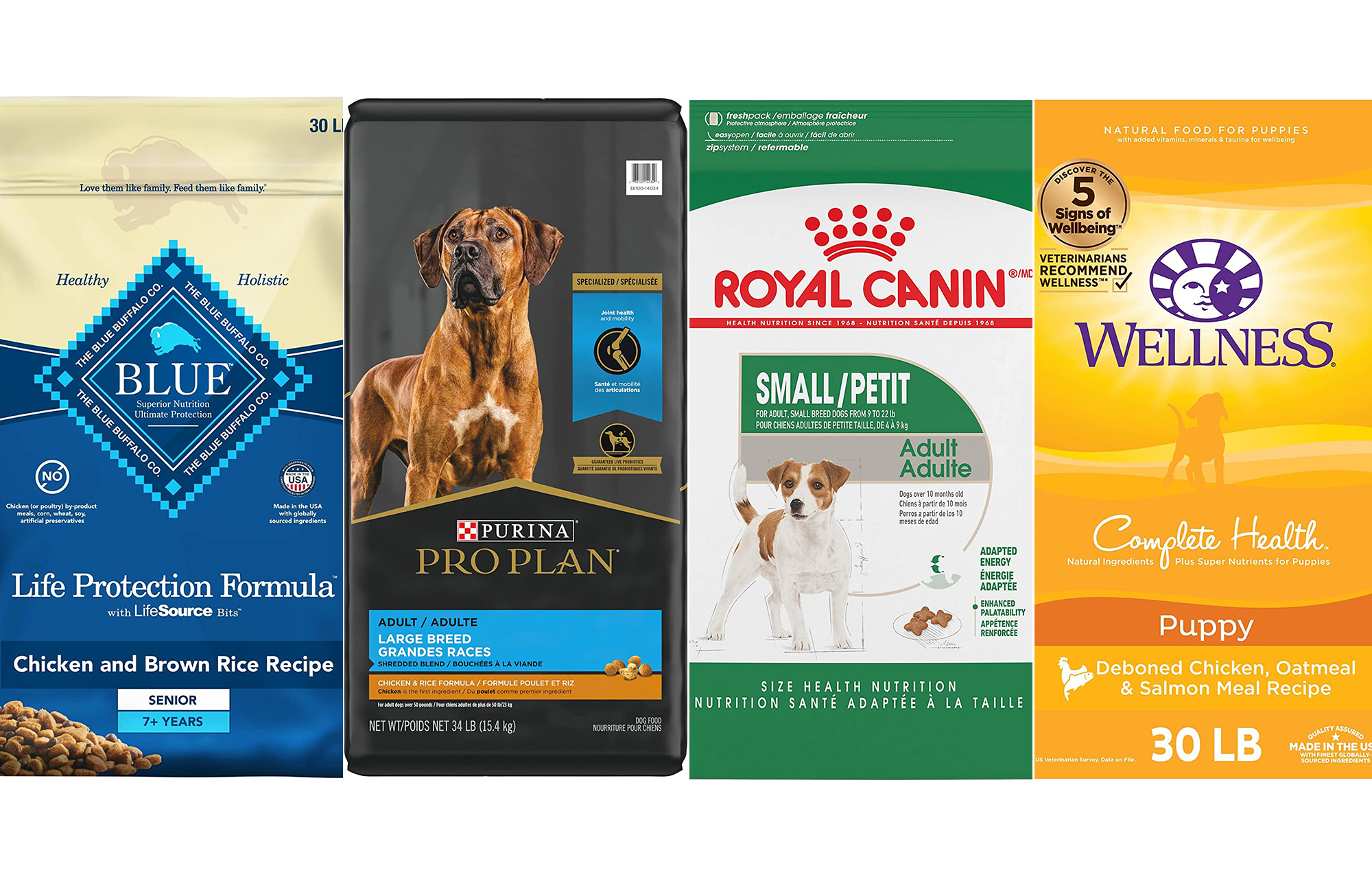
Which ingredients should healthy dog food contain?
The healthiest dog food usually includes a reliable source of animal or plant protein, digestible carbohydrates, essential fats, vitamins, and minerals. Dogs are omnivores with nutritional needs that can be met by carefully formulated foods containing both animal and plant ingredients.
Protein
Protein helps build and repair muscles, skin, hair, enzymes, and immune cells. Meat, poultry, fish, eggs, dairy products, legumes, and some grains can provide protein.
Dogs do not need one specific meat in every meal. Chicken is not automatically better than turkey. Lamb is not automatically better than beef. The quality and balance of the full recipe are more important.
Fat
Fat provides concentrated energy and helps the body absorb vitamins A, D, E, and K. It also supports the skin, coat, brain, and immune system.
Healthy dog foods may contain fats from poultry, fish, vegetable oils, or other sources. Omega 3 fats from fish oil can support skin and coat health and may help manage inflammation in some dogs.
Carbohydrates
Dogs can digest cooked carbohydrates. Rice, oats, barley, potatoes, peas, and other ingredients may provide energy and fiber.
There is no strong reason for every healthy dog to avoid grains. Grain free food is useful for some dogs with specific dietary needs, but it is not automatically healthier. In recent years, veterinary researchers have examined possible links between some grain free diets and canine dilated cardiomyopathy. The issue is complex, and diet may not be the only factor.
Vitamins and minerals
Dogs need calcium, phosphorus, zinc, copper, iodine, selenium, and many vitamins in precise amounts. Too little or too much of certain nutrients can cause harm.
This is one reason homemade diets can be risky. A recipe may contain healthy foods but still lack key nutrients. If you prepare your dog’s meals at home, work with a board certified veterinary nutritionist.

Dry food, wet food, or fresh food: Which is best?
There is no single winner for every dog. Dry, wet, and fresh diets can all work when they are complete, balanced, safe, and suitable for the dog.
Dry dog food
Dry kibble is popular because it is convenient, affordable, easy to measure, and simple to store. It can also help some dogs maintain a consistent feeding routine.
However, kibble contains little water compared with canned food. Dogs that do not drink enough may benefit from added water or a partial wet food diet.
Wet dog food
Canned food contains more water and often appeals to picky eaters. It can be useful for dogs with poor appetite, dental pain, or a need for more moisture.
Wet food usually costs more per calorie. Once opened, it must be refrigerated and used within the period listed on the package.
Fresh and refrigerated food
Fresh food may use gently cooked ingredients and can be highly appealing. Some owners find that their dogs have better appetite or stool quality on these diets.
The key question is not whether the food looks fresh. Check whether it is complete and balanced for your dog’s life stage. Some refrigerated foods are designed only as toppers and do not provide all required nutrients.
Raw food
Raw diets are often promoted as natural, but they carry risks. Uncooked meat may contain bacteria such as Salmonella, Campylobacter, or harmful strains of E. coli. These germs can affect dogs and people in the home.
Raw diets can also become nutritionally unbalanced. Puppies, pregnant dogs, older dogs, and pets with weak immune systems may face greater risk. Talk with your veterinarian before considering raw feeding.
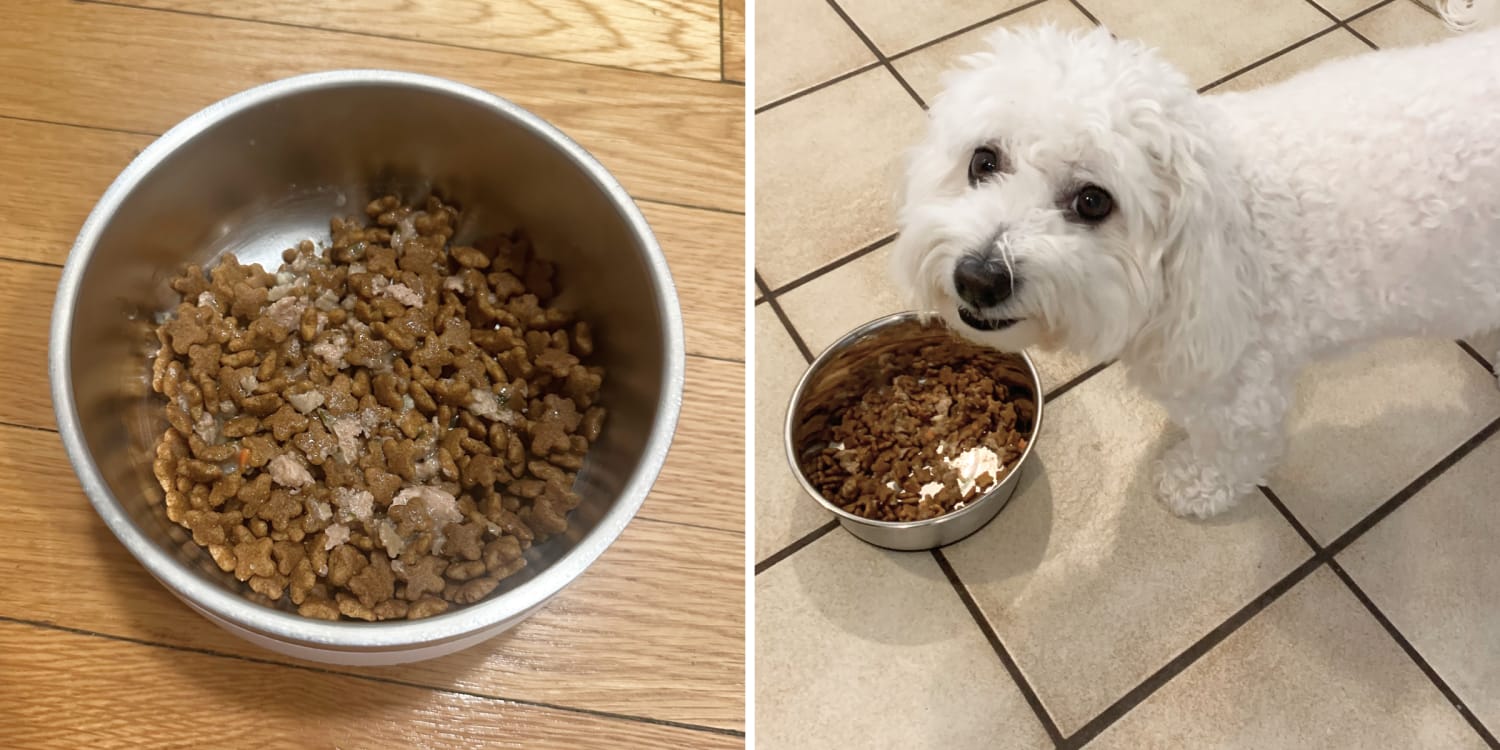
What dog food is healthiest for puppies?
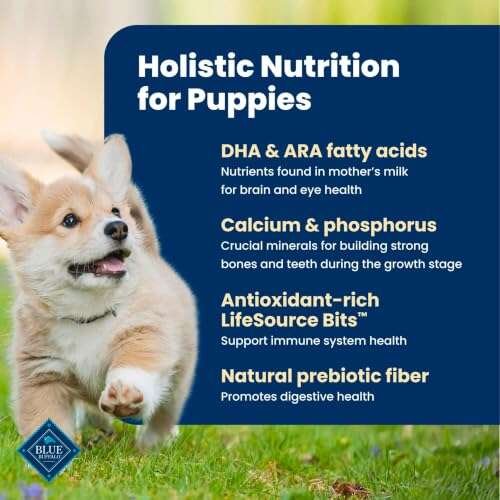
The healthiest puppy food is complete and balanced for growth, with special care for large breeds. Puppies grow quickly, so the wrong balance of calories and minerals can affect bone and joint development.
Choose a puppy food that fits your dog’s expected adult size. Large breed puppy formulas help control calories and minerals during growth. Do not add calcium supplements unless your veterinarian prescribes them.
Puppies usually need several small meals each day. Follow the feeding guide, then adjust portions based on body condition, growth, stool quality, and veterinary checks.
Signs that a puppy may need a diet review include:
- Very rapid weight gain
- Persistent diarrhea
- Poor appetite
- A dull coat
- Weakness
- Slow growth
- Frequent vomiting
Puppies should not eat adult food as their main diet unless a veterinarian recommends it. Adult formulas may not provide the nutrient levels needed for healthy development.
What dog food is healthiest for senior dogs?
The healthiest dog food for a senior dog depends on body condition, activity, dental health, and medical history. Some senior dogs need fewer calories because they move less. Others need more protein and calories to preserve muscle.
Look for a food that supports lean body mass without providing excess calories. A high-quality protein source can be helpful, but dogs with kidney, liver, or other diseases may need a therapeutic diet.
Senior dogs may also benefit from:
- Softer textures if chewing is difficult
- Controlled calories
- Omega 3 fats
- Adequate fiber
- Antioxidant nutrients
- Careful sodium or phosphorus control when medically needed
Do not assume every senior formula is right for an older dog. Ask your veterinarian to check weight, teeth, blood work, and muscle condition before making a major diet change.

Choosing dog food for allergies and sensitive stomachs
Food allergies are less common than many owners think. Dogs are more often allergic to environmental triggers, such as pollen, dust mites, or mold. Still, food allergies can occur.
Common food allergy signs may include:
- Repeated ear infections
- Itchy skin
- Licking the paws
- Digestive upset
- Red skin
- Hair loss from scratching
A true food allergy is best assessed with a strict elimination diet. This usually involves feeding a prescribed novel protein or hydrolyzed protein diet for several weeks, then carefully testing ingredients under veterinary guidance.
Limited ingredient food may help some dogs, but the label alone does not guarantee purity. Cross contact can happen during manufacturing. If your dog has severe symptoms, use a veterinary diet rather than testing many over-the-counter foods at random.
For a sensitive stomach, sudden changes are a common cause of diarrhea. Change food slowly over about seven days:
- Feed mostly the old food with a small amount of new food.
- Increase the new food every few days.
- Watch stool, appetite, energy, and vomiting.
- Slow down if digestive upset occurs.
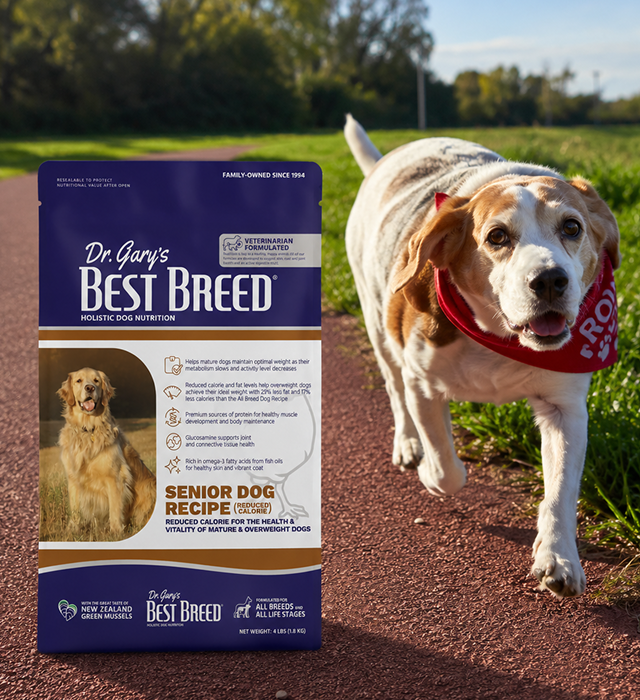
Common dog food mistakes to avoid
Even a high-quality food can cause problems if it is used incorrectly. Portion size, treats, storage, and food safety all matter.
Avoid these common mistakes:
- Feeding too many treats
- Changing food suddenly
- Ignoring calorie information
- Choosing food only by ingredient marketing
- Giving unbalanced homemade meals
- Leaving wet food out too long
- Storing kibble in a hot or damp place
- Feeding table scraps without checking safety
- Adding supplements without veterinary advice
- Assuming expensive food is always better
Treats should generally provide no more than about 10% of a dog’s daily calories. Too many treats can make a balanced diet unbalanced and may cause weight gain.
Never give dogs chocolate, grapes, raisins, onions, garlic, xylitol, alcohol, or cooked bones. Keep pet food sealed, dry, and away from pests. Wash bowls often, especially bowls used for wet or fresh food.

How to choose the healthiest food for your dog
Use a simple process instead of relying on advertising claims. Your veterinarian can help if your dog has a health condition, but you can begin with these steps.
-
Identify your dog’s life stage. Choose puppy, adult, or growth and reproduction food as appropriate.
-
Check the adequacy statement. Confirm that the food is complete and balanced for your dog’s needs.
-
Estimate calorie needs. Use the package guide as a starting point and monitor body condition.
-
Consider health concerns. Ask about diets for obesity, urinary disease, allergies, kidney disease, diabetes, or digestive problems.
-
Choose a texture your dog will eat. A nutritionally sound food is not useful if your dog refuses it.
-
Transition slowly. Mix old and new food over several days.
-
Monitor results. Track weight, stool, energy, coat, appetite, and comfort.
-
Recheck the diet. Needs can change with age, illness, activity, pregnancy, or medication.
A useful body condition goal is a visible waist from above and a gentle abdominal tuck from the side. You should be able to feel the ribs under a thin layer of fat, but the ribs should not be sharply visible in most dogs.
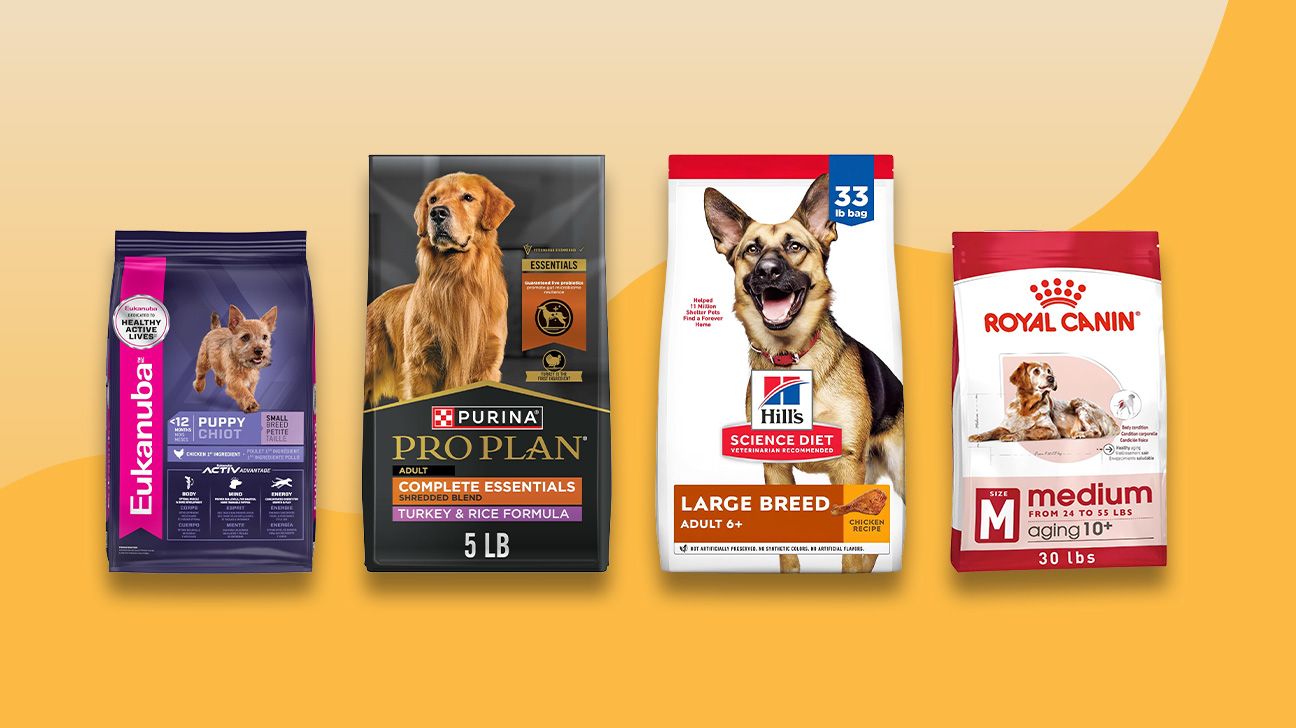
When should you ask a veterinarian?
A veterinarian should help choose food when your dog has a medical condition or unusual symptoms. Nutrition can support treatment, but it cannot replace diagnosis.
Seek professional advice if your dog has:
- Ongoing vomiting or diarrhea
- Blood in the stool
- Sudden weight loss
- Obesity
- Poor appetite
- Excessive thirst or urination
- Repeated urinary problems
- Severe itching
- Kidney or liver disease
- Diabetes
- Pancreatitis
- Pregnancy or nursing needs
Therapeutic veterinary diets are formulated for specific medical goals. They may not look exciting, but their nutrient balance can be important. Do not switch a sick dog to a new diet based only on online reviews.
One practical lesson is worth remembering: a dog’s response is valuable, but it is not the only measure of health. A dog may love a food while gaining too much weight, and another dog may have shiny fur while developing a nutrient problem. Combine daily observation with regular veterinary care.
Frequently asked questions about what dog food is healthiest for dogs
What dog food is healthiest for dogs overall?
The healthiest dog food is complete and balanced for your dog’s life stage, size, activity, and health needs. It can be dry, wet, fresh, or a combination, as long as it provides suitable nutrition and safe handling.
Is grain free dog food healthier?
Grain free dog food is not automatically healthier for most dogs. Dogs that do not have a diagnosed grain allergy can often digest grains safely, and some grain free diets have raised nutritional concerns.
Is wet food better than dry food for dogs?
Wet food is not always better than dry food. It provides more moisture and may help picky eaters, while dry food is often more convenient and affordable; both can be healthy when complete and balanced.
What ingredients should I avoid in dog food?
Avoid foods that are not complete and balanced for your dog’s main diet, and avoid unsafe human ingredients such as xylitol, chocolate, grapes, raisins, onions, and garlic. Also be cautious with unregulated supplements and raw diets that lack safety controls.
Can dogs eat homemade dog food every day?
Dogs can eat homemade food every day only when the recipe is properly balanced for their needs. Work with a veterinary nutrition professional because common recipes may lack calcium, vitamins, minerals, or essential fats.
How often should I change my dog’s food?
You do not need to change a healthy dog’s food often if the diet works well. If you need to switch, do it gradually over about seven days to reduce the risk of digestive upset.
Conclusion
The healthiest dog food is one that is complete, balanced, safe, and suited to your dog as an individual. Focus on life stage, calories, body condition, ingredient quality, food safety, and your dog’s medical needs rather than bright packaging or bold marketing claims.
Start by checking the nutritional adequacy statement, measuring portions, and watching your dog’s weight, stool, energy, skin, and appetite. If your dog has allergies, digestive problems, obesity, or another health concern, ask your veterinarian for a tailored plan. Use these steps to make a confident choice, and explore trusted veterinary nutrition resources or share your experience with other dog owners.

Pet Care Writer & Researcher
Daniel writes practical guides on daily care, feeding, and safety, turning complex topics into simple, actionable advice.


One Comment