What Food Can Be Given To Dogs: Safe Choices
What food can be given to dogs? Learn safe human foods, healthy treats, and foods to avoid for a happier, healthier pet.
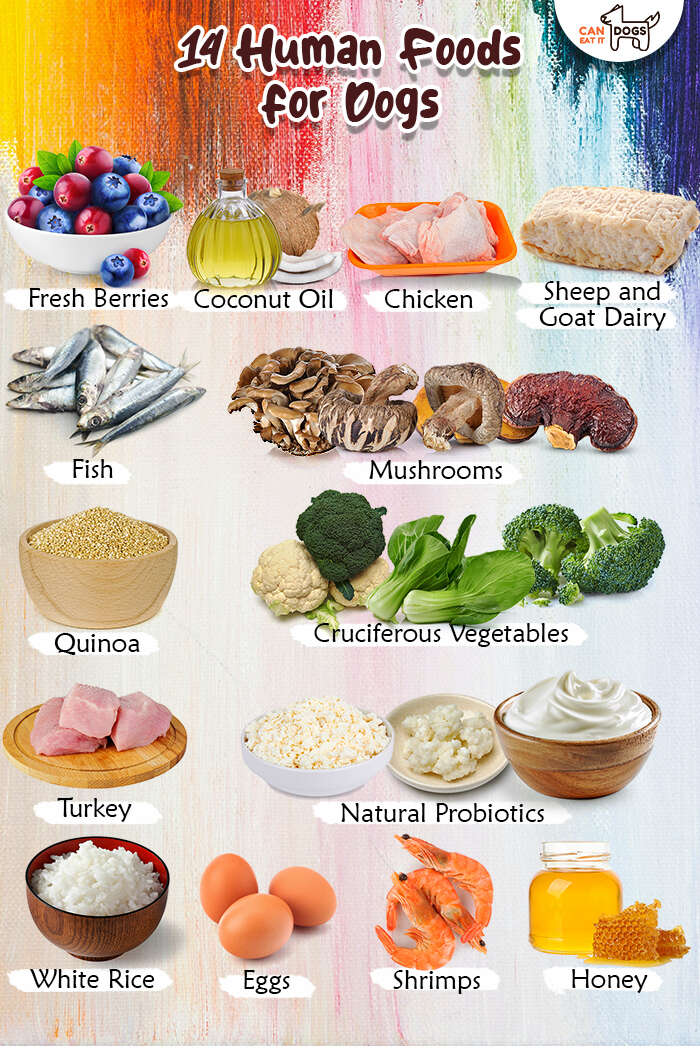
Dogs can eat lean meats, cooked vegetables, safe fruits, grains, and balanced dog food in suitable portions.
Knowing what food can be given to dogs helps you share healthy treats without causing stomach upset or serious poisoning. This guide explains safe choices, foods to avoid, portion rules, preparation tips, and signs that your dog may need veterinary care.
What Food Can Be Given to Dogs Safely?
Dogs can enjoy many whole foods, but not every healthy human food is safe for pets. The best choices are plain, cooked, and free from salt, spices, butter, sauces, and added sugar.
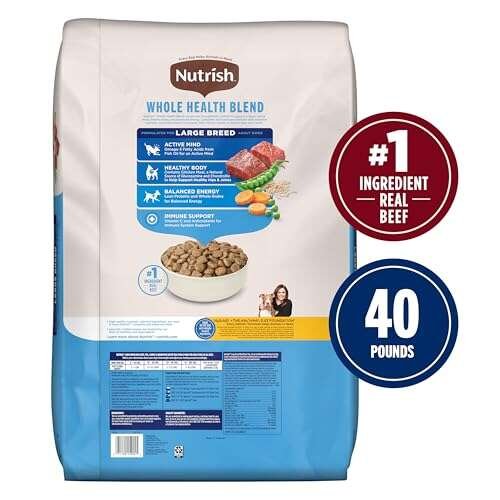
A dog’s main diet should still be a complete and balanced dog food. Human foods should act as small extras, not replace meals unless a veterinarian creates a complete home cooked diet.
Safe options include:
- Lean meat such as chicken, turkey, beef, and pork
- Cooked fish with all bones removed
- Plain eggs
- Cooked rice, oats, and quinoa
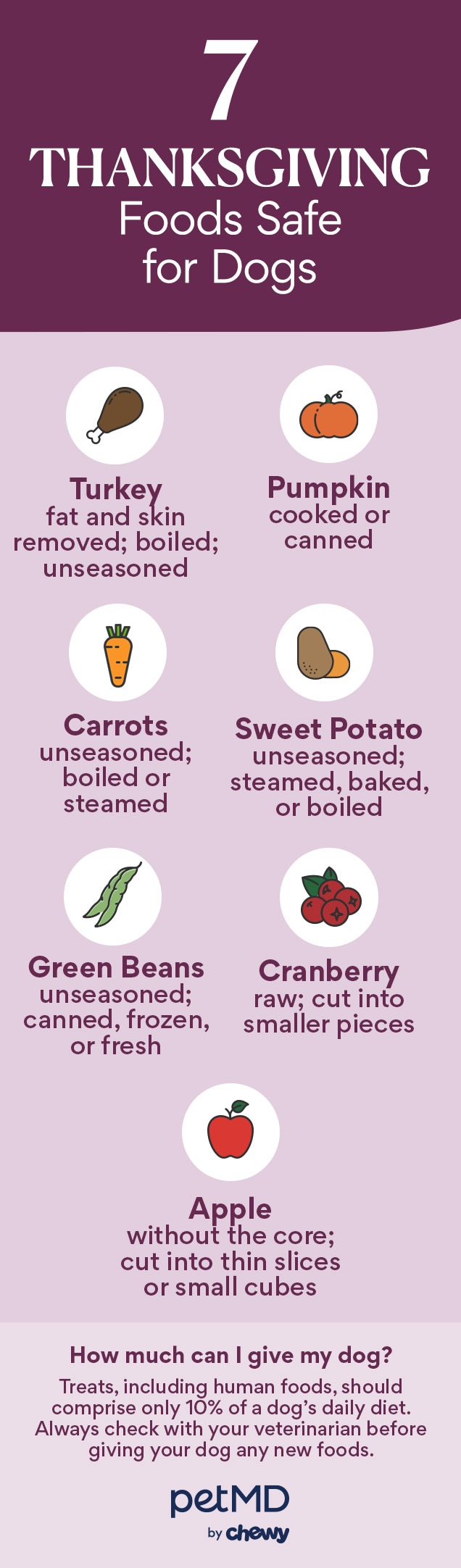
- Carrots, green beans, pumpkin, and sweet potatoes
- Apples, blueberries, bananas, and watermelon without seeds
- Plain yogurt for dogs that tolerate dairy
- Small amounts of unsalted peanut butter without xylitol
In general, treats and table food should provide no more than 10% of a dog’s daily calories. The remaining 90% should come from a complete and balanced food made for the dog’s life stage.

Safe Protein Foods for Dogs
Protein supports muscle, skin, hair, immune health, and daily energy. Many dogs enjoy plain meat, but preparation matters as much as the ingredient.
Chicken and Turkey
Cooked, skinless chicken and turkey are common choices for dogs. Remove all bones, skin, and excess fat before serving.
Do not feed seasoned poultry. Garlic, onion, heavy sauces, and rich gravies can harm dogs or upset the stomach. Boiled or baked meat is usually the safest form.
Beef and Pork
Lean beef can provide protein, iron, and other nutrients. Choose plain cuts and remove visible fat.
Pork must be fully cooked. Avoid fatty pork, bacon, sausage, ham, and other processed meats. These foods can contain too much salt and fat, which may increase the risk of digestive trouble or pancreatitis.
Fish
Fully cooked salmon, whitefish, and sardines can provide protein and useful omega 3 fats. Remove every bone, since even small bones may become stuck or cause internal injury.
Never give raw fish as a casual treat. Raw fish may carry harmful germs or parasites, and some types contain substances that can cause serious illness when eaten often.
Eggs
Plain, fully cooked eggs are safe for most dogs. Scrambled or hard boiled eggs work well when prepared without salt, oil, butter, or seasoning.
Start with a small amount. Eggs are nutritious but calorie dense, so large servings may lead to weight gain or loose stools.

Safe Fruits Dogs Can Eat
Fruit can offer water, fiber, and natural vitamins. It also contains sugar, so portions should stay small.
Good Fruit Choices
Dogs can usually eat these fruits when prepared correctly:
- Apples with the core and seeds removed
- Bananas in small slices
- Blueberries
- Strawberries with the leaves removed
- Seedless watermelon without the rind
- Cantaloupe without the rind and seeds
- Pears without the core and seeds
- pineapple in small pieces
Wash fruit before serving. Cut it into small pieces that match your dog’s size. A tiny piece may suit a Chihuahua, while a larger dog may handle a few more pieces.
Fruit to Avoid
Never give grapes or raisins to dogs. Even small amounts may cause sudden kidney failure in some dogs, and there is no reliable safe dose.
Avoid fruit pits, seeds, and cores. Peach, plum, cherry, and apricot pits can cause choking or blockage. Some seeds also contain harmful compounds.
Safe Vegetables for Dogs
Vegetables are often lower in calories than processed treats. They can add crunch, fiber, and variety to a dog’s diet.
Good choices include:
- Carrots, raw or cooked
- Green beans, plain and chopped
- Cucumbers in small pieces
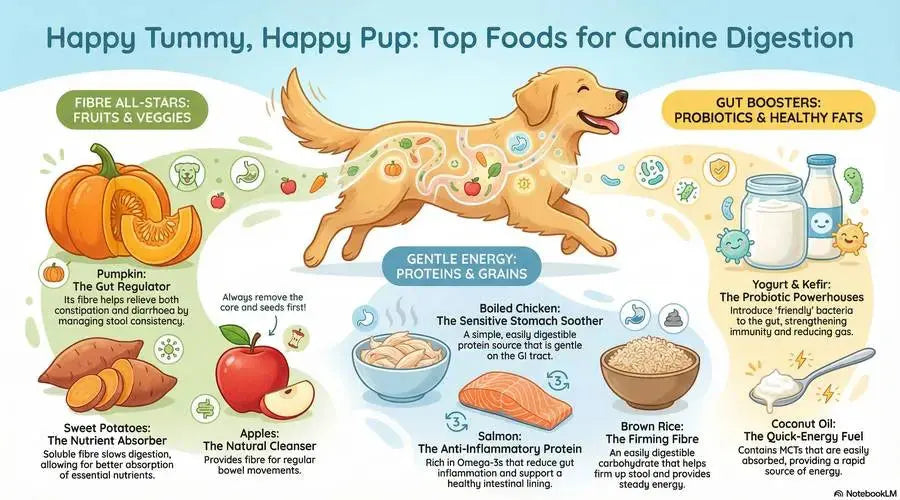
- Plain pumpkin
- Cooked sweet potato
- Zucchini
- Peas
- Broccoli in small amounts
- Cooked cauliflower
- Celery cut into short pieces
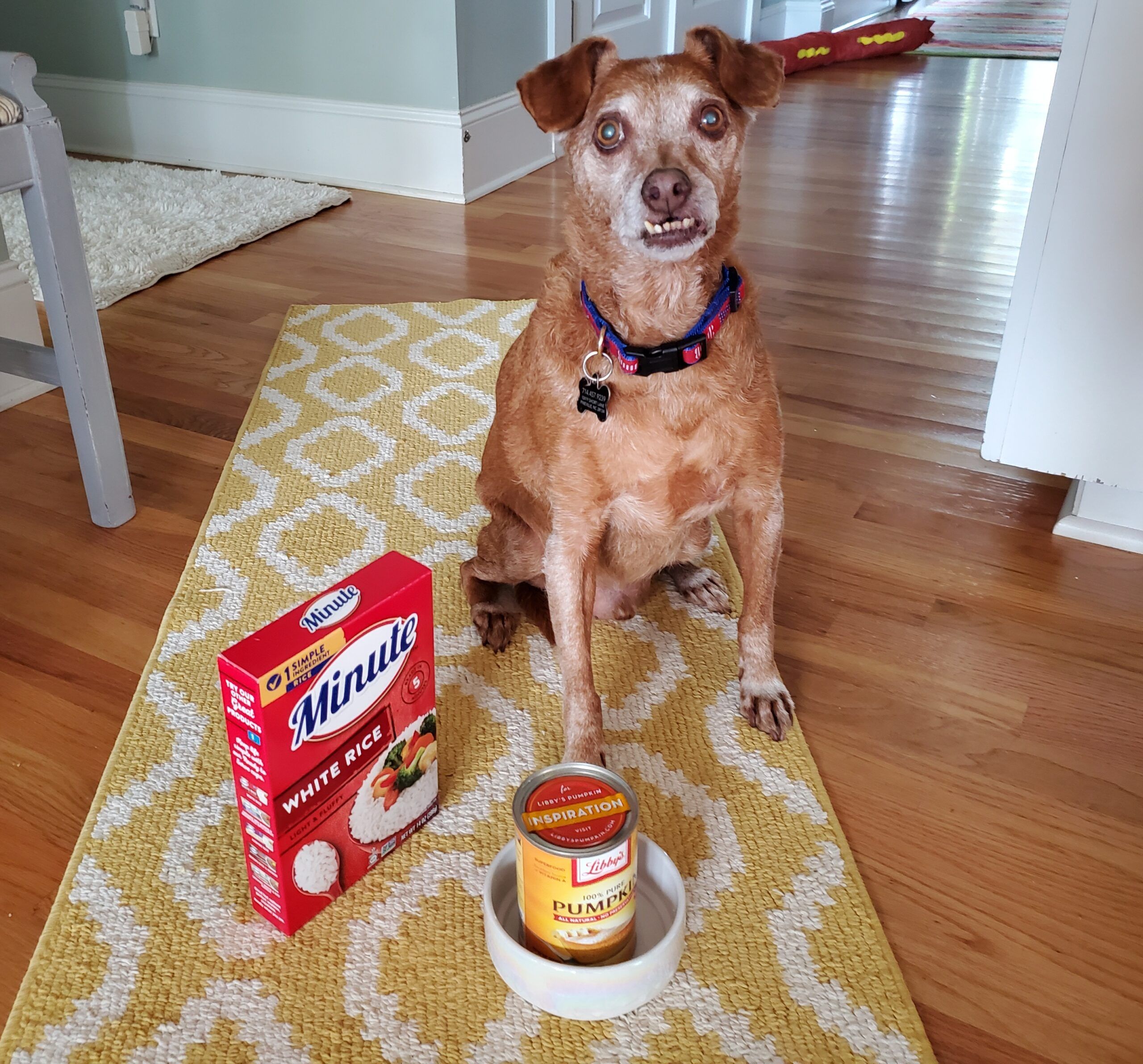
Pumpkin may help some dogs with mild stool changes because it contains fiber. It is not a cure for ongoing diarrhea, vomiting, parasites, or other illness. Use plain canned pumpkin, not pumpkin pie filling, which often contains sugar and spices.
Sweet potatoes should be cooked and served plain. Raw sweet potato can be hard to digest and may present a choking risk.
Introduce one new vegetable at a time. This makes it easier to identify the cause if your dog develops gas, itching, vomiting, or diarrhea.
Grains and Other Carbohydrates Dogs Can Eat
Many dogs can digest cooked grains and other plain carbohydrates. They can be useful as occasional additions, but they should not crowd out a balanced diet.
Safe choices may include:
- Plain white or brown rice
- Oatmeal cooked in water
- Quinoa
- Plain pasta in a small amount
- Cooked potatoes without butter or seasoning
- Cooked sweet potatoes
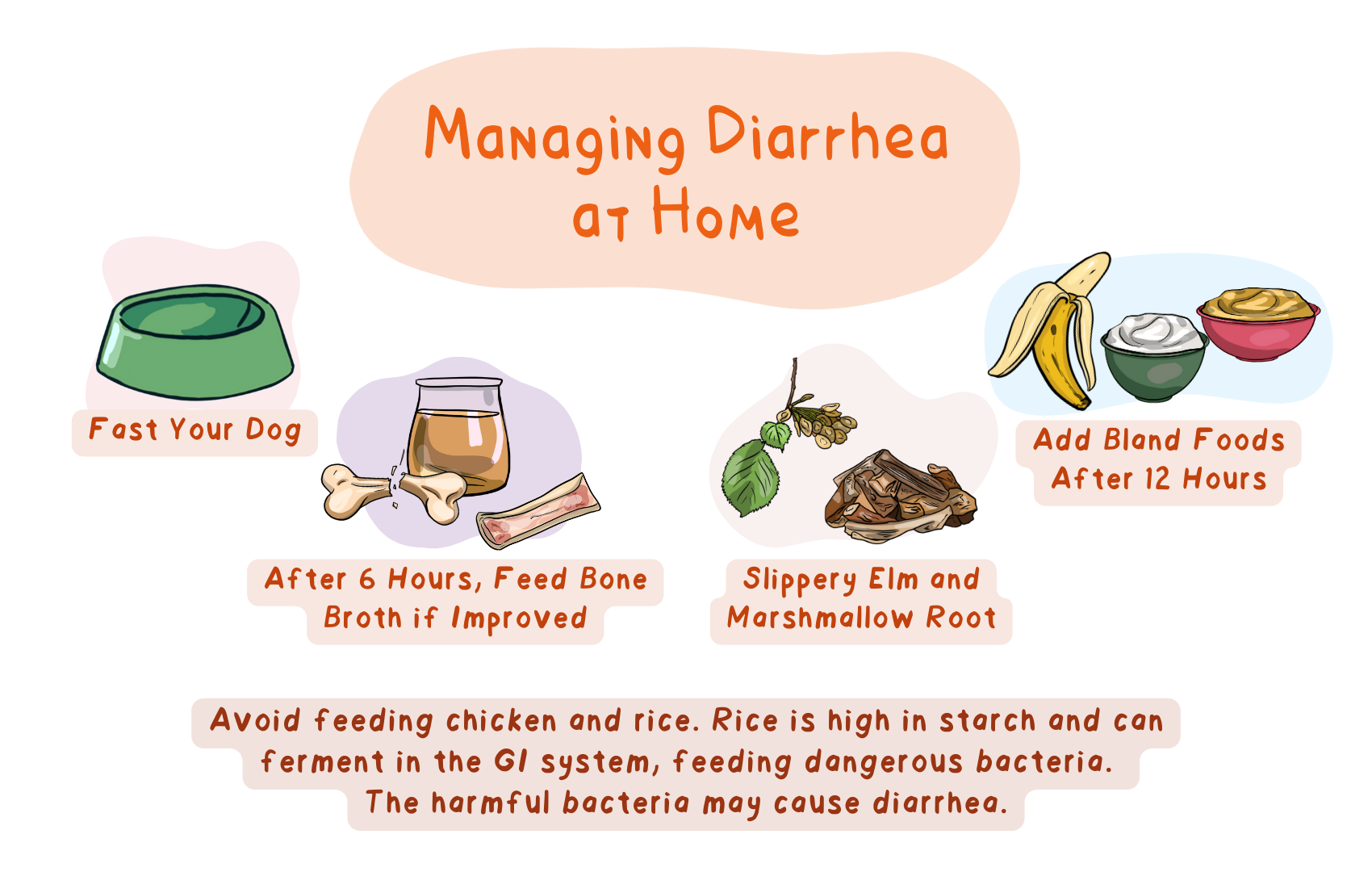
Rice and oatmeal are gentle options for some dogs with sensitive stomachs, but they do not provide complete nutrition on their own. A rice and chicken meal may be suitable for a short period under veterinary advice, but it is not a long term diet.
Avoid raw dough. Yeast dough can expand in the stomach and produce alcohol as it ferments. Both effects can become emergencies.
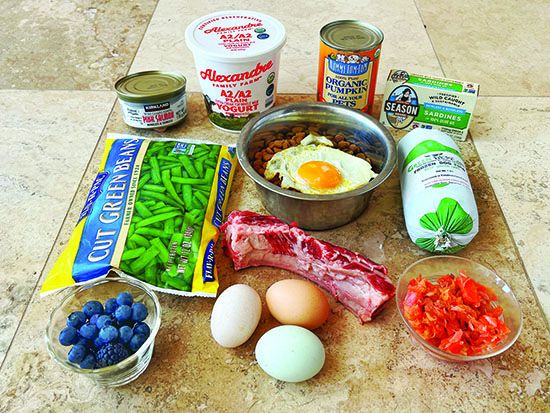
Dairy, Peanut Butter, and Other Popular Treats
Some dogs tolerate small amounts of dairy, while others lack enough lactase to digest it well. This can cause gas, loose stools, or discomfort.
Plain, unsweetened yogurt may be acceptable if it contains no xylitol or other unsafe sweeteners. Choose a low fat option and offer only a small spoonful at first.
Peanut butter can be a useful treat or training reward. Always check the label for xylitol, also called birch sugar. Xylitol can cause a rapid drop in blood sugar and severe liver injury in dogs.
Other possible treats include:
- Plain popcorn without salt, oil, or butter
- Small pieces of cooked egg
- A few unsalted pumpkin seeds
- Plain cottage cheese in a very small amount
- Ice cubes for dogs that enjoy them
Treats should fit within your dog’s daily calorie needs. A small dog can gain weight from what looks like only a few bites.
Human Foods Dogs Must Not Eat
Understanding what food can be given to dogs also means knowing which foods are dangerous. Some toxic foods can cause mild stomach upset, while others may damage the kidneys, liver, nervous system, or red blood cells.
Never give dogs:
- Chocolate, cocoa powder, or coffee
- Grapes or raisins
- Onions, garlic, leeks, chives, and other alliums
- Xylitol or birch sugar
- Alcohol
- Raw yeast dough
- Macadamia nuts
- Foods with mold
- Large amounts of salty or fatty food
- Cooked bones
- Raw animal bones without professional guidance
Chocolate toxicity depends on the type, amount, and dog’s size. Dark chocolate and cocoa powder are especially risky because they contain more theobromine.
Onions and garlic may damage red blood cells. This risk applies to raw, cooked, powdered, and concentrated forms. Garlic seasoning in sauces can still be a concern.
Cooked bones can splinter into sharp pieces. They may break teeth, cause choking, or injure the digestive tract. If your dog eats a toxic food, contact a veterinarian or a pet poison service right away instead of waiting for symptoms.

How to Prepare Human Food for Dogs
Safe ingredients can become unsafe when prepared with common human cooking methods. Dogs do not need the salt, oil, sugar, or spices that make food appealing to people.
Use these preparation rules:
- Wash fresh produce before serving.
- Cook meat, fish, eggs, and poultry fully.
- Remove bones, pits, seeds, stems, and tough rinds.
- Skip salt, pepper, garlic, onion, butter, and sauces.
- Cut food into small pieces.
- Let cooked food cool before serving.
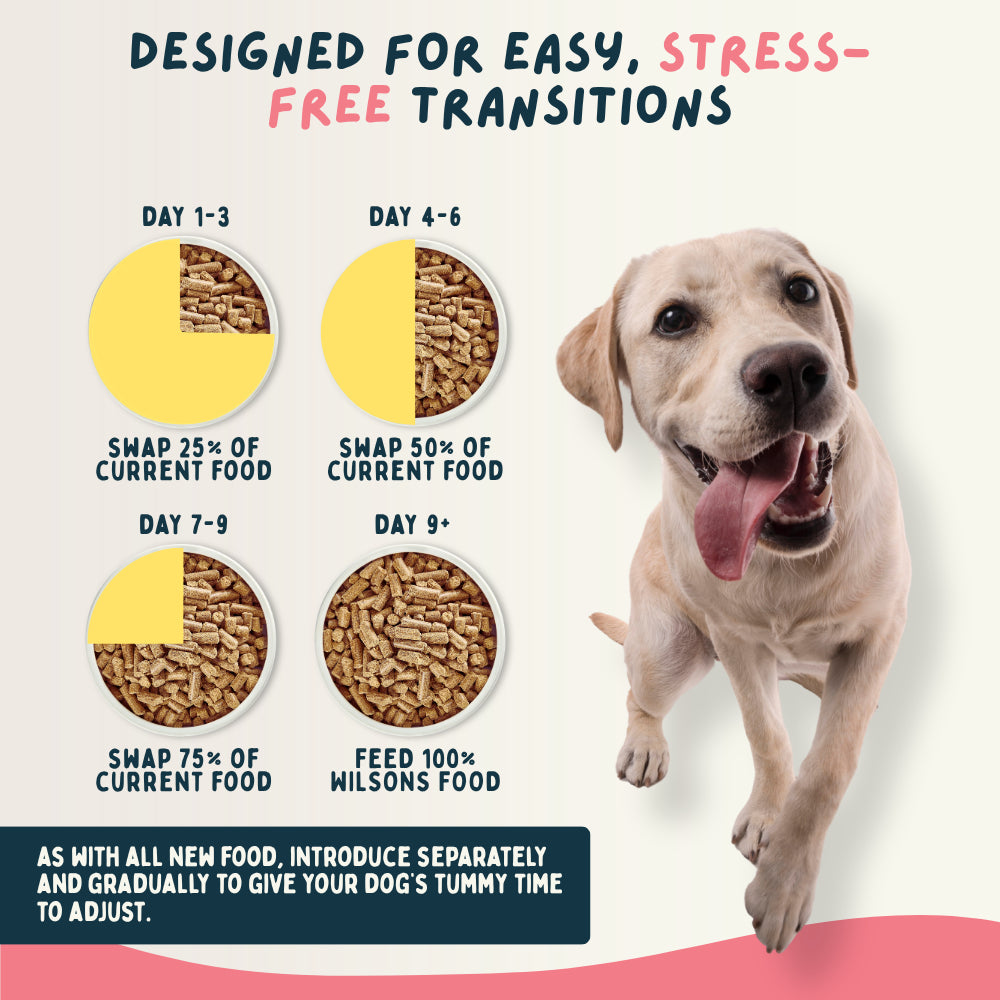
- Introduce one new food at a time.
- Store leftovers in a clean, sealed container.
- Discard food that smells spoiled or has mold.
- Keep toxic foods away from counters and open bags.
Portion size should reflect the dog’s weight, age, health, and activity. Begin with one or two small bites. If the dog remains well for a day, you can offer the food again in a modest amount.
In my experience reviewing feeding plans, the most common mistake is not choosing a toxic food. It is giving too much of a safe food. A plain piece of chicken may be fine, but a whole bowl of chicken can upset digestion and unbalance the diet.
Can Puppies, Senior Dogs, and Sick Dogs Eat the Same Foods?
Life stage and health status affect what food can be given to dogs. A food that suits a healthy adult may not suit a puppy, senior dog, or dog with a medical condition.
Puppies
Puppies need food designed for growth. Extra treats should be tiny and should not replace puppy food.
Avoid making sudden diet changes. Young dogs often have sensitive digestion, and repeated stomach upset can lead to dehydration.
Senior Dogs
Older dogs may need fewer calories but more careful attention to protein, fat, sodium, and dental comfort. Soft foods can help dogs with dental pain, but dental problems require veterinary care.
Dogs With Medical Conditions
Dogs with diabetes, kidney disease, liver disease, pancreatitis, food allergies, or urinary problems may need strict diets. A new treat can affect blood sugar, fat intake, mineral balance, or allergy control.
Ask your veterinarian before adding human food if your dog has a medical condition or takes regular medication. A veterinary nutritionist can help design a safe home cooked diet when needed.
How to Tell If a Food Does Not Agree With Your Dog
Even safe foods can cause problems in individual dogs. Food intolerance is different from food poisoning, but both may cause digestive signs.
Watch for:
- Vomiting
- Diarrhea
- Excess gas
- Itchy skin
- Red ears
- Repeated licking of the paws
- Swelling around the face
- Low energy
- Loss of appetite
Stop the new food if symptoms appear. Give your dog access to fresh water and contact a veterinarian if symptoms are severe, last more than a day, or affect a puppy, senior dog, or dog with a health condition.
Facial swelling, trouble breathing, collapse, repeated vomiting, bloody stool, seizures, or suspected toxin exposure require urgent care. Do not induce vomiting unless a veterinary professional tells you to do so.
A Simple Feeding Plan for Dog Safe Human Foods
A simple plan can make healthy treats easier to manage.
Step 1: Check the Ingredient
Confirm that the food is safe and free from toxic seasonings, sauces, bones, pits, seeds, and sweeteners.
Step 2: Choose a Small Serving
Start with a bite sized amount. Small portions reduce the risk of stomach upset and excess calories.
Step 3: Watch for a Reaction
Observe your dog for the next 24 hours. Look for changes in stool, appetite, skin, energy, and behavior.
Step 4: Track Treats
Write down new foods and approximate amounts. This is helpful if your dog develops symptoms later.
Step 5: Keep the Main Diet Balanced
Use treats for training, enrichment, or bonding. Do not let them replace a complete diet unless a professional creates the meal plan.
A practical example is a few blueberries after a walk, a small carrot piece during training, or a spoonful of plain pumpkin mixed into a regular meal. These simple choices are usually safer than fatty leftovers from the dinner table.
Frequently Asked Questions About What Food Can Be Given to Dogs
What food can be given to dogs every day?
Dogs can usually receive small amounts of plain cooked meat, carrots, green beans, or a few blueberries as daily treats. These foods should stay within the general 10% treat limit and should not replace complete dog food.
Can dogs eat cooked chicken and rice?
Most dogs can eat plain, fully cooked chicken and rice in small portions. This combination is not nutritionally complete for long term feeding, so consult a veterinarian if your dog needs it for more than a short period.
Can dogs eat eggs?
Dogs can eat plain, fully cooked eggs if they tolerate them. Serve eggs without salt, butter, oil, or seasoning, and keep portions small because eggs contain calories and fat.
Are fruits safe for dogs?
Some fruits, including blueberries, apples without seeds, and seedless watermelon, are safe in small pieces. Grapes, raisins, fruit pits, and fruit seeds should be avoided because they can cause serious harm.
Can dogs eat peanut butter?
Dogs can eat a small amount of peanut butter if it contains no xylitol or birch sugar. Choose a plain product without chocolate, added salt, or excessive sugar.
What should I do if my dog eats a toxic food?
Contact a veterinarian or pet poison service immediately and provide the food name, amount, and time of ingestion. Do not wait for symptoms and do not induce vomiting unless a professional gives clear instructions.
Conclusion
The best answer to what food can be given to dogs is simple: offer plain, safe foods in small portions while keeping a complete dog food as the nutritional base. Lean meats, cooked eggs, selected vegetables, safe fruits, and plain grains can make useful treats when prepared correctly.
Avoid chocolate, grapes, raisins, onions, garlic, xylitol, alcohol, yeast dough, macadamia nuts, cooked bones, and rich leftovers. Introduce new foods slowly, monitor your dog, and ask a veterinarian before changing the diet of a puppy or a dog with health problems.
Use this guide to make thoughtful choices, keep portions modest, and build safer treat habits. For more practical pet health advice, explore trusted veterinary resources and share your dog’s favorite safe treat in the comments.

Pet Care Writer & Researcher
Daniel writes practical guides on daily care, feeding, and safety, turning complex topics into simple, actionable advice.