What Is The Most Comfortable Dog Bed: Cozy Guide
Find out what is the most comfortable dog bed for better sleep, joint support, and lasting comfort. Explore expert tips before you buy.
The most comfortable dog bed supports your dog’s body, matches sleeping habits, and uses soft, breathable, durable materials.
Finding what is the most comfortable dog bed is not just about choosing the fluffiest cushion. A good bed should ease pressure on joints, keep your dog at a safe temperature, and give them a secure place to rest. This guide explains the key features, bed types, materials, sizes, and common buying mistakes so you can choose with confidence.
What Is the Most Comfortable Dog Bed?
The most comfortable dog bed is one that supports your dog’s body without creating pressure points. For many dogs, this means a thick memory foam or orthopedic foam mattress with a washable cover. However, comfort depends on your dog’s age, size, health, sleep style, and climate.
A young dog may love a soft, flexible cushion. An older dog with stiff hips may need firm orthopedic support. A nervous dog may rest better in a covered bed with raised sides, while a hot dog may prefer a flat cot with plenty of airflow.
The best answer to what is the most comfortable dog bed is personal. Think of it like choosing a mattress for a person. A soft bed may feel cozy at first, but the right support matters more over time.
Veterinary experts often recommend supportive bedding for senior dogs and dogs with arthritis or other joint problems. A well-made bed cannot cure a health condition, but it may help reduce pressure and make rest easier.

How to Choose the Most Comfortable Dog Bed
Start by watching how your dog sleeps. Their habits often reveal more than a product label.
Use these clues:
• Dogs that stretch out often need a flat mattress with enough length.
• Dogs that curl into a ball may prefer a round bolster bed.
• Dogs that lean against furniture may enjoy raised sides.
• Dogs that burrow may feel safe in a cave-style or covered bed.
• Dogs that overheat may need a cooling mat or elevated cot.
• Dogs that chew may need a simple, durable bed with fewer loose parts.
When deciding what is the most comfortable dog bed, check the bed’s support, size, fabric, and ease of cleaning. A bed can feel soft in a store but lose its shape after a few weeks. Look for dense foam, strong stitching, a non-slip base, and a cover that can go in the washing machine.
The bed should also suit your home. A large bolster bed may be comfortable but hard to fit in a small room. A raised cot may work well in a warm home but feel too cool for a short-haired dog during winter.

Best Dog Bed Types for Comfort
Different dog beds solve different comfort needs. There is no single style that works for every dog.
Orthopedic Dog Beds
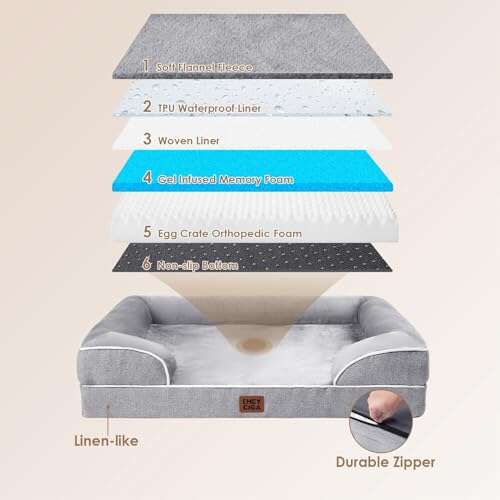
Orthopedic beds are often the best choice for senior dogs, large breeds, and dogs with joint pain. They usually contain memory foam, high-density foam, or a mix of supportive materials.
Memory foam spreads a dog’s weight across the surface. This can reduce pressure on elbows, hips, and shoulders. A firm base also helps prevent the dog from sinking onto the floor.
The most comfortable dog bed for an older dog should have enough foam thickness to support the body. For a large dog, a thin layer of soft filling may flatten quickly. Choose a mattress that keeps its shape when your dog lies down.
Bolster Dog Beds
Bolster beds have raised edges around some or all sides. They are useful for dogs that like to rest their head on a pillow or curl against a wall.
The raised edge can also create a sense of safety. This may help small dogs and nervous dogs relax. Make sure the opening is low enough for puppies, small breeds, and dogs with limited mobility.
Donut Dog Beds
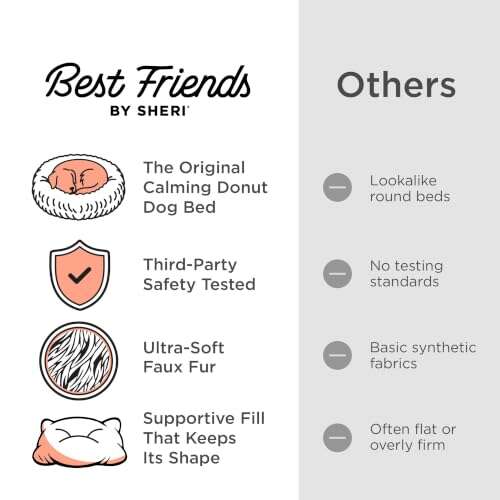
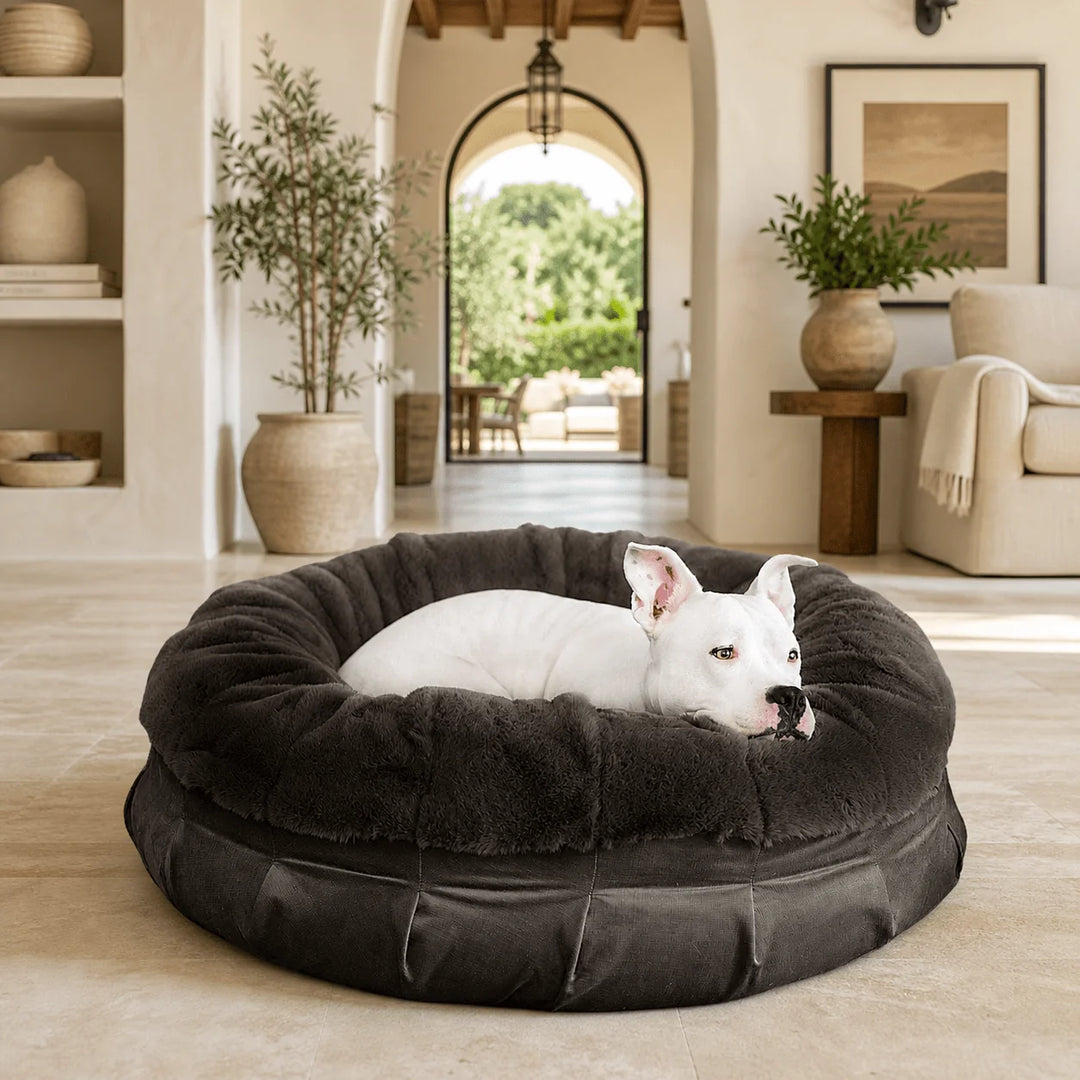
Donut beds have a round shape and a soft rim. They suit dogs that curl tightly when sleeping. The raised outer edge gives the dog something to lean against.
These beds can be very cozy, but they may not provide enough support for large dogs or dogs with joint problems. Check the base thickness before buying one.
Cooling Dog Beds
Cooling beds help dogs that get warm easily. They may use breathable mesh, gel, water-resistant foam, or cooling fabric.
A cooling bed should not feel icy or force your dog to stay in one position. Place it in a shaded area and provide access to fresh water. Dogs with heavy coats may benefit from cooling materials, but overheating can also signal a medical concern.
Elevated Dog Cots
Elevated cots lift a dog off the floor and allow air to move under the body. They are useful outdoors, in warm rooms, and for dogs that prefer a firm surface.
A cot may not be the most comfortable dog bed for a senior dog unless it has a padded surface. Check that the frame is stable and the fabric is tight without sagging too much.
Cave and Covered Beds
Covered beds give dogs a quiet space to hide and rest. They can suit small dogs, anxious dogs, and dogs that like to burrow under blankets.
Avoid covered designs that trap heat or have unsafe cords. The opening should be wide enough for easy entry and exit.
What Materials Make a Dog Bed Comfortable?
Materials affect support, temperature, durability, and skin comfort. The filling matters, but the cover matters too.
Memory Foam
Memory foam molds around the body and can offer strong pressure relief. It is often a good choice for arthritis, hip dysplasia, and senior dogs.
Its main limitation is heat. Some memory foam beds retain warmth, especially in rooms with poor airflow. Look for breathable covers or cooling layers if your dog sleeps hot.
High-Density Foam
High-density foam provides firm, steady support. It may feel less soft than fiber filling, but it usually holds its shape better.
For large dogs, dense foam is often more useful than a very plush bed. Large bodies need support that does not collapse under weight.
Polyester Fiber Filling
Fiber-filled beds are soft and affordable. They can suit puppies, small dogs, and dogs that like to nest.
The filling may flatten over time. If the bed becomes lumpy, it can create uneven support. Shake and reshape it often, and replace it when it no longer supports your dog evenly.
Cotton and Canvas Covers
Cotton feels soft and allows some airflow. Canvas is stronger and may resist scratches better.
Neither fabric is automatically ideal for every dog. Dogs with allergies or sensitive skin may need a smooth, low-irritation cover. Wash new bedding before use if your dog reacts to smells or finishes from manufacturing.
Waterproof Layers
A waterproof liner helps protect foam from urine, drool, and spills. This is important for puppies, senior dogs, and dogs recovering from illness.
A waterproof liner should still allow the bed to breathe. If it makes a crinkling sound or traps heat, your dog may avoid the bed.

How to Get the Right Dog Bed Size
Size is one of the most common reasons a comfortable bed fails. Measure your dog while they are lying in their favorite stretched-out position.
Add about 10 to 12 inches to both the dog’s length and width. This gives them room to turn, stretch, and change position.
Use these general tips:
• Small dogs often need a bed with a sleeping area of about 18 to 24 inches.
• Medium dogs may need about 25 to 36 inches.
• Large dogs often need 37 inches or more.
These measurements are only a starting point. Always compare them with the bed’s inner sleeping space, not just its outer dimensions. A thick bolster can reduce the actual room available.
The most comfortable dog bed lets your dog lie fully on the mattress without hanging over the edge. If your dog switches between curling and stretching, choose the larger size.

The Most Comfortable Dog Bed for Different Dogs
Your dog’s age, health, and behavior should guide your choice.
Puppies
Puppies need beds that are washable, durable, and easy to enter. Avoid beds with loose buttons, exposed zippers, or stuffing that can be pulled out.
A waterproof cover can save time during house training. Choose a bed that is comfortable but not so expensive that replacing it feels difficult if chewing becomes a problem.
Senior Dogs
Senior dogs often benefit from orthopedic foam and a low entry point. A bed that is too high can make getting in and out harder.
Place the bed on a warm, quiet floor away from cold drafts. If your senior dog suddenly avoids the bed or struggles to lie down, contact a veterinarian because pain may be involved.
Large Breeds
Large dogs need strong foam and a wide sleeping surface. A bed that looks thick may still flatten under a heavy dog.
Look for a dense mattress with strong seams and a cover that can handle frequent washing. A central support layer can help prevent the dog from sinking to the floor.
Small Breeds
Small dogs often lose body heat more quickly than large dogs. They may prefer a plush bed with raised sides.
Make sure the bed does not have an opening that is too high. Small dogs should be able to enter and leave without jumping.
Dogs With Anxiety
Anxious dogs may prefer a bed with a rim, hood, or covered design. Put it in a quiet spot where the dog can still see the room.
Do not force a dog into a covered bed. Let them explore it at their own pace and reward calm behavior with praise.
Dogs That Chew
Chewers need tough fabric, simple construction, and close supervision. No fabric dog bed is completely chew-proof.
Remove the bed if your dog tears it open or eats pieces of fabric. Swallowed foam or stuffing can cause a dangerous blockage.

Signs Your Dog’s Bed Is Truly Comfortable
Your dog’s behavior can tell you whether the bed works.
Look for these signs:
• Your dog chooses the bed without being asked.
• They sleep deeply and change positions with ease.
• They get up without stiffness or hesitation.
• The bed keeps its shape after regular use.
• Your dog’s body stays on the mattress while resting.
• They do not scratch, pant, or move away because of heat.
A dog may ignore a new bed for several days. This does not always mean the bed is uncomfortable. It may smell unfamiliar or feel different from the old bed.
Place the new bed near the old sleeping area. Add a familiar blanket, but avoid forcing your dog to use it. Dogs often accept new items faster when they have control.
In practical product testing, one lesson appears again and again: the best-looking bed is not always the best bed. Dogs usually care more about support, warmth, space, and location than color or design.

Common Mistakes to Avoid
Buying the wrong bed can waste money and leave your dog sleeping on the floor.
Avoid these mistakes:
• Choosing a bed based only on softness.
• Buying a size that is too small.
• Ignoring your dog’s weight and joint health.
• Selecting a cover that cannot be washed.
• Forgetting to check the inner sleeping area.
• Placing the bed near heat, noise, or cold drafts.
• Buying a bed with loose parts for a dog that chews.
• Keeping a bed after the foam becomes flat or uneven.
A soft bed is not always supportive. Think of it as a pillow: comfort comes from the right balance of softness and structure.
Also check the care label before buying. A bed that requires special cleaning may become difficult to maintain. Regular washing helps control odor, dirt, dander, and parasites.

How to Keep a Dog Bed Clean and Comfortable
Wash removable covers according to the care instructions. Many covers can be machine washed with mild detergent. Avoid strong fragrances if your dog has sensitive skin or allergies.
Vacuum loose hair before washing. This reduces clogging and helps the fabric last longer.
Inspect the foam and seams every few weeks. Replace the bed if you notice:
• Deep permanent dents
• Torn covers
• Exposed foam
• Mold or a strong odor
• Broken zippers
• A slippery or damaged base
A waterproof liner can extend the life of the foam. Keep a spare cover if possible. This allows your dog to keep using the bed while the other cover is being washed.
Clean the area around the bed too. Dust and hair collect under beds, especially when they sit close to walls or furniture.

How Much Should You Spend on a Comfortable Dog Bed?
Dog bed prices vary widely. A low-cost bed may work well for a puppy or small dog, while a high-quality orthopedic bed may be a better long-term choice for a large or senior dog.
Focus on value rather than the lowest price. A durable bed that lasts several years may cost less than replacing a cheap bed every few months.
Before buying, compare:
• Foam density and thickness
• Cover quality
• Warranty terms
• Washing instructions
• Waterproof protection
• Return policy
• Customer reviews about long-term use
Be careful with claims such as “medical grade” or “orthopedic.” These terms may not follow one universal standard. Look for clear details about materials, dimensions, and support instead of relying on marketing language.
Frequently Asked Questions About What Is the Most Comfortable Dog Bed
What is the most comfortable dog bed for an older dog?
An orthopedic foam bed with a low entry point is often the best choice for an older dog. Look for firm support, a washable cover, and enough room for the dog to stretch.
Is memory foam good for dogs?
Memory foam can help spread body weight and reduce pressure on joints. It may retain heat, so choose a breathable cover or cooling design if your dog sleeps warm.
Should a dog bed be soft or firm?
A dog bed should be soft enough to feel comfortable but firm enough to support the body. Very soft filling may flatten and leave heavier parts of the dog resting on the floor.
How often should a dog bed be replaced?
Replace a dog bed when it becomes flat, lumpy, torn, stained, or difficult to clean. A well-made bed may last several years, but heavy use and chewing can shorten its life.
Do dogs prefer beds with raised sides?
Many dogs enjoy raised sides because they can rest their head and feel surrounded. However, dogs with mobility problems may need a flat bed or a low opening.
Can a cooling bed replace a normal dog bed?
A cooling bed can help during warm weather, but it may not provide enough support for every dog. Many dogs do best with access to both a supportive bed and a cooler resting surface.
Where should I place my dog’s bed?
Place the bed in a quiet area where your dog can rest without being isolated. Keep it away from cold drafts, direct heat, heavy foot traffic, and loud appliances.
Conclusion
The most comfortable dog bed combines proper support, enough space, safe materials, and a design that matches your dog’s habits. Orthopedic foam often suits senior and large dogs, while bolster, cooling, elevated, and covered beds can meet more specific needs.
Watch how your dog sleeps, measure the right size, and choose a cover that is easy to clean. A thoughtful bed can support better rest and make daily life easier for both of you. Use these tips to compare your options, choose with care, and share your dog’s favorite bed style in the comments.

Pet Care Writer & Researcher
Daniel writes practical guides on daily care, feeding, and safety, turning complex topics into simple, actionable advice.