Do Foxes Bark At Night: Reasons And Sounds
Do foxes bark at night? Learn why foxes make barking sounds, what they mean, and when nighttime calls may signal danger or mating.
Yes, foxes can bark at night, though their calls may sound more like screams, yelps, or sharp coughs.
If you have heard a strange bark after dark, a fox may be the reason. This guide explains why foxes vocalize at night, what their sounds mean, how to identify them, and when you should take action. It also separates common fox behavior from signs of illness or danger.
Why Do Foxes Bark at Night?
Foxes bark at night because darkness is their busiest time. Most foxes are crepuscular or nocturnal, which means they are most active around sunset, dawn, and during the night. Their calls help them communicate when they cannot easily see one another.
A fox bark is often short, sharp, and repeated. It may sound like a small dog barking in the distance. Some people describe it as a hoarse “wow-wow” sound, while others hear a cough, yelp, or loud cry.
When people ask, “Do foxes bark at night?” the answer is yes, but barking is only one part of their vocal range. Foxes also use screams, whines, growls, and warning calls.
Foxes may bark to:
- Locate a mate or family member
- Warn another fox to leave
- Defend a den or feeding area
- Signal fear or alarm
- Respond to another fox nearby
- Call young foxes or answer their parents
- Show excitement during mating season
Unlike domestic dogs, foxes do not bark mainly to greet people. Their calls are often linked to territory, breeding, danger, or social contact.
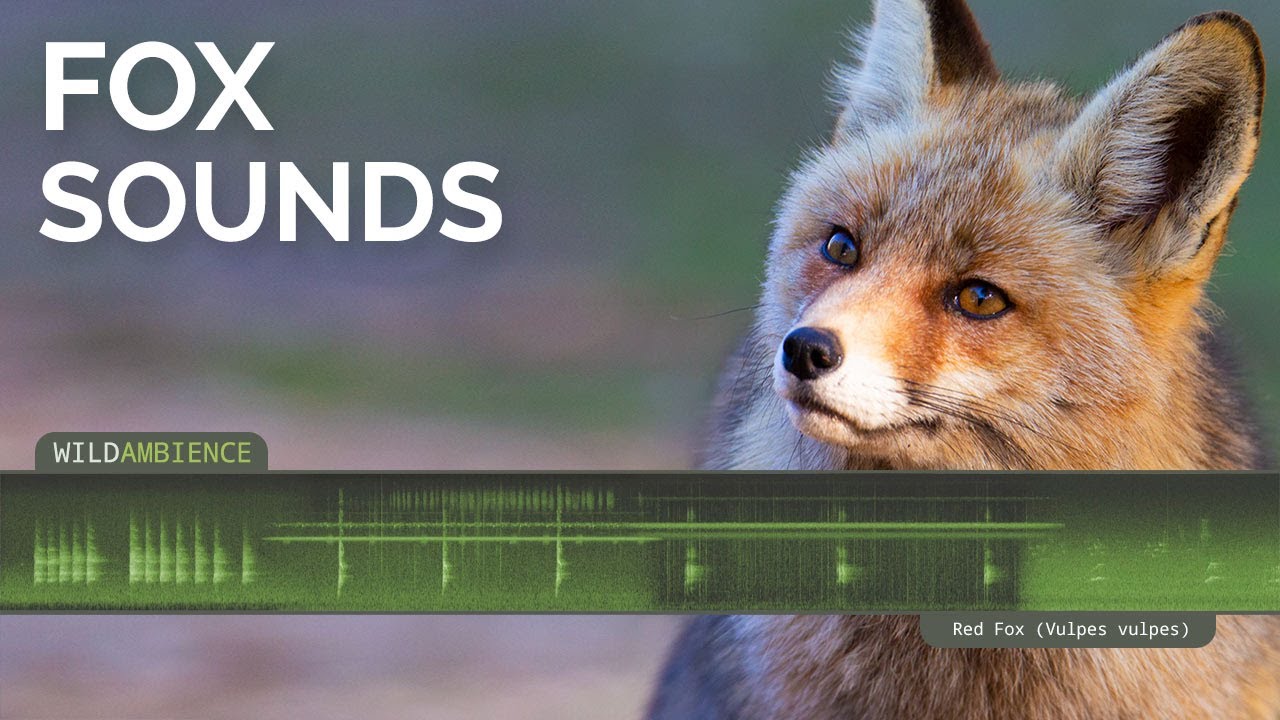
What Does a Fox Bark Sound Like?
A fox bark is usually higher and more sudden than a dog’s bark. It can seem to come from far away, then appear close a few seconds later. This happens because sound travels well at night, especially when traffic and human activity are low.
The most common fox vocalizations include:
- Barking: A short, rough call used for contact or warning
- Screaming: A loud, rising cry often linked with mating or distress
- Yelping: A softer call used by young foxes or nervous adults
- Growling: A threat sound used during conflict
- Whining: A low, pleading sound used between family members
- Chattering: A fast series of small sounds heard during excitement or tension
Fox screams are often mistaken for a person in distress. This is one reason foxes have such a frightening reputation. In most cases, however, the sound is normal animal communication rather than a sign of an attack.
Do foxes bark at night in a way that sounds exactly like a dog? Sometimes. The sound depends on the fox’s age, sex, mood, distance, and the local environment.

Why Are Foxes More Vocal at Night?
Night gives foxes a safer and quieter setting. They can move through yards, fields, parks, and wooded areas with less risk from people and traffic. Their calls also carry farther when the surroundings are calm.
The main reasons foxes bark at night include the following.
Territory and Warning Calls
Foxes live in home ranges that may overlap. They use scent, body language, and sound to manage these areas. A bark may tell another fox that a certain space is occupied.
This does not mean the fox owns every yard it visits. It may simply be passing through while searching for food or checking a familiar route.
Mating Season
Foxes often become more vocal during the breeding season. In many parts of the United States, this occurs from late winter into early spring. The exact timing varies by climate and species.
Red foxes, gray foxes, and other fox species may call to attract a mate or respond to one nearby. Several foxes calling at once can make a quiet neighborhood seem unusually loud.
Young Foxes and Family Contact
Fox kits depend on adults for food and protection. As they grow, they make calls when hungry, excited, frightened, or separated from the family group.
A den with young foxes can be noisy at dusk and during the night. The activity usually decreases as the kits mature and leave the den.
Alarm and Fear
A fox may bark after seeing a dog, cat, person, vehicle, or predator. The bark can act like an alarm bell. It warns other foxes that something unusual is nearby.
A frightened fox may also scream, growl, or run away. Vocal behavior alone does not prove that the animal is aggressive.

Do Foxes Bark Every Night?
No, foxes do not bark every night. They may be silent for long periods, then become vocal for several nights in a row.
Weather, food supply, breeding activity, nearby animals, and human disturbance all affect fox behavior. A fox may bark more often when another fox enters its range or when a dog follows it near a den.
Do foxes bark at night more often in cities and suburbs? They can. Urban and suburban foxes may live close to people, but they still follow natural behavior patterns. Quiet neighborhoods make their calls easier to notice.
You may hear more fox calls when:
- The weather is mild
- The moon is bright
- The area is quiet
- Foxes are mating
- Young foxes are active
- Dogs are outside
- Food waste attracts wildlife
- A new fox enters the area
A sudden increase in calls does not always mean there are many foxes. One animal can sound like several when its call echoes between houses or buildings.

How Can You Tell a Fox Bark From a Dog Bark?
Identifying a night animal by sound takes practice. A recording can help, but distance and echo may change the sound.
Fox barks often have these features:
- They are high pitched
- They sound harsh or raspy
- They come in short bursts
- They may occur at uneven intervals
- They can shift into screams or yelps
- They often come from a wooded edge, field, or empty lot
Dog barks are more varied because dog breeds differ greatly. A dog may bark in a steady pattern from one location. A fox often moves while calling, so the sound may seem to change position.
Other animals can also cause confusion. Coyotes may yip, howl, or bark. Raccoons can make chattering and fighting sounds. Owls may produce sharp calls that seem like cries.
The safest approach is to observe from indoors. Never walk toward a hidden animal at night just to confirm its identity.

Is a Barking Fox Dangerous?
A barking fox is usually not dangerous. It is often focused on finding food, avoiding danger, protecting territory, or communicating with another fox.
Healthy foxes generally avoid people. They may pause and watch from a distance, but they usually run away when given space. Problems are more likely when people feed foxes, leave pet food outside, or allow pets to approach wildlife.
Be more cautious if a fox:
- Walks toward people without fear
- Appears confused or unable to move normally
- Repeatedly circles in a small area
- Shows severe weakness
- Has trouble standing
- Attacks without clear provocation
- Is active in an unusual way during the day
These signs can have many causes, including injury, disease, poisoning, or simple stress. They do not confirm rabies. Still, avoid contact and report concerning behavior to local animal control or wildlife officials.
Never try to capture or treat a sick fox yourself. Keep children and pets indoors until the animal leaves.
What Should You Do If a Fox Barks Near Your Home?
In most cases, you do not need to do anything. A fox that barks at night is usually passing through or communicating with another fox.
Use these practical steps to reduce visits and noise:
- Bring pet food and water bowls indoors at night.
- Secure trash cans with tight lids.
- Remove fallen fruit from the ground.
- Keep bird feeders away from doors and windows.
- Close crawl spaces and openings beneath sheds.
- Keep cats indoors, especially after sunset.
- Supervise small dogs outside.
- Use outdoor lights only when needed.
- Do not feed or approach the fox.
- Contact local wildlife officials if the animal seems sick or trapped.
One common mistake is leaving food outside to “keep the fox away from the house.” This usually has the opposite effect. Food teaches wildlife that the area is safe and rewarding.
Another mistake is chasing the animal. Loud, sudden pursuit can stress the fox and make it run into a road or corner itself. Calmly bring pets inside and allow the fox an escape route.

How to Reduce Fox Noise at Night
You cannot control all wildlife sounds, but you can reduce the reasons foxes visit your yard. The goal is not to punish the fox. It is to make your property less attractive as a food and shelter site.
Try the following measures:
- Store garbage inside a locked shed or garage when possible.
- Clean outdoor grills after use.
- Pick up ripe produce from gardens.
- Repair gaps under decks and porches.
- Remove piles of brush near the home.
- Keep chickens in secure housing from dusk until morning.
- Use motion activated sprinklers if permitted in your area.
- Ask neighbors to avoid feeding wildlife.
Motion devices can work, but foxes may learn that some devices are harmless. Combining several changes is often more effective than relying on one gadget.
If a fox has a den under a structure, do not block the opening while young may be inside. A wildlife professional can help confirm whether the den is active and suggest humane exclusion methods.

Fox Barking at Night by Season
Fox calls can change throughout the year. Knowing the season can help explain what you hear.
Winter
Winter can bring more vocal activity because many fox species breed in late winter. Adults may call while searching for mates or defending access to a mate.
Spring
In spring, adults may be feeding and protecting kits. Young foxes begin exploring near the den and can make high, repeated sounds.
Summer
By summer, kits are more independent. You may still hear foxes, but family calls often sound less intense as young animals learn to hunt and travel.
Fall
Fall brings more movement as young foxes disperse. A fox may pass through new areas while searching for food and a suitable home range.
These patterns are broad, not strict rules. Local species, climate, food sources, and human activity can change the timing.
What Wildlife Experts Say About Fox Vocalizations
Wildlife research shows that fox communication includes both sound and scent marking. Vocal behavior helps foxes maintain contact, warn rivals, attract mates, and respond to danger.
Experts also caution against judging an animal’s health from one sound alone. A bark at night is normal for a fox. A pattern of abnormal movement, loss of fear, or physical weakness is more important when assessing possible danger.
There are also limits to sound identification. Recordings may be distorted by walls, trees, wind, and distance. A call that sounds like a fox may come from a dog, coyote, or another animal.
The most accurate approach combines sound with location, tracks, photographs from a safe distance, and visible behavior. When in doubt, ask a local wildlife agency for guidance.
Frequently Asked Questions About Do Foxes Bark at Night
Do foxes bark at night like dogs?
Yes, foxes can make short, sharp barks that resemble a small dog. Their calls are often higher, harsher, and less regular than typical dog barking.
Why do foxes scream at night?
Foxes may scream during mating season, territorial disputes, fear, or distress. The sound can be alarming, but it does not usually mean a fox is attacking someone.
Do foxes bark at night when they are scared?
They can. A fox may bark, yelp, growl, or scream after noticing a person, dog, predator, or sudden noise.
Are foxes dangerous if they bark near my house?
Usually not. Most foxes avoid people, but you should keep pets away, avoid feeding the animal, and report unusual behavior to local wildlife officials.
How can I stop foxes from barking in my yard?
Remove food sources, secure trash, bring pet bowls indoors, and block access to sheltered spaces after confirming no animals are inside. Do not chase or corner the fox.
Do foxes bark at night more during mating season?
Often, yes. Breeding activity can increase barking, screams, and other calls, especially from late winter into early spring in many U.S. regions.
Can a fox bark during the day?
Yes. Foxes can vocalize at any hour, although nighttime calls are more noticeable because the environment is quieter.
Conclusion
Foxes do bark at night, but the sound is only one part of their complex communication system. They may bark to defend territory, find a mate, contact family members, or warn others about danger. Screams, yelps, and growls are also normal fox sounds.
Most barking foxes are not a threat. Give the animal space, remove food attractants, protect pets, and contact wildlife professionals if the fox appears sick or unusually fearless. The next time you hear a strange bark after dark, listen for the pattern and observe safely from indoors.

Pet Care Writer & Researcher
Daniel writes practical guides on daily care, feeding, and safety, turning complex topics into simple, actionable advice.