Do Dog Beds Keep Dogs Warm: Benefits And Tips
Do dog beds keep dogs warm? Learn how beds retain heat, choose the right materials, and keep your dog cozy during cold weather.
Yes, dog beds can keep dogs warm by reducing heat loss and lifting dogs off cold floors.
The answer to “do dog beds keep dogs warm” depends on the bed, your dog, and the room temperature. A well-made bed adds insulation, supports the body, and helps a dog hold onto natural body heat. However, it cannot replace a warm home, a dry coat, or proper care in very cold weather.
How Do Dog Beds Keep Dogs Warm?
Dog beds help conserve warmth in several simple ways. Think of a bed as a small layer of insulation between your dog and the floor.
Cold floors can draw heat away from a dog’s body. This process is called conductive heat loss. Tile, concrete, and hardwood are especially cold because they pull warmth from the body faster than soft, insulated surfaces.
A dog bed also cushions the body. This reduces the amount of skin and fur pressed against a cold surface. Raised edges may protect the neck and back from drafts, while a covered or hooded design can hold warm air around a small dog.
The best dog beds for warmth usually provide:
• A thick foam or fiber-filled base
• A soft surface that supports the whole body
• A bottom that blocks cold air from the floor
• Raised sides or a hood for dogs that like to curl up
• A washable cover that stays dry and clean
A thin mat may offer comfort, but it may not provide much insulation. This is why the answer to “do dog beds keep dogs warm” is often yes, but only when the bed has enough padding and is used in a suitable room.
What Makes a Dog Bed Warm?
The material, shape, and size of a bed all affect warmth. A warm bed does not need to be expensive, but it should match your dog’s needs.
Bed materials
Memory foam and high-density foam help lift a dog away from the cold floor. They also support older joints and reduce pressure on the hips, shoulders, and spine.
Fleece, sherpa, wool, and plush fabrics feel warm because they trap small pockets of air. Those air pockets act like a light blanket. Still, soft fabric alone is not enough if the bed has little or no filling.
Cotton is breathable and easy to wash, but it may not be the warmest choice in a cold room. Waterproof materials can help keep a bed dry, though some slick covers feel cool against the skin.
Bed shape
Donut beds and bolster beds work well for dogs that curl up. The raised rim gives them something to lean against and can help block drafts.
Cave beds and covered beds may suit small dogs, short-haired dogs, and dogs that enjoy burrowing. Some dogs feel safer in an enclosed bed, while others may avoid it.
Elevated beds allow air to move beneath the dog. They are useful in hot weather, but they may make a dog colder in winter unless you add a warm blanket or insulated pad.
Bed size
A bed should be large enough for your dog to lie down fully, but not so large that body heat spreads out and disappears. A close fit helps a curled dog stay warm.
Measure your dog from the nose to the base of the tail. Add several inches for stretching room. For dogs that sleep in different positions, choose a larger bed with thick padding.
Which Dogs Need Extra Warmth?
Some dogs lose body heat more quickly than others. Their age, size, coat, health, and body condition all matter.
Small dogs often cool down fast because they have more surface area compared with their body weight. Puppies also need care because they may not control body temperature as well as healthy adult dogs.
Senior dogs may feel cold due to reduced muscle mass, arthritis, or a slower metabolism. A warm, supportive bed can help them rest without placing extra strain on sore joints.
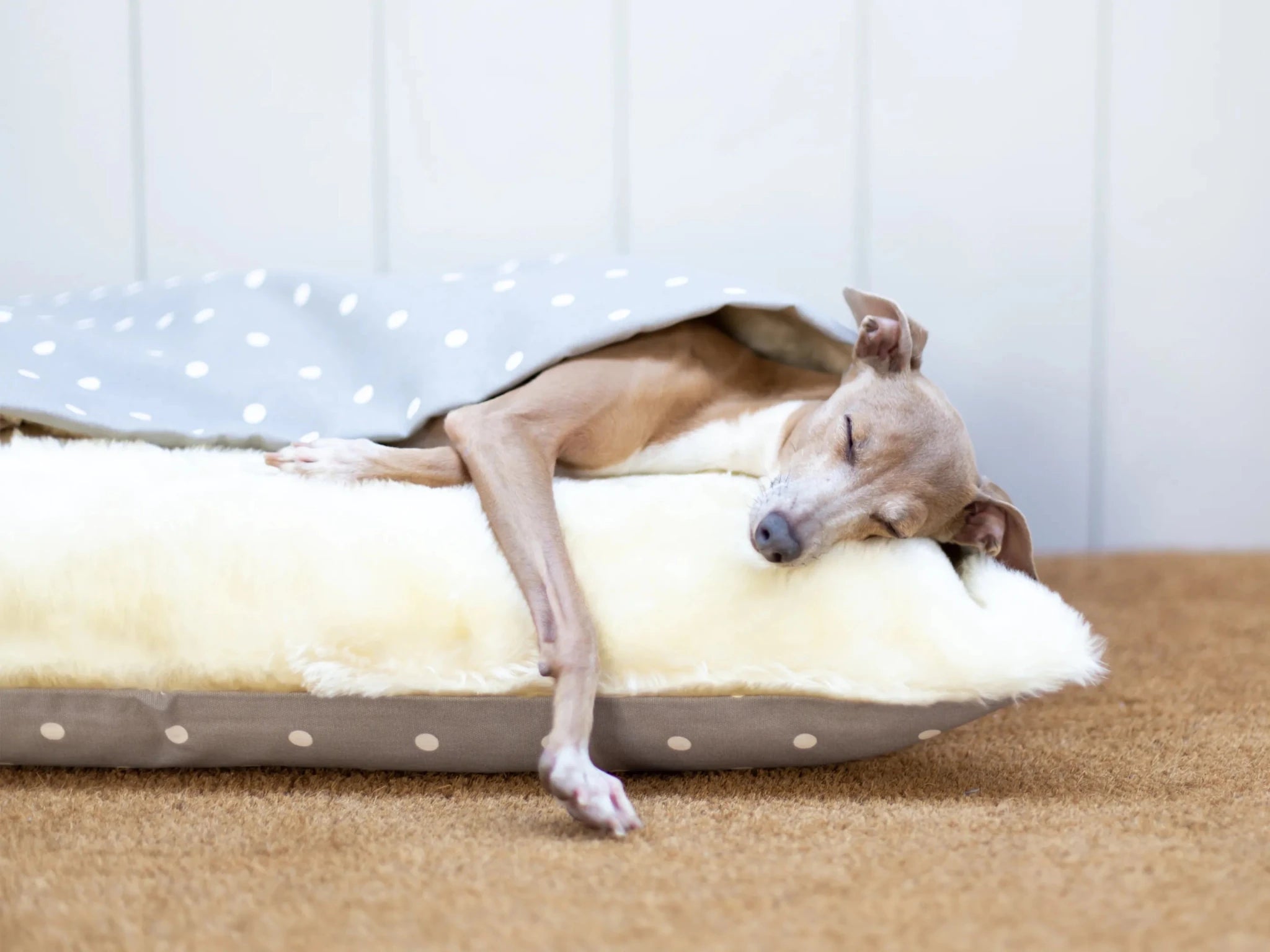
Dogs with short or thin coats may need more insulation than breeds with thick double coats. Greyhounds, Chihuahuas, Dachshunds, and many small terriers often appreciate a warmer sleeping area.
Other dogs that may benefit from extra warmth include:
• Underweight dogs
• Dogs recovering from illness or surgery
• Dogs with arthritis or stiff joints
• Dogs with endocrine or metabolic problems
• Hairless breeds
• Dogs that sleep outdoors or in drafty areas
A healthy, thick-coated dog may not need a very warm bed indoors. Some northern breeds can become too hot in heavily insulated beds. Always watch the individual dog rather than relying only on breed labels.
If your dog suddenly seems cold, tired, weak, or unwilling to move, do not assume the bed is the answer. Illness, pain, low blood sugar, and exposure can all cause similar signs. Contact a veterinarian when behavior changes or symptoms seem unusual.

Do Dog Beds Keep Dogs Warm in Winter?
Do dog beds keep dogs warm in winter? They can, especially when the bed is thick, dry, and placed away from drafts.
A bed works best when it is inside a warm room. Keep it away from doors, windows, vents that blow cold air, and unheated garages. Place it on a rug or carpet if the floor is very cold.
You can improve warmth by adding a washable blanket. Let your dog choose whether to lie under it. Never wrap a dog tightly or cover the face, because the dog needs to move away if it becomes too warm.
For outdoor dogs, a regular indoor bed may not be enough. Outdoor housing should be dry, protected from wind and rain, and raised off the ground. Use bedding that stays dry and does not pack down easily. Wet blankets can make a dog colder.
In very cold weather, bring dogs indoors whenever possible. Hypothermia and frostbite can happen even to dogs with thick coats. A bed provides insulation, but it does not make unsafe temperatures safe.
Do Dog Beds Keep Dogs Warm at Night?
Do dog beds keep dogs warm at night? Yes, but nighttime warmth depends on the room, the bed, and the dog’s health.
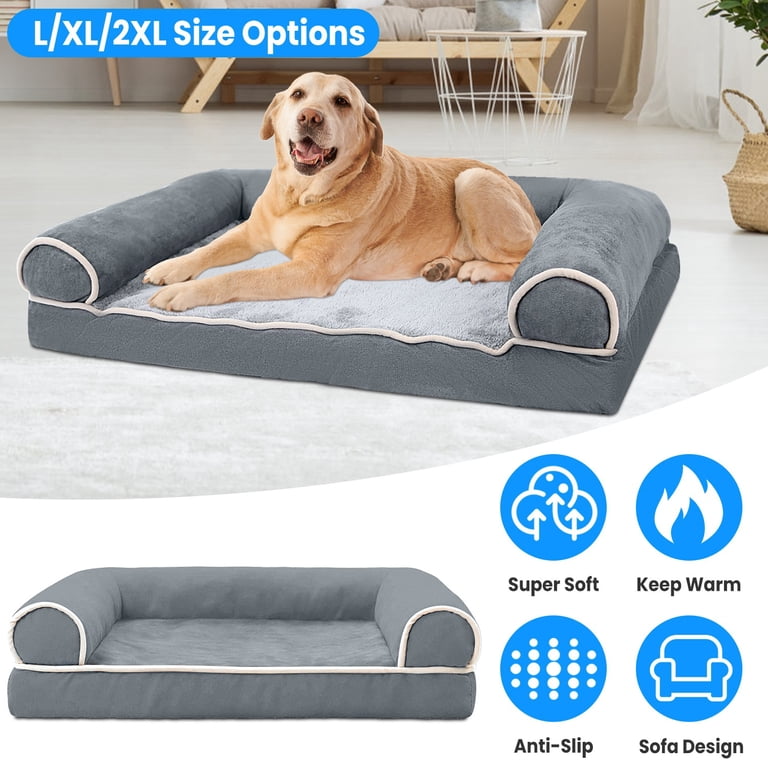
Most dogs sleep comfortably in a room that feels comfortable to people. A thick bed can help a dog maintain warmth without turning up the heat. Senior dogs and small dogs may need a warmer sleeping spot than a large, healthy adult dog.
Watch your dog’s sleeping behavior. Curling tightly, shivering, repeatedly changing spots, or seeking blankets may suggest the dog feels cold. Panting, stretching away from the bed, or avoiding the bed may suggest it is too warm.
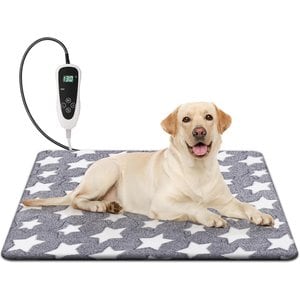
Avoid placing a dog bed directly beside a space heater, radiator, fireplace, or heating vent. Direct heat can cause burns, dry skin, overheating, or fire. Heated pet beds must be designed for animals and used exactly as instructed.
Do not use an electric blanket made for people unless a veterinarian specifically recommends it and the product is clearly safe for pets. Dogs may chew cords, damage heating elements, or fail to move away from excessive heat.

How to Choose a Warm Dog Bed
Choosing a warm bed starts with your dog’s habits. A bed that looks cozy to you may not suit your dog.
Use these steps:
-
Check the room temperature and floor type. Cold tile or concrete calls for more insulation.
-
Consider your dog’s coat, size, age, and health.
-
Select enough padding for full-body support.
-
Choose a shape that matches your dog’s sleep style.
-
Look for a non-slip, water-resistant bottom.
-
Pick a removable, washable cover.
-
Check the seams, stuffing, and zipper for strength.
-
Avoid beds that shed loose fibers or contain easy-to-swallow parts.
A dog that curls into a ball may prefer a round bolster bed. A dog that stretches out may need a flat mattress. A nervous dog may relax more in a covered bed, while a dog that runs warm may prefer an open design.