How To Stop Dogs From Tearing Up Dog Beds: Easy Fixes
Learn how to stop dogs from tearing up dog beds with simple training tips, durable bed choices, and proven ways to prevent destructive chewing.
Use better bed materials, meet your dog’s needs, and teach calm chewing habits with close supervision.
Learning how to stop dogs from tearing up dog beds takes more than buying a tougher bed. Bed destruction can come from boredom, stress, teething, excess energy, poor sleep habits, or a simple love of ripping soft fabric. With the right mix of training, exercise, supervision, and smart bed choices, most dogs can learn to rest without turning their bed into a pile of fluff.
Why Dogs Tear Up Their Beds
Before you try to stop a dog from destroying a bed, look at the reason behind the behavior. Dogs rarely chew bedding without a cause. The torn bed is often a clue, not the true problem.
Common reasons include:
• Boredom: A soft bed can become a fun toy when a dog lacks mental stimulation.
• Excess energy: Active dogs may dig, bite, and shake their beds after too little exercise.
• Teething: Puppies often chew to ease sore gums as adult teeth grow in.
• Natural nesting: Digging and circling are normal instincts. Some dogs simply take them too far.
• Separation stress: A dog may destroy bedding after being left alone, especially near doors or windows.
• Anxiety: Chewing can help some dogs cope with fear or tension.
• Attention seeking: If bed destruction brings a big reaction, a dog may repeat it.
• Poor bed fit: A hot, stiff, small, or uncomfortable bed may encourage scratching and chewing.
Watch when the damage happens. If it occurs only when your dog is alone, separation-related stress may be involved. If it happens after a long nap or during play, your dog may view the bed as a toy.
Understanding the pattern is the first step in learning how to stop dogs from tearing up dog beds. Treating the cause works better than replacing the bed again and again.

Rule Out Health and Stress Problems
A sudden change in chewing deserves attention. If your adult dog has never damaged bedding but starts doing so, pain, stress, or a health problem may be involved.
Dental pain, stomach discomfort, skin irritation, and anxiety can change a dog’s behavior. Dogs may also chew strange objects when they have a condition called pica. Pica involves eating nonfood items and can lead to serious intestinal blockages.
Contact your veterinarian if your dog:
• Swallows pieces of fabric, foam, or stuffing
• Vomits, stops eating, or seems weak
• Has a swollen or painful belly
• Strains to pass stool
• Chews beds suddenly and intensely
• Shows signs of fear when left alone
• Damages doors, crates, or walls as well as bedding
A veterinary check is especially important when bed destruction comes with weight loss, excess thirst, diarrhea, or changes in sleep. Behavior training cannot fix a medical problem by itself.
For ongoing anxiety, ask your veterinarian about a qualified veterinary behaviorist or certified dog trainer. Medication may help some dogs, but it should support a full behavior plan rather than replace one.

Build a Simple Plan to Stop Bed Destruction
The most effective approach combines prevention and training. Do not wait for your dog to chew the bed and then react. Set up the environment so your dog can succeed.
Use this step-by-step plan:
- Remove the bed when you cannot supervise
If your dog destroys bedding when alone, do not leave an expensive bed in the room yet. Offer a safe resting area with a washable mat or no bed for a short time, if your veterinarian agrees.
- Provide a legal chewing option
Give your dog safe chew toys that match the dog’s size and chewing style. Rotate several options so they stay interesting.
- Reward calm behavior
When your dog lies on the bed without biting it, quietly offer praise or a small treat. This teaches that resting brings good results.
- Interrupt early
If your dog begins digging or chewing, calmly guide the dog to a chew toy. Avoid shouting or chasing, which can turn the moment into an exciting game.
- Practice short sessions
Start with one to five minutes of calm bed time. Slowly increase the duration as your dog improves.
- Remove temptation again when needed
If the bed is damaged, return to a simpler setup. Progress is not always smooth. A short step back can prevent a larger setback.
This plan helps stop dogs from tearing up dog beds because it changes the habit before it becomes automatic. Think of it like teaching a child to use crayons on paper instead of the wall. Redirection works best when the right choice is easy and rewarding.
Choose a Dog Bed That Can Handle Chewing
No dog bed is truly indestructible. The word “indestructible” often describes marketing, not a guarantee. A powerful chewer may damage even thick fabric, so bed selection should support training rather than replace it.
Look for these features:
• Tight, durable fabric with strong seams
• Few loose edges or exposed zippers
• A flat design with less stuffing
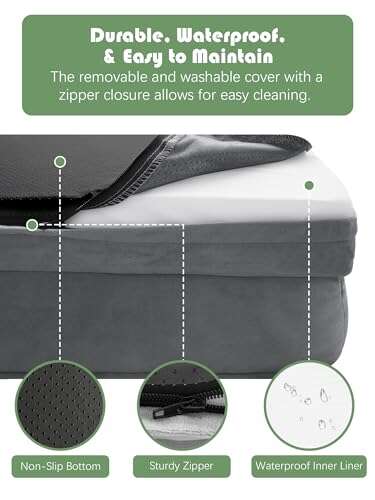
• A removable, washable cover
• A firm surface that does not invite tearing
• Materials that do not splinter or shed dangerous pieces
Elevated cot-style beds can work well for some dogs because they have a stretched surface and little loose fabric. However, inspect the frame and mesh often. A determined chewer may still damage the corners.
For puppies and heavy chewers, a simple crate mat or flat kennel pad may be safer than a thick pillow bed. Some owners use a bare crate for a short period, but the space must remain comfortable, safe, and suitable for the individual dog.
Avoid beds with exposed foam if your dog tears and eats fabric. Foam can cause choking or an intestinal blockage. Replace any bed with ripped seams, loose stuffing, broken zippers, or sharp parts.
Choosing the right bed is one part of how to stop dogs from tearing up dog beds. The safest bed is the one your dog can use without access to dangerous pieces.
Meet Your Dog’s Exercise and Enrichment Needs
A tired dog is not always a calm dog, but a dog with healthy outlets is less likely to invent a job such as destroying bedding. Daily physical activity and mental work can reduce boredom and restlessness.
Match activity to your dog’s age, breed, health, and fitness level. A young herding dog may need training games and scent work, not only a short walk. An older dog may benefit from gentle walks, food puzzles, and sniffing time.
Try these activities:
• A brisk walk with time to sniff
• Short obedience sessions
• Treat puzzles and food-stuffed toys
• Hide-and-seek with treats
• Scent games around the home
• Fetch on a safe surface
• Controlled tug with clear release rules
• Rotating chew toys
Mental exercise can be just as useful as running. Five minutes of focused training may leave a dog more settled than a long walk with no chance to think.
Avoid using intense exercise right before bed if it makes your dog more excited. Give your dog time to cool down, drink water, and settle. A predictable routine can help the body and mind shift from activity to rest.
Many cases of how to stop dogs from tearing up dog beds improve once the dog has enough safe work to do during the day.

Teach “Leave It” and “Go to Bed”
Training gives your dog a clear answer when the urge to chew appears. Two useful skills are “leave it” and “go to bed.”
To teach “leave it”:
-
Hold a treat in a closed hand.
-
Let your dog sniff without opening your hand.
-
Wait for your dog to move away.
-
Mark the calm choice with praise.
-
Give a different treat from your other hand.
-
Add the words “leave it” once your dog understands the game.
Practice with low-value items first. Do not begin with the dog’s favorite toy or a tempting piece of bedding.
To teach “go to bed,” place a treat on the bed. When your dog steps onto it, praise and reward. Then reward lying down, relaxing, and staying there for a few seconds. Increase time slowly.
Keep your voice calm. Bed training should feel like an invitation, not a punishment. Never send a dog to the bed as a harsh time-out, or the bed may become linked with fear.
A useful routine is to offer a chew toy on the bed, reward quiet chewing, and then reward the dog again when the toy is finished. This helps stop dogs from tearing up dog beds by replacing destructive chewing with an approved activity.
Manage the Home When Your Dog Is Alone
Supervision is one of the strongest tools in behavior training. If your dog keeps practicing bed destruction, the habit becomes more rewarding and harder to change.
Before leaving home, give your dog:
• A safe area free from loose fabric
• Fresh water
• A suitable chew or food puzzle
• A toilet break
• A calm period after exercise
Use a pet camera if you are unsure what happens after you leave. Look for pacing, barking, drooling, scratching at doors, or repeated attempts to escape. These signs may point to separation anxiety rather than simple boredom.
If your dog panics when alone, avoid punishment. Destruction caused by panic is not spite. The dog may be trying to cope with intense distress. A gradual departure plan, professional behavior help, and veterinary guidance may be needed.
Crate training can help some dogs, but a crate is not a cure for separation anxiety. Never crate a dog for long periods without enough exercise, interaction, and bathroom breaks. The crate must be a safe rest space, not a place of forced confinement.
Management does not mean giving up. It prevents rehearsal while your dog learns better habits.

Use Safe Chews and Redirect Calmly
Dogs need to chew. The goal is not to remove chewing from their lives. The goal is to guide chewing toward safe items.
Select chews based on your dog’s size, age, dental health, and chewing strength. Supervise new chews at first. Take them away if they become small enough to swallow or if pieces break off.
Be careful with very hard items. Bones, antlers, and extremely hard nylon products may fracture teeth in some dogs. A simple rule is that a chew should not be harder than what your fingernail can mark, although even this is not a perfect safety test.
When you see bed chewing:
-
Stay calm.
-
Call your dog away without yelling.
-
Offer a safe chew.
-
Praise the dog for taking it.
-
Reward quiet behavior near the bed.
Do not wrestle the bed away unless there is immediate danger. Pulling can make the fabric more exciting and may encourage guarding. If your dog guards objects, seek help from a qualified professional instead of reaching into the dog’s mouth.
The aim is to make the approved chew more rewarding than the bed. Repetition builds a new habit.
Avoid Common Mistakes
Some reactions make bed destruction worse. They are understandable, especially after finding stuffing across the living room, but they do not teach the behavior you want.
Avoid these mistakes:
• Punishing your dog after the damage is done: Dogs may not connect delayed punishment with the earlier action.
• Yelling or chasing: This can add excitement or fear.
• Giving an old bed as a toy: Your dog may not understand why one bed is allowed and another is not.
• Buying new beds without changing the routine: A new bed does not solve boredom or anxiety.
• Leaving a powerful chewer alone with soft bedding: Prevention is safer than hoping for the best.
• Using bitter sprays without checking the label: Some products can irritate the mouth or may be unsafe if swallowed.
• Giving too many treats: Rewards should fit into your dog’s daily food plan.
• Expecting instant results: Habit change takes repeated practice.
A calm response is not permissive. It is strategic. You are teaching your dog what to do next, not simply showing anger about what already happened.
Know When to Get Professional Help
Professional support is wise when bed destruction is severe, sudden, or linked to fear. It is also important when your dog eats bedding, injures the mouth, breaks teeth, or damages the home during absences.
Look for a certified professional who uses reward-based methods. Ask about qualifications, experience with destructive chewing, and how the plan will protect your dog’s welfare.
A good behavior plan may include:
• A medical examination
• A written daily routine
• Gradual alone-time training
• Environmental changes
• Reward-based skills
• Safe enrichment
• Progress tracking
Keep a simple log for two weeks. Note the time of bed damage, what happened before it, how long your dog was alone, exercise levels, and any signs of stress. Patterns often become clear when written down.
There are limits to any general guide. A puppy teething, an adolescent dog with excess energy, and an adult dog with separation anxiety may all tear beds but need different plans. Individual assessment matters.
Frequently Asked Questions About How to Stop Dogs From Tearing Up Dog Beds
Why does my dog keep tearing up the bed?
Dogs may tear beds because of boredom, excess energy, teething, nesting instincts, discomfort, or anxiety. Watch when the behavior happens to identify the likely cause before choosing a solution.
Should I punish my dog for destroying the bed?
No. Punishment after the damage is finished usually does not teach the correct behavior and may increase fear. Calmly manage access, redirect chewing, and reward your dog for resting peacefully.
What is the best dog bed for a destructive chewer?
A flat, durable bed with tight seams and little loose stuffing is often a safer choice. An elevated cot or simple crate mat may work better than a thick pillow bed, but every bed still needs regular inspection.
Will more exercise stop my dog from destroying the bed?
More exercise may help when excess energy or boredom is the cause, but it may not solve anxiety or medical problems. Combine suitable activity with training, enrichment, supervision, and veterinary advice when needed.
Can I leave my dog alone with a new bed?
Only if your dog has shown that the bed is safe to use. Start with short, supervised sessions and remove the bed when you cannot watch your dog until the habit is reliable.
Is bed destruction a sign of separation anxiety?
It can be, especially when destruction occurs only during absences and comes with barking, pacing, drooling, escape attempts, or house soiling. A veterinarian or qualified behavior professional can help confirm the cause.
How long does it take to stop a dog from destroying beds?
Some dogs improve within days when the cause is simple boredom and the routine changes. Others need several weeks or longer, especially when chewing is linked to anxiety, teething, or a long-standing habit.
Conclusion
The best way to stop dogs from tearing up dog beds is to understand the cause, prevent unsafe chewing, provide suitable outlets, and reward calm rest. Choose a bed that matches your dog’s chewing style, but remember that training and management matter more than any product claim.
Start with one small change today: add a safe chew, increase mental enrichment, or practice a short “go to bed” session. Track your dog’s progress, stay patient, and seek veterinary or professional behavior help if the chewing is sudden, severe, or linked to distress. Share your experience with other dog owners or explore more reward-based training resources to keep building a calmer home.

Pet Care Writer & Researcher
Daniel writes practical guides on daily care, feeding, and safety, turning complex topics into simple, actionable advice.