Does My Dog Need An Orthopedic Bed: Signs And Benefits
Does my dog need an orthopedic bed? Learn the benefits, warning signs, and how to choose the right supportive bed for comfort and joint health.
Many dogs benefit from an orthopedic bed, especially seniors, large breeds, and dogs with joint pain.
If you have wondered, “does my dog need an orthopedic bed?” the answer depends on age, health, size, sleep habits, and comfort. As a pet care writer, I know that the right bed cannot cure arthritis or replace veterinary care, but it can support sore joints, cushion pressure points, and help a dog rest more easily. This guide explains how orthopedic beds work, who benefits most, what to look for, and when a regular bed may be enough.
What Is an Orthopedic Dog Bed?
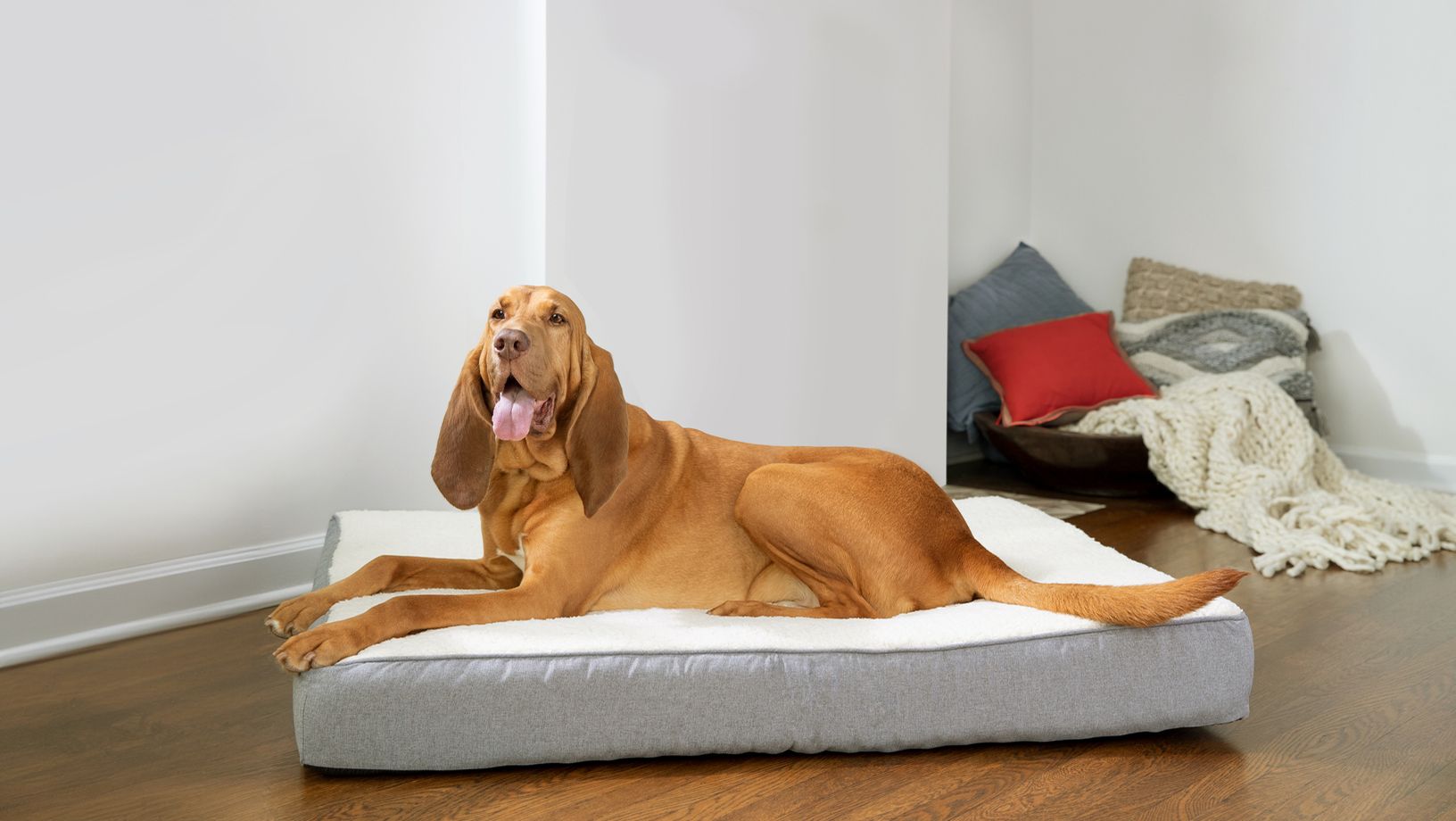
An orthopedic dog bed is designed to support a dog’s bones, joints, and muscles. Most use high-density memory foam, solid foam, or a layered filling that spreads body weight more evenly than loose fiber stuffing.
A standard plush bed may feel soft at first. However, it can flatten under a heavy dog. When that happens, your dog may end up sleeping on the floor with little support between the body and the ground.
A quality orthopedic bed usually has these features:
• A firm, supportive base that resists flattening
• Memory foam or high-density foam that cushions pressure points
• A low step-in edge for dogs with weak legs
• A washable, removable cover
• Enough space for the dog to stretch out fully
• A nonslip bottom for safer movement
The goal is not to create the softest bed possible. The goal is to give your dog a stable sleep surface that supports the body without creating pressure.

Does My Dog Need an Orthopedic Bed?
Does my dog need an orthopedic bed? Not every dog does, but many dogs can benefit from one. A healthy puppy may sleep well on a standard bed, while an older dog with stiff hips may need more support.
Consider an orthopedic bed if your dog:
• Is a senior or mature adult
• Has arthritis, hip dysplasia, elbow dysplasia, or another joint condition
• Has recovered from surgery or an injury
• Is a large or giant breed
• Is overweight or carries a lot of body weight
• Has thin fur or little natural padding
• Struggles to stand after resting
• Sleeps on hard floors despite having another bed
• Changes position often during sleep
• Shows stiffness after naps
Dogs with pain may not cry or limp. Some simply become less active, avoid stairs, take longer to rise, or stop jumping onto furniture. A supportive bed may improve comfort, but these signs also deserve a veterinary check.
If you still ask, does my dog need an orthopedic bed, watch how your dog gets into bed and gets up. A dog that hesitates, circles for a long time, or chooses a rug over a soft cushion may be asking for a better sleep surface.

Which Dogs Benefit Most From an Orthopedic Bed?
Senior dogs
Aging dogs often develop joint stiffness and muscle loss. Their bodies may need more support during long sleep periods. An orthopedic bed can reduce pressure on the hips, shoulders, elbows, and spine.
A senior dog may also have slower reflexes and less balance. A low-entry bed is safer than a tall, soft-sided bed that requires climbing.
Large and giant breeds
Large dogs place more force on a bed. Cheap filling can compress quickly under breeds such as Great Danes, Mastiffs, Labrador Retrievers, German Shepherds, and Rottweilers.
For these dogs, a thick foam core can help prevent the body from sinking to the floor. The bed should also be wide enough for the dog to lie on the side with legs extended.
Dogs with arthritis or joint disease
Arthritis is common in older dogs, but it can affect younger dogs too. Dogs with joint pain may benefit from warmth, cushioning, and a surface that makes it easier to rise.
An orthopedic bed does not treat arthritis. Your veterinarian may also recommend weight control, exercise changes, medication, physical therapy, or other care.
Dogs recovering from surgery
After surgery, dogs may need a clean, stable, easy-to-enter bed. A supportive surface can help limit awkward movement, but follow your veterinarian’s instructions first.
Avoid beds with deep gaps, loose threads, or excess stuffing. These can trap a recovering dog or tempt them to chew.
Lean dogs and short-haired dogs
Thin dogs have less natural padding over bony areas. Short-haired breeds may also feel cold more easily, especially when sleeping on tile or hardwood floors.
A supportive bed with a warm, washable cover can help protect the elbows, hips, and shoulders from hard surfaces.
Health Benefits of an Orthopedic Bed
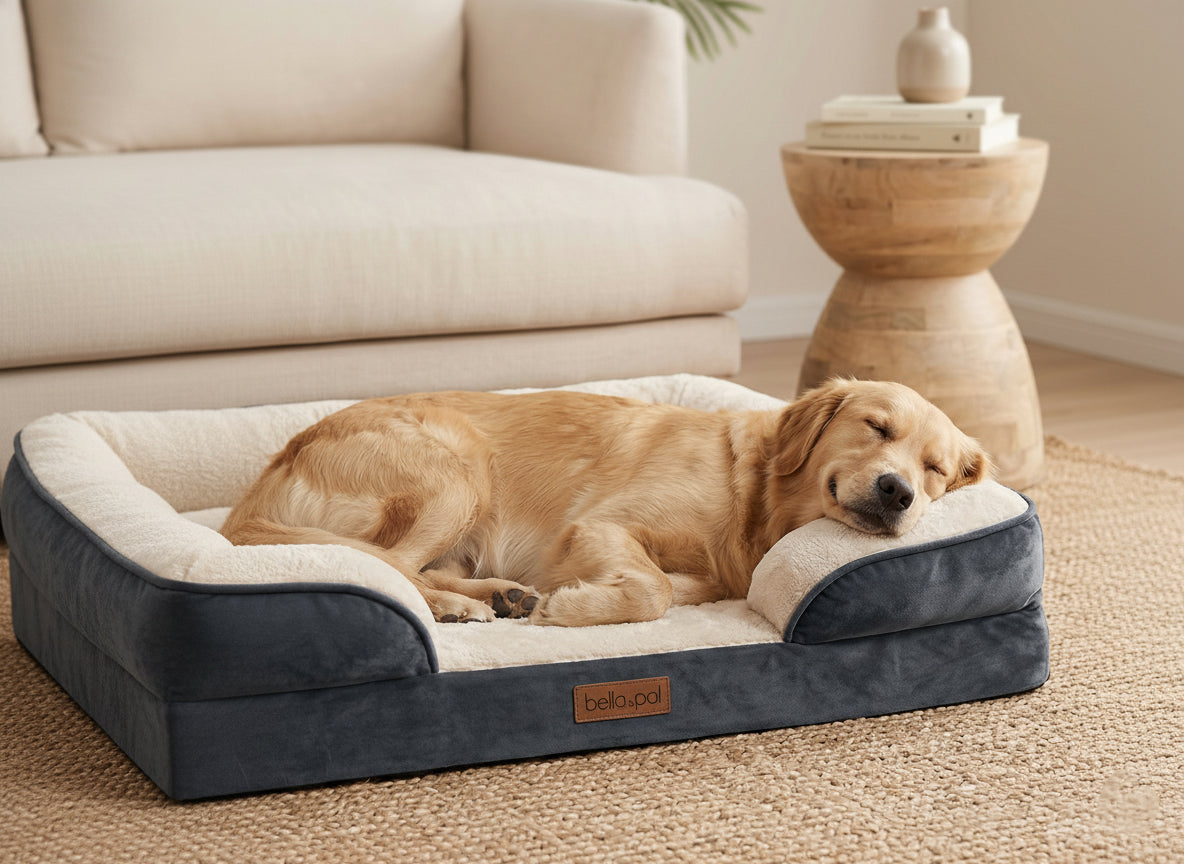
A good orthopedic bed may offer several comfort benefits. Research on canine arthritis supports the value of environmental changes, weight management, controlled activity, and comfortable resting areas. Still, the bed is one part of a larger care plan.
Potential benefits include:
• Less pressure on joints and bony areas
• Easier movement when getting up
• Better support for the spine and hips
• Fewer pressure sores in dogs that lie down for long periods
• More stable sleep
• Better warmth during cold weather
• A safer resting area after exercise or treatment
• Less need to sleep on cold, hard floors
Think of the bed as a shock-absorbing mat for your dog’s body. It does not repair damaged joints, but it may make daily rest less demanding.
Some dogs also sleep better because they feel secure. A bed placed in a quiet area can reduce disturbances and help a nervous dog relax.
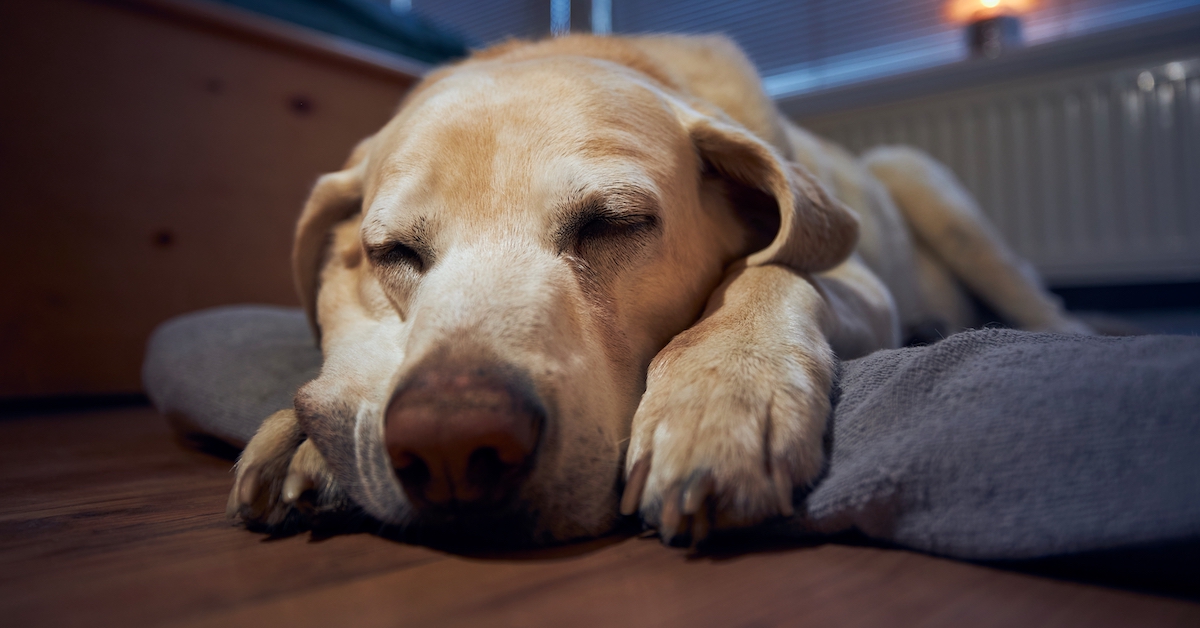
How to Choose the Best Orthopedic Dog Bed
Choose the right size
Measure your dog while they are lying fully stretched out. Add several inches to the length and width. If your dog curls up most of the time, they still need room to change position.
A bed that is too small can force the spine into an awkward shape. A bed that is too large may feel less secure to a small dog.
Check the foam quality
Look for a dense foam core rather than a thin layer of memory foam over soft stuffing. Product labels do not always provide full density details, so inspect the return policy and warranty.
The bed should compress slightly under your hand but should not collapse easily. For a large dog, a thicker base is usually more useful than a very soft top layer.
Consider entry height
A low front edge helps dogs with arthritis, weakness, vision loss, or balance problems. Bolster sides can support the head, but the front should not require a high step.
If your dog has severe mobility issues, measure the step-in height before buying.
Look for a washable cover
Accidents, muddy paws, shedding, and drool are part of dog ownership. A removable cover that can go in the washing machine makes daily care easier.
For incontinent dogs, add a waterproof liner beneath the cover. Avoid covers that trap heat if your dog already sleeps hot.
Pick a stable base
A nonslip bottom helps the bed stay in place. Sliding can cause falls, especially when an older dog stands up.
Place the bed away from stairs and in a draft-free area. Many dogs enjoy having one bed near the family and another in a quiet sleeping spot.
Match the bed to the season
Cooling orthopedic beds may suit dogs that overheat. In winter, a soft fleece cover or warm location may be better. Do not use unsafe heating pads without veterinary guidance, since burns can occur.
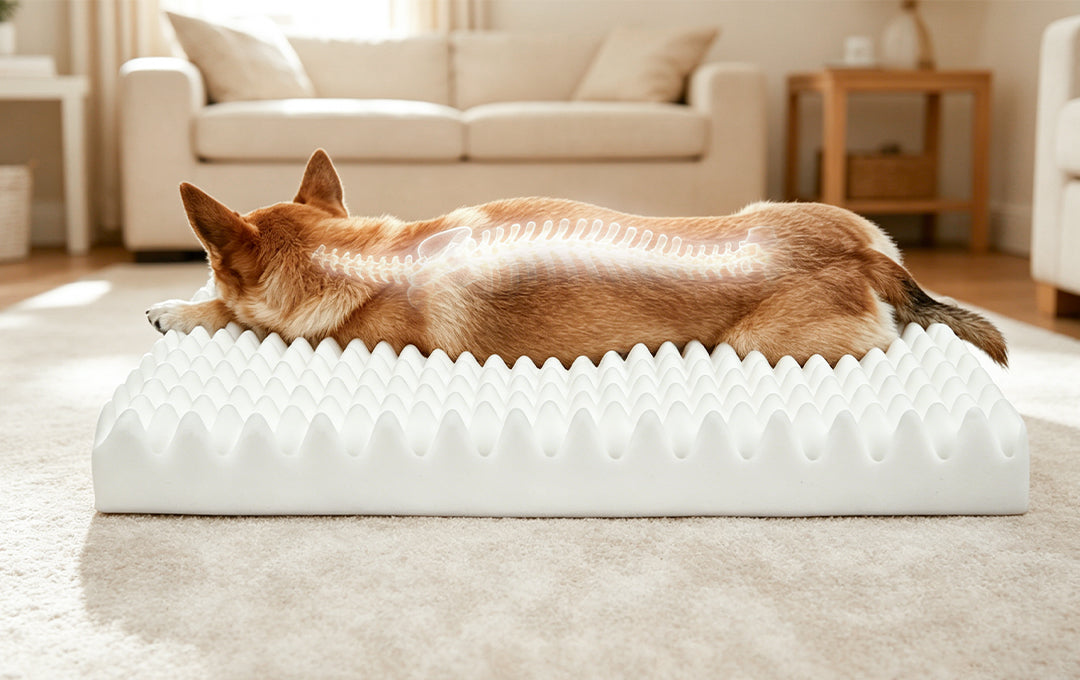
Orthopedic Foam Versus Regular Dog Beds
Regular dog beds can work well for puppies, healthy adult dogs, and dogs that prefer a thin sleeping mat. They are often less expensive and easier to move.
Orthopedic foam is usually better for dogs that need pressure relief or extra support. It tends to keep its shape longer, although quality varies widely.
A regular bed may be enough when:
• Your dog is young and moves easily
• Your dog has no pain or stiffness
• The bed does not flatten under their weight
• Your dog sleeps comfortably through the night
• Your dog can rise and lie down without hesitation
Does my dog need an orthopedic bed if they already seem comfortable? Not always. Comfort is the key test, but remember that dogs can hide pain. Watch for small changes in movement and behavior over time.
Some dogs dislike memory foam at first. If your dog avoids the new bed, place it near the old one and add a familiar blanket. Give them time to explore it without forcing them to use it.

Common Mistakes to Avoid
Many owners focus only on softness. A very soft bed may feel pleasant but can offer poor support. Your dog should not sink so deeply that standing becomes difficult.
Other mistakes include:
• Buying a bed that is too small
• Choosing a tall edge for a dog with weak legs
• Ignoring the bed’s bottom, which may slide
• Buying foam that flattens quickly
• Placing the bed in a cold or busy area
• Using a damaged bed with exposed foam
• Failing to wash the cover
• Expecting the bed to cure pain
I have seen owners replace a worn bed several times because the filling kept flattening. A firmer foam base often costs more at first but may provide better value over time. The best bed is not always the thickest or most expensive one; it is the one that supports your dog and fits their habits.
If your dog chews foam, choose a durable cover and supervise use. Ingested foam or fabric can cause a serious intestinal blockage.
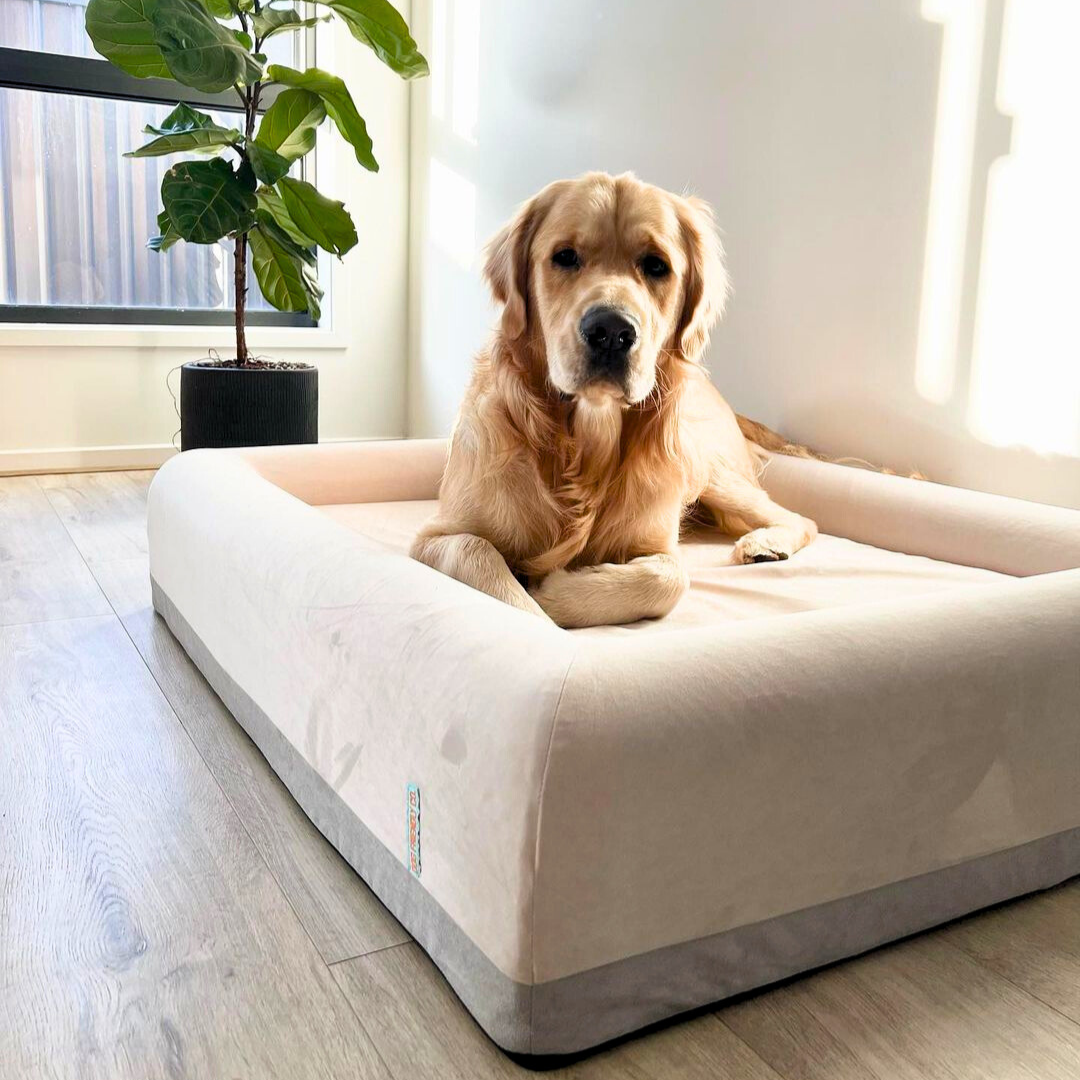
Signs the Bed Is Helping
A useful bed should make daily rest easier. Look for small, practical changes rather than expecting a dramatic transformation.
Signs of improvement may include:
• Your dog settles faster
• Your dog sleeps in the bed more often
• Your dog rises with less hesitation
• Your dog changes position less often
• Your dog chooses the bed instead of the floor
• Your dog seems more willing to walk after resting
Keep a simple note of your dog’s sleep, movement, and comfort for one or two weeks. This can help you spot patterns and gives your veterinarian useful information.
Does my dog need an orthopedic bed if they use it only sometimes? Yes, occasional use can still be valuable. Dogs may choose different surfaces based on temperature, mood, and pain level.

When to Call the Veterinarian
A new bed should not delay medical care. Contact your veterinarian if your dog has sudden pain, cannot stand, limps, cries when touched, or stops eating.
Arrange a checkup for ongoing signs such as:
• Difficulty climbing stairs
• Trouble jumping or walking
• Stiffness that lasts after rest
• A hunched back
• Repeated licking of a joint
• Reduced interest in play
• Unusual aggression or withdrawal
• Loss of balance
Your veterinarian can examine the joints and spine and may suggest X-rays or other tests. They can also recommend safe exercise, weight targets, pain control, and rehabilitation.
A dog bed supports comfort, but it cannot diagnose the cause of pain. This distinction matters because early treatment may help protect mobility and quality of life.
How to Help Your Dog Adjust to a New Bed
Place the bed in a familiar area where your dog already likes to rest. Add a blanket that smells like home, but avoid forcing your dog onto the bed.
Use praise when your dog investigates or lies down. You can also offer a safe chew or a small treat while your dog relaxes there.
Follow these steps:
-
Put the new bed beside the old bed.
-
Let your dog inspect it at their own pace.
-
Add familiar bedding if your dog likes it.
-
Reward calm behavior on the bed.
-
Keep the bed in a quiet, comfortable place.
-
Remove the old bed only after your dog accepts the new one.
If the foam has a strong odor, air it out according to the manufacturer’s instructions. A dog with a sensitive nose may avoid it until the smell fades.
Frequently Asked Questions
Does my dog need an orthopedic bed if they are young?
A young, healthy dog may not need an orthopedic bed, especially if a regular bed supports them well. However, large breeds, athletic dogs, and dogs with joint problems may benefit from orthopedic support at a younger age.
Are orthopedic beds good for dogs with arthritis?
They can improve comfort by reducing pressure on painful joints and providing a stable surface. An orthopedic bed should complement, not replace, veterinary treatment for arthritis.
How thick should an orthopedic dog bed be?
Thickness depends on the dog’s size and weight, as well as the foam’s density. A large or heavy dog usually needs a thicker, firmer base than a small dog, but foam quality matters more than thickness alone.
Can an orthopedic bed prevent hip dysplasia?
No bed can prevent hip dysplasia, which involves genetic and developmental factors. A supportive bed may reduce pressure and improve comfort for a dog that already has hip problems.
How often should I replace an orthopedic dog bed?
Replace the bed when the foam stays compressed, becomes uneven, smells strongly after cleaning, or no longer supports your dog off the floor. A durable bed may last several years, but heavy use, moisture, and chewing can shorten its life.
Should an orthopedic bed be firm or soft?
It should be supportive with some cushioning, not hard and not deeply sinking. If your dog struggles to stand from the bed, the surface may be too soft or too deep.
Conclusion
Does my dog need an orthopedic bed? Senior dogs, large breeds, overweight dogs, and dogs with joint pain often benefit from the added support. A healthy young dog may be comfortable on a regular bed, but the bed should still be stable, washable, correctly sized, and easy to enter.
Watch how your dog sleeps, rises, walks, and moves after rest. Choose a supportive bed that fits those needs, introduce it slowly, and ask your veterinarian about any sign of pain or reduced mobility. With the right setup, your dog’s bed can become a small but meaningful part of a longer, more comfortable life. Explore your options, monitor your dog’s response, and share your experience in the comments.

Pet Care Writer & Researcher
Daniel writes practical guides on daily care, feeding, and safety, turning complex topics into simple, actionable advice.