How To Create Safe Space For Dog: Expert Tips 2026
Get step-by-step tips on how to create safe space for dog, from crate setup to calming cues. Make your home stress-free and secure in minutes.
Create a quiet, cozy zone with barriers, soft bedding, and reward-based training.
If you want to know how to create safe space for dog that your pup actually uses, you’re in the right place. I’ve helped many families build calm zones that cut stress, stop conflict, and boost trust. This guide shows how to create safe space for dog in any home, with simple steps, clear tools, and training that fits real life.

Why a Safe Space Matters
Dogs feel better when they have a spot that is quiet, predictable, and just for them. A set space lowers stress, helps with rest, and gives your dog control. Research in animal behavior shows that choice and routine reduce fear and help learning.
A safe zone also protects you and your guests. It gives your dog a clear place to go during noise, parties, and deliveries. It is a daily tool, not only a backup plan.
If you are asking how to create safe space for dog with lasting results, start by thinking about comfort, control, and calm. You can build all three with a few small changes.

How to Create Safe Space for Dog: Step-by-Step
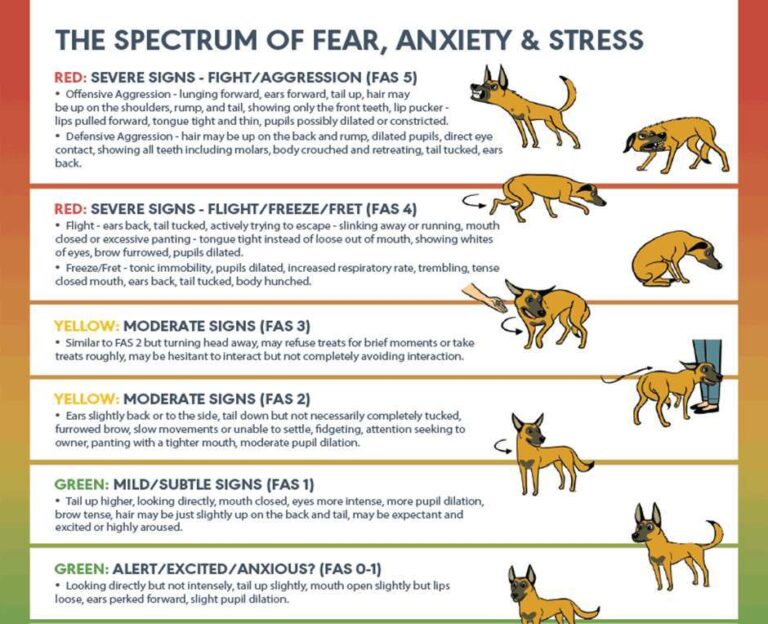
- Map your dog’s stress. Note times, places, sounds, and people that spark pacing, barking, or hiding. Write it down for one week.
- Pick a low-traffic spot. Corners, spare rooms, or a quiet end of the living room work well. Avoid doorways and hallways.
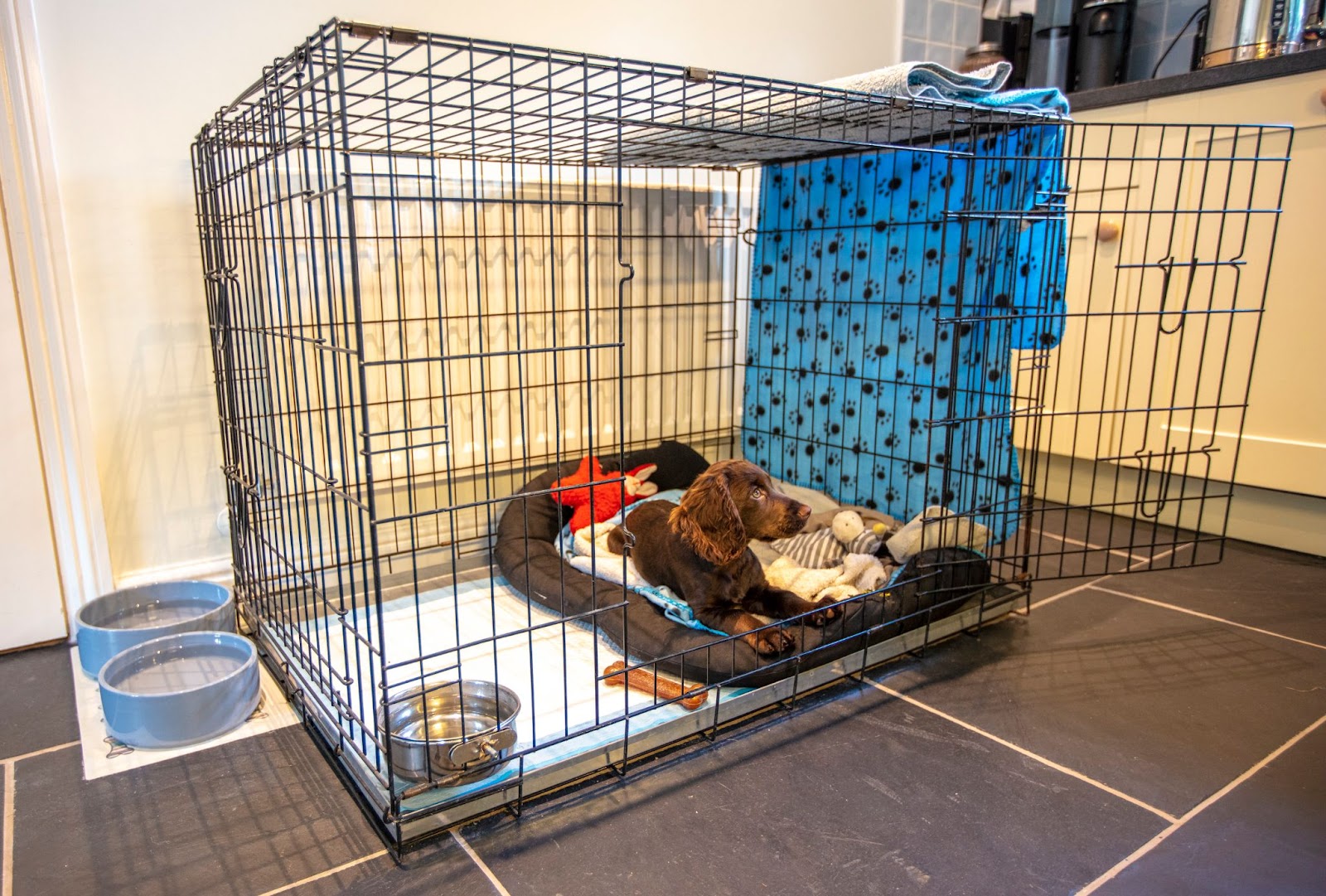
- Choose the base. Use a crate, a playpen, or a small room with a baby gate. Size it so your dog can stand, turn, and stretch.
- Add comfy layers. Use a non-slip mat and a bed your dog likes. Some dogs prefer firm pads. Some want plush.
- Control sound and light. Close curtains. Use a fan or white noise. Place the space away from street noise if you can.
- Add scent and chews. Place a worn shirt with your scent. Offer safe chew items. Rotate toys to keep things fresh.
- Set water and airflow. Keep fresh water nearby. Make sure there is good air flow and no drafts.
- Do a safety scan. Hide cords. Move plants and meds. Cover outlets. Check for pinch points on gates and doors.
- Set a clear boundary. Use a mat, gate, or pen. Add a small sign so family and guests respect the zone.
- Train with reward-based steps. Feed meals there. Drop treats when your dog goes in. Keep sessions short and happy.
Repeat the steps until your dog chooses the spot on their own. This plan shows how to create safe space for dog without stress. Go slow and make the space a great place, not a time-out.
Gear and Layout Essentials
The right setup makes the space feel safe and fun. Keep it simple at first.
- Crate or pen: Well-vented, right size, no sharp edges.
- Bed and mat: Washable, non-slip base, and durable cover.
- Sound and light: Fan, white noise, and blackout curtains.
- Chews and toys: Long-lasting chews, lick mats, and food puzzles.
- Gate or barrier: Baby gate with secure latch.
- Comfort aids: Calming pheromone diffuser, snug shirt, or calming music.
- Safety add-ons: Camera if you are away, and a motion night light.
Size tips are key. For crates, your dog should stand, turn, and lie flat with legs out. Bigger is not always better. Cozy often feels safer.
Use this list when you plan how to create safe space for dog on a budget or with premium gear. Pick what fits your dog’s needs and your home.

Training: Make the Space a Reward
You want your dog to think, I choose to go there. Use small steps and high-value rewards.
- Name the space. Say Bed or Place. Drop a treat on the mat as your dog steps in.
- Pair it with meals. Feed part or all of each meal in the space.
- Capture calm. When your dog lies down there, mark with yes or click, then treat.
- Use scatter feeding. Toss a few treats into the space when guests arrive.
- Add a relax cue. Say Go rest, then guide to the space, reward, and wait.
- Build time. Start with 10 seconds of calm. Move to 30 seconds, then 2 minutes.
- Practice exits. Release with a word like Free. Calm in, calm out.
Never send your dog to the space for punishment. Think spa, not jail. If you ask how to create safe space for dog that lasts, reward calm, respect choice, and keep sessions short.
Special Situations and Households
Puppies
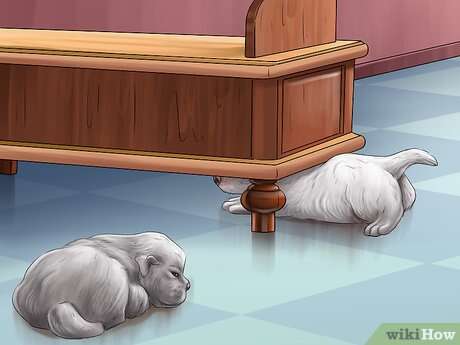
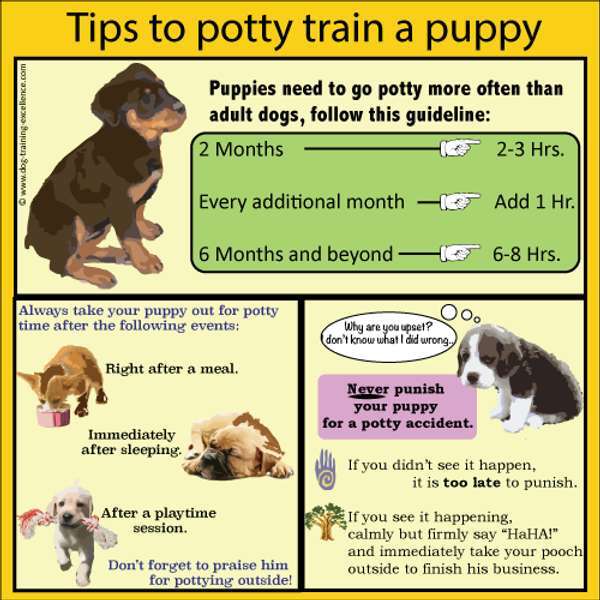
Short naps in a pen build rhythm. Give a potty break first. Feed a chew and let them rest.
Seniors
Use low beds and warm pads. Clear paths for stiff joints. Add night lights for vision loss.
Multi-dog homes
Each dog needs their own zone. Rotate use to avoid guarding. Feed chews in separate spaces.
Homes with kids
Teach a rule. When the dog is in the zone, no touching. Use a sign to remind guests.
Dogs and cats
Set the dog’s space where the cat can pass without a standoff. Give the cat high routes.
These small tweaks help you practice how to create safe space for dog with complex needs.

Using the Space During Stressful Events
Fireworks, storms, and visitors can spike fear. Plan ahead and rehearse.
- Fireworks and storms: Close windows, play white noise, and offer a long-lasting lick mat.
- Deliveries and guests: Send your dog to their space with a chew 5 minutes before the doorbell.
- Grooming and vet prep: Brush, handle paws, and do short practice sessions in the space. Reward often.
- Car backfires or city noise: Keep the space away from street-facing walls if you can.
If fear is severe, talk with your vet or a certified trainer. Some dogs need a full plan with meds and behavior work. A solid routine is the base when you think about how to create safe space for dog during noise.

Troubleshooting and Mistakes to Avoid
- Space near chaos: Avoid hallways and busy doors. Move to a calm corner.
- Too open or too bright: Add a crate cover or curtain. Reduce light and sound.
- Food guarding risk: Give chews only when the dog is alone or separated.
- Forcing the dog in: Invite, do not shove or drag. Use treats and choice.
- Long sessions too soon: Start with seconds, not hours. Build success first.
- Mixed rules: Make a house rule that the space is hands-off for kids and guests.
These fixes help if you ask how to create safe space for dog and hit snags. Small changes lead to big wins.

Maintenance and Hygiene
A clean, safe space keeps stress low and health strong.
- Wash bedding weekly. Use hot water and a mild detergent.
- Rotate chews and toys. Check for wear and toss damaged items.
- Wipe hard surfaces. Use pet-safe cleaners.
- Inspect gates and crates. Tighten screws and check latches.
- Refresh scents. Add a worn shirt or wash the cover if smells build.
Make a simple checklist. Ten minutes a week keeps the zone ready. This habit supports how to create safe space for dog over the long run.
Budget-Friendly vs Premium Options
You can do a great setup without a big spend.
- Budget plan: Simple wire crate, old yoga mat under a washable bed, fan for white noise, and a DIY curtain.
- Mid-tier: Heavy-duty pen, orthopedic bed, white noise machine, and a few puzzle toys.
- Premium: Furniture-style crate, custom mat, acoustic panel, camera, and an automatic feeder.
Pick the level that fits your life. The core idea never changes. When you look at how to create safe space for dog, comfort and routine matter more than price.
My Field Notes and Real-Life Examples
A shy rescue I worked with would bark at every guest. We set a pen in a quiet corner, fed all meals there, and used scatter treats when the doorbell rang. In two weeks, she trotted to her bed on her own when guests arrived.
A high-energy cattle dog paced at night. We moved his crate away from a drafty window, added a firm mat and white noise, and taught a relax cue. He slept through the night in three days.
A family with two kids and a doodle set a rule. If the dog was on the bed, they waved hello but did not touch. That one boundary turned the bed into a calm island. This is what works when you learn how to create safe space for dog you love.
Frequently Asked Questions of how to create safe space for dog
How long does it take for a dog to use the space?
Most dogs start to settle within a week when you reward calm. Go slow and make it fun.
Should I close the crate door?
Start with the door open. Close it only after your dog goes in by choice and stays calm.
What if my dog cries in the space?
Shorten the session and raise the reward value. End before panic and build time in tiny steps.
Can I use the space for guests and deliveries?
Yes. Send your dog there five minutes before the doorbell and give a chew. Practice when no one is coming.
Is it okay to feed all meals in the safe space?
Yes. Meals help build positive feelings fast. Just keep water available and clean the area.
What if I have very little space at home?
Use a corner with a mat and a foldable screen. You can still teach calm and choice.
Conclusion
A safe space gives your dog calm, comfort, and control. Pick a quiet spot, add the right gear, and train with short, happy steps. Guard the boundary, reward calm, and clean it often.
Start today. Set the mat, drop a few treats, and watch your dog breathe easier. If this helped, share it, subscribe for more guides, or leave a question so I can help you fine-tune your plan.
Pet Care Writer & Researcher
Daniel writes practical guides on daily care, feeding, and safety, turning complex topics into simple, actionable advice.