How To Set Bedtime Routine For Dog: Calm Nights Guide
Need peaceful evenings? Learn how to set bedtime routine for dog with easy steps, training tips, and schedules that boost sleep and cut anxiety.
Set a calm, consistent routine: exercise, potty, wind-down, cue, sleep space, and lights out.
You came here to learn how to set bedtime routine for dog, and I’m glad you did. With years of hands-on training work and many sleepy pups later, I’ll show you a simple, science-backed plan. You’ll get clear steps, real examples, and fixes for common snags so you can master how to set bedtime routine for dog from tonight.
Why a bedtime routine matters
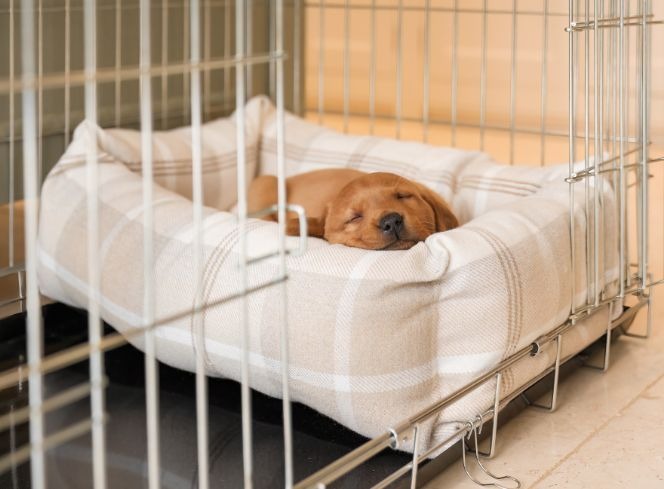
Dogs rest best when life feels safe and clear. A set routine lowers stress and helps the brain shift into sleep mode. It also cuts night waking, whining, and early zooms.
Research on dogs shows stable cues can lower arousal and improve sleep. Dogs need lots of sleep to learn and heal. A steady plan supports the bond you share.
If you want to know how to set bedtime routine for dog, start with calm and repeatable steps. Your dog will link those steps to sleep, fast.

Step-by-step: how to set bedtime routine for dog
- Pick a bedtime. Keep it the same every night.
- Do exercise early in the evening. Aim for 60 to 90 minutes before bed.
- Offer brain work. Use a short sniff walk, a puzzle, or easy training.
- Give the last potty break. Do it on leash if needed to focus.
- Cut water one to two hours before bed, unless your vet says not to.
- Feed at least three hours before bed to avoid late tummy grumbles.
- Start a wind-down cue. Dim lights. Lower your voice. Move slow.
- Add a gentle groom or massage. Keep it short and calm.
- Guide to the sleep spot. Bed or crate, same place each night.
- Use a simple cue. Say “bedtime” once. Then wait for a settle.
- Reward calm in place. Small treat, then nothing more.
- Lights out. White noise on. Ignore extra bids for play.
This is the core of how to set bedtime routine for dog. Repeat it the same way for at least two weeks. Most dogs lock it in fast when you stay steady.
Build the right evening timeline
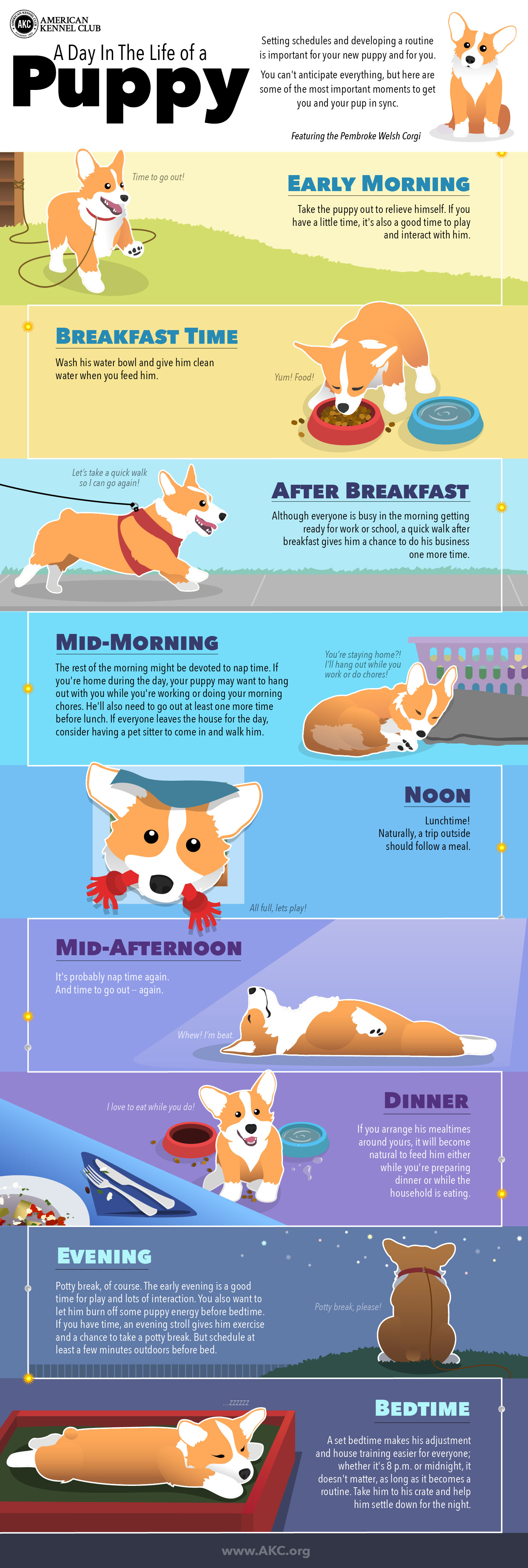
Try this simple flow. Adjust the clock to your life.
- Three hours before bed: dinner.
- Ninety minutes before bed: walk or play.
- Forty-five minutes before bed: sniff game or puzzle.
- Thirty minutes before bed: last water.
- Fifteen minutes before bed: final potty.
- Ten minutes before bed: groom or cuddle.
- Bedtime: cue, settle, lights out.
This map shows how to set bedtime routine for dog without guesswork. Consistent blocks make the plan easy to follow.
Tools and cues that help sleep stick
You do not need fancy gear. A few smart aids help a lot.
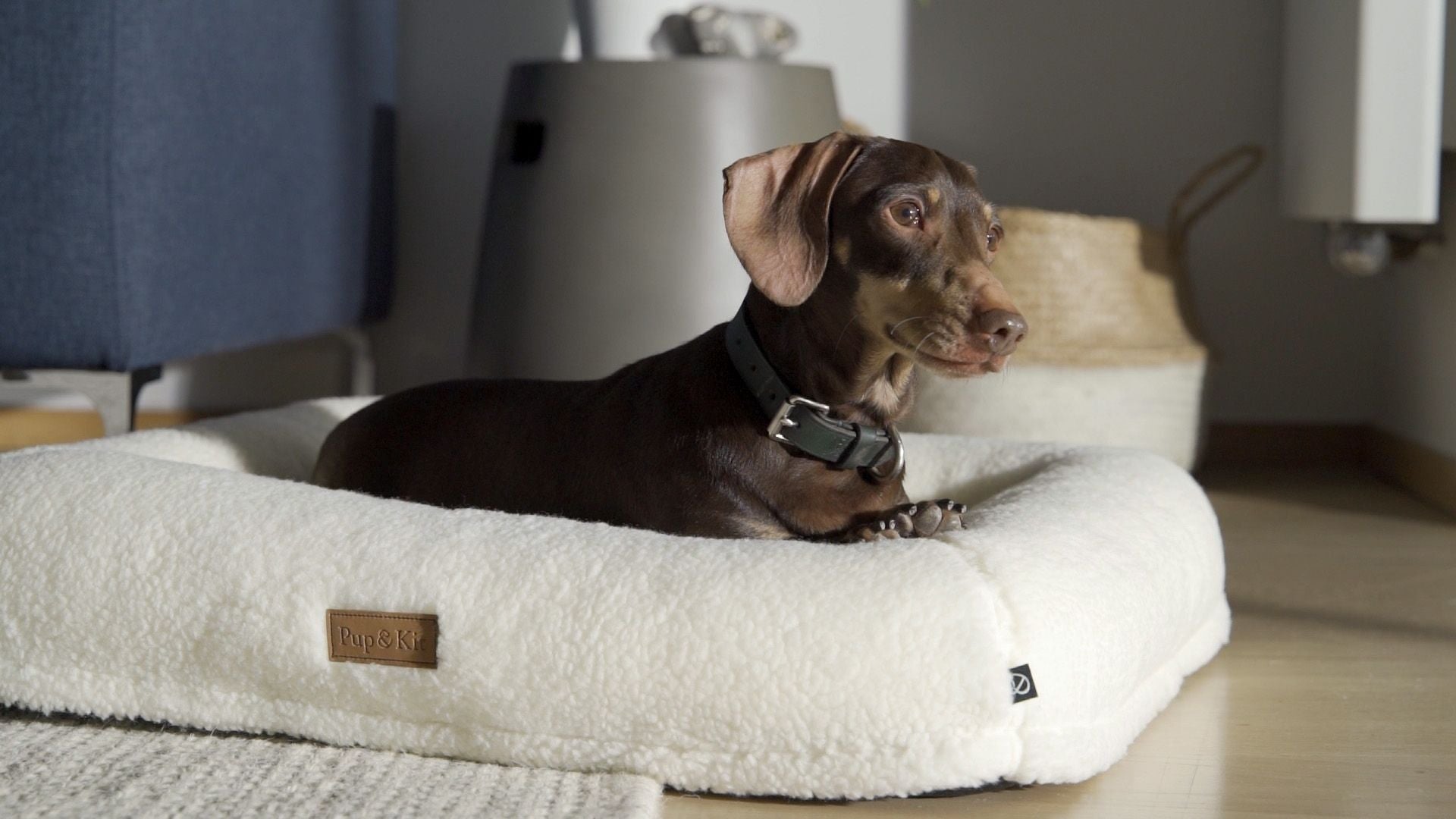
- Bed or crate that fits the dog well.
- White noise or a fan to mute street sounds.
- Blackout shades to block dawn light.
- A light cover over the crate for den vibes.
- A pheromone diffuser near the bed area.
- A safe, vet-approved chew only if supervised.
Use one short cue, like “bedtime,” and one calm routine. That is the heart of how to set bedtime routine for dog. Keep the cue the same, every night.

Age and breed tweaks
Puppies need more sleep and more potty trips. Keep the crate near you at first. Do soft play early. Add a 2 a.m. potty for very young pups.
Adult dogs do well with firm times and clear cues. Trim late naps. Fade food rewards over time and praise more.
Seniors may need night potty breaks. Use ramps and soft beds for sore joints. Check meds with your vet.
Flat-faced breeds can snore or overheat. Keep the room cool. Watch sleep posture.
High-drive breeds need brain work, not only miles. Use scent games and short drills. These tweaks align with how to set bedtime routine for dog for each life stage.

Training tips and positive reinforcement
Reward what you want. Pay calm on the bed, not noise at the door. Tiny treats at first. Then switch to soft praise.
If your dog pops up, guide back with the cue. Do not scold. Keep your energy low.
Practice a “go to bed” game by day. Mark the moment paws hit the bed. Over days, ask for longer time on the bed before reward. This helps when using how to set bedtime routine for dog at night.
Common mistakes to avoid
Inconsistent bed and wake times confuse dogs. Pick a window and stick to it.
Late, wild play spikes arousal. Move hard play earlier. Keep late hours calm.
Big water and big meals near bedtime often mean night trips. Plan ahead. Also avoid long evening naps.
Do not use the crate as a “time out” zone. It should feel safe and good. This is key to how to set bedtime routine for dog that lasts.

Sample bedtime routines you can copy
Apartment puppy plan
- 6:30 p.m. dinner.
- 7:30 p.m. play and sniff walk.
- 8:30 p.m. puzzle toy.
- 9:15 p.m. last water.
- 9:30 p.m. potty.
- 9:40 p.m. cuddle and settle.
- 9:45 p.m. crate near bed. Cue. Lights out. 2 a.m. potty.
Anxious rescue plan
- Early evening hike or long sniff walk.
- Soft music and massage for ten minutes.
- Pheromone diffuser on near bed.
- Cue to bed with a calm voice. Reward quiet breaths.
Busy family plan
- Kids help with short training at 7 p.m.
- Family walk at 7:30 p.m.
- Potty at 8:45 p.m.
- Bedtime cue at 9 p.m. Adults lead lights-out routine.
These plug-and-play plans show how to set bedtime routine for dog with real life in mind.
Troubleshooting: barking, whining, early wake-ups
Whining at lights out often means the dog is not yet relaxed. Add ten minutes of sniff work or a longer walk earlier. Keep your exit boring and slow.
Barking at street sounds? Add white noise and a heavier curtain. Move the bed farther from windows.
Early wake-ups can mean hunger, light, or a full bladder. Try a small snack at dinner, blackout shades, and a later potty. These tweaks fit the core of how to set bedtime routine for dog.
Health and safety checks before sleep
Check room temp. Cool in summer. Warm in winter. Avoid drafts.
Remove dangling tags in a crate to prevent snag risks. Use a breakaway collar if you must keep one on.
Skip risky chews when you cannot watch. Use safe options only with vet advice. If you see loud snoring, gasps, itch cycles, or night pacing, call your vet.
Health checks support how to set bedtime routine for dog by removing pain and risk.
Tracking progress and adjusting
Keep a simple sleep log. Note bedtime, wake time, potty trips, and noise events.
If things slip, change one thing at a time. Make shifts in 15-minute steps every three nights. That slow pace keeps the plan strong.
Wins look like fewer wake-ups and faster settles. Use that data to refine how to set bedtime routine for dog over time.
Frequently Asked Questions of how to set bedtime routine for dog
How long until my dog sleeps through the night?
Many dogs improve in three to seven days. Anxious dogs or puppies can take two to four weeks with steady work.
Do I need a crate for bedtime?
No, but it can help. Use a crate only if it feels safe and calm for your dog.
What if my dog wants to sleep in my bed?
It is your call. Keep the same steps and cue, then allow the bed as the final spot.
Should I leave water out all night?
Most adult dogs do fine without water overnight. Ask your vet if your dog has medical needs.
What time should I feed dinner?
Feed at least three hours before bed. That helps with digestion and reduces night potty trips.
My schedule changes. Can a routine still work?
Yes. Use a time “window” of 30 minutes. Keep the sequence the same, even if the clock shifts.
Conclusion
A calm, repeatable flow is the secret to better sleep for both of you. Pick a time, set clear steps, and reward the quiet moments you want.
Start tonight. Test this plan for two weeks and track your wins. If you found this guide useful, share it with a friend, subscribe for new tips, or drop a comment with your dog’s bedtime success story.

Pet Care Writer & Researcher
Daniel writes practical guides on daily care, feeding, and safety, turning complex topics into simple, actionable advice.