How To Prepare Dog For Long Car Rides: 2026 Road-Trip Guide
Learn how to prepare dog for long car rides with training, calming routines, packing lists, and safety tips to keep your pup relaxed from start to finish.
Secure, train, and pack smart; build calm routines and take frequent breaks.
You want a smooth, happy road trip, not a stressed pup and white-knuckle drive. I’ve logged thousands of miles with my own dogs and coached many clients. This guide on how to prepare dog for long car rides gives you a clear plan, backed by proven training steps, vet-informed tips, and road-tested gear advice. Stick with me, and your next ride can feel easy, safe, and even fun.
Understand Your Dog’s Travel Profile
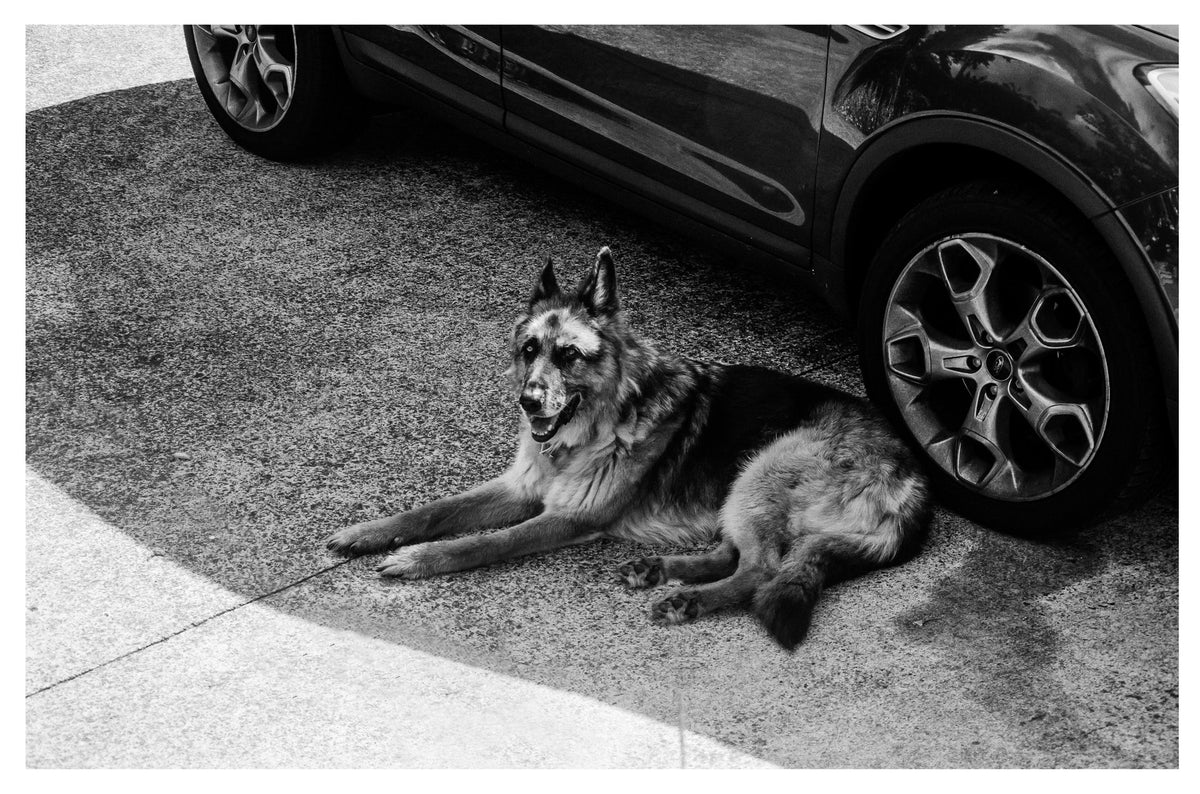
Every great trip starts with a clear read on your dog. Age, health, and temperament all matter. A calm senior dog needs different prep than a bouncy puppy. A rescue with noise fear needs more time and care.
Ask yourself a few simple questions. Does your dog pant or pace in cars? Does your dog drool or get sick? Can your dog relax in a crate? Your answers shape the plan.
Talk with your vet if you are unsure. A quick check can spot issues like arthritis, ear pain, or car sickness. This step is key for how to prepare dog for long car rides because comfort starts with health.
Vet Check and Safe-Travel Gear
Book a vet visit two to four weeks before you go. Ask about motion sickness, anxiety, and vaccine needs. Confirm parasite prevention, since you may visit new areas with ticks or heartworm risk.
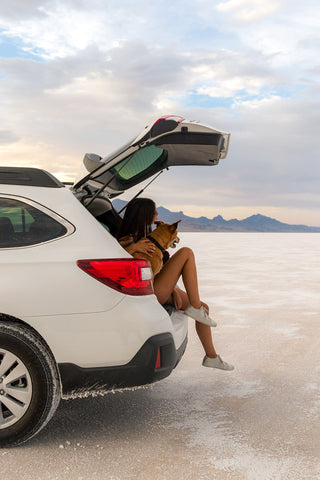
Use gear that keeps your dog secure. Independent crash tests show that well-built crates and harnesses reduce injury risk. Look for a crash-tested crate or a certified seat belt harness. Place the crate in the back seat or cargo area, not the front seat.
Pack a travel kit. Include a flat leash, back-clip harness, ID tags, microchip info, vaccine record, water, food, bowls, poop bags, cleaning wipes, and a towel. A first aid kit with bandage wrap, saline, and tweezers helps too. Good gear is central to how to prepare dog for long car rides.

Training And Desensitization Plan
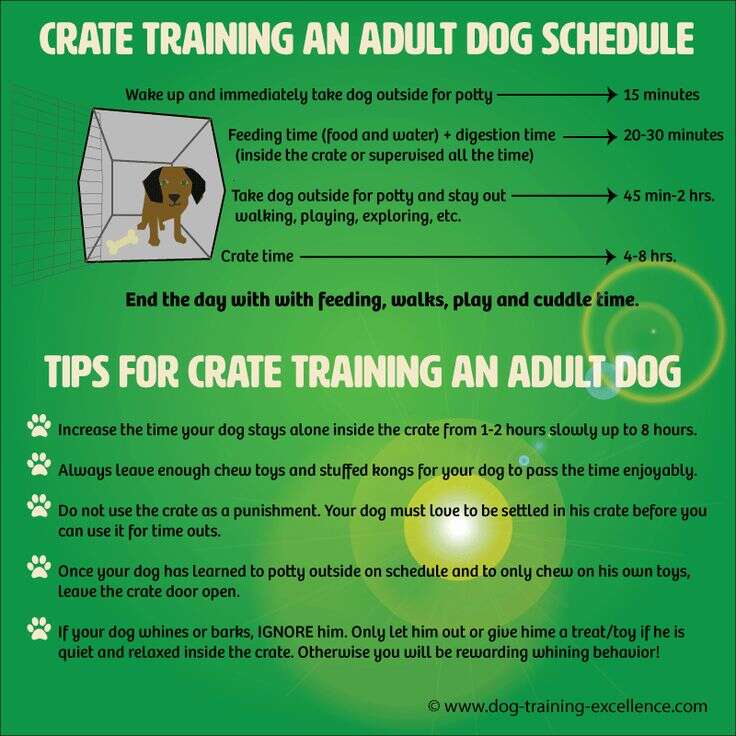
Training makes the ride calm and safe. Start two to three weeks out. Keep sessions short and sweet. Always end on a win.
Try this simple plan:
- Parked car, engine off. Sit with your dog. Feed a few treats. Leave.
- Engine on, no movement. Treat for calm. Leave.
- One to two minute rides. End at home or a quiet park. Treat calm.
- Five to ten minute rides. Vary destinations. Keep it low key.
Pair car time with a cue like “settle.” Reward down-stays in the crate or on a seat bed. This slow build is a smart way for how to prepare dog for long car rides. I used this exact plan with my anxious herding mix, and he now naps by mile ten.
Pre-Trip Routine And Packing List
Plan your dog’s day like you plan your own. A steady routine helps dogs relax. Keep meals, walks, and rest on a simple clock.
Before you leave:
- Exercise for 20 to 40 minutes. Keep it mellow, like a sniff walk.
- Feed a small meal three to four hours before departure to reduce nausea.
- Offer water. Avoid chugging. Small sips work best.
- Do a potty break right before loading.
Pack smart and keep it handy:
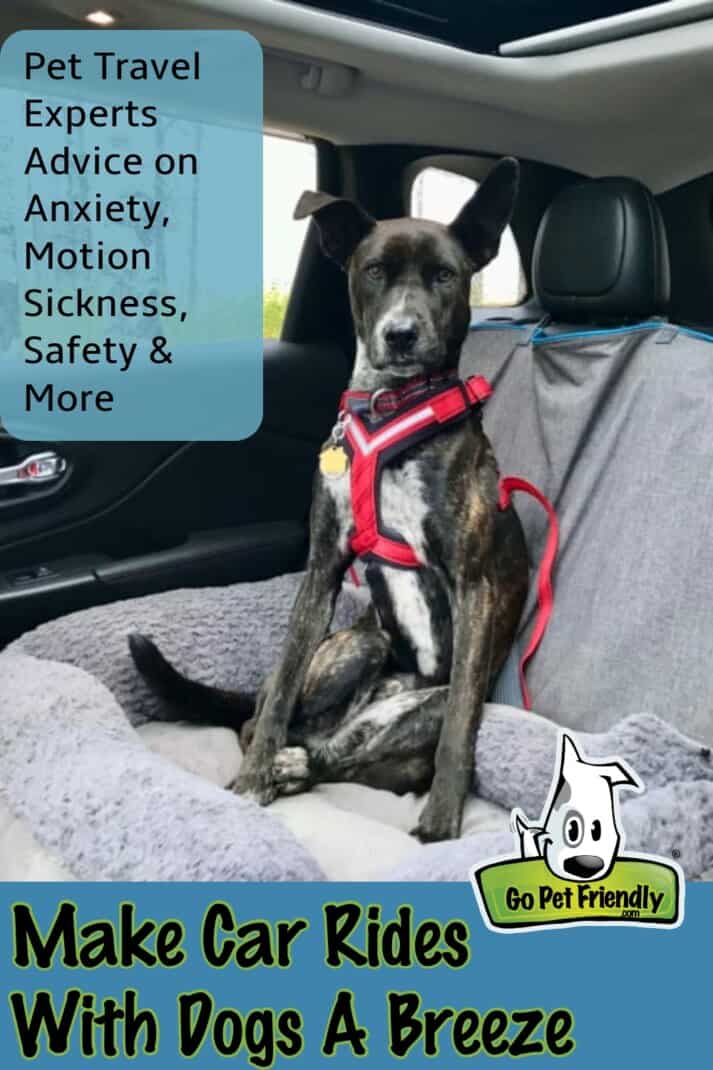
- Favorite bed or blanket to bring home scent.
- Long-lasting chew or lick mat.
- Meds and a pill pocket.
- Sun shades for windows.
- Extra collar and tag.
These small steps pay off when you look at how to prepare dog for long car rides with comfort and calm in mind.
Day-Of Travel: Setup, Driving Habits, Breaks
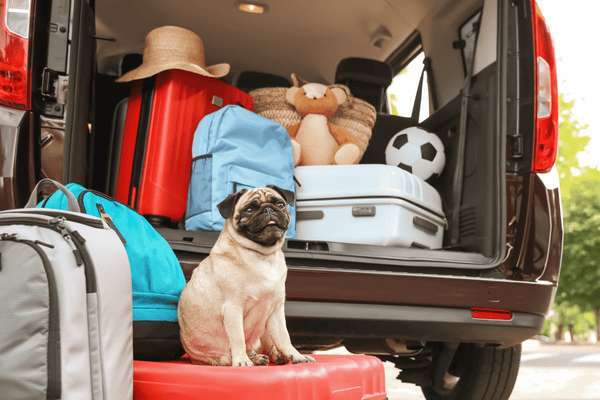
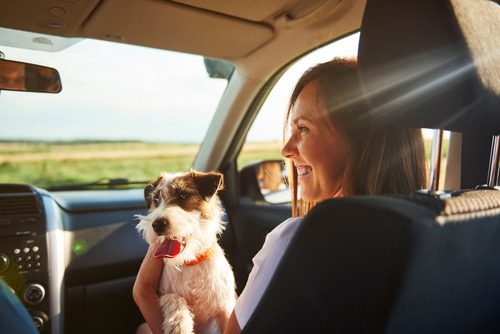
Set up the car so your dog cannot roam. Use the crate or harness. Secure loose items. Cool the car before loading your dog.
Drive smooth and steady. Gentle turns and slow stops lower stress. Keep the music soft. Classical or soft rock can help dogs relax based on shelter studies.
Plan breaks every two to three hours. Stop for fresh air, water, and a short walk. Keep breaks calm and short. This is the daily rhythm of how to prepare dog for long car rides that works in real life.

Managing Motion Sickness And Anxiety
Some dogs feel queasy. Talk to your vet about safe meds. Many vets use maropitant for nausea. Some recommend meclizine or ginger as gentle options. Ask your vet before you try anything new.
For anxiety, start with training. Add tools like pheromone collars or sprays. Calming wraps help some dogs. If needed, vets may suggest meds like trazodone or gabapentin. Avoid heavy sedatives unless your vet directs it. Careful planning is how to prepare dog for long car rides without fear or fuss.
Road Safety And Good Etiquette
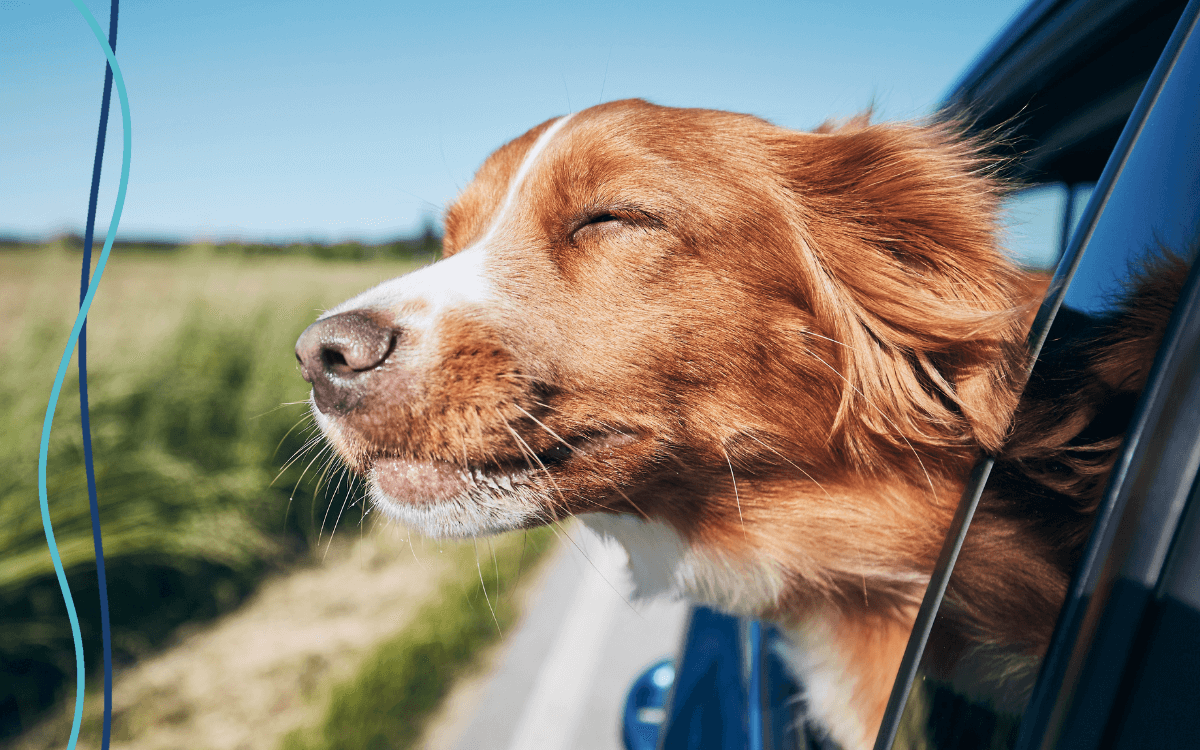
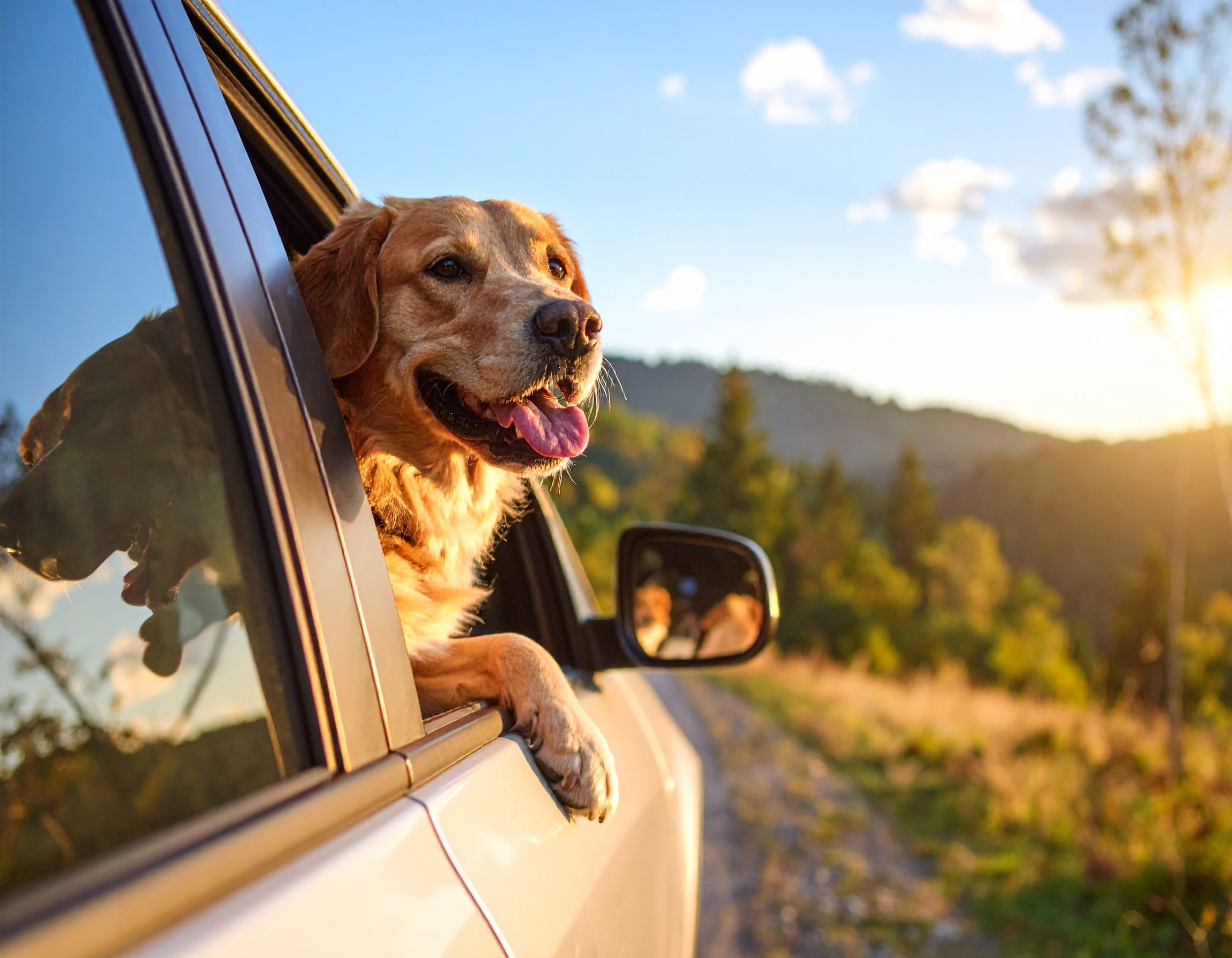
A few simple rules keep your dog safe. Do not let your dog ride with a head out the window. Debris can injure eyes or ears. Keep windows locked or just cracked.
Never leave your dog alone in a parked car. Cars heat up fast, even with windows cracked. Plan fuel and food stops where one person can stay with the dog.
Be a good guest when you stop. Pick up waste. Keep your dog on leash in rest areas. Safety and respect are part of how to prepare dog for long car rides the right way.
Overnight Stays And Destination Readiness
If you plan a long route, book pet-friendly stays in advance. Confirm fees and size limits. Ask about nearby green space for late walks.
Pack a “hotel kit.” Use a travel mat, a foldable crate, and a chew toy. Place the mat where your dog can see you. Keep the routine: same meal time, same potty breaks. This small layer of sameness is key in how to prepare dog for long car rides that include hotels.

Troubleshooting Common Issues On The Road
You might hit a bump. Stay calm and use these quick fixes.
If your dog pants hard or drools:
- Stop for shade and water.
- Offer a brief walk and cool the car more.
- Move the crate to a cooler spot away from direct sun.
If your dog barks at traffic:
- Cover part of the crate to cut visual triggers.
- Play soft music.
- Reward quiet with a chew.
If your dog will not potty at stops:
- Bring a small piece of turf or pee pad with home scent.
- Walk a bit longer and praise any sniffing or circling.
Fast adjustments like these are part of how to prepare dog for long car rides with real-world skill.
A Simple Timeline You Can Follow
A timeline keeps things on track and low stress.
Two to four weeks out:
- Vet check if needed.
- Start car desensitization.
- Order any travel gear.
One week out:
- Practice medium drives of 20 to 40 minutes.
- Test crate setup and window shades.
- Pack the travel kit.
Two days out:
- Wash bedding so it smells clean but still familiar.
- Portion meals and pack meds.
- Confirm bookings.
Day of:
- Exercise, light meal, potty, water.
- Load the car, then invite your dog in.
- Drive smooth and stop every two to three hours.
Use this schedule as a simple system for how to prepare dog for long car rides without last-minute stress.
Frequently Asked Questions of how to prepare dog for long car rides
How long can a dog ride in a car in one day?
Most dogs do well with six to eight hours split into two to three hour blocks. Plan short breaks every two to three hours for water, potty, and a calm walk.
Should my dog eat before a long car ride?
Feed a small meal three to four hours before you leave. This helps reduce nausea and gives time for a potty break.
What is the safest way for a dog to travel in a car?
Use a crash-tested crate or a certified seat belt harness in the back seat or cargo area. Keep the front airbag zone off-limits.
How do I stop my dog from getting car sick?
Build up short rides, keep the car cool, and avoid large meals. Ask your vet about anti-nausea options if training alone is not enough.
Can I give my dog medication for anxiety during travel?
Yes, but only under a vet’s guidance. Many vets use mild anxiolytics that reduce stress without heavy sedation.
Is it okay for my dog to stick its head out the window?
No. Debris and wind can harm eyes and ears. Use locked windows and good airflow inside the car instead.
Conclusion
A relaxed road trip comes from simple, steady steps done well. Secure your dog, build calm with short practice rides, pack smart, and keep a smooth pace with regular breaks. That is the heart of how to prepare dog for long car rides that feel safe and easy.
Pick one step today and start. Book the vet, order the right harness, or do a five-minute car sit with treats. If this guide helped, subscribe, share it with a friend, or drop your road trip wins and questions in the comments.

Pet Care Writer & Researcher
Daniel writes practical guides on daily care, feeding, and safety, turning complex topics into simple, actionable advice.