How To Travel With Dog Safely By Car: 2026 Guide
Learn how to travel with dog safely by car with vet-approved tips, gear, and checklists for stress-free road trips. Keep your pup secure, calm, and comfy.
Buckle your dog in, use a crash-tested setup, and plan cool, frequent stops.
If you want to know how to travel with dog safely by car, you’re in the right place. I’ve logged thousands of miles with dogs as a trainer and pet travel nerd. I’ll show you the exact setup, the training steps, and the road routine that make car trips calm, safe, and easy. By the end, you’ll feel confident about how to travel with dog safely by car in any season.
Pre-Trip Health Check and Documents
If you wonder how to travel with dog safely by car, start with health. A quick vet visit reduces risk and stress. Check vaccines, parasite prevention, and any joint or heart concerns. Ask for motion sickness guidance and a travel note with your dog’s meds and dosing.
Pack proof of vaccination, a recent photo, and your microchip number. Store your vet’s contact and a 24/7 emergency clinic along your route. Add a printed copy in your glove box in case your phone dies.
What I do before long drives:
- Ask the vet about anti-nausea options if my dog has ever drooled or vomited in the car.
- Confirm my crate or harness fit with my dog at current weight.
- Trim nails so they do not snag on seat fabric or crate mats.
Independent safety groups and veterinary pros agree: a healthy dog travels safer and stays calmer. Five minutes of prep saves hours later.

Choosing the Right Restraint: Crate, Carrier, or Harness
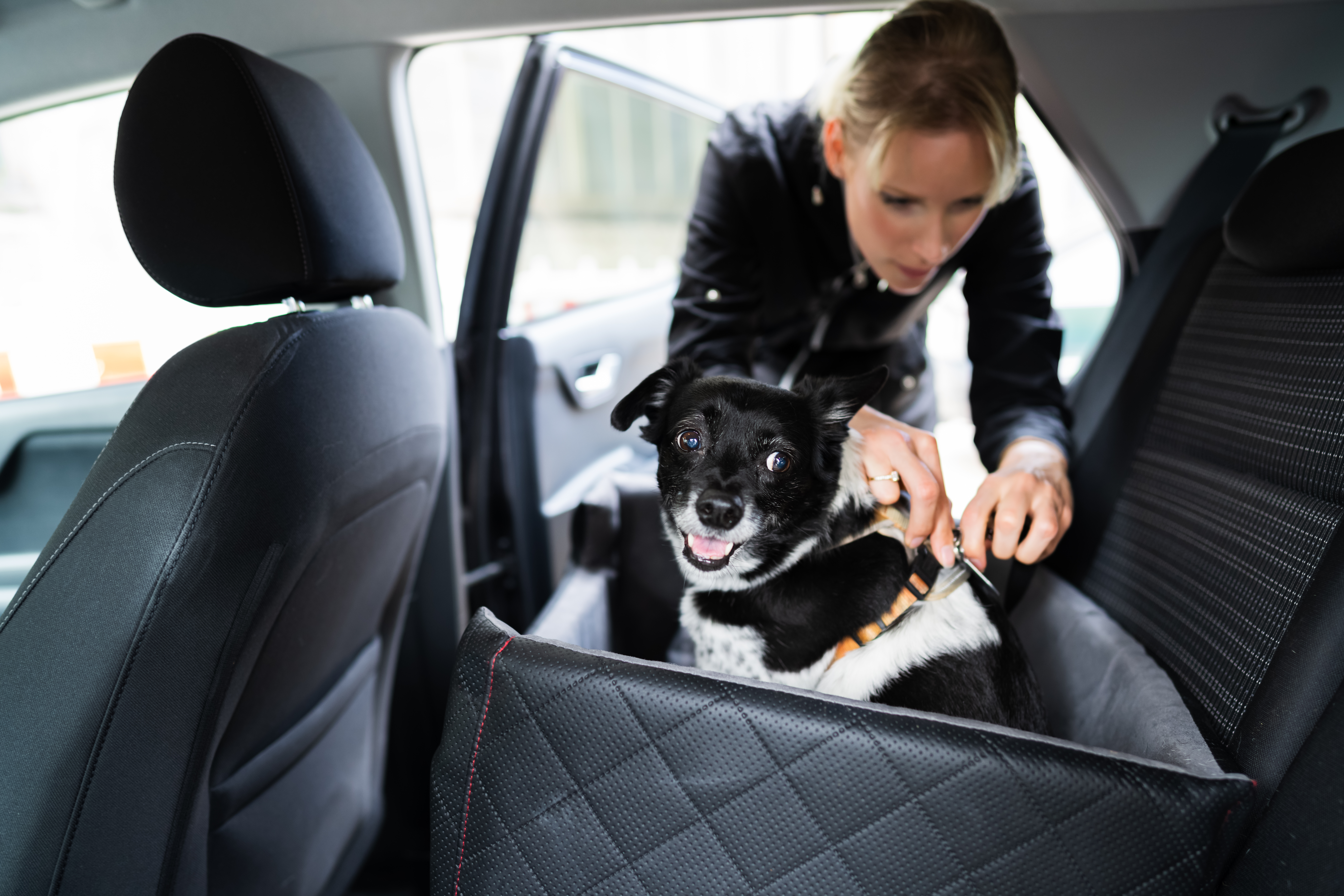
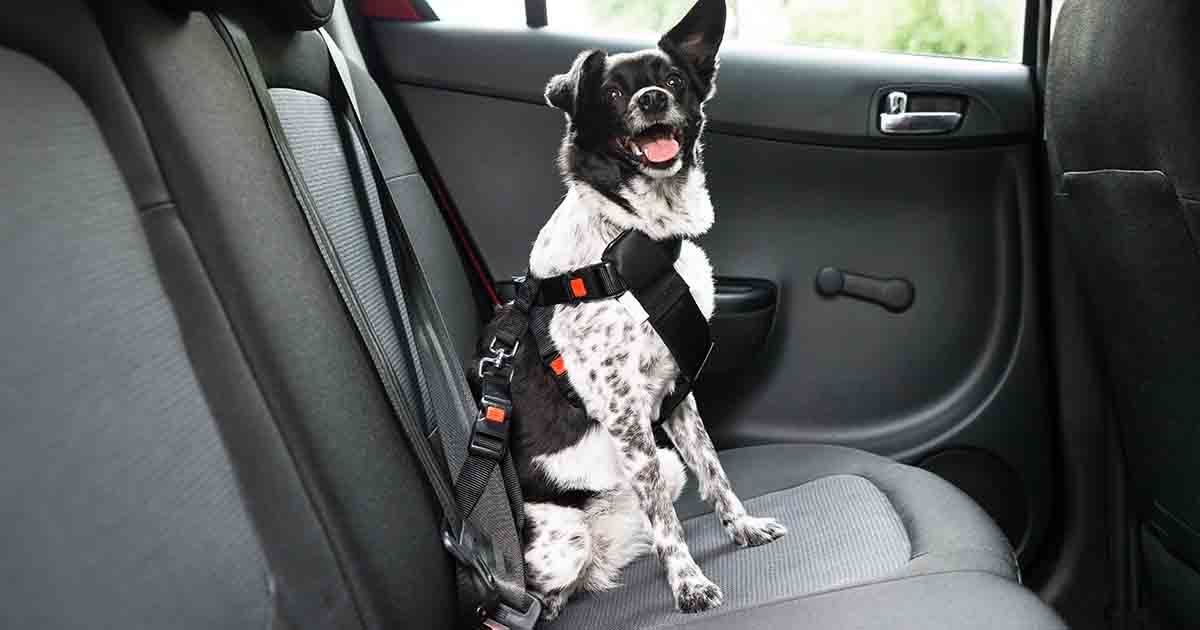
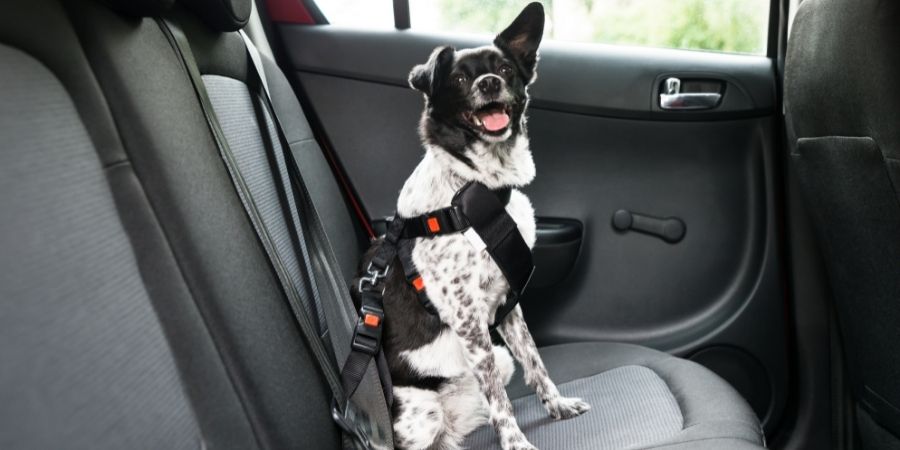
Here is how to travel with dog safely by car when it comes to gear: use a crash-tested restraint that fits. Small dogs do best in a secured carrier or crate. Medium and large dogs often do best in a crash-tested harness attached to the vehicle’s seat belt. Avoid zip lines and tether clips that attach to collars. They can cause neck injury.
How to pick a safe setup:
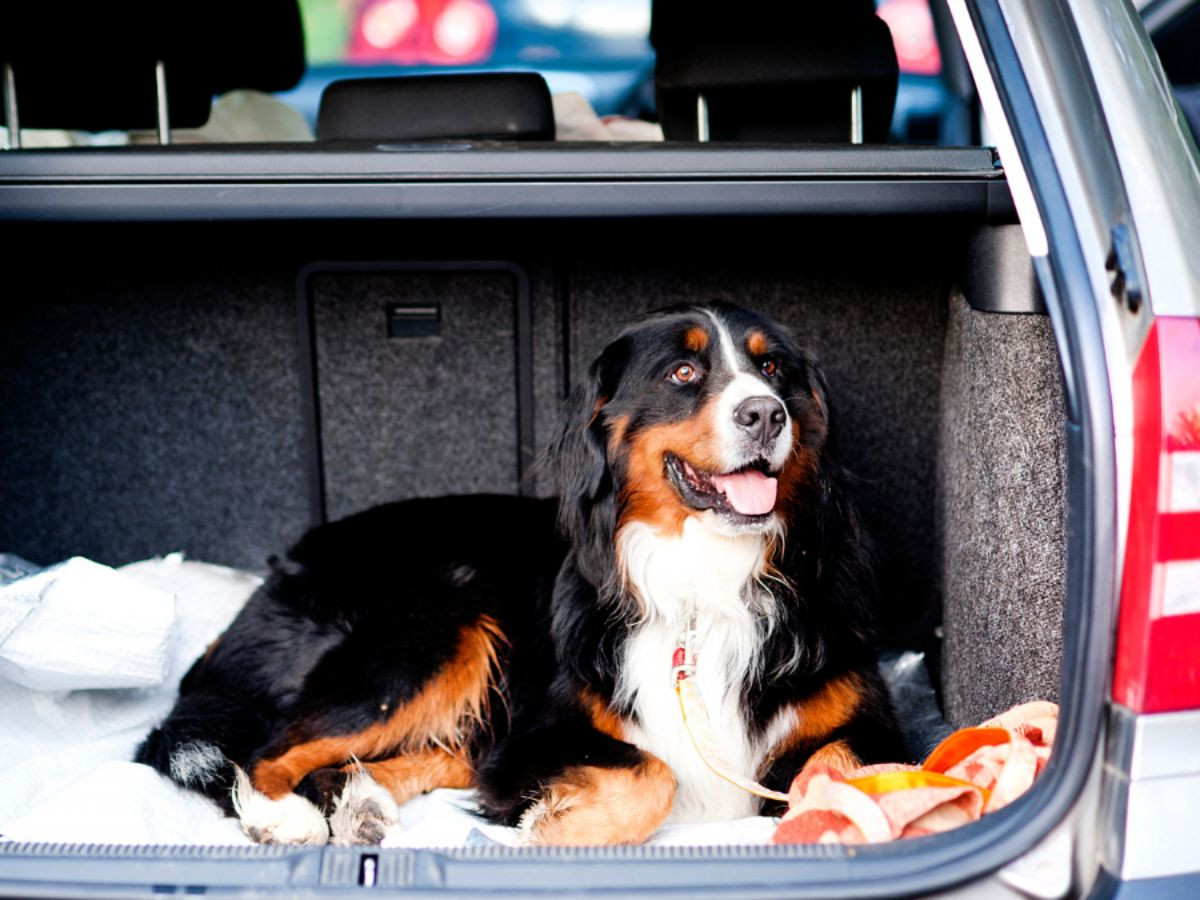
- Crate or carrier: It should be rigid, well-vented, and anchored with seat belts or cargo straps. Place it on the rear seat or in the cargo area behind the rear seats. The door faces the aisle, not a window.
- Harness: Choose one that has passed independent crash tests. Use the car’s seat belt through the harness as directed. No flex leads. No attaching to a collar.
- Barriers: Use only with a crate or harness. Barriers stop roaming but do not secure the dog in a crash.
Fit check I use with clients:
- Two-finger rule for harness chest straps. Snug but not tight.
- Dog can sit, stand, and lie down without pressure.
- In a crate, dog can turn around and lie flat. No sliding on turns.

Training Your Dog to Love the Car
A smooth trip starts at home. If you ask how to travel with dog safely by car, build calm car habits first. Do short, happy sessions before your big drive. End before your dog gets worried.
Simple steps:
- Feed a few treats near the parked car. No pressure to get in.
- Open doors. Let your dog sniff. Treat for any calm look at the car.
- Hop in with the engine off. Short sits. Treat quiet, relaxed body language.
- Engine on for one minute. Treat. Then off again.
- Drive around the block. Stop and play. Keep sessions brief and fun.
Real-life note: My anxious rescue learned car skills in two weeks with three-minute sessions. We stacked small wins. On trip day, she hopped in and snoozed.
If your dog pants, drools, or shakes, slow down. Go back a step. Ask your vet about pheromone sprays or a calming wrap. Training plus the right gear fixes most car fear.
Packing a Safe Dog Travel Kit
How to travel with dog safely by car also means packing smart. Keep a small bin ready to go. Place it within reach on the rear floor.
My go-to kit:
- Water in a spill-proof bowl and a full bottle.
- Measured food, a scoop, and a slow feeder.
- Leash, backup slip lead, and collar with tag.
- Poo bags and cleaning wipes.
- Non-slip crate mat or a seat cover with grip.
- First-aid kit with gauze, tape, saline, tweezers, and any meds.
- Towels and a spare blanket.
- Copy of vaccine records and emergency numbers.
Pro tip: Add a long-lasting chew for rest stops. It helps your dog settle while you check maps or eat.

Route Planning, Car Setup, and Temperature Safety
If you still wonder how to travel with dog safely by car, plan your route with your dog in mind. Choose rest areas with shade and grass. Avoid heavy traffic times if your dog hates stop-and-go.
Set the car for comfort:
- Keep the rear cabin cool. Vent air to the back. Use sunshades on side windows.
- Place the crate or harnessed seat far from airbags. Rear seat is best.
- Use non-slip surfaces. Sliding scares dogs and can cause injury.
Heat is the top risk. Car interiors can heat up fast, even with windows cracked. Never leave your dog alone in the car. In cold weather, pack a jacket, add a blanket in the crate, and watch for shivers. Stable temps keep dogs safe and calm.
On-the-Road Routine: Breaks, Water, and Meals
Here’s how to travel with dog safely by car during the drive. Keep a steady rhythm. Dogs relax when they know what comes next.
My simple road routine:
- Stop every 2 to 3 hours for five to ten minutes.
- Offer water at each stop. Small sips beat big gulps.
- Feed a light meal three to four hours before you leave. Then small snacks on the road if needed.
- Use a harness and leash before you open any door. Dogs can bolt when excited.
Make breaks fun. Let your dog sniff, shake off, and stretch. A short sniff walk lowers stress better than a long run. Save big play for the end of the day.

Handling Anxiety, Motion Sickness, and Emergencies
A key part of how to travel with dog safely by car is knowing what to do when things go wrong. Watch for early signs of trouble. Drool, yawns, lip licking, and panting can mean stress or nausea.
Helpful tools:
- Ask your vet about anti-nausea meds for dogs who vomit in the car.
- Try a well-fitted calming wrap or a pheromone spray on bedding.
- Keep windows cracked for fresh airflow, not all the way down.
- Drive smoothly. Easy braking and slow turns help a lot.
Build an emergency plan:
- Save a 24/7 vet number near each overnight stop.
- Carry a printed map in case your phone dies.
- If there is a crash, secure your own safety first. Then speak softly, leash before opening any door, and move the crate or harnessed dog only when it is safe.
I once had a flat in summer with my shepherd. We waited for service with A/C on and moved to shade. I offered small ice chips and a chew. Calm plan, calm dog.
After-Trip Care and Decompression
The last step in how to travel with dog safely by car is recovery. Give your dog time to settle. Keep the first hour at your destination low key.
What works well:
- Offer water, a potty break, and a light meal.
- Set up the same crate or bed they used in the car. Familiar scent calms.
- Do a quick nose-to-tail check for rub marks, hot spots, or cracked pads.
- Keep the evening routine simple. Sleep heals stress.
The next day, add a long walk or a sniffy hike. Your dog will bounce back fast with rest and a normal schedule.
Frequently Asked Questions of how to travel with dog safely by car
What is the safest place for a dog in a car?
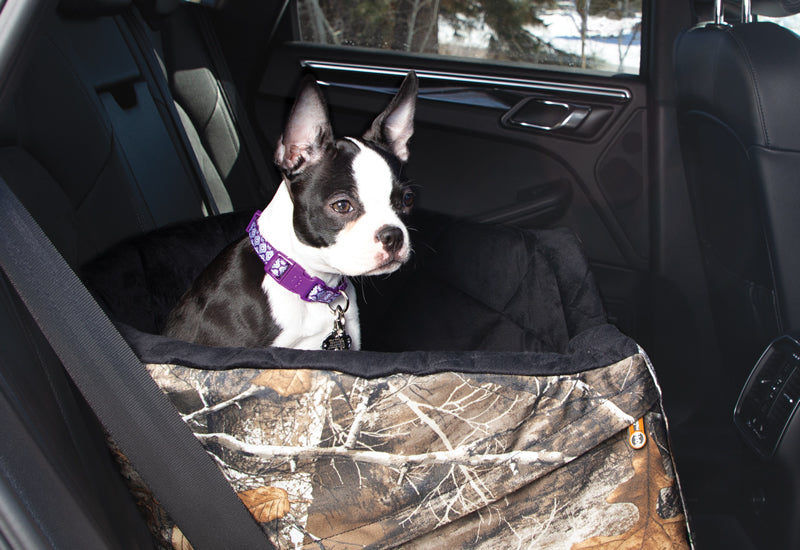
The rear seat, secured in a crash-tested crate or harness, is safest. Avoid the front seat because of airbags.
How long can a dog ride in a car?
Most dogs do well with a break every 2 to 3 hours. Plan short stops for water, potty, and a stretch.
Can I let my dog ride in the front seat?
Do not. Airbags can injure dogs, even at low speeds. Rear seat with a proper restraint is safer.
How do I prevent motion sickness in dogs?
Feed a small meal 3 to 4 hours before departure. Use smooth driving, cool airflow, and ask your vet about anti-nausea support.
Should I sedate my dog for car travel?
Avoid heavy sedation unless your vet says it is needed. It can mask distress and affect balance.
What is the best way to secure a small dog?
Use a rigid, well-vented carrier that is strapped to the seat belt. A soft carrier is for short trips only and still must be secured.
What is the best way on how to travel with dog safely by car?
Use a crash-tested restraint, plan frequent breaks, and keep temps stable. Training and calm routines do the rest.
Conclusion
You now know how to travel with dog safely by car from vet prep to road routine. Secure your dog, keep cool air flowing, and stick to planned breaks. With a safe setup and simple training, your co-pilot will snooze from driveway to doorstep.
Take action this week. Fit a proper harness or crate, run two short practice drives, and pack your travel kit. Ready for more tips? Subscribe, share your road story, or leave a question below.

Pet Care Writer & Researcher
Daniel writes practical guides on daily care, feeding, and safety, turning complex topics into simple, actionable advice.