How To Reduce Dog Fear Of Fireworks: Proven Calming Tips
Learn how to reduce dog fear of fireworks with expert tips, safe training, and vet-backed calming methods. Help your pup stay relaxed during loud celebrations
Reduce firework fear with gradual sound training, cozy hideaways, and guided vet support.
If loud bangs leave your dog shaking, you are not alone, and there is real help. In this guide, I share how to reduce dog fear of fireworks with simple steps that work in real homes. I draw on years of behavior work and the latest vet insights. You will leave with a plan you can use tonight, and a training path that builds calm for life.
Understand why fireworks scare dogs
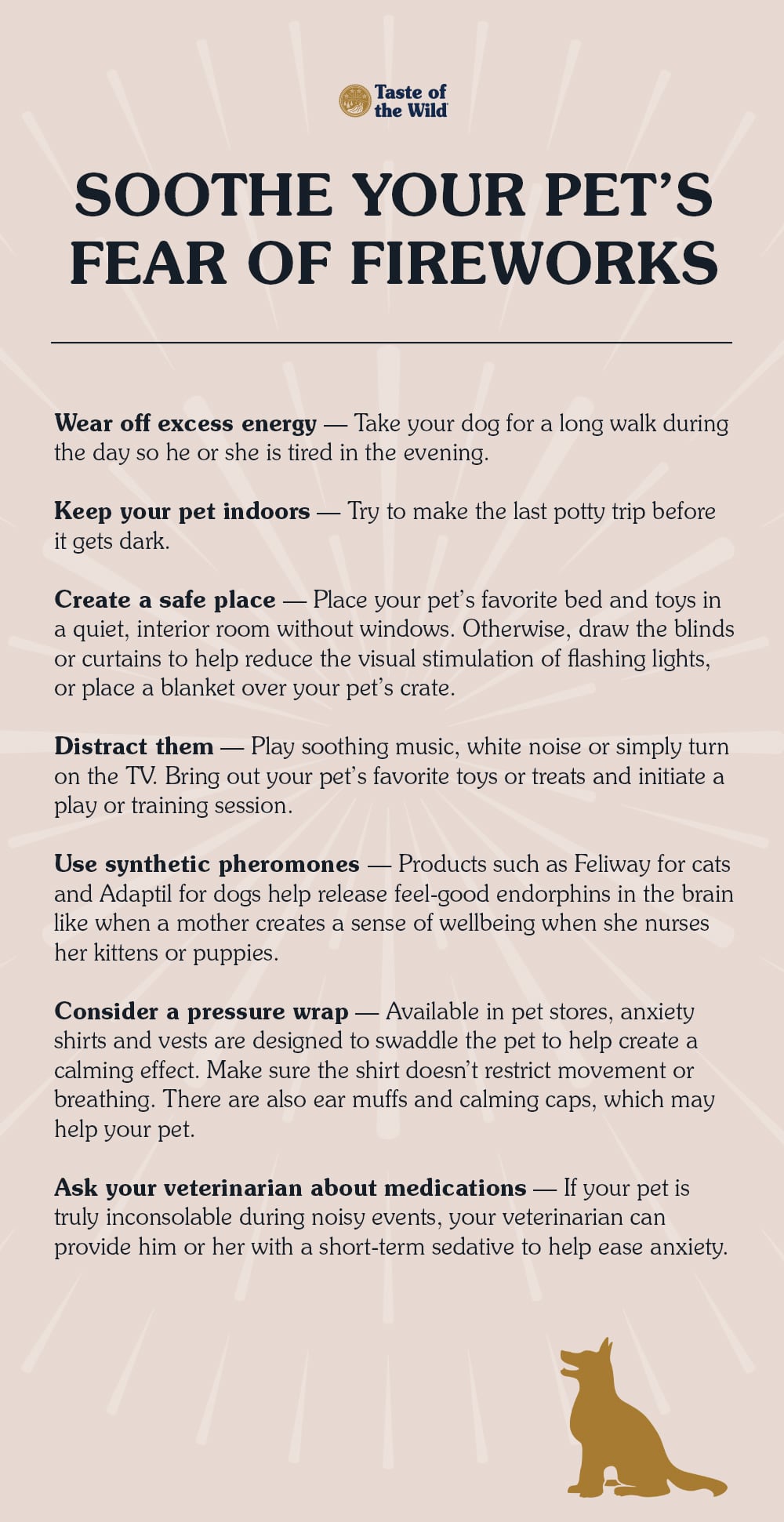
Fireworks are sudden, loud, and random. Dogs cannot predict or control them. Their hearing is sharper than ours. Low rumbles and sharp cracks hit them hard.
Some dogs also link the smell of smoke with danger. Light flashes add to the shock. Past scares and genetics play a role too. This base helps us plan how to reduce dog fear of fireworks.
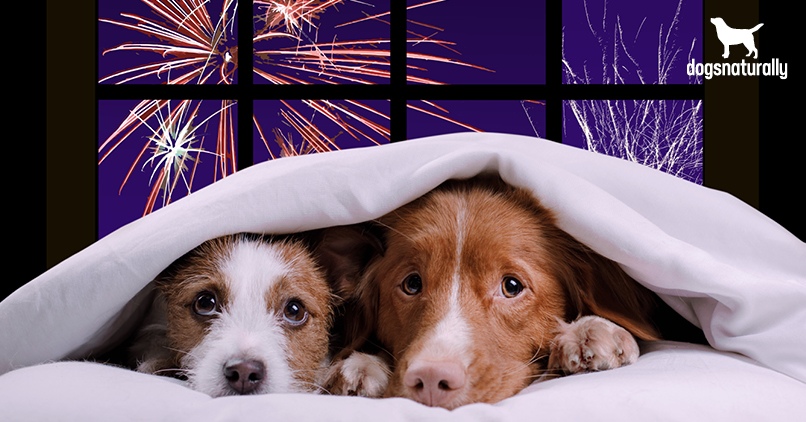
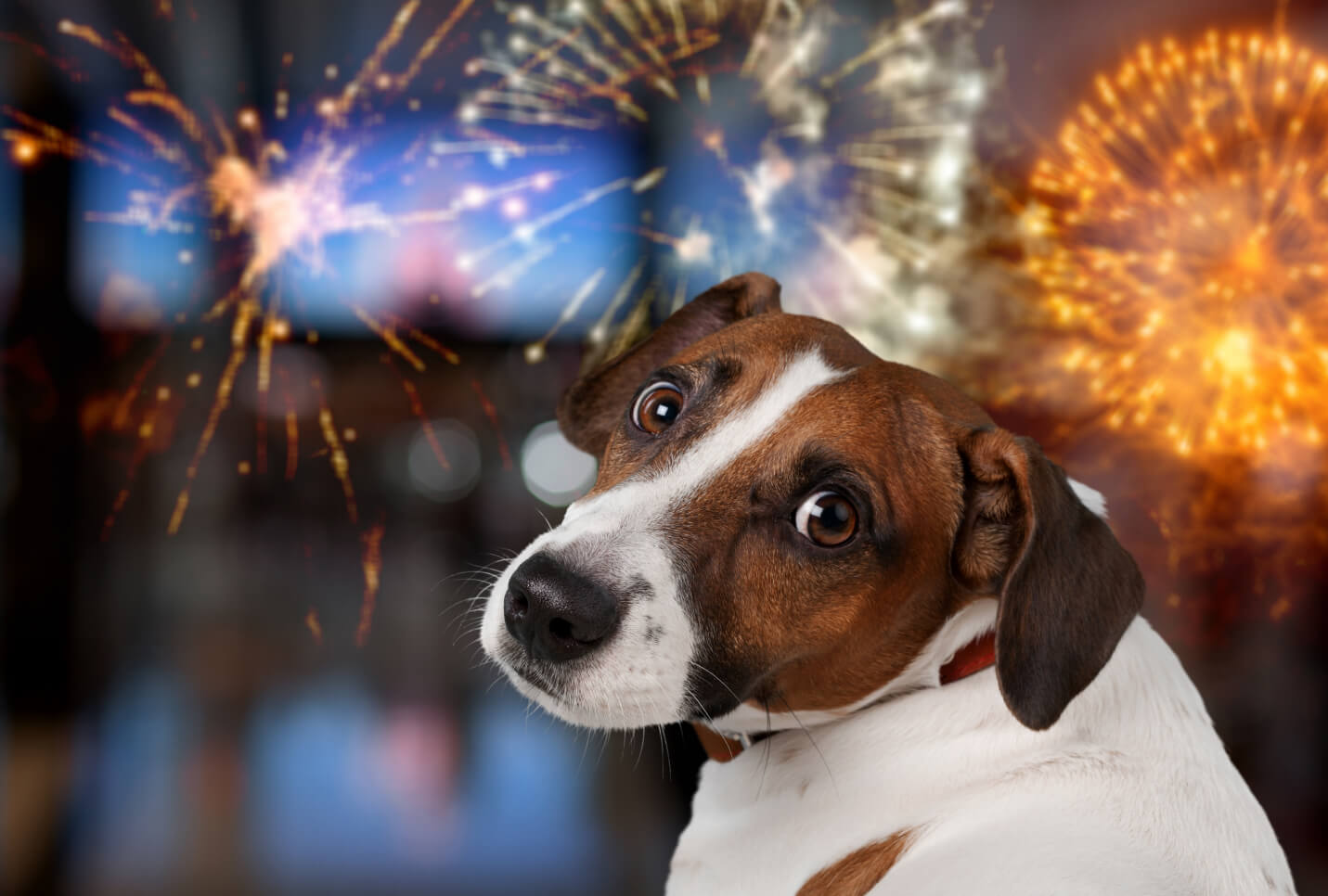
Look for early signs of fear. These can be lip licks, yawns, pinned ears, or a tight mouth. A scared dog may pace or hide. Some try to bolt or chew to escape. Knowing this helps you act fast.
My own dog, Nala, shook at every pop when I first adopted her. We used slow sound training, a safe den, and a vet plan. Today she can relax with soft music and a chew. That is the core of how to reduce dog fear of fireworks.
Prep weeks before: training that builds calm
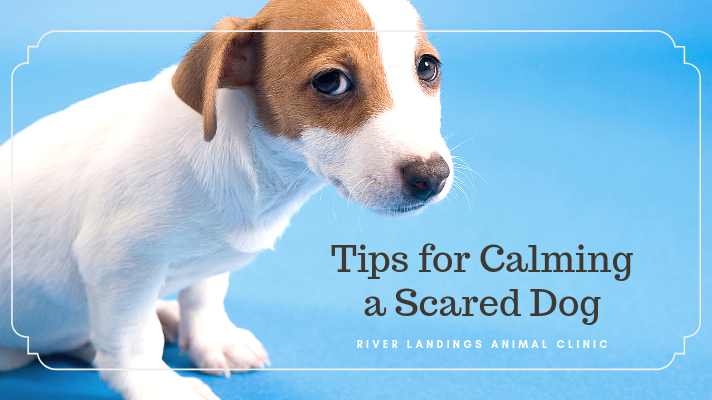
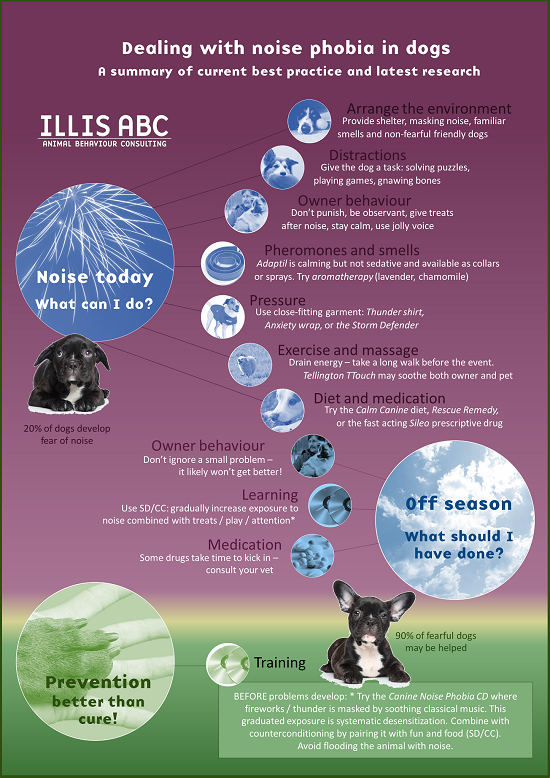
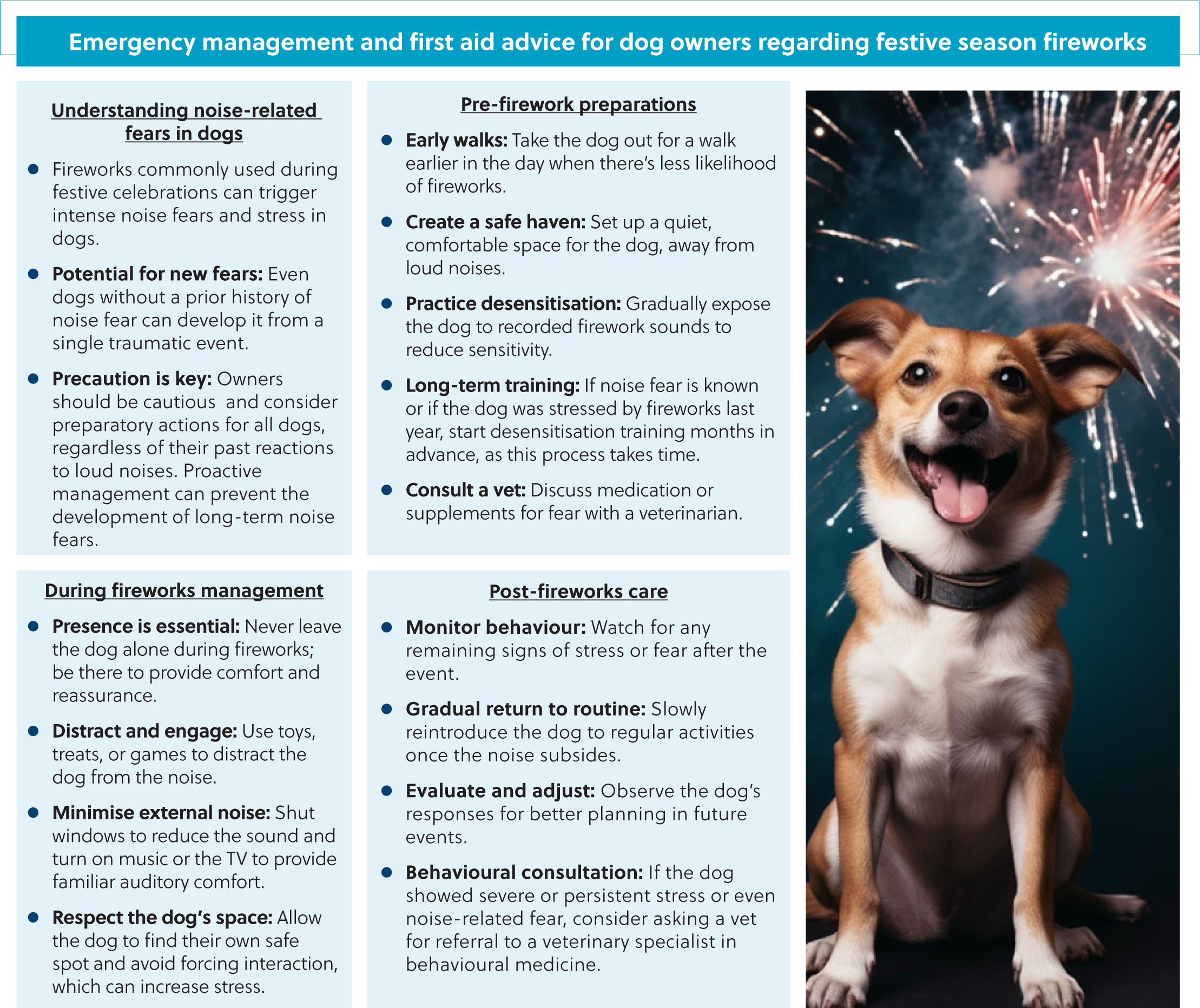
Training is the heart of how to reduce dog fear of fireworks. Start early if you can. Use desensitization and counterconditioning. That means tiny sound doses, always paired with good things.
Try this simple plan:
- Pick firework sounds from a trusted audio source. Start at a very low volume.
- Play for 2 to 5 minutes while your dog eats high-value treats.
- If your dog stays relaxed, nudge the volume up one notch next time.
- Mix in play or sniff games so the sound predicts fun.
- Train 4 to 5 days per week for 2 to 6 weeks.
Add a relax mat routine. Teach a settle cue with calm petting and slow breaths. Use the same mat later during live events. This bridges the gap in how to reduce dog fear of fireworks.
Generalize to many rooms. Change the time of day. Keep sessions short and sweet. Track your dog’s comfort on a simple 1 to 5 scale. If fear rises, go back to the last easy step.
Build a safe space that feels like a hug
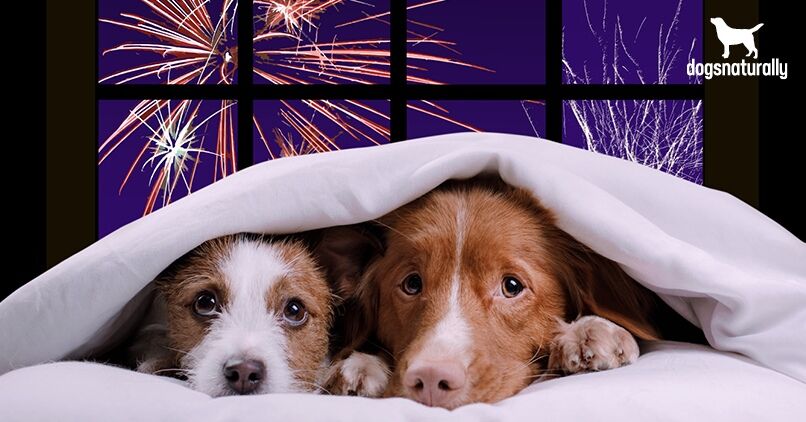
A safe space tells your dog, “This is your calm zone.” It can be a crate, a closet, or a corner den. Aim for soft, dark, and quiet.
Set it up with:
- A comfy bed and a cover to dim light.
- White noise, a fan, or calm music to mask bangs.
- A dog appeasing pheromone diffuser near the area.
- Long-lasting chews or a stuffed food toy.
- Fresh water and a potty break plan.
Let your dog choose to use the den. Never force it. Practice calm time there every day. This simple step is a key part of how to reduce dog fear of fireworks.
Day-of game plan for fireworks nights
Big nights need a clear plan. Think of it like storm prep. You want your dog a little tired, well fed, and settled before the first bang.
Use these steps:
- Give a long sniff walk well before dark. Keep a leash on, even in a yard.
- Feed a normal meal a bit early. Then offer a puzzle feeder near showtime.
- Close windows and curtains. Turn on TV or music to mask noise.
- Sit with your dog if they want you. Calm touch and soft voice can help.
- Keep ID tags on. Check the microchip info. Secure doors and gates.
Do not scold fear. It is not a choice. If your dog climbs into your lap, it is okay to comfort them. You will not “reward” fear. You will teach safety, which supports how to reduce dog fear of fireworks.

Calming aids and when to call the vet
Some dogs need more help. This is normal. Add tools with care and a vet plan. This is often the missing link in how to reduce dog fear of fireworks.
Options to discuss with your vet:
- Pheromones: Dog appeasing pheromone diffusers, sprays, or collars.
- Pressure wraps: Snug vests that can lower arousal for some dogs.
- Ear protection: Can soften sharp cracks in sound-sensitive dogs.
- Supplements: L-theanine, alpha-casozepine, or melatonin may help. Ask for dosing.
- Prescription meds: Trazodone, gabapentin, clonidine, or dexmedetomidine gel can be part of a plan. Avoid acepromazine alone, as it can sedate without easing fear.
Be careful with CBD and essential oils. Quality and dosing vary. Some oils are toxic to pets. Always use products made for dogs, and follow your vet’s advice. Pair any aid with training. That is how to reduce dog fear of fireworks for the long term.
Mistakes to avoid
Good help can fail if we make common errors. Learn from my early stumbles with Nala. Small fixes can change the whole night.
Avoid these pitfalls:
- Waiting until the day of the show to start training.
- Playing loud firework tracks to “get them used to it.”
- Leaving a panicked dog alone for hours.
- Using punishment or yelling when your dog vocalizes.
- Skipping ID checks or safe yard checks.
- Locking dogs in rooms with hazards or poor airflow.
Make a checklist and post it on your fridge. Simple prep is key in how to reduce dog fear of fireworks.
Track progress and build resilience for life
Lasting change takes notes and small wins. Keep a log. Write the sound level, your dog’s body signs, and what worked. This shows trends and keeps hope alive.
Aim for steady, not perfect. You want fewer startle spikes and faster recovery. Add a “relax cue,” like a slow exhale or a word, paired with calm touch. Use it year-round. This steady groove is how to reduce dog fear of fireworks for good.
If fear is severe or not improving, seek a certified trainer or a veterinary behaviorist. They can tailor meds and training. Heavy fear is a health issue, not a training flaw.
Frequently Asked Questions of how to reduce dog fear of fireworks
How long does it take to fix firework fear?
Mild cases can improve in a few weeks with daily work. Severe cases may need months and vet support.
Should I comfort my dog during fireworks?
Yes, if your dog seeks you out, offer calm support. You cannot reinforce fear, but you can build trust.
Do calming vests really work?
They help some dogs by adding gentle pressure. Try a proper fit during calm times first.
What sound tracks should I use for training?
Use high-quality firework recordings at a very low volume. Pair the sound with food or play to build a good link.
Is medication safe for firework fear?
Many meds are safe when prescribed by a vet. Test the dose on a calm day to watch for side effects.
Can I use CBD for my dog’s anxiety?
Talk to your vet first. Product quality and dosing vary, and research is still limited.
What if I do not have time before the holiday?
Focus on management: safe space, masking noise, and vet-approved aids. Start full training after the event.
Conclusion
You can help your dog feel safe when the sky explodes with sound and light. Start early with tiny sound steps, build a cozy den, and plan the night. Add vet tools when needed. That is the plain path for how to reduce dog fear of fireworks, and it works.
Pick one step today. Set up the safe space and play a one-minute sound at whisper volume. Then build from there. If this helped, share it with a friend, subscribe for more dog behavior guides, or leave a question so I can help you next.

Pet Care Writer & Researcher
Daniel writes practical guides on daily care, feeding, and safety, turning complex topics into simple, actionable advice.