How To Create Positive Training Sessions For Dog: 2026 Tips
Learn how to create positive training sessions for dog with step-by-step tips, rewards, and games to boost focus, confidence, and good manners. Start today.
Use rewards, short sessions, and clear cues to help your dog learn.
I’ve trained hundreds of dogs, from shy rescues to bouncy puppies. In this guide, I’ll show you how to create positive training sessions for dog that are simple, kind, and effective. We’ll cover setup, steps, rewards, and fixes for common hiccups. By the end, you’ll know how to create positive training sessions for dog that you and your pup will love.
Why positive training works
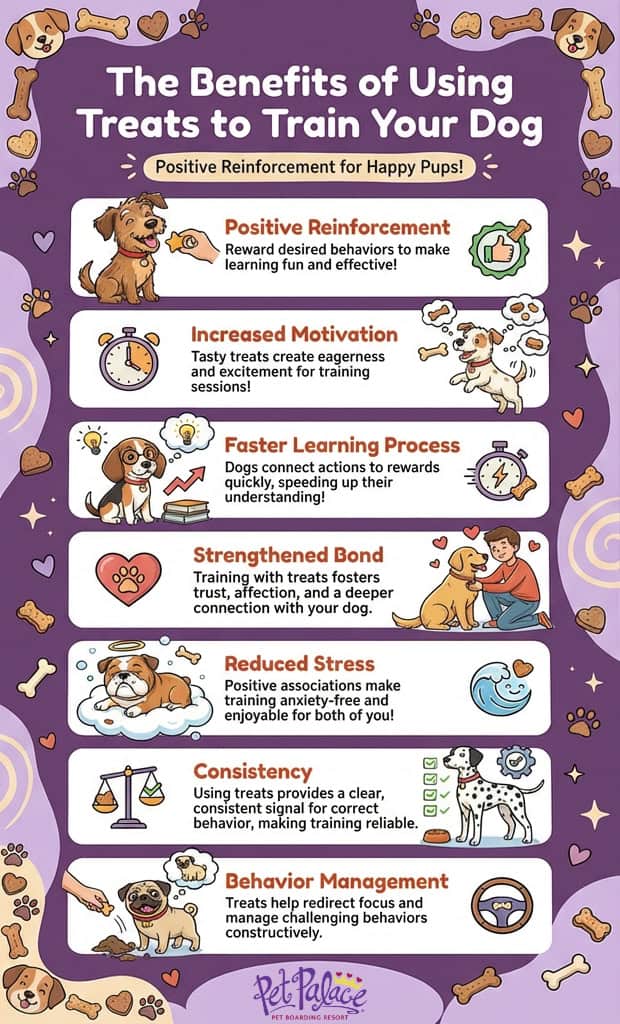
Dogs repeat what brings good outcomes. Reward-based training taps into that natural drive. When we mark the right behavior and pay fast, we teach clear cause and effect. Studies in animal learning show reward-based training builds better focus and fewer stress signs than force.
Think of rewards like a paycheck. The right pay makes hard work feel fun. When you learn how to create positive training sessions for dog, you build trust, not fear. That trust fuels lasting results and a stronger bond.
Set the stage: environment, timing, and mindset
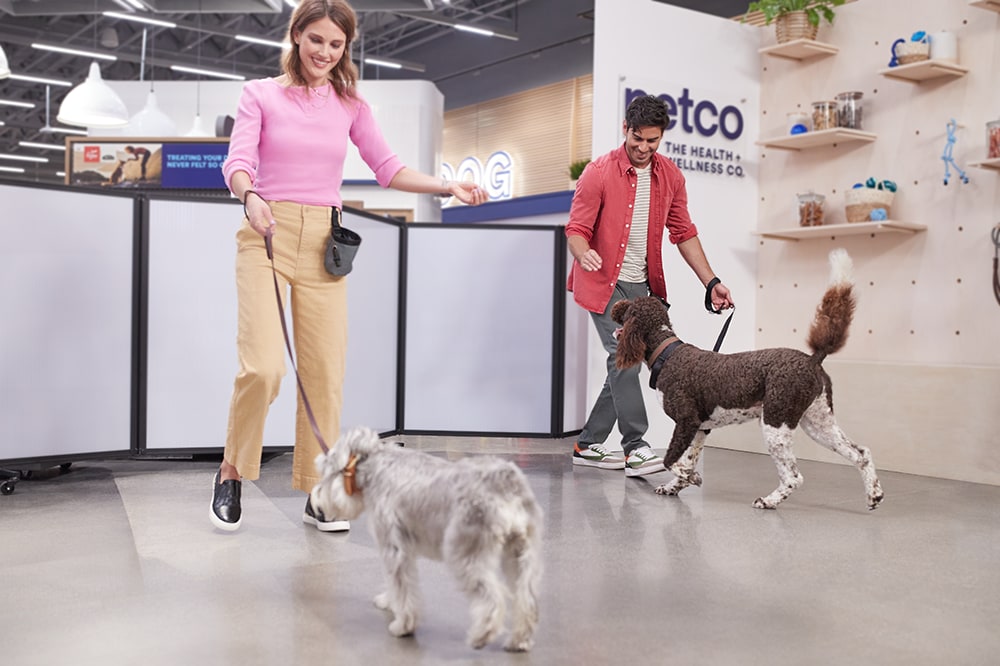
Start in a quiet room with few smells and sounds. Put away toys and food bowls. Keep kids and other pets out for a bit.
Pick a time when your dog is awake but calm. After a potty break is best. Keep water nearby and cut all sessions short and sweet.
Bring a kind, curious mindset. Aim for progress, not perfection. If you feel tense, pause. When you plan how to create positive training sessions for dog, your own calm energy matters.
Build your reward system and a marker
Use small, soft treats. Think pea-size bits. Test a few: cooked chicken, cheese, or a top-tier store-bought treat. If your dog loves toys more, use a tug or ball. Life rewards also work: opening a door, sniff time, jumping on the couch (when allowed).
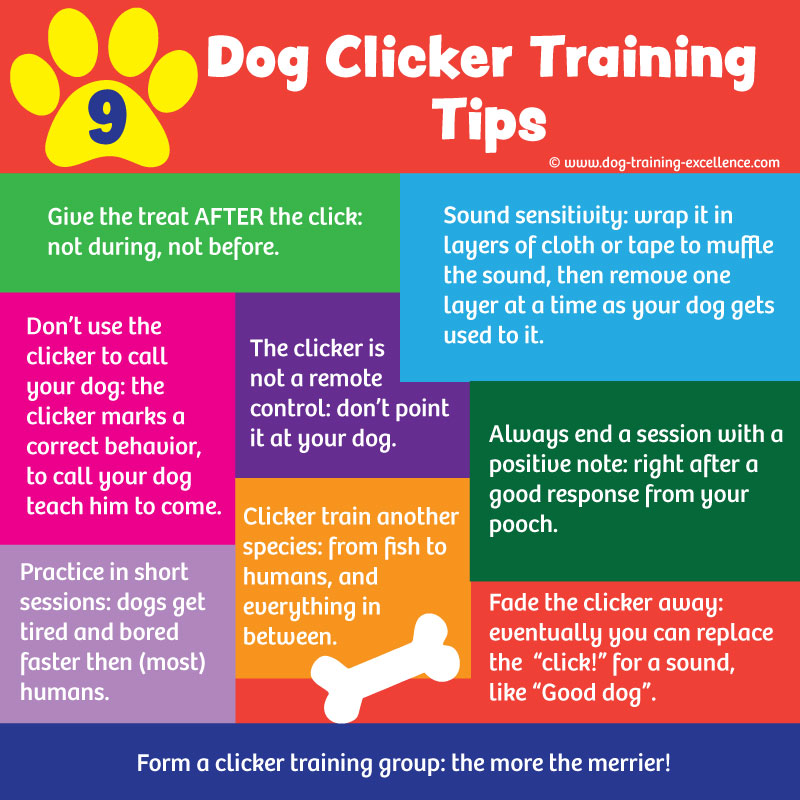
Choose a marker. A clicker is crisp and fast. A short word like “Yes!” works too. First, charge your marker: say the word, then feed a treat, ten times, with a beat between each. I’ve seen picky dogs light up once the marker starts to predict good things. This simple step powers how to create positive training sessions for dog.

Plan your session structure
Short beats long. Aim for 3 to 5 minutes. Two to five sessions a day is plenty. End while your dog still wants more.
Break skills into tiny steps. Do 3 to 5 reps, then a few seconds of play or a sniff. Switch between easy wins and one small challenge. Keep the rate of pay high at first: a treat for most reps.
Use a simple flow:
- Warm-up with one easy cue.
- Train one new slice of a skill.
- Play break or sniff.
- Repeat the slice or switch to a known cue.
- End on a win, then stop.
This flow is a core part of how to create positive training sessions for dog.
Step-by-step: how to create positive training sessions for dog
- Define one clear goal. For example, “butt touches the floor when I say sit.”
- Split the goal. List 3 to 5 tiny steps that lead to the goal.
- Set the scene. Quiet space, treats ready, leash off if safe.
- Charge the marker. Five quick reps to warm up the game.
- Lure or capture. Use a treat to guide, or wait and mark the behavior you want.
- Mark, then pay. Marker comes first, treat right after. Pay at the dog’s mouth or where you want the dog to be.
- Do 3 to 5 reps. Keep it snappy. If the dog stalls, the step is too hard.
- Raise the bar a hair. Change only one thing: speed, distance, or distraction.
- Add the cue. Say the word once, then help. Mark and pay. Repeat.
- Bank a win. End the session. Play or let your dog sniff to close on a high.
If you follow these steps, you will feel how to create positive training sessions for dog that click fast and stick.
Teach core cues the positive way
Start with useful skills that fit daily life. Use the same steps each time: set a tiny goal, mark the right moment, and pay fast. This is how to create positive training sessions for dog without stress.
Sit
- Lure the nose up and back. Mark when the butt hits the floor.
- Fade the lure fast. Add the word “Sit” once the dog offers it.
Down
- From a sit, lure to the floor between the paws.
- Mark the elbows hitting the ground. Add the cue after a few reps.
Come
- Start indoors on a long line. Say “Come,” then run back a step.
- Mark when the dog moves to you. Pay big: treats, tug, or a party.
Leave it
- Show a treat in a closed fist. Mark the moment your dog backs off.
- Pay with a better treat from the other hand. Build to items on the floor.
Loose-leash walking
- Pay at your thigh for a few steps with slack. Turn if the leash tightens.
- Keep the dog in the reward zone by paying often at first.

Read your dog: body language and stress
Watch the ears, eyes, tail, and mouth. Yawns, lip licks, and a head turn can mean “I need a break.” A tight face or whale eye means the step is too hard. Lower the bar and pay for easy wins.
Use a consent check. Offer your hand. If your dog moves in, keep going. If not, pause or stop. When you learn how to create positive training sessions for dog, consent and choice build trust fast.
Troubleshooting and common mistakes
- Dog won’t focus: Train after a potty break and before meals. Use better treats. Cut distractions.
- Slow progress: Your steps are too big. Split smaller. Mark sooner.
- Dog jumps or nips: Toss treats on the floor to reset arousal. Ask for a quick sit, then pay low.
- Late timing: Practice with a friend. They fake a behavior; you mark and pay. Build speed.
- Cue gets messy: Say the cue once. Help after a beat. Mark, pay, then reset.
If you feel stuck, return to basics. Revisit how to create positive training sessions for dog by cutting session length, raising pay, and lowering pressure. I’ve rescued many “stalled” teams with that simple reset. It works.
Track progress and keep it fun
Keep a tiny log. Note date, skill, best rep, and what to tweak. A few words are enough. Wins add up when you see them on paper.
Use criteria ladders. Change only one thing at a time: speed, distance, or distraction. Move up when you get 4 out of 5 clean reps. This steady climb is at the heart of how to create positive training sessions for dog.
Sprinkle in play. Try tug, food chases, or sniff breaks. Fun fuels focus.
Special cases: puppies, rescues, and sensitive dogs
Puppies need sleep and short bursts. Protect joints. Use soft floors and slow, easy steps. Let them explore with lots of pay for calm.
Rescue dogs may need trust first. Use quiet rooms, gentle voices, and simple wins. Let them say no. Choice is a reward too.
Sensitive or reactive dogs need distance from triggers. Start far away, pay for look-then-back-to-you. This is how to create positive training sessions for dog who find the world loud or scary.
Tools and safety
Use a flat collar or harness and a standard leash. A treat pouch and clicker help a lot. A mat or bed is great for calm training.
Skip choke, prong, and shock tools. Research links aversive tools with more stress signs and risk of fallout. If safety is a concern, work with a vetted, reward-based pro. That support can sharpen how to create positive training sessions for dog and keep everyone safe.
Frequently Asked Questions of how to create positive training sessions for dog
How long should each session be?
Aim for 3 to 5 minutes. Stop before your dog fades so they want more next time.
How many sessions should I do per day?
Two to five mini sessions work well. Space them out and end on a win.
What if my dog isn’t food motivated?
Try higher-value food or mix in toys and play. Use life rewards like sniffing, doors opening, or hopping in the car.
Can I use a clicker and a marker word?
Yes, but use one per session for clarity. Clickers are crisp; words work well in public.
When do I add the cue?
Add the cue once your dog offers the behavior fast. Say it once, then help, mark, and pay.
How do I handle distractions?
Lower your criteria and get distance. Pay more often, then slowly add one distraction at a time.
What if my dog gets overexcited?
Use slow feeding on the floor and calm breaks. Train after exercise, not when your dog is bouncing off the walls.
When should I see a professional?
If there’s fear, aggression, or no progress after two weeks. Look for a force-free, reward-based trainer.
Conclusion
Positive training is simple: mark the right thing and pay fast, in short, fun bursts. Start small, split steps, and listen to your dog. With this plan, you know how to create positive training sessions for dog that build skills and trust.
Pick one skill today and run a 3-minute session. Log your best rep. Then build from there. Want more tips like this? Subscribe, share your wins in the comments, and tell me what you want to teach next.

Pet Care Writer & Researcher
Daniel writes practical guides on daily care, feeding, and safety, turning complex topics into simple, actionable advice.