What Are Dog Beds Stuffed With: Filling Guide
What are dog beds stuffed with? Learn about foam, fiber, cotton, and other fillings to choose a comfortable, supportive bed for your dog.
Dog beds sold in the United States are usually stuffed with polyester fiberfill, foam, memory foam, polyurethane foam, shredded foam, cotton, wool, or a blend of these materials. The best fill depends on your dog’s size, age, sleep style, chewing habits, and need for joint support.
Soft fiberfill feels like a pillow. Foam gives firmer support. Memory foam molds around the body. Natural fibers feel breathable but may flatten or absorb moisture. No single filling works best for every dog.
Common materials used to stuff dog beds
Most dog beds use one or more of the following filling materials. The label may call them by different names, so it helps to know what each term means.
Polyester fiberfill
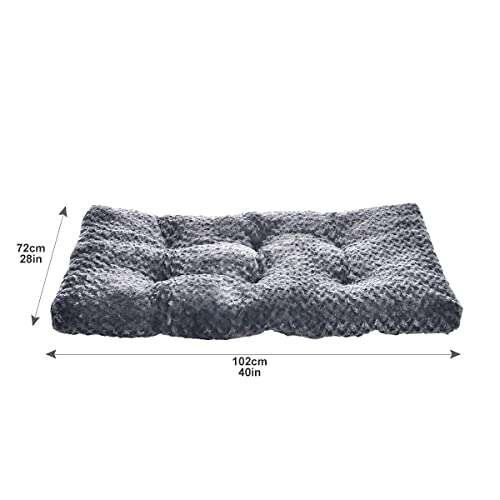
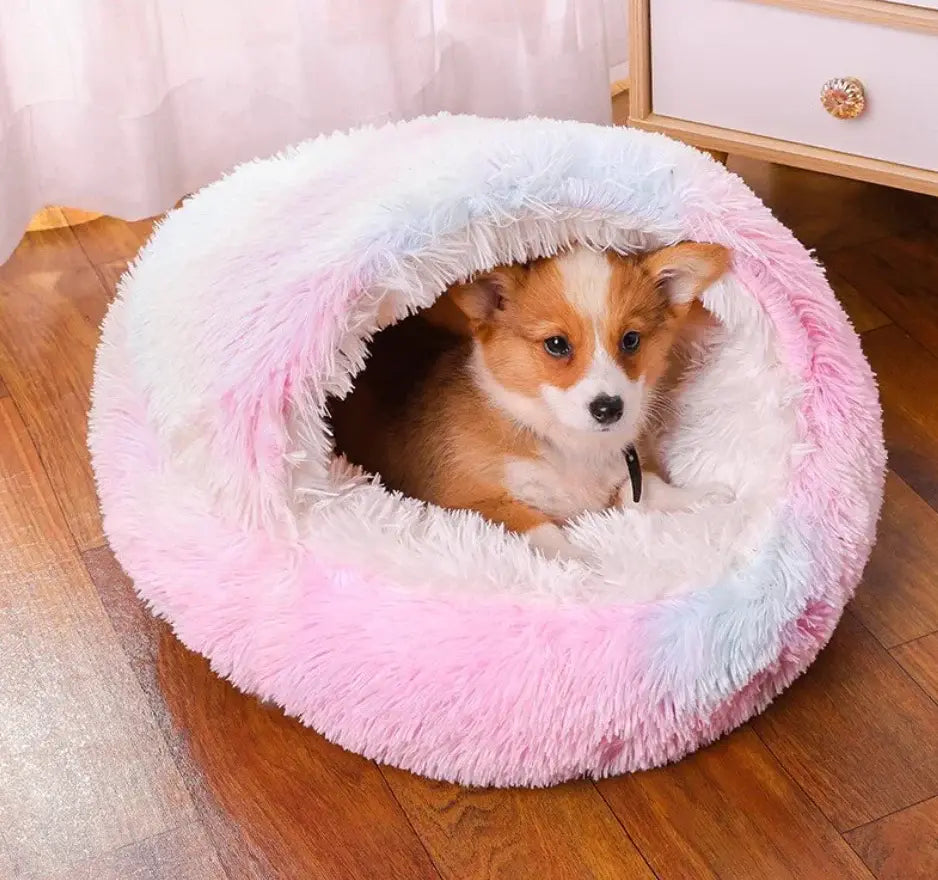
Polyester fiberfill is one of the most common dog-bed fillings in the United States. It is a light, synthetic material made from fine polyester fibers.
It may appear as:
- Loose, fluffy fibers
- A solid cushion insert
- Clustered “down alternative” fill
- Recycled polyester fibers
- Polyester batting wrapped around foam
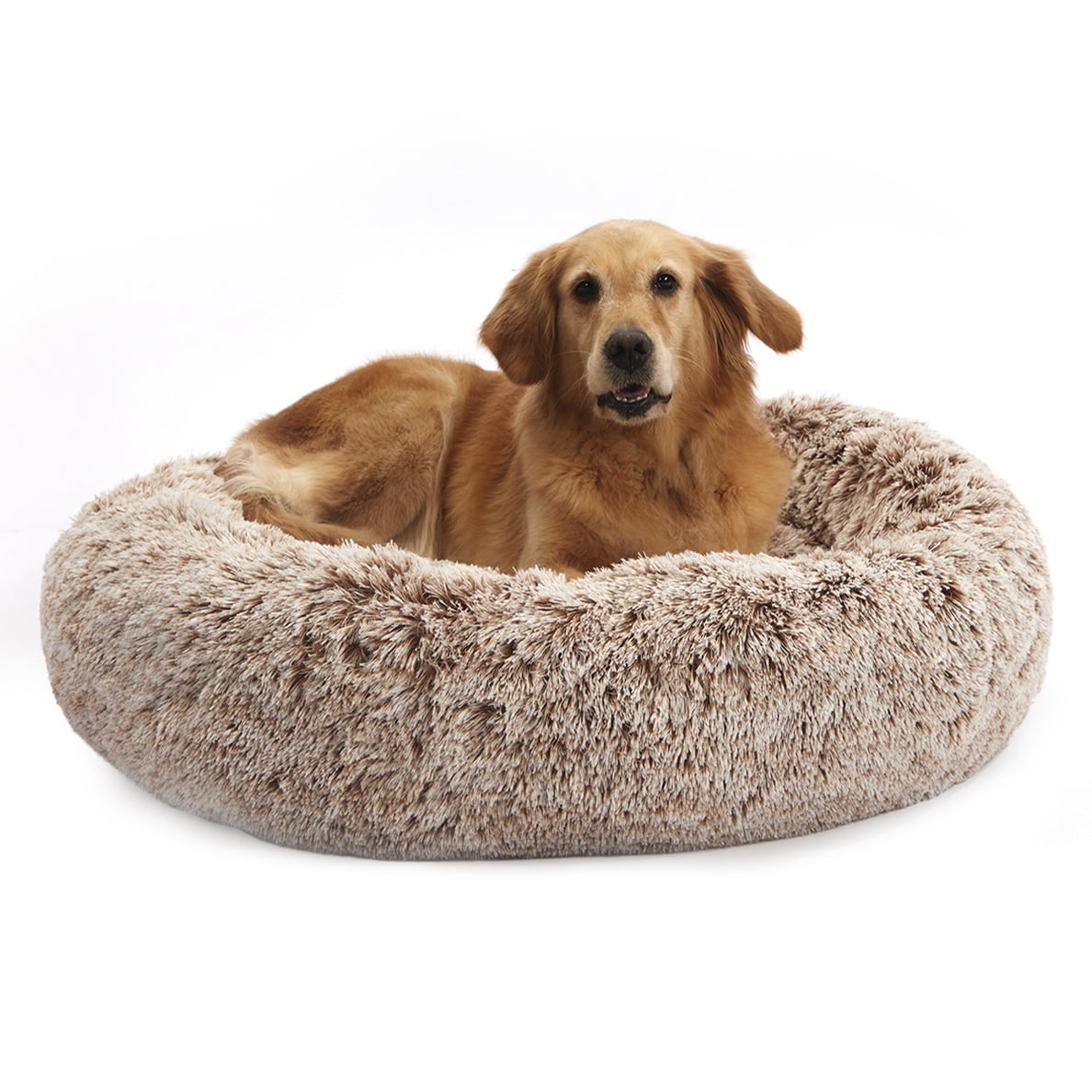
Fiberfill creates a soft, plush bed. It is often used in bolster beds because manufacturers can pack it into the raised sides.
Its main benefits are low cost, light weight, and easy shaping. It also dries faster than many natural fibers. However, it can flatten or clump with frequent use. A large dog may compress it more quickly than a small dog.
Polyurethane foam
Polyurethane foam is a solid foam used in many basic and orthopedic dog beds. It comes in several densities and firmness levels.
A foam slab can provide more even support than loose stuffing. It does not shift as easily, and it often keeps its shape longer than low-quality fiberfill.
The label may say:
- Upholstery foam
- Support foam
- High-density foam
- Orthopedic foam
- Polyurethane foam
“Orthopedic” is often a product term, not a guarantee of medical benefit. Look for clear details about the foam’s thickness, density, and construction instead of relying on that word alone.
Memory foam
Memory foam is a type of polyurethane foam that responds to body heat and pressure. It slowly molds around the dog’s body and then returns toward its original shape.
A memory-foam dog bed may contain:
- A solid memory-foam slab
- A memory-foam top layer over support foam
- Shredded memory foam
- A blend of memory foam and other foam
Memory foam can spread a dog’s weight over a larger area. This may feel helpful for senior dogs or dogs that prefer a firm, stable surface. It can also retain more heat than open-cell foam, especially in a warm room.
Shredded foam
Shredded foam consists of small pieces of foam placed inside a fabric cover. It may include memory foam, polyurethane foam, or both.
This fill has a soft, moldable feel. You can often move or fluff it to change the bed’s shape. Some dogs like the nest-like feel.
The trade-off is that shredded foam can shift during use. It may form gaps or lumps if the inner cover is not well made. A zipper can also create a risk if a dog can reach and chew the foam.
Latex foam
Latex foam is made from natural latex, synthetic latex, or a blend. It has a springy feel and usually returns to shape faster than memory foam.
Latex can offer firm support without feeling as stiff as some solid foam. It may also resist permanent compression better than low-cost fiberfill. Still, latex beds can cost more, and some dogs may find the texture too firm.
Check whether the label says natural latex or synthetic latex. These terms are not interchangeable.
Cotton and other plant fibers
Cotton may be used as loose filling, batting, or a layer around foam. Some beds also use hemp, kapok, or other plant-based fibers.
Natural fibers can feel soft and breathable. They may suit dogs that prefer a lighter, less dense bed. Their weakness is moisture. Cotton can hold water, urine, drool, and skin oils. If it stays damp, it may develop an odor or support mold growth.
A cotton-filled bed needs prompt drying after washing.
Wool
Wool is less common than polyester but appears in some natural-fiber dog beds. It can provide warmth and loft while allowing some air movement.
Wool may be a poor fit for dogs that overheat, chew bedding, or have access to wet outdoor areas. It can also shrink or felt if washed with too much heat or friction. Follow the care label closely.
Cedar and other odor-control fills
Some dog beds contain cedar chips or cedar shavings. These products are marketed to help control odor or insects.
Cedar can irritate a dog’s skin or airways. Loose wood pieces can also create a mess and may be unsafe if swallowed. The American Society for the Prevention of Cruelty to Animals (ASPCA) advises caution with aromatic oils and plant materials around pets. Ask a veterinarian before choosing a cedar-filled bed for a dog with breathing or skin problems.
Which stuffing is best for different dogs?
The best dog-bed filling depends on the dog, not just the material. A healthy young dog may be comfortable on fiberfill. A large senior dog may need a thick foam base that does not bottom out.
| Dog or home need | Fill to consider | Main reason | Watch for |
|---|---|---|---|
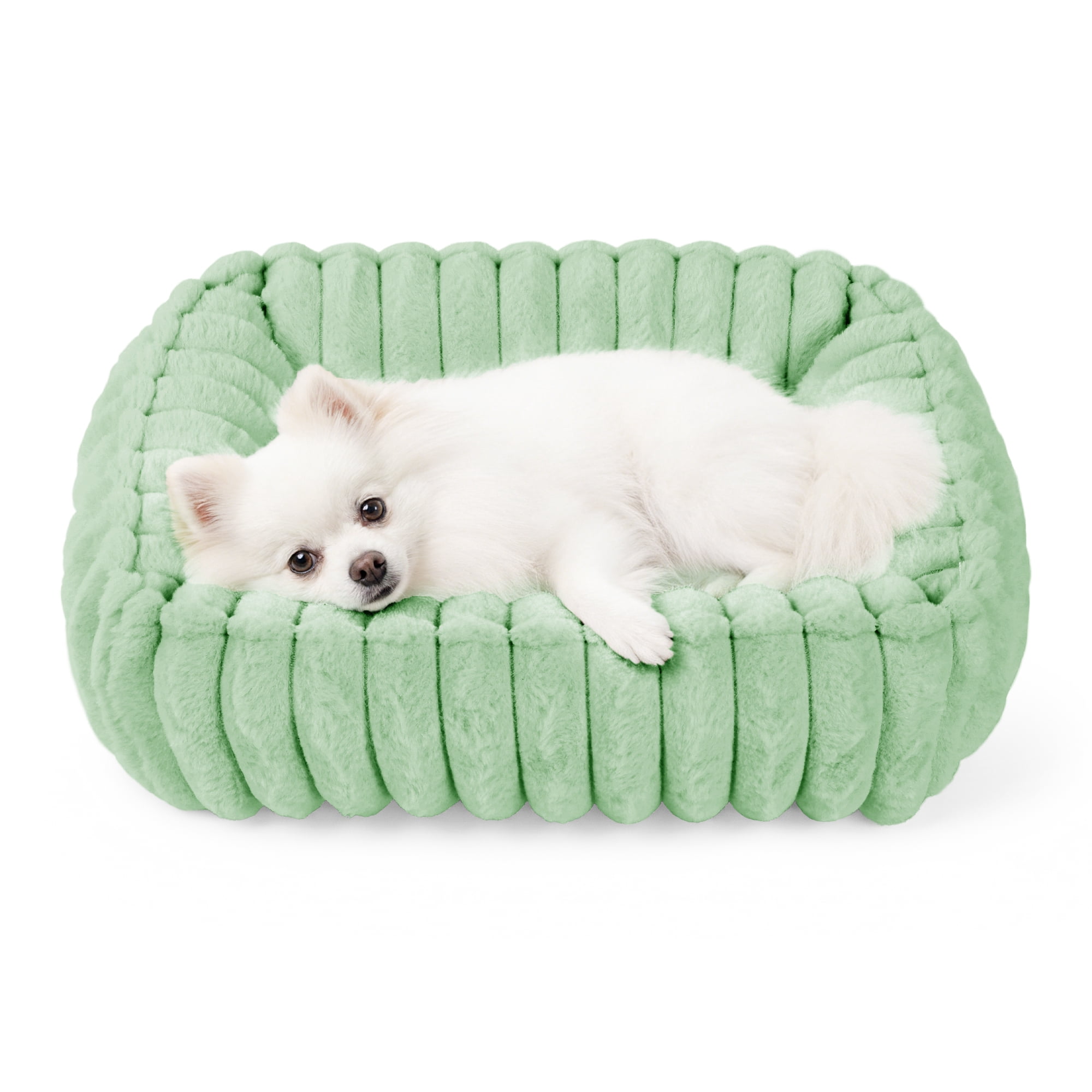
| Small dog that likes to curl up | Fiberfill or shredded foam | Soft and easy to nest in | Flattening and clumping |
| Large or heavy dog | Dense polyurethane foam or layered foam | More stable support | Thin foam that compresses to the floor |
| Senior dog or dog with stiff joints | Thick support foam with a memory-foam top | Cushions pressure points | Heat retention and weak edge support |
| Dog that sleeps hot | Open-cell foam or breathable fiberfill | Better air movement | Beds with thick, heat-trapping covers |
| Dog that chews beds | Tough, simple design with no loose fill access | Fewer pieces to swallow | Zippers, exposed foam, and torn seams |
| Dog that has accidents | Removable, washable cover over a waterproof liner | Easier cleaning | Cotton or foam left damp |
| Outdoor or damp area | Closed-cell foam or quick-dry fill | Less water absorption | Beds that stay wet inside |
| Dog that likes a firm surface | Solid foam or latex | Stable feel | Excessive firmness for thin or frail dogs |
For a senior dog, the most useful feature is often a supportive base with enough thickness to prevent the dog from pressing against the floor. Softness alone does not equal support.
For a hot dog, focus on the whole bed. A cool fill can still feel warm if the cover is thick, dark, or poorly ventilated.

How to tell what is inside a dog bed
Start with the product label and the manufacturer’s care instructions. A listing that says only “premium stuffing” does not tell you enough about the material.
Look for these details:
- Fill type — Identify whether the bed uses fiberfill, foam, latex, cotton, wool, or a blend.
- Construction — Check whether the fill is loose, solid, layered, or shredded.
- Foam thickness — A thin foam pad may provide less support than a thicker layered cushion.
- Cover material — The cover affects heat, drying time, durability, and cleaning.
- Waterproof liner — This helps keep urine and other fluids away from the internal fill.
- Wash instructions — Confirm whether the whole bed is washable or only the cover.
- Replacement insert availability — A replaceable insert may extend the life of the bed.
- Safety information — Look for warnings about chewing, outdoor use, and washing.
A product photo cannot reliably show the type or quality of stuffing. Two beds can look equally thick when one contains dense foam and the other contains loose fiberfill.
For foam products, CertiPUR-US certification can provide information about certain emissions, durability tests, and substances used in certified flexible polyurethane foam. It applies to the certified foam, not automatically to the entire dog bed. It also does not prove that a bed is suitable for every dog.
What is inside an orthopedic dog bed?
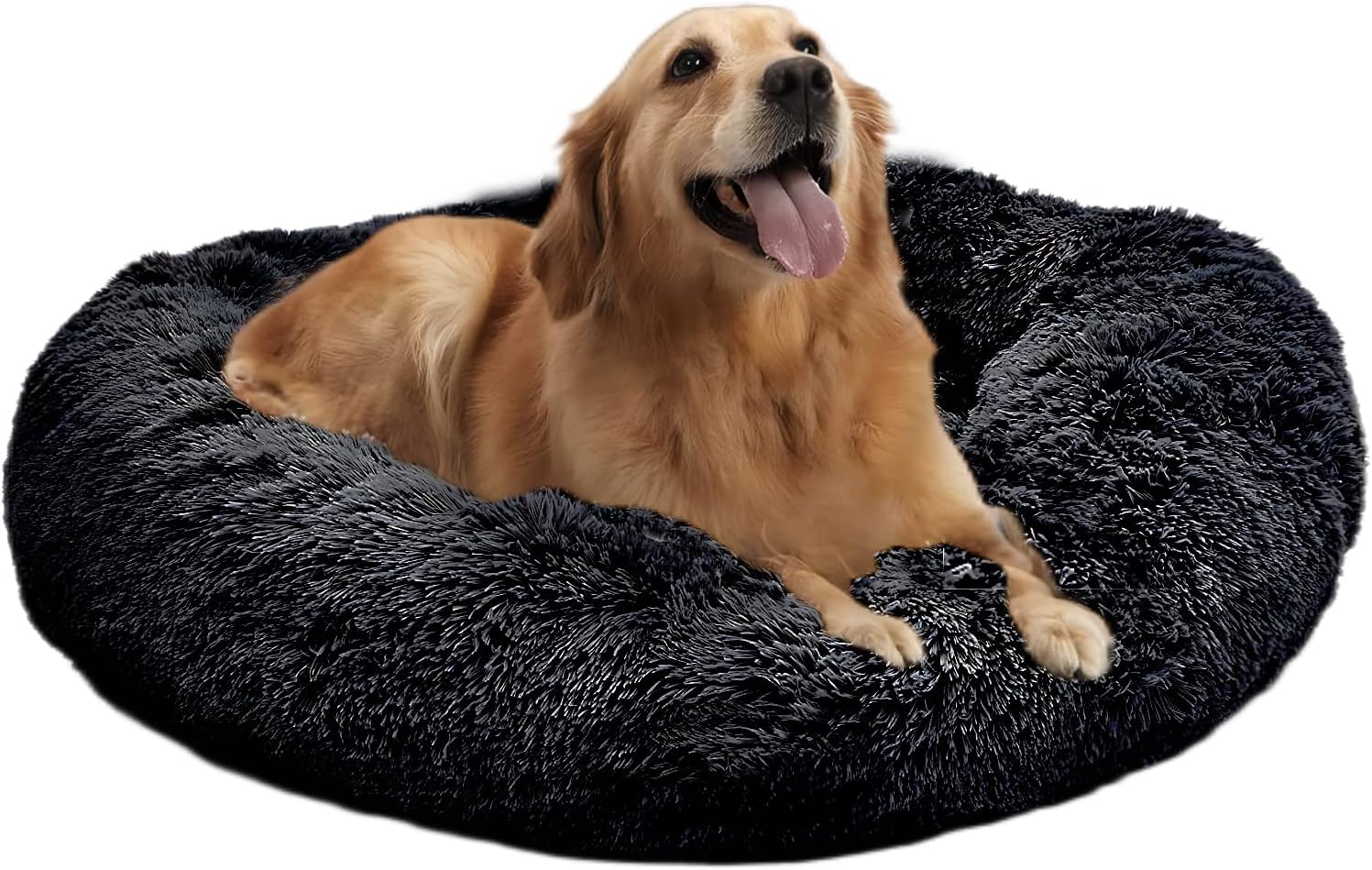
An orthopedic dog bed usually contains a thicker or denser foam base, often with a softer top layer. Common designs include polyurethane foam, memory foam, latex, or a combination.
The word “orthopedic” does not have one universal construction standard for all dog beds. Compare the actual materials instead:
- Is the foam solid or shredded?
- Does the base remain supportive under the dog’s weight?
- Is the bed thick enough for the dog’s size?
- Does the dog sink too far into it?
- Can the cover be removed and washed?
- Does the bed hold heat?
A practical test is to press your hand through the bed toward the floor. If the cushion bottoms out with light pressure, it may not provide much support for a heavy dog. This is only a rough home check, not a medical test.
If your dog has pain, trouble rising, limping, or a diagnosed joint condition, ask your veterinarian about bedding as part of the dog’s care plan. A bed can improve comfort, but it cannot treat the cause of pain.
Are dog-bed stuffing materials safe?
Most standard filling materials are intended for use inside a covered bed, not for eating. The main safety concern is what happens when a dog tears the cover and swallows the fill.
Loose fiberfill can cause stomach upset or an intestinal blockage. Foam pieces may also create a blockage risk. A dog that swallows fabric, foam, or stuffing should be watched closely and a veterinarian should be contacted for guidance, especially if vomiting, loss of appetite, belly pain, weakness, or trouble passing stool develops.
Replace or remove the bed when you see:
- Torn seams
- Exposed foam
- Loose stuffing
- Broken zipper parts
- Wet areas that do not dry
- A strong chemical or musty smell
- Deep lumps or flattened sections
- Chewed pieces on the floor
Do not assume that a “non-toxic” label means a dog can safely eat the filling. That phrase does not remove the risk of choking, obstruction, or irritation.
Keep new beds in a well-ventilated area if they have a strong odor. Follow the manufacturer’s instructions, and do not use harsh cleaners unless the label allows them.
How to choose the right stuffing for your dog
Use your dog’s behavior and body needs as the starting point.
Choose fiberfill when softness matters most
Fiberfill may work well for dogs that like to curl up, burrow, or rest their heads on raised sides. It is also useful when you need a light bed that is easy to move.
Choose a design with stitched compartments or a separate inner liner. These features can help keep the fill from moving into one large lump.
Choose foam when support matters most
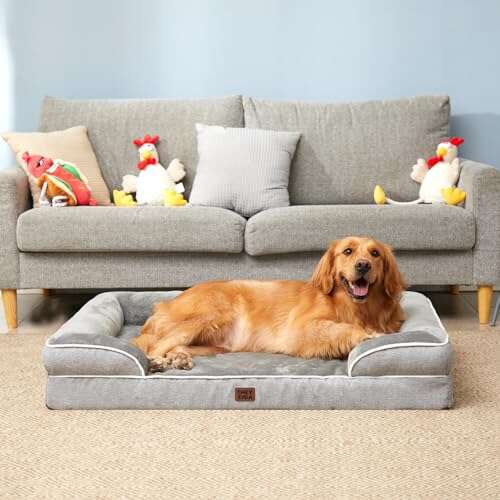
Foam is often the better choice for large dogs, long sleepers, or dogs that press hard into the bed. A layered foam bed can combine a stable base with a softer surface.
Avoid choosing by thickness alone. A very soft, low-quality foam may compress more than a thinner, denser foam.
Choose memory foam when pressure relief is a priority
Memory foam can suit older dogs that prefer a surface that molds around the body. Select a bed with a firm support layer beneath it if the dog is heavy or the memory foam feels too soft.
In warm climates or homes without strong air conditioning, check whether the cover and foam allow enough airflow.
Choose washable, moisture-resistant construction for messy dogs
For puppies, incontinent dogs, and dogs that spend time outdoors, the cover and liner may matter more than the exact stuffing. A waterproof inner cover can protect foam from urine and spilled water.
Wash and dry the bed according to the label. Do not put a foam insert back into use while it is still damp inside.
Common mistakes when buying a stuffed dog bed
The most common mistake is buying the softest bed without checking support. A plush bed may feel comfortable in the store but flatten under a large dog.
Other mistakes include:
- Choosing a bed that is too small for full-body stretching
- Ignoring the dog’s chewing habits
- Buying a non-washable bed for a puppy
- Assuming “orthopedic” proves medical quality
- Failing to check whether the cover fits after washing
- Using a thick, warm bed for a dog that overheats
- Leaving a torn bed available to a dog that eats fabric
- Choosing a bed that absorbs moisture for outdoor use
- Focusing on fill while ignoring the cover and waterproof liner
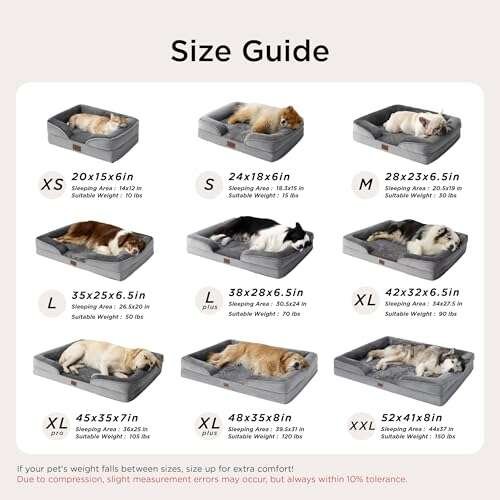
Measure your dog from nose to tail while the dog is relaxed. Add room for the dog to stretch and turn. If the dog sleeps curled up, the bed should still allow occasional full-body stretching.

Frequently asked questions
Are dog beds filled with cotton?
Some are, but many use polyester fiberfill or foam. Cotton may be used alone, mixed with other fibers, or placed around a foam insert. Check the label because “soft filling” does not identify the material.
Is memory foam safe for dogs?
Memory foam is commonly used in dog beds and is generally designed to be used inside a protective cover. It is not safe for dogs to chew and swallow. Remove the bed if the foam becomes exposed.
Which dog-bed filling lasts the longest?
Dense, well-made foam often keeps its shape longer than loose, low-quality fiberfill. Actual lifespan depends on the dog’s weight, activity, moisture exposure, foam quality, and care.
Can you wash the stuffing inside a dog bed?
It depends on the design. Polyester fiberfill may be washable if the care label allows it. Foam often should not go in a washing machine because it can tear, hold water, or lose its shape. Many beds have a removable washable cover instead.
What should I do if my dog eats bed stuffing?
Remove the bed and call your veterinarian for advice. Do not induce vomiting unless a veterinary professional tells you to do so. Seek urgent care if your dog has repeated vomiting, severe pain, weakness, breathing trouble, or other serious symptoms.
Key takeaways
- Dog beds are commonly stuffed with polyester fiberfill, polyurethane foam, memory foam, shredded foam, latex, cotton, or wool.
- Fiberfill feels soft but can flatten or clump.
- Foam usually gives more stable support, especially for large or older dogs.
- Memory foam may improve comfort but can retain heat.
- A washable cover and waterproof liner are crucial for puppies and dogs prone to accidents.
- Replace any bed with exposed stuffing, foam, broken zippers, or persistent dampness.
- If a dog swallows stuffing, contact a veterinarian for specific advice.
Conclusion
Dog-bed stuffing ranges from soft polyester fibers to firm layered foam. Choose based on your dog’s weight, sleep position, age, chewing behavior, temperature needs, and exposure to moisture.
For most dogs, the safest practical choice is a bed with a supportive insert, a secure inner liner, and a removable washable cover. Inspect it often. A bed that stays intact, dry, and supportive is more useful than one that is simply the softest option.

Pet Care Writer & Researcher
Daniel writes practical guides on daily care, feeding, and safety, turning complex topics into simple, actionable advice.