How To Understand Dog Body Language Basics: 2026 Guide
Learn how to understand dog body language basics with clear tips to read signals, prevent stress, and deepen your bond in minutes.
Dogs speak with tails, ears, eyes, and posture. Learn their signals.
If you’ve ever wished your dog could talk, this guide is the next best thing. In this article on how to understand dog body language basics, I break down signals I’ve used for years with family pets and shelter dogs. You’ll learn what to watch, what it means, and how to respond with calm, confident actions that help any dog feel safe.

Start With the Whole Picture, Not One Signal
Dogs do not use one cue in isolation. They use clusters. Read the body from nose to tail. Then add context.
What to factor in before you judge a signal:
- Environment: noise, crowds, thunder, or a vet lobby change behavior fast.
- Breed tendencies: some tails curl, some ears flop, some faces are wrinkled.
- Arousal level: play, fear, or pain can all make a dog move big and fast.
- Health and history: stiffness, old injuries, or past trauma change posture.
If you want a firm grip on how to understand dog body language basics, think like a detective. Gather clues, not one, but many, and match them to the scene in front of you.
Tail Talk: More Than a Wag
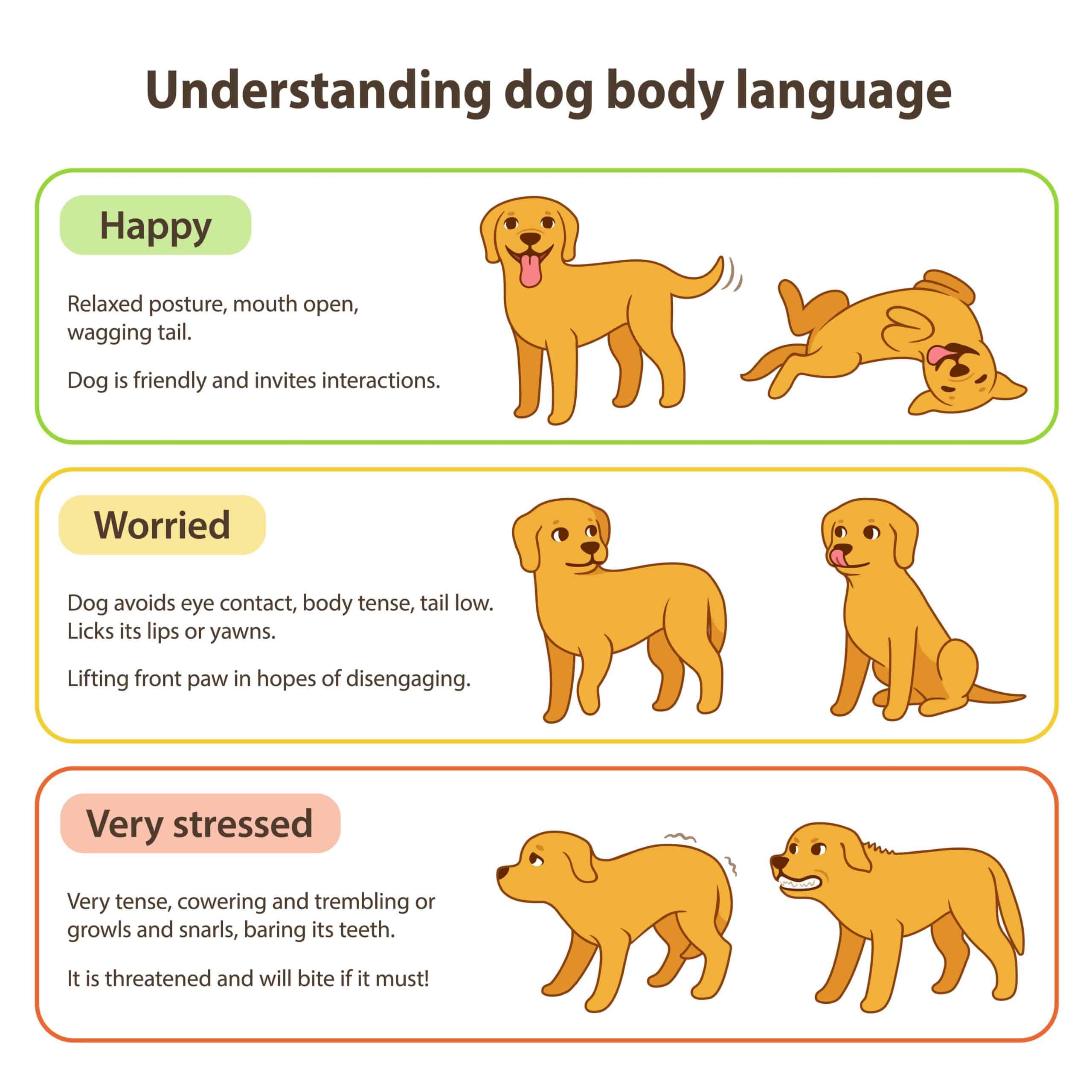
A wag is not always joy. Look at height, speed, sweep, and tension.
Key patterns to notice:
- Neutral, loose wag: relaxed and friendly.
- Wide “helicopter” wag: excited and social.
- Low, tucked tail: fear or stress. Increase distance and give space.
- High, tight, fast wag with a stiff body: aroused or on edge. Do not rush in.
- Flagging (very high, rigid wag): high arousal. Watch the rest of the body.
To learn how to understand dog body language basics, link the tail to the body. A loose tail plus soft eyes is good. A fast wag with a hard stare is not.

Ears, Eyes, and Face
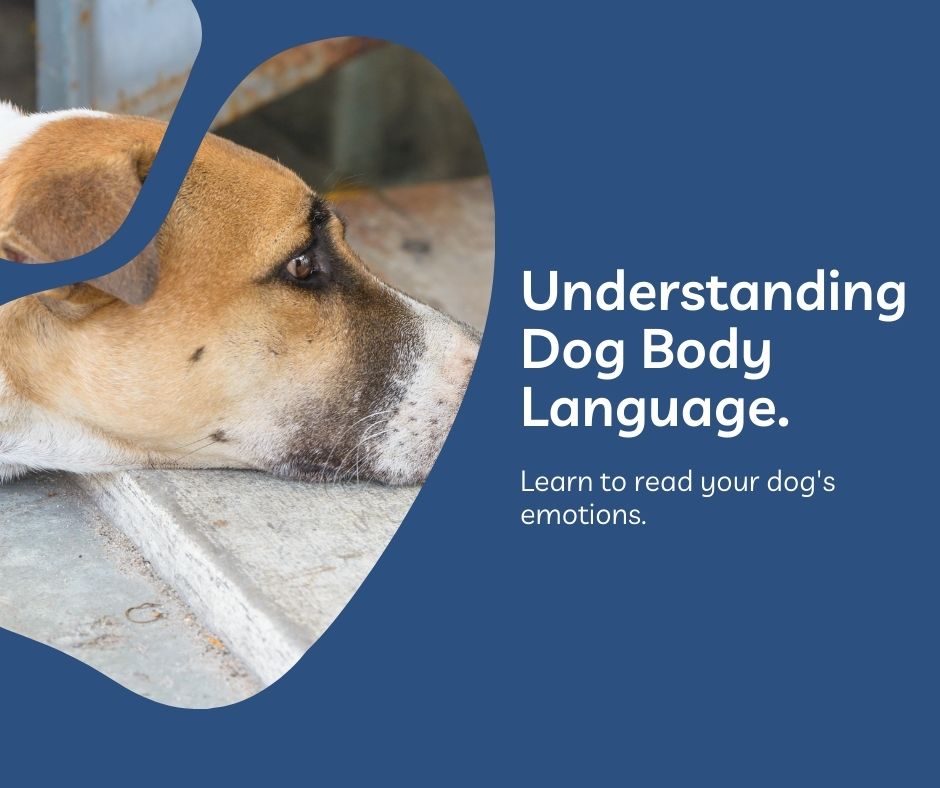
Ears are mood markers. Ears forward often mean interest. Ears neutral mean calm. Ears held back can signal fear, appeasement, or even joy, so read the rest of the dog. Pinned ears with a tight mouth often show stress.
Eyes tell you about tension:
- Soft eyes, normal blink rate: relaxed.
- Hard stare, pupils large: threat or high arousal.
- Whale eye (white of the eye shows): worry or guarding a resource.
- Squinting: discomfort or an attempt to calm.
Mouth and face cues:
- Loose mouth, open, with a soft tongue: calm.
- Tense lips, corners pulled back, mouth closed: stress.
- Lip lick, yawn, or nose lick: a common calming signal.
- Teeth showing can be threat. Some dogs smile, but look for soft eyes and wiggly bodies to confirm.
This is a core part of how to understand dog body language basics. The face shifts first when the dog goes from fine to not fine.

Posture and Movement
Think of posture as the headline. It sums up the state.
Watch for:
- Weight shift forward: interest, challenge, or high arousal.
- Weight shift back: unsure or fearful.
- Freeze: big red flag. Stop, create space, and lower pressure.
- Slow, stiff moves: the dog is not at ease.
- Curved path and soft body: polite, friendly intent.
- Shake off after stress: a reset signal.
- Hackles up (piloerection): arousal, not always aggression. Read the cluster.
If you want to master how to understand dog body language basics, track how posture changes second by second. The first freeze often comes right before a snap.

Play Signals and Calming Signals
Play has its own grammar. The play bow (front down, rear up) invites fun. Loose, bouncy moves, side-to-side hops, and role reversals show healthy play. Short pauses are normal. If only one dog is chasing or pinning, call a break.
Common calming signals:
- Head turn, soft blink, sniffing the ground.
- Yawn, lip lick, paw lift, shake off.
- Moving in a curve instead of straight on.
Use these to guide how to understand dog body language basics in homes and parks. When you see a lot of calming signals, drop the social pressure and slow things down.

Stress, Fear, and Early Warnings
Dogs rarely jump straight to a bite. They climb a ladder of stress.
Early signs to act on:
- Stiff body, closed mouth, slow tail.
- Whale eye, lip licking, yawning outside of sleep time.
- Turning away, moving behind you, or hiding.
- Growl, snarl, air snap if pressure keeps rising.
How to help:
- Add distance. Side-step, not head-on.
- Lower your body, soften your eyes, and turn a bit sideways.
- Toss treats behind the dog to create space and change emotion.
You can use these steps whenever you practice how to understand dog body language basics with shy or rescue dogs.
Quick Profiles: Friendly, Fearful, and Agonistic
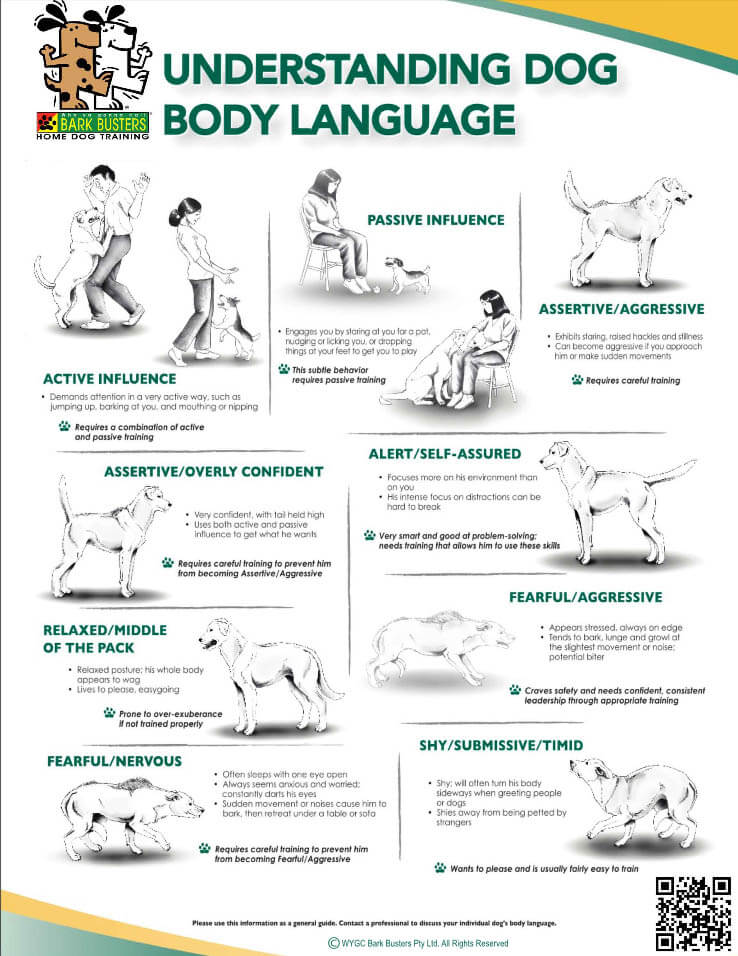
Friendly cluster:
- Soft eyes, loose jaw, relaxed ears.
- Neutral or mid-height tail with a wide wag.
- Curved path, wiggly body.
Fearful cluster:
- Tucked tail, lowered body.
- Ears back, whale eye, head turn.
- Freeze or slow steps away, may refuse food at first.
Agonistic/aroused cluster:
- Stiff body, weight forward.
- High tail, hard stare, slow or very fast wag.
- Growl, snarl, or stillness before a lunge.
Learning these clusters is central to how to understand dog body language basics in real time.

Safe Greetings and Everyday Handling
Most bites happen because people rush the hello. Slow is smooth. Smooth is safe.
Do this instead:
- Ask the guardian first. Respect no.
- Stand sideways. Do not loom or stare.
- Let the dog come to you. Offer a sniff of your open hand at knee height.
- Pet the chest or shoulder, not the top of the head.
- Count three seconds. Stop. If the dog stays or nudges you, continue. If not, end it.
For kids, keep it simple:
- One hand to pet, one hand at your side.
- No hugs. No face-to-face. Space is kind.
These steps fit the core of how to understand dog body language basics and keep greetings safe for all.
Train Communication to Make Life Easier
Training builds a shared language. It also lowers stress.
Useful skills:
- Name game and hand target. Great for recall and redirection.
- Look at me. Builds focus in busy places.
- Go to mat. Teaches calm on cue.
- Pattern games. Predictable loops that lower arousal.
- Consent checks. Pause petting and see if the dog asks for more.
Film short clips of your dog. Replay in slow motion. You will spot changes in eyes and mouth you missed live. Video review is a top tip for anyone learning how to understand dog body language basics.
Myths and Mistakes to Avoid
Common traps to skip:
- A wagging tail means a happy dog. Not always. Read the whole body.
- The “guilty look” means the dog knows it was wrong. It is appeasement, not guilt.
- You must be the alpha. Force and alpha rolls harm trust and raise fear.
- Staring a dog down shows leadership. It can be a threat.
- All dogs like hugs. Many do not. Teach touch consent.
Cutting these myths clears the way to how to understand dog body language basics that work.
A Simple 7-Day Observation Challenge
Build your eye with short daily reps.
Try this plan:
- Day 1: Watch your dog resting. Note eyes, mouth, breath.
- Day 2: Watch pre-walk excitement. Track tail, ears, and posture.
- Day 3: Film a play session. Spot bows, pauses, and resets.
- Day 4: Observe at mealtime. Look for focus and any guarding signs.
- Day 5: Take a quiet street walk. Note sniffing, curves, and shake offs.
- Day 6: Invite a calm friend over. Watch greetings with breaks.
- Day 7: Review all clips. List three signals for relaxed, three for stressed.
Repeat weekly. This is a fast way to lock in how to understand dog body language basics.
Frequently Asked Questions of how to understand dog body language basics
How do I know if a wagging tail is friendly?
Look at the whole dog. A loose body and soft eyes with a mid-height, wide wag is friendly, while a stiff body with a high, tight wag is not.
What does it mean when my dog shows the whites of their eyes?
That is whale eye. It often shows worry or guarding, so add distance and reduce pressure right away.
Are growls always bad?
Growls are information. Thank your dog for the warning, create space, and change the situation so the dog feels safe.
How can I help my shy dog greet new people?
Let your dog approach at their pace. Have the person turn sideways, avoid eye contact, and toss treats behind the dog to build confidence.
Why does my dog yawn when nothing is boring?
Yawns can be calming signals. Your dog may be easing tension, so slow things down and make the scene safer.
Can I use these signs with puppies?
Yes, but puppies are clumsy. Look for the same signals, yet expect quick shifts between play, rest, and stress.
How do I practice how to understand dog body language basics at the park?
Watch from the edge first. Enter when you see loose bodies, play bows, and frequent pauses, and call breaks if play gets one-sided.
Conclusion
Dogs speak all day. When you learn their signals, you build trust, prevent bites, and deepen your bond. Start small. Watch the eyes and mouth first, then add tail and posture, and you will spot mood shifts fast.
Practice the 7-day plan, film short clips, and review in slow motion. You will master how to understand dog body language basics with calm, clear steps. If you found this helpful, share it with a friend, subscribe for more guides, or drop your questions in the comments.

Pet Care Writer & Researcher
Daniel writes practical guides on daily care, feeding, and safety, turning complex topics into simple, actionable advice.