How To Introduce Puppy To Leash Walking: Step-By-Step Guide
Learn how to introduce puppy to leash walking with calm, positive steps. Avoid pulling, build confidence fast, and enjoy stress-free walks from day one.
Start indoors with a harness, reward calm steps, and keep sessions short.
If you want to know how to introduce puppy to leash walking the right way, you’re in the perfect spot. I’ve helped many new owners build calm, happy walkers using simple steps, smart gear, and kind methods. This guide blends proven training science with real-life tips you can use today, so you feel confident from the first clip to your first block.
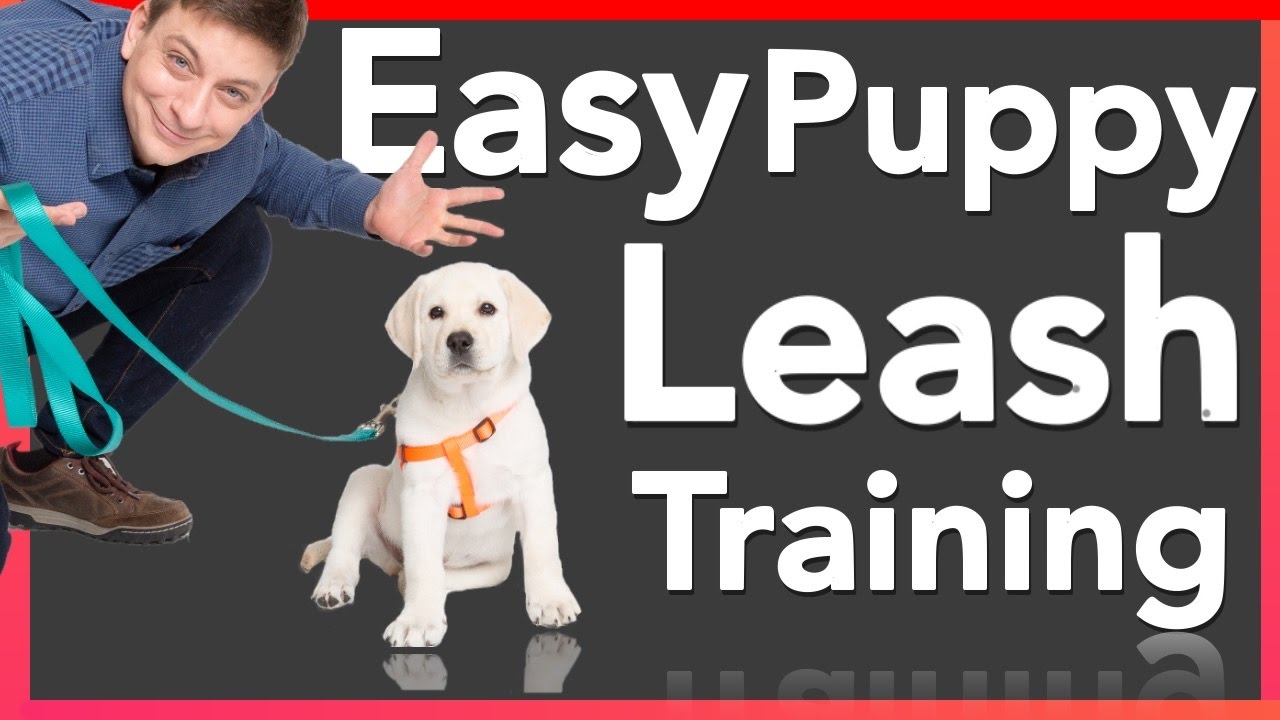
Why early leash training matters
Puppies are little sponges. What they learn now will shape every walk later. Early, positive sessions build trust and reduce fear, pulling, and leash frustration.
You also set clear rules and rewards. That makes it easy for your puppy to choose the right behavior. If you want a strong start on how to introduce puppy to leash walking, start small, stay kind, and be clear.
Short, fun reps beat long, boring walks. Keep sessions upbeat and end while your puppy still wants more.
Gear that makes learning easy
The right setup makes walks safe and simple.
Essentials:
- Front-clip harness helps guide without strain.
- Flat 4–6 foot leash offers control and room to learn.
- Soft, pea-sized treats keep focus high.
- Treat pouch lets you pay fast.
- ID tag and microchip keep your puppy safe if lost.
- Poop bags, of course.
Fit tips:
- Harness should allow two fingers under strap.
- No rubbing behind elbows or in armpits.
- Skip retractable leashes for now. They teach pulling.
This gear supports how to introduce puppy to leash walking with comfort and control.

Step-by-step plan: how to introduce puppy to leash walking in 14 days
Use short sessions, many times a day. Keep each one under three minutes at first.
Day-by-day outline:
- Days 1–2: Harness love. Feed a treat as you show the harness. Touch, treat. Clip, treat. Unclip, treat. Keep it light and happy.
- Days 3–4: Leash indoors. Let the leash drag while you supervise. Treat for calm. Pick up the leash, feed, drop it again. No pressure.
- Days 5–6: Name game and check-ins. Say your puppy’s name. When they look, mark with yes or a click, then treat. Do a few steps, then pay for eye contact.
- Days 7–8: Reinforcement zone. Feed with your hand next to your leg. That spot near your thigh is the “gold zone.” Your puppy learns that being by your side pays.
- Days 9–10: Backyard or hallway laps. Walk five steps. If the leash stays loose, treat near your leg. If the leash goes tight, stop. Wait. When the leash loosens, say let’s go and move again.
- Days 11–12: Quiet sidewalk. Choose low traffic times. Keep sessions under five minutes. Reward often for a loose leash and check-ins. Add brief sniff breaks.
- Days 13–14: Add small challenges. A new block. A parked car. A trash bin. Start far away. Reward calm as you pass.
Pro tip:
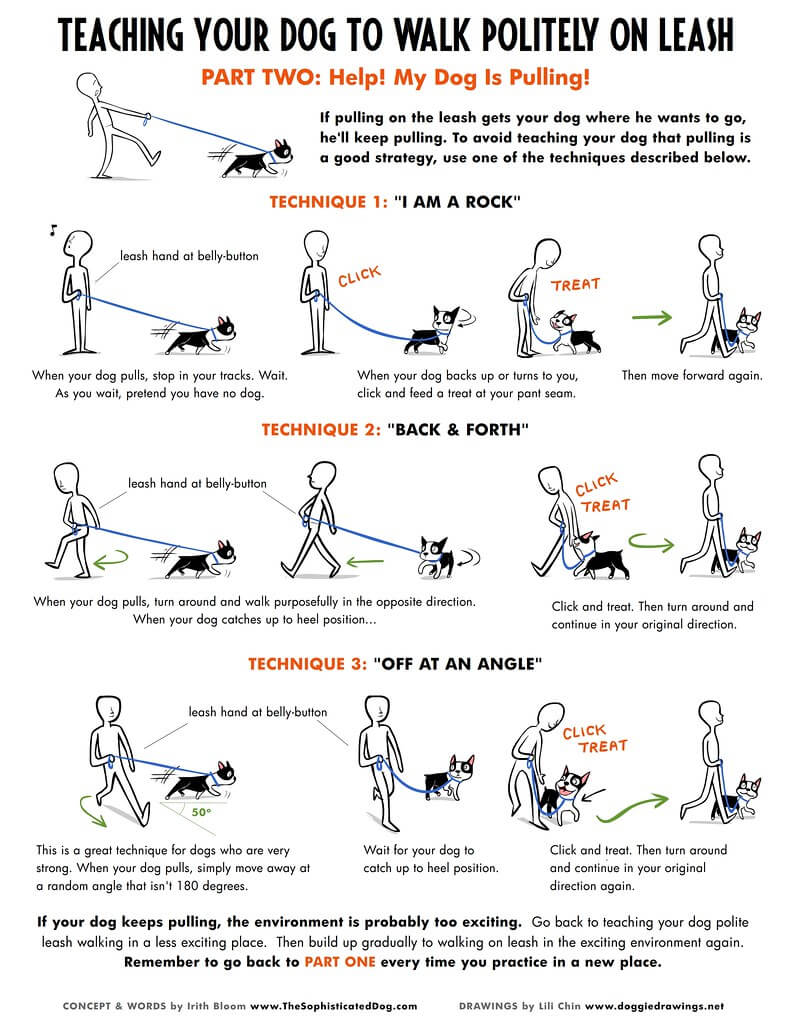
- Be a tree when the leash goes tight. Stop moving. When the leash loosens, go again.
- Use let’s go as a cue to move. Keep your voice warm and clear.
Personal note: I helped a shy herding pup who froze near gutters. We stood ten feet away and played the look-at-that game. Pup looked at the gutter, got a treat. We inched closer over days. That calm pace made all the difference.
Follow this plan if you want a simple path for how to introduce puppy to leash walking without stress or drama.

Teaching loose-leash skills that stick
Loose-leash walking is a habit. Build it step by step.
Core skills:
- Mark and reward at your side. Place treats right where you want the head to be.
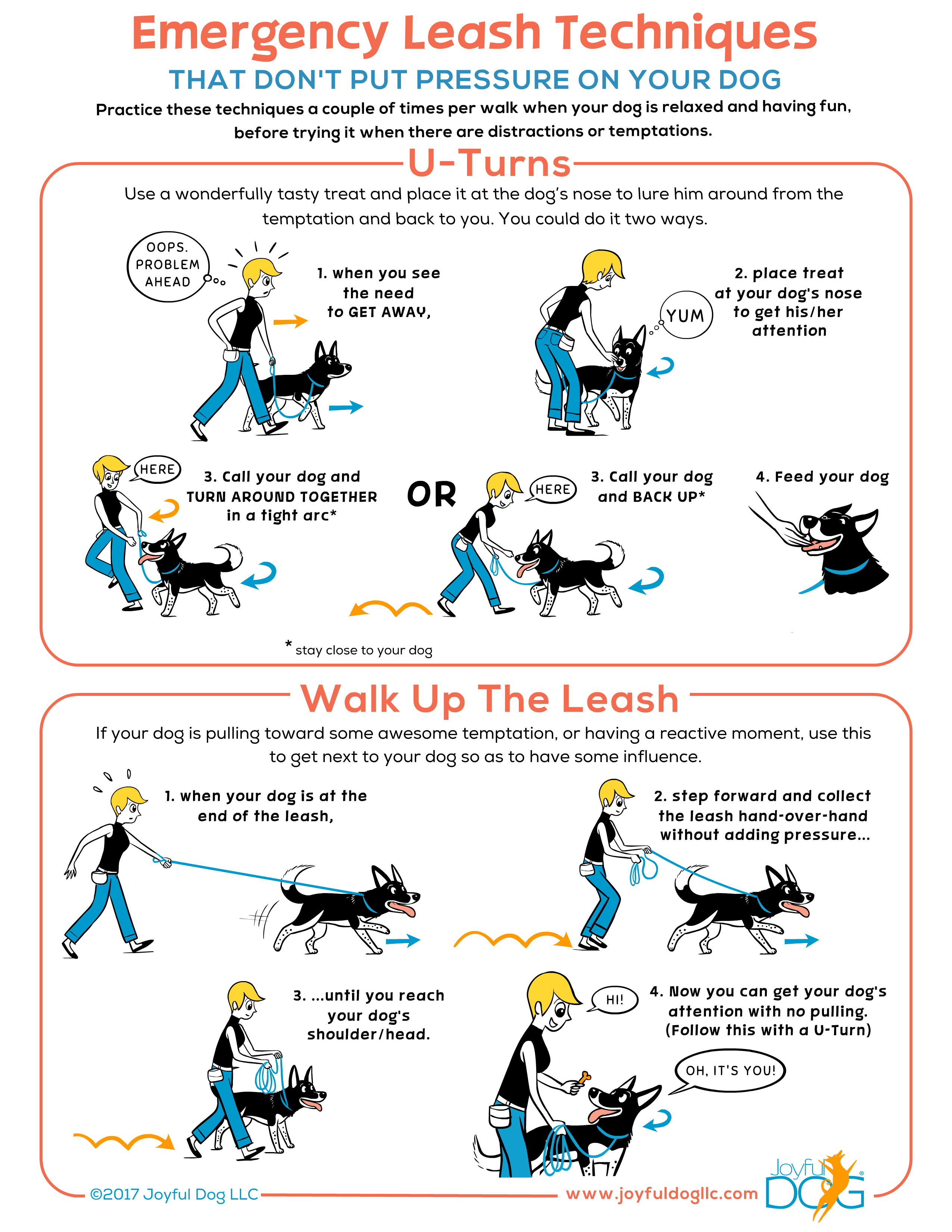
- Keep moving in gentle curves. Use U-turns and figure eights to reset focus.
- Add brief sniff breaks. Sniffing is a paycheck too. Say go sniff, give 10–20 seconds, then say let’s go and move.
- Use a high rate of pay at first. Then fade treats over time.
Games to try:
- Follow me: Take two steps, mark, treat. Three steps, mark, treat. Build slowly.
- Find it: Toss a treat near your shoe to reset focus.
- Red light, green light: Leash tight means stop. Leash loose means go.
This is the heart of how to introduce puppy to leash walking without conflict. Reward what you like. Make it easy to choose you.
Troubleshooting common problems
Every puppy is different. Here is how to fix the big ones.
If your puppy pulls:
- Stop. Wait for slack. Move again. Pay at your side.
- Change direction often. Be smooth, not jerky.
If your puppy freezes:
- Lower the bar. Fewer steps. More treats.
- Check fear triggers. Add distance from the trigger.
If your puppy bites the leash:
- Trade for a treat or a toy. Then walk again.
- Use a light chain tab only as a short-term chew deterrent, never to jerk.
If your puppy fears the harness:
- Break it down. Treat for looking at it. Treat for nose through. Clip for one second, treat, unclip.
If nothing helps:
- Check fit and comfort. Rule out pain with your vet.
- Book a positive trainer. Avoid prong or shock tools.
Gentle fixes build trust. That is the core of how to introduce puppy to leash walking that lasts.
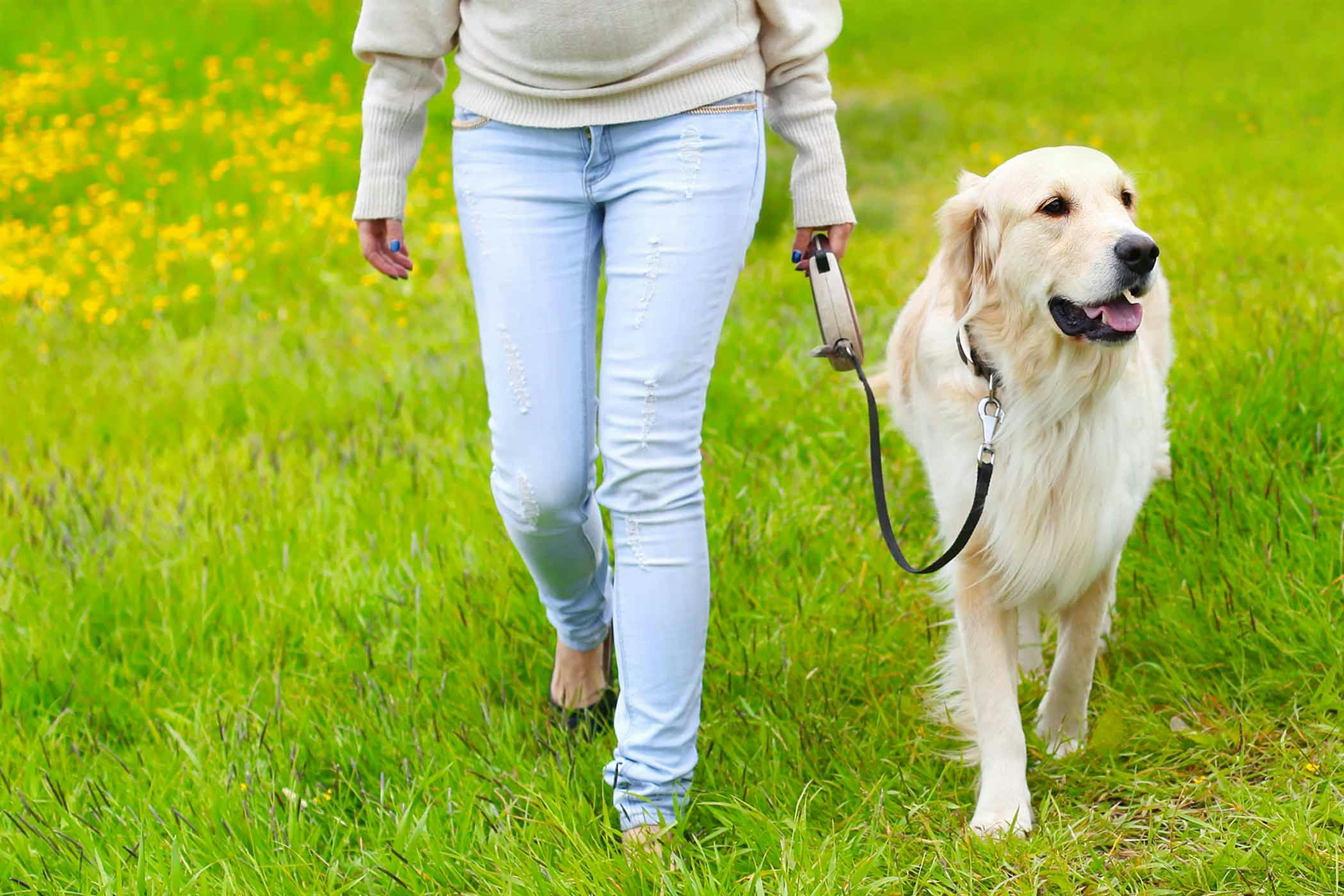
:max_bytes(150000):strip_icc()/walking-dog-on-leash-1280731587-2000-6999441e5f6647fd9827265f56f9c125.jpg)
Socialization and environment proofing
Walking is more than steps. It is a class in the real world.
Make a checklist:
- People in hats, kids on scooters, delivery carts.
- Surfaces like grates, grass, wood decks.
- Sounds like buses, bikes, sirens.
Plan:
- Start at a distance. Reward for calm looks. Move closer when your puppy stays loose and curious.
- Keep greetings short. Three seconds is plenty. Then call your puppy back and treat.
- Skip busy dog parks for now. Choose calm, friendly dogs for meetups.
This slow, safe work is a key part of how to introduce puppy to leash walking in real life.
Health and safety checks
Safety first keeps training smooth.
Tips:
- Ask your vet about safe walk spots before vaccines are complete. Choose clean, low-dog-traffic areas.
- Avoid hot pavement. If it is too hot for your hand, it is too hot for paws.
- Use reflective gear at dawn or dusk.
- Bring water on warm days.
- Keep space from unknown dogs. A bad event can set training back.
These steps protect your pup and support how to introduce puppy to leash walking with confidence.

Measuring progress and keeping it fun
What gets measured gets better.
Track:
- How many loose steps before pulling.
- How fast your puppy checks in.
- What triggers cause stress.
Keep it fun:
- Use tiny, tasty treats.
- Mix in play breaks and sniff time.
- End while your puppy still wants to train.
Watch for signs of stress:
- Yawning, lip licking, tucked tail.
- If you see them, give space, slow down, and pay for calm.
A simple log helps you fine-tune how to introduce puppy to leash walking over time.
Sample daily plan and cue list
Try this simple flow:
Morning:
- Two minutes indoors. Follow me with treats.
- One short potty walk. Pay for loose steps and check-ins.
Afternoon:
- Backyard laps. U-turns and find it game.
- One short sidewalk loop at a quiet time.
Evening:
- Reinforcement zone practice next to your leg.
- Calm sniff walk. More freedom, still on a short leash.
Useful cues:
- Let’s go: start moving together.
- Yes or click: you did the right thing, here is a treat.
- Go sniff: free nose time, then back to work.
- This way: smooth U-turn to reset focus.
Use this plan if you want a clear map for how to introduce puppy to leash walking day after day.
Frequently Asked Questions of how to introduce puppy to leash walking
When should I start leash training my puppy?
Start as soon as your puppy comes home. Keep sessions tiny and indoors at first, then expand outside as your puppy gains confidence.
How long should early leash sessions last?
Aim for one to three minutes. Many short reps beat one long walk and prevent overwhelm.
What treats work best for leash training?
Use soft, small treats your puppy loves. You want fast chewing so focus stays on you.
Should I use a collar or a harness?
A well-fitted front-clip harness is kinder for learning. It reduces pulling and protects the neck.
How do I stop my puppy from pulling?
Stop the moment the leash goes tight, then move when it loosens. Pay often for walking by your side and add gentle turns to reset focus.
Is it okay to let my puppy sniff on walks?
Yes. Sniffing is mental work and lowers stress. Give short, cued sniff breaks, then say let’s go to move on.
What if my puppy is scared of the street?
Add distance and reward calm looks at the trigger. Keep sessions short and build up over days, not minutes.
Conclusion
Great leash habits start with clear steps, kind rewards, and tiny wins. You now know how to introduce puppy to leash walking in a way that feels safe, fun, and repeatable. Keep sessions short, pay generously, and protect your puppy’s confidence.
Start today with a two-minute indoor session and a pocket of treats. Then come back tomorrow and build one more step. Ready for more tips? Subscribe, share your progress, or drop your questions in the comments.

Pet Care Writer & Researcher
Daniel writes practical guides on daily care, feeding, and safety, turning complex topics into simple, actionable advice.