How To Train Dog To Sit And Stay: Fast, Proven Tips
Learn how to train dog to sit and stay with quick steps, rewards, and fixes for common mistakes. Start today and see calmer obedience in days.
Use clear cues, tasty rewards, and short sessions to teach sit and stay.
If you want an easy, proven plan on how to train dog to sit and stay, you are in the right place. I’ve helped hundreds of families teach calm, reliable sits and rock-solid stays. This guide gives you clear steps, real-life tips, and quick wins you can use today. Stick with me, and you’ll feel confident about how to train dog to sit and stay in any setting.
Why sit and stay matter in real life
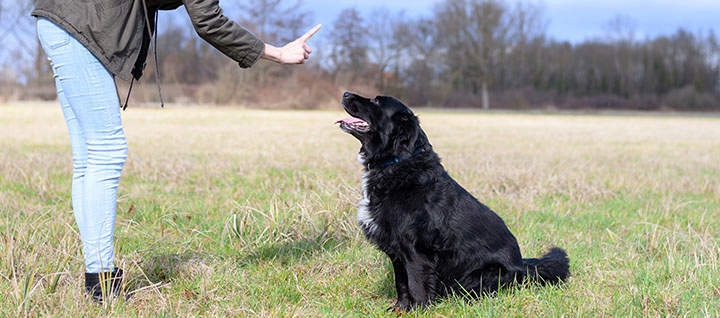
Sit and stay save dogs from risky choices. They stop door dashes, jumping, and chaos. They help your dog think before they move. That is the heart of how to train dog to sit and stay.
A solid sit and stay also builds trust. Your dog learns that calm behavior pays. You become the safe leader who sets fair rules. That bond makes all later training easier.

How dogs learn: the simple science
Dogs repeat what gets rewarded. That is the core of modern training. Reward the behavior you want. Prevent and ignore the behavior you do not want.
Use a marker. Say yes the moment your dog does the right thing. Then pay with a tiny treat. This timing speeds up how to train dog to sit and stay.

What you need before you start
Set up for success. You need a few simple tools.
- Soft, pea-size treats your dog loves
- A light leash for safety in new places
- A clicker or a marker word like yes
- A quiet space with few distractions
- A mat or bed for stay practice
Short sessions work best. Aim for one to three minutes. Do two to four sessions a day. This is the fastest path for how to train dog to sit and stay.
Step-by-step: teach sit
Start in a quiet spot. Keep your dog on a leash if they are bouncy.
- Lure the sit. Hold a treat at your dog’s nose. Move it up and back. As the rear lowers, say yes. Give the treat at once.
- Add the cue. When your dog starts to sit with the lure, say sit once. Then lure. Mark and pay. Repeat 5 to 10 times.
- Fade the lure. Now use an empty hand signal. Move your hand up and back. Mark and pay from the other hand.
- Build speed. Ask for sit in new rooms. Vary where you stand. Pay fast sits with a bonus treat.
- Add life rewards. Ask for sit before meals, leashes, doors, and fetch. Calm choices make good things happen.
Keep reps short and crisp. Five great sits beat twenty messy ones. This is the base of how to train dog to sit and stay.

Step-by-step: teach stay
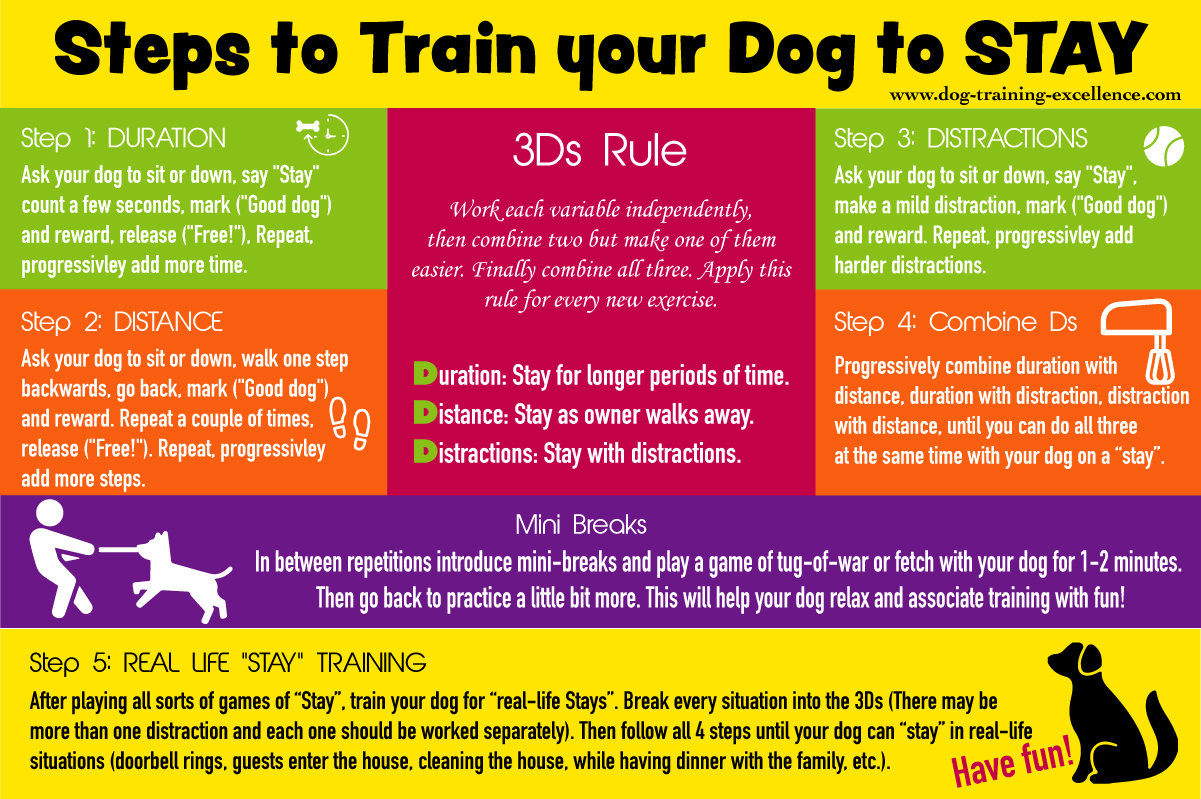
Think of the three Ds: duration, distance, and distractions. Build one D at a time.
- Start with duration. Ask for sit. Say stay once. Count one second. Mark and pay. Release with a clear word like free. Do 10 easy wins.
- Grow slow. Add a second at a time. Mix easy and hard. For example, one, two, one, three, one, four. End on a win.
- Add distance. Go one small step back. Return to your dog. Mark and pay. Mix steps forward and back.
- Add distractions. Place a toy on the floor. Shuffle your feet. Tap a door. If your dog holds the stay, pay big.
- Move it outside. Start in a quiet yard on a leash. Then a calm park. Keep the three Ds small when the world gets busy.
If your dog breaks, no worries. Reset. Make it easier. Then pay the success. This steady plan is the core of how to train dog to sit and stay that holds in real life.
Proofing sit and stay in the real world
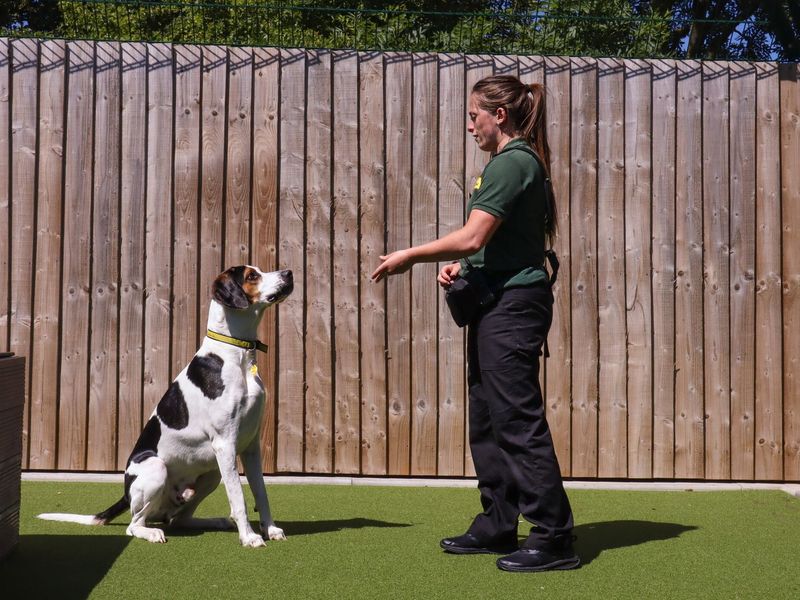
Dogs do not generalize well. A sit at home does not mean a sit at the cafe. You must teach in many places. Keep steps tiny as you move.
Try these proofing ideas.
- Different surfaces like grass, mats, wood, and gravel
- Different handlers if safe, such as family members
- Different angles such as you beside, in front, or behind
- Light distractions like a rolling ball far away
Proofing turns good sits into great habits. It cements how to train dog to sit and stay so it works when life gets loud.
Common mistakes and how to fix them
Small tweaks make big gains. Here are fixes I use with clients.
- Repeating the cue. Say sit or stay once. If your dog does not do it, reset and make it easier.
- Growing too fast. Change only one D at a time. Go back a step if your dog breaks.
- Paying late. Mark the exact moment of success. Then deliver the treat fast.
- Long, dull sessions. Keep it short. End with a win. Your dog should want more.
- Using punishment. It slows learning and trust. Reward the right choice instead.
These fixes keep how to train dog to sit and stay clear and kind.

A simple 14-day plan that works
This plan fits busy lives. Each session is one to three minutes. Do two to four a day.
- Days 1 to 3: Lure sit. Add the cue. Build to a five-second stay at home.
- Days 4 to 6: Fade the lure. Add hand signal. Stay to 10 seconds. One small step back.
- Days 7 to 9: Mix rooms. Add life rewards for sits. Stay to 15 seconds with tiny distractions.
- Days 10 to 12: Yard on leash. Stay to 20 seconds. Two to three steps back. Light noises.
- Days 13 to 14: Calm park. Keep duration short again. One to two steps. Pay big for calm.
Adjust to your dog. Fast dogs can go faster. Shy dogs need more easy reps. Either way, this plan nails how to train dog to sit and stay.

Troubleshooting for real dogs
Every dog is unique. Here are common roadblocks and how to pass them.
- Bouncy, high-drive dogs: Use higher value treats. Start after light exercise. Ask for sits between short play bursts. Pay calm with a jackpot.
- Shy or anxious dogs: Train in very quiet spaces. Use soft voices and slow moves. Keep stays very short at first.
- Puppies with short focus: Do many tiny sessions. One to two minutes is plenty. Celebrate small wins.
- Rescue dogs new to rules: Pair you with good things. Meal by meal, walk by walk. Use a mat to teach stillness in a safe spot.
- Dogs that scoot during stay: Feed in position. Deliver treats to the mouth while your dog holds the sit. This pays stillness, not movement.
With patience and fair steps, you can master how to train dog to sit and stay even with tough cases.
Track progress and stay motivated
Write it down. A tiny log helps you see gains you might miss. Note the date, place, cue, duration, distance, and any distraction.
Use smart rewards. Save the best treats for the hardest reps. Drop to simple kibble for easy wins. Share success with your family so cues stay the same. This keeps how to train dog to sit and stay on track.
Frequently Asked Questions of how to train dog to sit and stay
How long does it take to teach sit and stay?
Many dogs learn a basic sit in one to two days. A reliable stay can take one to three weeks with steady practice.
Do I need a clicker to train my dog?
No. A clear marker word like yes works fine. Pick one and stay consistent.
What if my dog will not hold a stay outside?
Cut the difficulty. Shorten the time, move closer, and lower distractions. Pay each success and build in small steps.
Should I use a leash when teaching stay?
Yes, in new places. A light leash adds safety and helps you prevent bad habits.
What treats work best for training?
Soft, small, and smelly treats tend to work best. Rotate options to keep motivation high.
Can I train without food rewards?
You can, but food speeds up learning. You can also use toys, praise, and life rewards like going for a walk.
Is it okay if my dog lies down during a stay?
It depends on your goal. If you asked for sit, feed in position to keep the sit. If a down is fine, add a cue to make it clear.
Conclusion
You now have a clear, kind plan to teach sit and stay that works in the real world. Start small, pay what you like, and grow one step at a time. That is how to train dog to sit and stay with trust and joy.
Today, run three one-minute sessions and log your wins. Share your progress or questions below, and subscribe for more simple training guides and real-world tips.

Pet Care Writer & Researcher
Daniel writes practical guides on daily care, feeding, and safety, turning complex topics into simple, actionable advice.