What Is A Good Large Breed Dog Food: Best Nutrition Guide
What is a good large breed dog food? Learn which nutrients, ingredients, and feeding tips support healthy growth, joints, and lasting energy.
Introduction
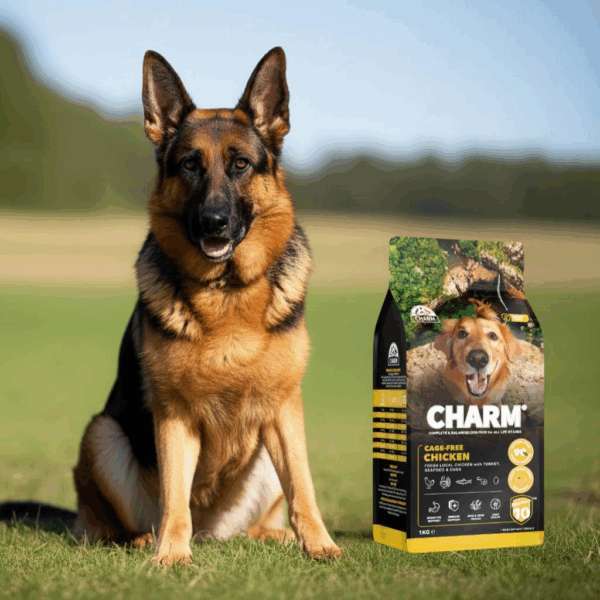
A good large breed dog food in the United States is a complete and balanced food that matches your dog’s life stage, supports a lean body, and provides controlled calories. For a large breed puppy, the food should also carry an AAFCO nutritional adequacy statement for growth including the growth of large-size dogs.
The best choice depends on more than the words “large breed” on the bag. Your dog’s age, weight, activity, health, body shape, and eating habits all matter. A Great Dane puppy and an adult Labrador Retriever may both need large-dog nutrition, but they do not need the same feeding plan.

Quick answer: What should you look for?
Look for these features:
- A clear AAFCO nutritional adequacy statement
- The correct life stage: puppy, adult maintenance, or all life stages
- Calorie information listed as kilocalories per cup or can
- Protein and fat levels that suit your dog’s age and activity
- Controlled calcium and phosphorus for large breed puppies
- Feeding directions that can be adjusted to keep your dog lean
- A company that provides clear contact details and quality information
- A food your dog eats well and tolerates without ongoing digestive problems
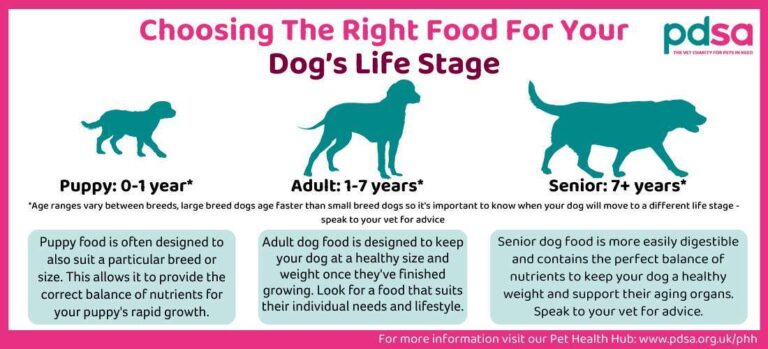
For most healthy adult large dogs, a complete and balanced adult-maintenance diet is suitable. For large and giant breed puppies, choose a food made specifically for controlled growth. Fast growth is not the goal. Steady, well-controlled growth is safer for developing bones and joints.
Why large dogs need a different feeding plan
Large dogs place more force on their bones and joints with every step. Extra body fat adds even more strain. This makes weight control one of the most useful parts of large breed nutrition.
A large breed puppy has another concern. Its bones are still developing, and excess calories or poorly controlled minerals may contribute to skeletal problems. More food does not create a stronger puppy. It can create a puppy that grows too fast.
“Large breed” is not a single medical category. A 60-pound adult dog, a 90-pound dog, and a 150-pound Mastiff have different calorie needs and body shapes. Use the label as a starting point, then adjust the portion based on body condition and veterinary advice.

The most important label check: nutritional adequacy
The AAFCO statement tells you whether a food is formulated to meet recognized nutrient standards for a specific life stage. In the United States, look for a statement similar to one of these:
- “Complete and balanced nutrition for maintenance”
- “Complete and balanced nutrition for growth”
- “Complete and balanced nutrition for all life stages”
- “Complete and balanced nutrition for growth, including the growth of large-size dogs”
The wording matters. A food for adult maintenance is not automatically suitable for a growing puppy. A food labeled for all life stages may meet growth standards, but you still need to check whether it is appropriate for large-size puppy growth.
The product name, ingredient list, and marketing claims do not replace the adequacy statement. Terms such as “premium,” “natural,” “holistic,” “ancestral,” and “high protein” do not prove that a food is nutritionally complete.
AAFCO publishes model guidance, but it does not approve or certify individual pet foods. In the US, state feed-control officials enforce pet food rules, while the FDA oversees important safety and labeling matters.

How to choose food for a large breed puppy
1. Select the correct growth statement
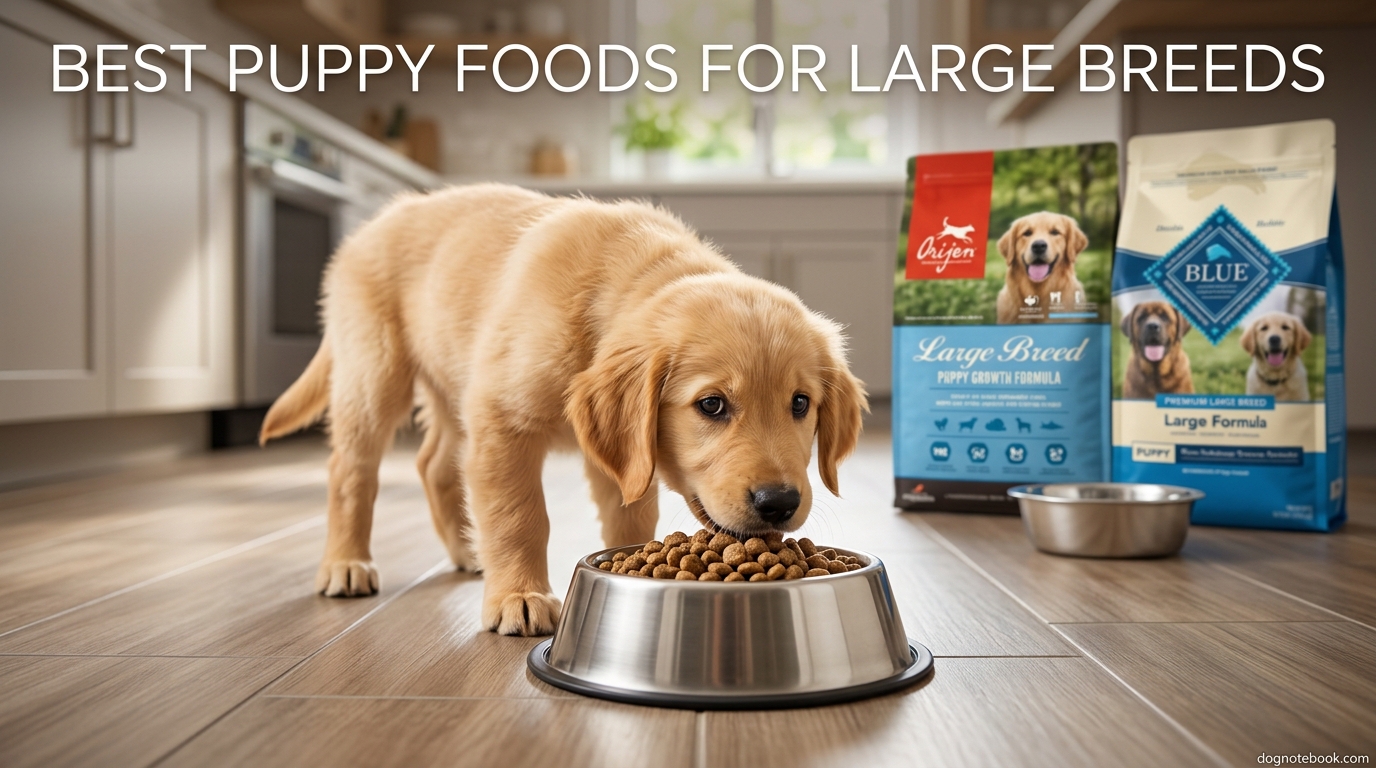
Choose a food with an AAFCO statement that specifically includes growth of large-size dogs. This is the clearest label signal that the formula is designed for the mineral needs of large-breed puppies.
Avoid feeding a large breed puppy a random puppy food simply because the bag says “puppy.” Some puppy foods are designed for smaller dogs or do not provide the same large-size growth statement.
2. Control calories, not just ingredients
A puppy can gain too much weight on any food if the portion is too large. Compare the food’s calorie content and follow the feeding guide as a starting point.
Feed measured meals rather than leaving food out all day. Recheck your puppy’s body shape often. You should be able to feel the ribs under a thin layer of tissue, see a waist from above, and see an abdominal tuck from the side.
3. Do not add calcium unless your veterinarian tells you to
Large breed puppies usually do not need extra calcium when they eat a complete and balanced growth diet. Calcium supplements can disrupt the balance of minerals in the diet.
This is especially important because many supplements are sold without clear evidence that they help a healthy puppy. Do not add calcium, bone meal, or mineral powder without veterinary guidance.
4. Feed several small meals
Young puppies often do well with three meals each day. As they mature, many can move to two meals. Smaller meals may help reduce overeating and can be easier on the stomach.
If your dog is a deep-chested breed, ask your veterinarian about meal size, exercise after eating, and ways to reduce the risk of gastric dilatation-volvulus, also called bloat. Food alone cannot prevent bloat.

How to choose food for an adult large breed dog
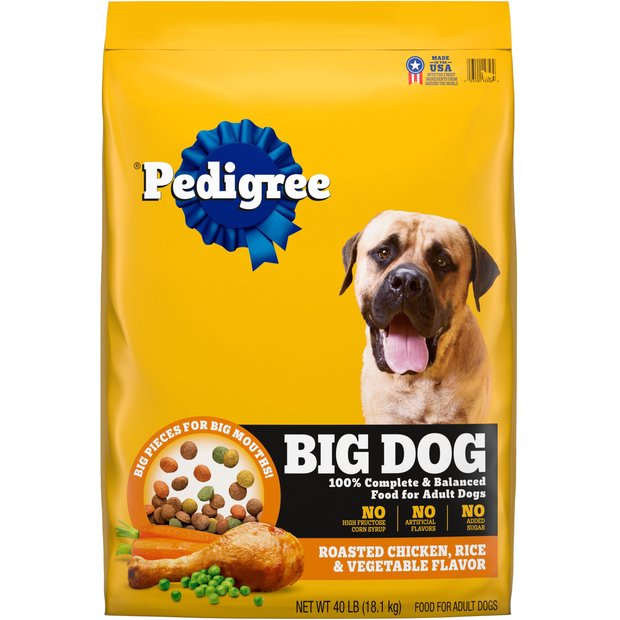
An adult large dog usually needs a complete and balanced maintenance food, not a growth formula. Choose a calorie level that helps your dog stay lean at its normal activity level.
An “adult large breed” formula may offer larger kibble, a different calorie density, or joint-support ingredients. These features can be useful, but they are not required for every large dog. The nutritional adequacy statement and calorie control matter more than the size of the kibble.
Senior dogs may need a different plan if they have arthritis, kidney disease, heart disease, obesity, dental pain, or another condition. There is no single senior formula that fits every older dog. Ask your veterinarian before changing food for a diagnosed illness.

Which nutrients matter most?
Protein
Protein supplies amino acids for muscle, skin, immune function, and repair. A large dog still needs enough high-quality protein, but the word “high protein” alone does not prove that a food is better.
The label’s guaranteed analysis lists crude protein. That number does not show protein quality or digestibility. If your dog has kidney disease or another medical condition, protein needs should be set with a veterinarian.
Fat and calories
Fat is a concentrated source of energy. A food with more fat may be useful for a very active working dog, but it can cause weight gain in a less active pet.
Calorie density is often more helpful than comparing crude fat alone. Two foods with similar fat percentages can provide different calories because of their ingredients and moisture levels.
Calcium and phosphorus
Calcium and phosphorus support bones, but balance and amount matter. Large breed puppies need controlled levels while their skeleton develops.
Do not judge a puppy food by calcium alone. A complete diet must supply several minerals in the right amounts. If a label does not provide enough information, contact the manufacturer or choose a different product.
Omega-3 fatty acids
EPA and DHA are omega-3 fats that may support normal brain, eye, skin, and joint function. Fish oil and some marine ingredients provide them.
The ingredient list may say “fish oil,” but it may not tell you how much EPA and DHA the food contains. If these nutrients are important for your dog, ask the manufacturer for the amount per serving.
Fiber and digestion
Fiber can affect stool quality and fullness. Too little or too much may cause problems in some dogs. A food that produces firm, regular stools is often a practical fit, but persistent diarrhea, vomiting, gas, or weight loss needs veterinary attention.
How much should you feed?
Start with the feeding guide, then adjust. Feeding charts are estimates, not exact prescriptions.
A useful calculation is:
Daily calories = body weight in kilograms raised to the 0.75 power × an activity factor
This is only a starting estimate. Dogs of the same weight can need very different amounts.
To convert pounds to kilograms:
Body weight in kilograms = body weight in pounds ÷ 2.2
Hypothetical example
A 70-pound adult dog weighs about 31.8 kilograms. If its food provides 400 kilocalories per cup and your veterinarian recommends 1,200 kilocalories per day:
1,200 ÷ 400 = 3 cups per day
That amount may need to change if the dog is highly active, neutered, gaining weight, losing weight, or receiving many treats.
Keep treats and table food to a small share of daily calories. If treats make up a large part of the diet, the main food may no longer provide the right nutrient balance.

How to judge whether the food is working
The food is likely working when your dog:
- Maintains a lean body condition
- Has stable energy for its normal routine
- Produces formed stools
- Keeps a healthy coat and skin
- Maintains a steady weight
- Eats enough without constant digestive upset
Use your hands, not only your eyes, to check body condition. A heavy coat can hide extra fat. You should be able to feel the ribs without pressing hard, but the ribs should not be sharply visible in most healthy adult dogs.
Weigh your dog at regular intervals. For a large dog, even a small monthly increase can become a large problem over time. Reduce or increase food gradually and seek veterinary advice if weight changes are sudden or unexplained.
Dry food, wet food, fresh food, or raw food?
Dry food
Dry food is easy to measure, store, and use in food puzzles. It often provides more calories per cup than wet food, so portions need care.
Wet food
Wet food contains more water and may help dogs that prefer soft textures. It usually provides fewer calories per can or ounce than dry food, but always compare the calorie statement.
Fresh or gently cooked food
Fresh food can be complete and balanced if it is formulated to meet AAFCO standards. Not every refrigerated or homemade diet meets those standards.
Raw food
Raw diets can carry risks from bacteria, nutrient imbalance, bones, and cross-contamination in the home. Claims that raw food is automatically healthier are not established for all dogs. If you are considering raw feeding, discuss it with a veterinarian, preferably one with nutrition training.
Homemade food
A homemade diet should be created by a board-certified veterinary nutritionist or another qualified professional using a precise recipe and supplement plan. Recipes that omit minerals or use substitutions can become unbalanced, especially for puppies.
The format matters less than nutritional completeness, safety, calorie control, and your dog’s response.
Common mistakes to avoid
Choosing food by the ingredient list alone
Ingredients matter, but the list does not show the full nutrient profile, digestibility, calorie content, or quality-control system. Start with nutritional adequacy, then assess the rest of the label.
Overfeeding because the dog looks hungry
Some dogs act hungry even after eating enough. Follow a measured plan and check body condition rather than feeding every time your dog begs.
Adding too many supplements
Joint powders, vitamins, oils, and mineral products can add calories or create nutrient excesses. Use supplements only for a clear reason and with veterinary guidance.
Changing food too quickly
Move to a new food over about seven days. Start with a small amount of the new diet mixed with the old one, then increase it gradually. Slow down if loose stool or vomiting occurs.
Ignoring treats
Chews, dental treats, toppers, and table scraps all contribute calories. Count them when assessing weight gain.
Assuming a costly food is better
Price does not prove nutritional quality. A more expensive food may suit one dog but offer no clear advantage for another. Use label evidence, company transparency, veterinary needs, and your dog’s response.

When should you ask a veterinarian?
Speak with a veterinarian before changing food if your dog:
- Is a large breed puppy with poor growth
- Is underweight or obese
- Has repeated vomiting or diarrhea
- Has food allergies or chronic itching
- Has kidney, liver, heart, or pancreatic disease
- Has urinary stones
- Is pregnant or nursing
- Takes prescription medicine
- Has painful joints or trouble rising
- Shows sudden changes in appetite, thirst, weight, or stool
A veterinarian can assess body condition, growth rate, dental health, and medical needs. A prescription diet may be appropriate for a diagnosed condition, but it is not automatically better for a healthy dog.

FAQ
Is grain-free food better for large breed dogs?
No. Grain-free food is not automatically healthier, and grains are not harmful to most dogs. A grain-free diet may be appropriate for a specific medical reason, but food allergies are usually linked to particular proteins rather than grains. Ask your veterinarian before making this change.
Should large dogs eat food with glucosamine and chondroitin?
These ingredients may support a joint-focused diet, but their presence does not guarantee a clinical benefit. The amount, product quality, and your dog’s condition matter. Dogs with arthritis may need a full treatment plan rather than a food change alone.
Is a high-protein diet bad for large dogs?
Not for every healthy dog. Protein needs depend on age, health, activity, and the complete diet. A high-protein claim does not tell you whether the food is suitable for a dog with kidney disease or another condition.
When can a large breed puppy eat adult dog food?
Do not switch based only on age in months. Large and giant breeds mature at different rates. Keep the puppy on a diet formulated for large-size growth until your veterinarian believes skeletal growth is complete.
Can large dogs eat small-breed dog food?
A healthy adult dog may be able to eat it if the food is complete and balanced, but the calorie density and kibble size may not suit a large dog. For a large breed puppy, use a diet with the proper large-size growth statement.
Bottom line
A good large breed dog food is complete and balanced for your dog’s life stage, provides suitable calories, supports a lean body, and comes from a company that gives clear nutrition and quality information.
For a puppy, choose an AAFCO growth statement that includes large-size dogs and avoid adding calcium without veterinary advice. For an adult, focus on calorie control, body condition, stool quality, and any medical needs.
The next step is simple: check the adequacy statement and calories on your current food, measure the daily portion, and arrange a veterinary review if your dog is growing poorly, gaining weight, or showing ongoing digestive or health problems.

Pet Care Writer & Researcher
Daniel writes practical guides on daily care, feeding, and safety, turning complex topics into simple, actionable advice.