How Much Food Does A Large Dog Need: Feeding Guide
Learn how much food does a large dog need based on weight, age, activity, and health. Get practical feeding tips for a healthier, happier pet.
Introduction
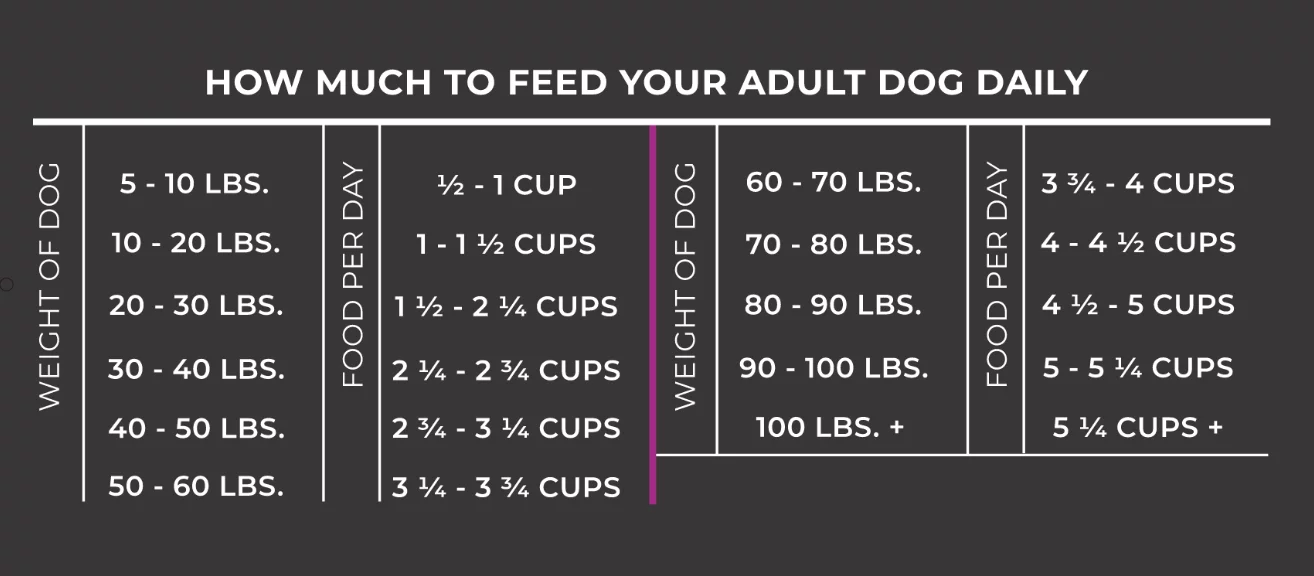
A large dog often needs about 3 to 6 cups of dry food per day, but that is only a starting range. The right amount depends on body weight, age, activity, health, food calories, and whether your dog is intact or neutered.
For example, an 80-pound adult dog may need about 1,500 to 2,000 calories per day. If the food has 400 calories per cup, that equals roughly 3¾ to 5 cups daily. The same dog could need more or less with a different food or activity level.
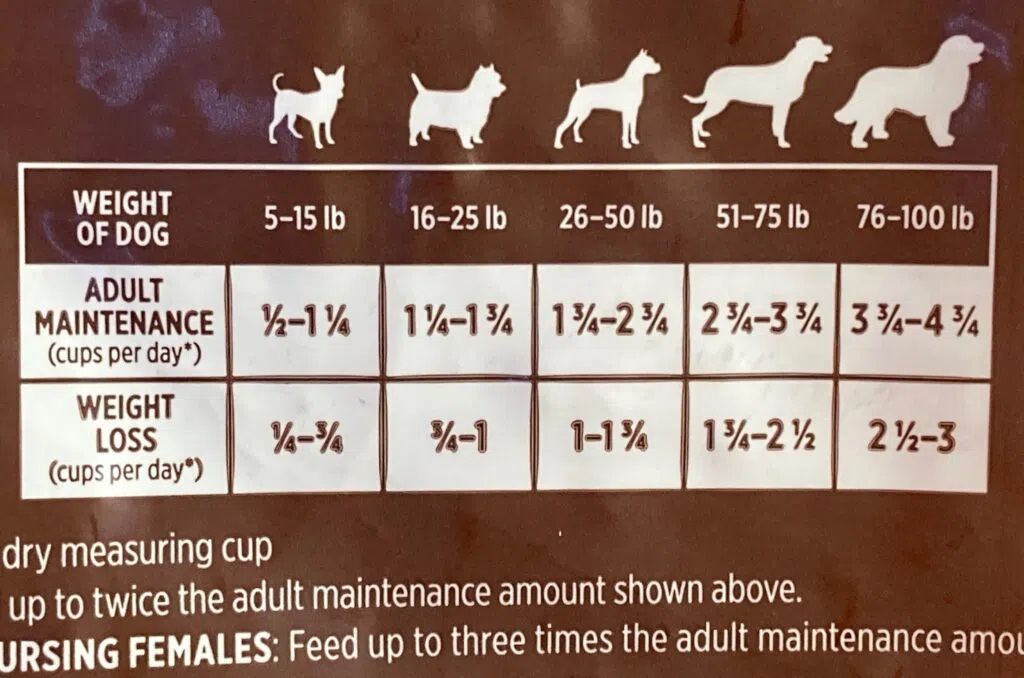
Use the feeding guide on the bag, then adjust the amount based on your dog’s body condition. Your veterinarian can help if your dog is growing, overweight, underweight, pregnant, or has a health problem.

How Much Food Does a Large Dog Need Per Day?
Most large adult dogs need about 20 to 30 calories per pound of body weight per day. This is a broad estimate, not a fixed rule.
A 70-pound dog may need about 1,400 to 2,100 calories per day. A 100-pound dog may need about 2,000 to 3,000 calories per day. The lower end often fits calm, neutered dogs. The higher end may fit active dogs, working dogs, or dogs that burn calories quickly.
General daily estimates
| Dog’s weight | Approximate daily calories | Dry food at 400 kcal per cup |
|---|---|---|
| 50 lb | 1,100–1,600 kcal | 2¾–4 cups |
| 60 lb | 1,300–1,800 kcal | 3¼–4½ cups |
| 70 lb | 1,400–2,100 kcal | 3½–5¼ cups |
| 80 lb | 1,500–2,300 kcal | 3¾–5¾ cups |
| 90 lb | 1,700–2,500 kcal | 4¼–6¼ cups |
| 100 lb | 1,900–2,800 kcal | 4¾–7 cups |
| 120 lb | 2,200–3,300 kcal | 5½–8¼ cups |
These figures are hypothetical planning examples. They assume dry food with 400 kilocalories per cup. Check your food label because calorie levels vary widely.
A large dog that eats canned food, fresh food, or a mixed diet will need a different volume. Compare the calories, not just the number of cups or cans.

What Changes a Large Dog’s Food Needs?
Body size matters, but it is only one part of the answer. Two dogs that weigh 80 pounds may need very different amounts of food.
Age
Puppies need extra calories to support growth. Large-breed puppies need careful feeding because rapid growth can place stress on developing bones and joints.
Adult dogs usually need less food than puppies. Senior dogs may need fewer calories if they slow down, but some older dogs lose weight or muscle and need a diet change.
Activity
A dog that walks for 30 minutes a day may need far fewer calories than a hunting dog, service dog, or canine athlete.
Increase food slowly after a clear rise in activity. Do not double the ration after one long hike. Watch body condition over the next few weeks.
Neutering or spaying
Neutered dogs often need fewer calories than intact dogs. The change is not the same for every dog, so body weight and body shape remain the best guides.
Current body condition
A dog at a healthy weight needs a different amount from a dog that is overweight or too thin. Do not use the current weight alone if your dog needs to lose weight. Your veterinarian can help set a target weight and calorie plan.
Health
Diabetes, thyroid disease, digestive disease, cancer, kidney disease, and some medicines can affect appetite and calorie needs. A sudden change in food needs deserves veterinary attention.
Food calorie density
One cup of food may contain 300 calories, while another may contain 500 or more. That difference can change the daily portion by several cups.
Look for one of these statements on the label:
- “Calorie Content”
- “kcal per cup”
- “kcal per can”
- “kcal per kilogram”
In the United States, pet food labels must provide calorie information in the guaranteed analysis or nutritional information section. The FDA explains pet food labeling and calorie information on its pet food label guidance page.
How to Calculate the Right Amount of Food
You can estimate your dog’s daily food with three simple steps.
Step 1: Find the food’s calories
Read the package and find calories per cup, can, pouch, or gram.
For example:
- Food: 400 kcal per cup
- Dog’s estimated need: 1,800 kcal per day
Step 2: Divide daily calories by calories per unit
Use this formula:
Daily food amount = daily calorie need ÷ calories per cup
Example:
1,800 ÷ 400 = 4.5 cups per day
If you feed twice a day:
4.5 cups ÷ 2 = 2.25 cups per meal
Step 3: Adjust for treats and extras
Treats, table scraps, dental chews, toppers, and supplements also add calories. A useful general limit is to keep treats to about 10% or less of daily calories. The remaining calories should come from a complete and balanced diet.
For an 1,800-calorie diet:
- About 1,620 calories may come from the main food
- Up to about 180 calories may come from treats
This is an estimate. Some dogs need a stricter plan because of obesity, diabetes, allergies, or another condition.
A more technical calorie estimate
Veterinary nutritionists may begin with resting energy requirement, or RER:
RER = 70 × body weight in kilograms^0.75
The dog’s maintenance energy requirement, or MER, then applies a factor based on age, reproductive status, activity, and health. The American College of Veterinary Nutrition notes that calorie needs vary between individual animals, even when their weight is the same.
For example, an 80-pound dog weighs about 36.3 kilograms. Its RER is about 1,040 calories. A maintenance estimate might be around 1.4 to 1.8 times RER, or about 1,450 to 1,870 calories per day.
This method gives a starting point. It does not replace monitoring or veterinary care.

How Much Should a Large-Breed Puppy Eat?
Large-breed puppies need enough food to grow, but overfeeding can make them grow too fast. Fast growth may raise the risk of bone and joint problems in some dogs.
Feed a large-breed puppy a food made for growth, including growth of large-size dogs, when the label says so. In the United States, the Association of American Feed Control Officials, or AAFCO, provides nutrient profiles and life-stage standards used on pet food labels.
Follow the puppy food label for the puppy’s expected adult weight, not only the puppy’s current weight. Divide the daily amount into measured meals.
General puppy feeding pattern
- Young puppies often need three or four meals each day.
- Many puppies move to three meals as they grow.
- Many large-breed puppies move to two meals around six months, but needs vary.
- Keep fresh water available at all times.
- Avoid free-feeding unless your veterinarian gives a specific reason.
Do not add calcium or other supplements to a complete puppy diet unless your veterinarian recommends them. Extra calcium can be harmful during growth.
A large-breed puppy should be lean, not round. You should be able to feel the ribs under a thin layer of fat. If the puppy gains weight very fast, has trouble moving, or seems painful, contact a veterinarian.
How to Tell if Your Large Dog Is Eating the Right Amount
Your dog’s body condition is more useful than the measuring cup alone.
At an ideal body condition:
- You can feel the ribs without pressing hard.
- The ribs have a light fat cover.
- The waist is visible from above.
- The belly rises slightly behind the ribs when viewed from the side.
- Your dog moves freely and maintains steady energy.
The WSAVA body condition score chart uses a nine-point scale. Many dogs are considered ideal around a score of 4 or 5 out of 9, but your veterinarian should assess your dog in context.
Signs your dog may be eating too much
- Ribs are hard to feel
- Waist is missing
- Weight rises over several weeks
- Your dog pants or tires with mild activity
- Treats and chews add many uncounted calories
Signs your dog may be eating too little
- Weight falls without a planned diet
- Ribs, spine, or hip bones become prominent
- Muscle gets smaller
- Energy drops
- Coat quality changes
- Hunger increases along with weight loss
A sudden increase in hunger or thirst, especially with weight loss, may signal illness. Arrange a veterinary visit rather than simply adding more food.
Weigh your dog every two to four weeks during a diet change. Use the same scale when possible. Small changes are easier to correct than major weight gain or loss.
How Many Meals Should a Large Dog Eat?
Most adult large dogs do well with two measured meals per day. Splitting food into morning and evening meals can reduce begging and make portions easier to control.
Large and deep-chested dogs may face a higher risk of gastric dilatation-volvulus, often called bloat. The risk is linked to many factors, and feeding habits are only one part of it. The American College of Veterinary Surgeons advises discussing prevention with your veterinarian.
Practical steps include:
- Feed two or more smaller meals instead of one large meal.
- Avoid vigorous exercise right before and after eating.
- Slow down dogs that gulp food.
- Do not raise the food bowl unless your veterinarian recommends it.
- Keep meal times calm.
Bloat is an emergency. Seek immediate veterinary care if your dog has a swollen belly, repeated unproductive retching, restlessness, heavy drooling, weakness, or collapse.

How to Measure Dog Food Accurately
A standard measuring cup is better than guessing, but a kitchen scale is more accurate. This matters because a packed cup can contain much more food than a level cup.
Best method
- Find the daily calorie target.
- Check calories per gram or cup.
- Weigh the daily portion with a kitchen scale.
- Divide the portion between meals.
- Count treats, chews, and toppers.
- Recheck body weight and shape every few weeks.
If the label lists 3,600 kcal per kilogram, the food contains 3.6 calories per gram. A 1,800-calorie daily plan would equal about 500 grams of food.
Some foods have different shapes and densities. Therefore, weighing food in grams can be more consistent than using cups.
Keep the food bag or a photo of the label. The calorie content may change when you switch formulas, even if the brand name looks similar.

Common Mistakes When Feeding a Large Dog
Relying only on the bag’s feeding chart
The chart is a starting point. It cannot account for every dog’s activity, metabolism, health, or treat intake.
Confusing cups with calories
Four cups of a low-calorie food may provide fewer calories than three cups of a high-calorie food. Always check the calorie statement.
Ignoring treats
A large biscuit, chew, or piece of human food can add more calories than expected. Measure treats or use part of the daily kibble as rewards.
Changing food too quickly
A sudden food change can cause loose stool or vomiting. Unless your veterinarian says otherwise, transition over about seven days by mixing increasing amounts of the new food with the old food.
Feeding for ideal weight without knowing it
A 100-pound dog may be too heavy for its frame. Ask your veterinarian for an ideal weight before setting a weight-loss plan.
Letting a growing puppy become chubby
A heavy puppy is not a healthier puppy. Keep growth steady and use a large-breed puppy diet when appropriate.
Adding supplements without guidance
Complete and balanced diets usually do not need added vitamins or minerals. Supplements may interact with medicines or create nutrient excesses.

When to Call a Veterinarian
Contact your veterinarian if your large dog:
- Loses or gains weight without a clear reason
- Refuses food for more than a day, especially with other symptoms
- Vomits repeatedly or has ongoing diarrhea
- Drinks or urinates much more than usual
- Shows severe hunger with weight loss
- Has pain, weakness, trouble walking, or breathing changes
- Is pregnant or nursing
- Has diabetes, kidney disease, heart disease, or another diagnosed condition
Do not place a dog on a strict weight-loss diet without veterinary advice. Large dogs still need enough protein, vitamins, minerals, and energy to maintain muscle and health.

Key Takeaways
- Many large adult dogs need about 3 to 6 cups of dry food per day, but the correct amount depends on calories and body condition.
- Start with the food label and calorie statement.
- Use daily calories ÷ calories per cup to calculate the portion.
- Feed most adult dogs two measured meals.
- Keep treats near 10% or less of daily calories.
- Feed large-breed puppies a suitable growth diet and avoid overfeeding.
- Adjust portions slowly based on weight, waist, ribs, energy, and veterinary advice.
Frequently Asked Questions
Is 4 cups of food a day enough for a large dog?
It may be enough for some dogs and too little or too much for others. Four cups of a 400-calorie food provide 1,600 calories. Check your dog’s weight, activity, body condition, and the food’s calorie content before deciding.
How much food should a 100-pound dog eat?
A 100-pound adult dog may need about 1,900 to 2,800 calories per day as a broad estimate. With food containing 400 calories per cup, that equals about 4¾ to 7 cups daily. A veterinarian should help set the target if the dog is overweight, ill, or unusually active.
Should large dogs eat once or twice a day?
Two meals are usually a practical choice for adult large dogs. Smaller meals may also help reduce gulping and large stomach loads. Ask your veterinarian about meal timing if your dog is deep-chested or has a history of digestive problems.
How much should a large-breed puppy eat?
Use the puppy food label based on expected adult weight, then divide the daily amount into several meals. Keep the puppy lean and avoid extra calcium unless prescribed. Growth needs change often, so regular veterinary checks help.
Can I feed my large dog only homemade food?
A homemade diet can become unbalanced without careful formulation. If you want to feed home-prepared food, work with a board-certified veterinary nutritionist or your veterinarian. Recipes should account for calories, protein, fat, vitamins, and minerals.
Conclusion
The best answer to “how much food does a large dog need?” starts with calories, not cups. Use your dog’s food label, calculate a daily portion, divide it into measured meals, and watch body condition over time.
If your dog’s weight changes, adjust the amount gradually. When weight changes are sudden, your dog is still growing, or a medical condition is present, ask a veterinarian for a personal feeding plan.

Pet Care Writer & Researcher
Daniel writes practical guides on daily care, feeding, and safety, turning complex topics into simple, actionable advice.